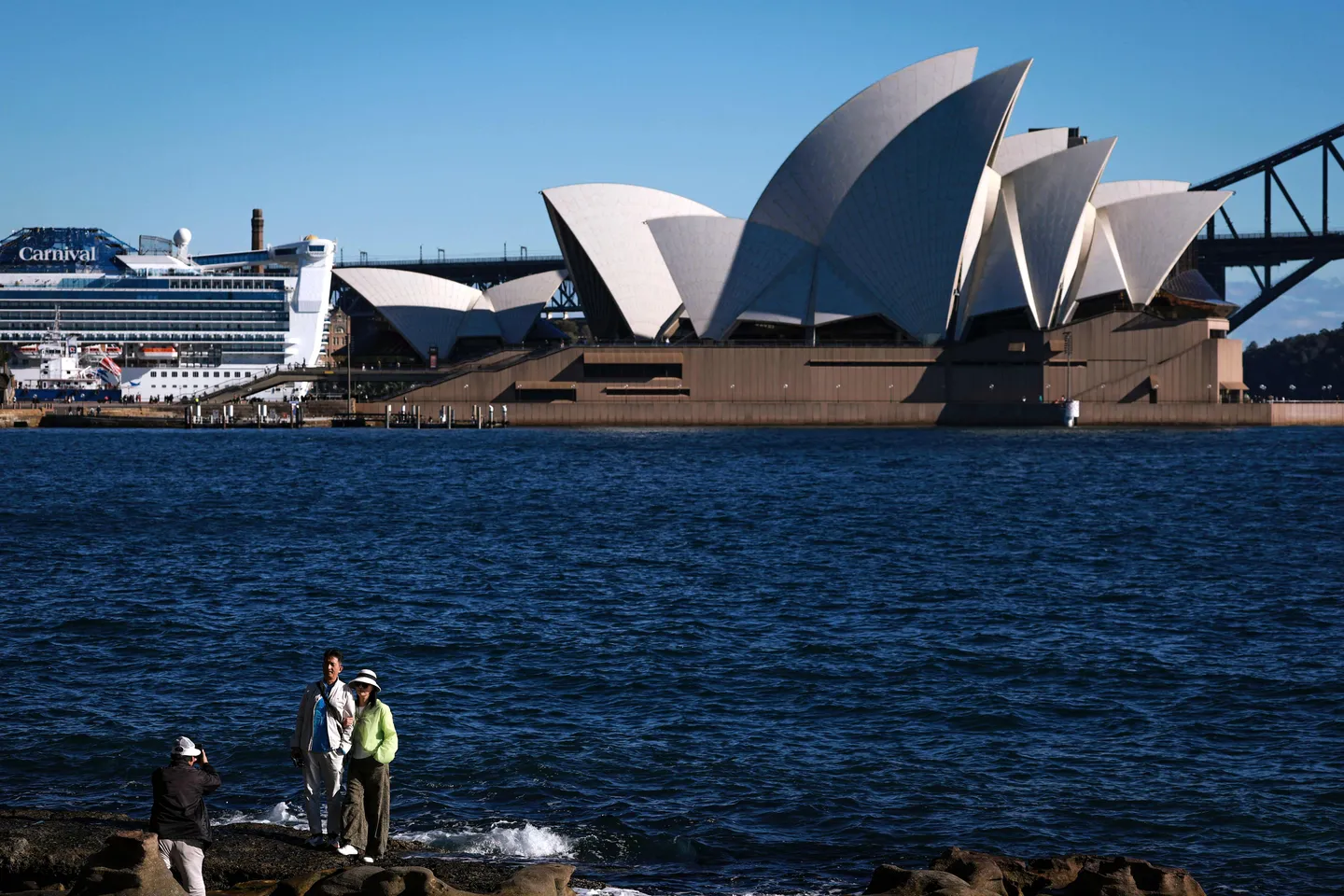
Australia will tighten visa rules for international students and working holidaymakers, including restricting most foreign students from bringing partners and children, as the government seeks to reduce migration levels.
Home Affairs Minister Tony Burke announced the measures on Thursday, saying they were part of longer-term efforts to bring annual net migration down to about 225,000 by 2028, from roughly 300,000 currently.
The changes come as immigration and the cost of living remain among Australians’ leading concerns and as the far-right One Nation party gains support in recent opinion polls.
Burke rejected suggestions the reforms were driven by One Nation, saying the government had been working on the changes well before the latest political debate.
“It's simply demonstrably wrong to suspect that somehow this is a recent bit of work done to deal with a political climate — it's not,” he told reporters.

New rules for students and backpackers
Under the reforms, most international students will no longer be allowed to bring partners or children as secondary applicants on student visas.
Exceptions will apply to some students from Pacific Island nations and Southeast Asia.
International students seeking to renew their visas will generally need to move to a higher qualification level.





The government will also introduce a ballot system for backpackers seeking to extend their working holiday visas.
In addition, visitor visas will carry a “no further stay” condition preventing holders from remaining in Australia while applying for another visa category, such as a partner visa.
Migration falls from post-pandemic peak
The changes come despite the significant economic contribution of international education.
The sector contributed A$53.6 billion ($38 billion) to the Australian economy in the year to June 2025, making it the country's fourth-largest export.
Foreign students have nevertheless been a major focus of Labor government's efforts to reduce temporary migration.
Student visa application fees have risen by nearly 300 percent over the past four years to A$2,500, while English-language requirements and minimum savings thresholds for some graduate visa applicants have also been tightened.
Net overseas migration surged after Australia reopened its borders in February 2022 following almost two years of COVID-19 restrictions. The increase was driven largely by international students, backpackers and temporary workers.
Migration has since declined. Net overseas migration stood at 306,000 in the year to June 30 2025, down sharply from a peak of 518,000 in 2023, with international students accounting for more than half of the latest figure.