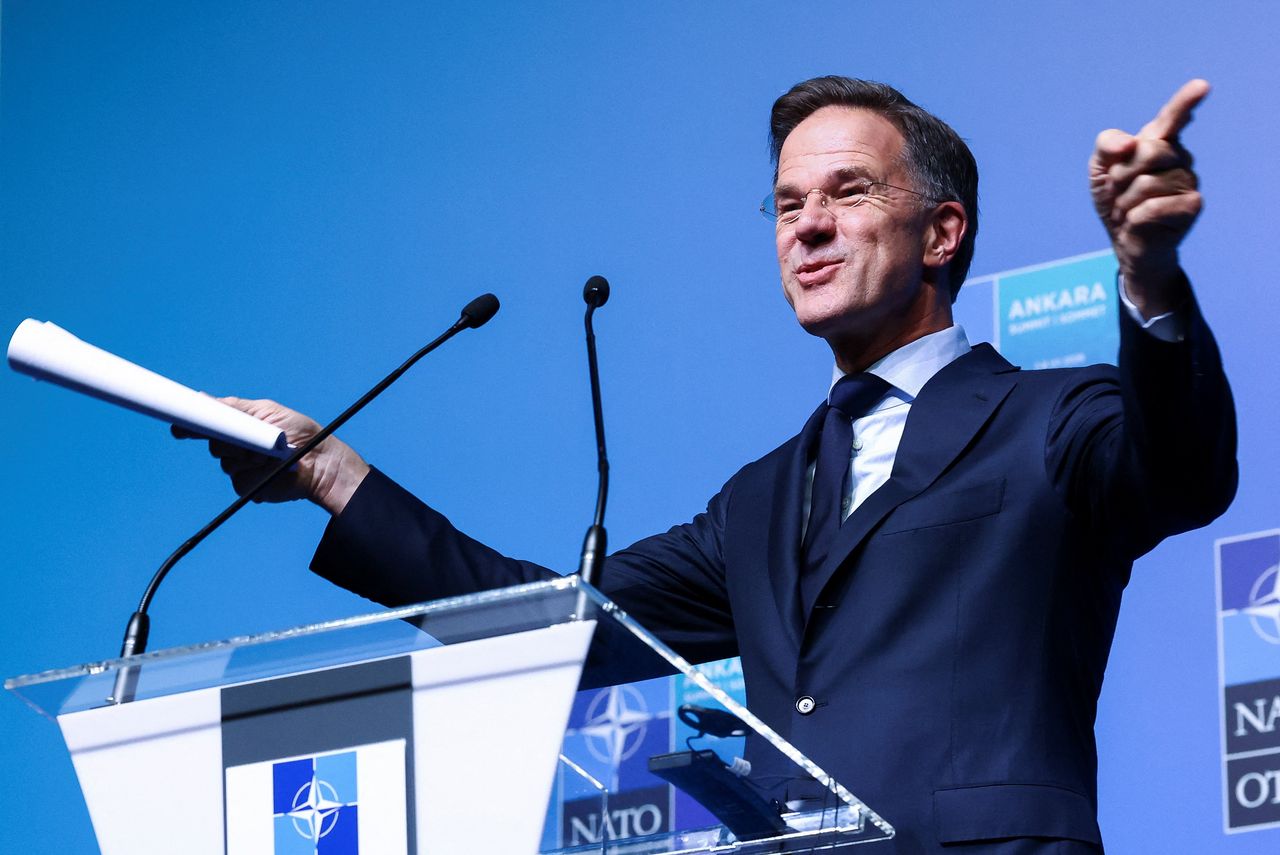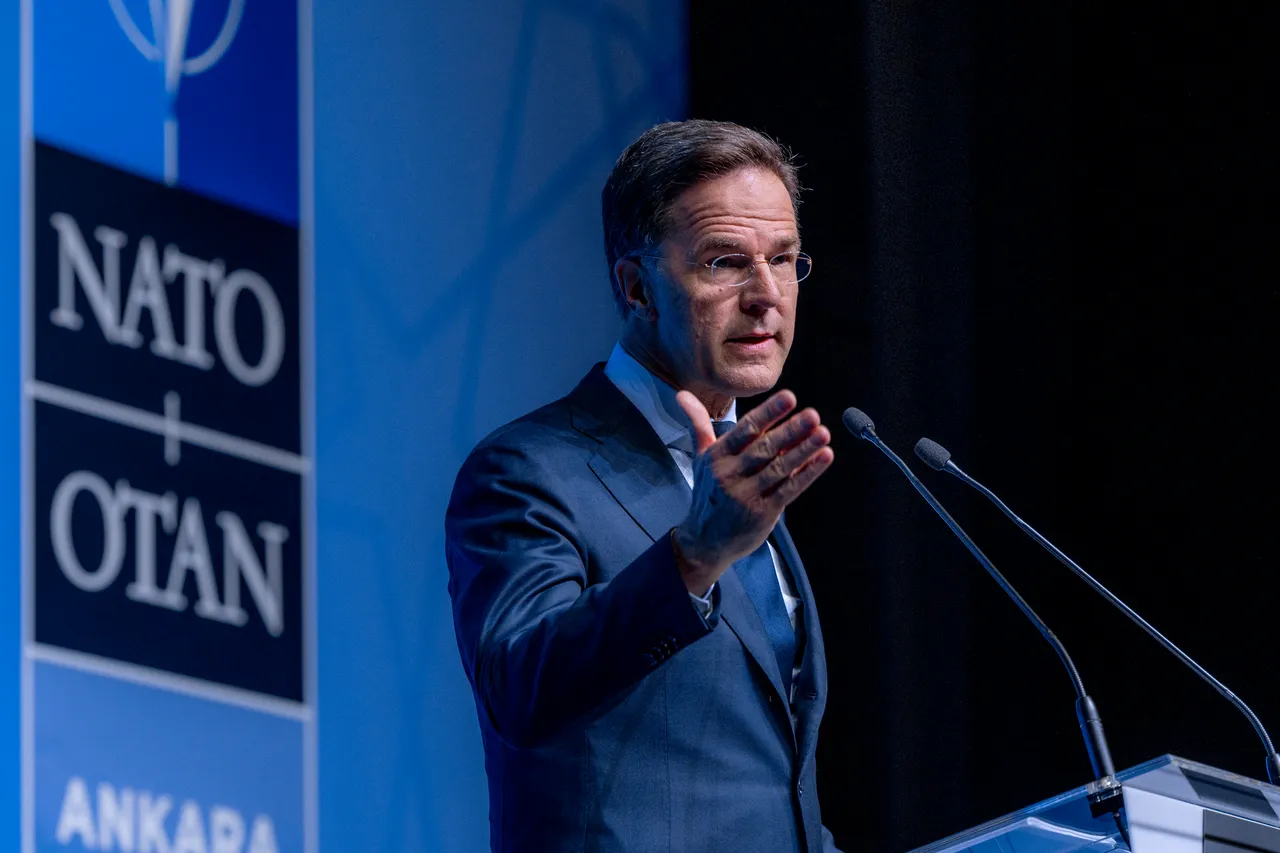
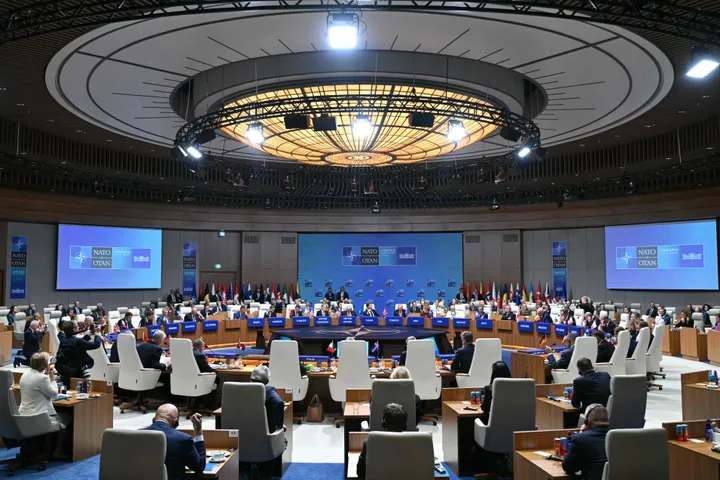
NATO leaders arrived for the second and final day of the alliance's summit in Ankara on Wednesday, with security in the Arctic, defence spending, Iran's nuclear ambitions and military support for Ukraine dominating doorstep remarks ahead of closed-door meetings.
NATO chief Mark Rutte said allies must ensure that Russia and China do not gain greater access to the Arctic, describing the region as an increasingly important strategic theatre. Addressing questions over Greenland, Rutte said NATO has "a good process" in place regarding the island.
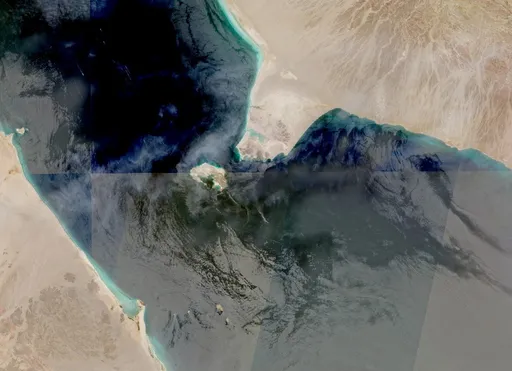
Discussing security in the Middle East, and navigation in the Strait of Hormuz, he said he expected allies to reaffirm that Iran "should never ever get its hands on a nuclear capability."
Rutte credited US President Donald Trump with helping rebalance defence spending between North America and Europe, saying the alliance had entered a stronger phase that he described as "NATO 3.0."
Danish Prime Minister Mette Frederiksen said the summit's top priority should be accelerating Europe's rearmament and expanding the alliance's defence industrial base to strengthen NATO's long-term deterrence.



Asked about Greenland, Frederiksen said Denmark was prepared to defend "every inch of NATO," including the Arctic island, if it were attacked.
Polish President Karol Tadeusz Nawrocki said Warsaw wants to establish a permanent base for American troops in Poland, underscoring the country's continued push for a stronger long-term US military presence on NATO's eastern flank.
Hungarian Prime Minister Peter Magyar reiterated Budapest's opposition to deeper military involvement in Ukraine, saying Hungary would not provide weapons or troops to the country.
The comments highlighted broad agreement among allies on boosting defence capabilities while also exposing lingering differences over support for Ukraine as leaders prepared for another day of high-level discussions in the Turkish capital.