 Abhishek G Bhaya
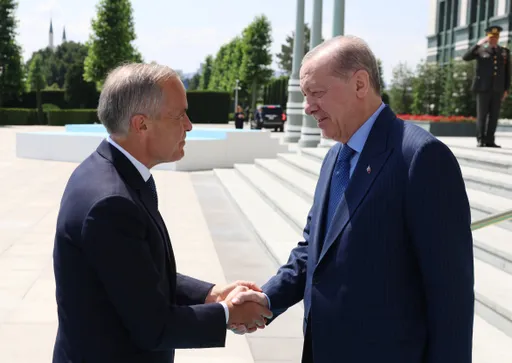
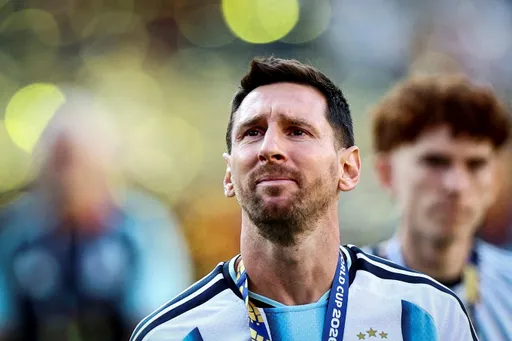
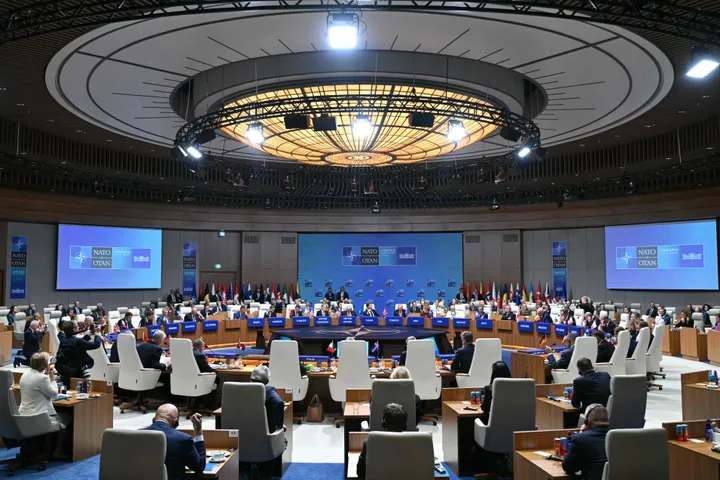
As football fans around the world follow every pass, tackle and goal at the ongoing FIFA World Cup, leaders gathered in Ankara used the language of the popular game to outline NATO's vision for its next phase — one in which Türkiye cast itself not only as the summit host but also as a key industrial player in strengthening the alliance's collective defence.
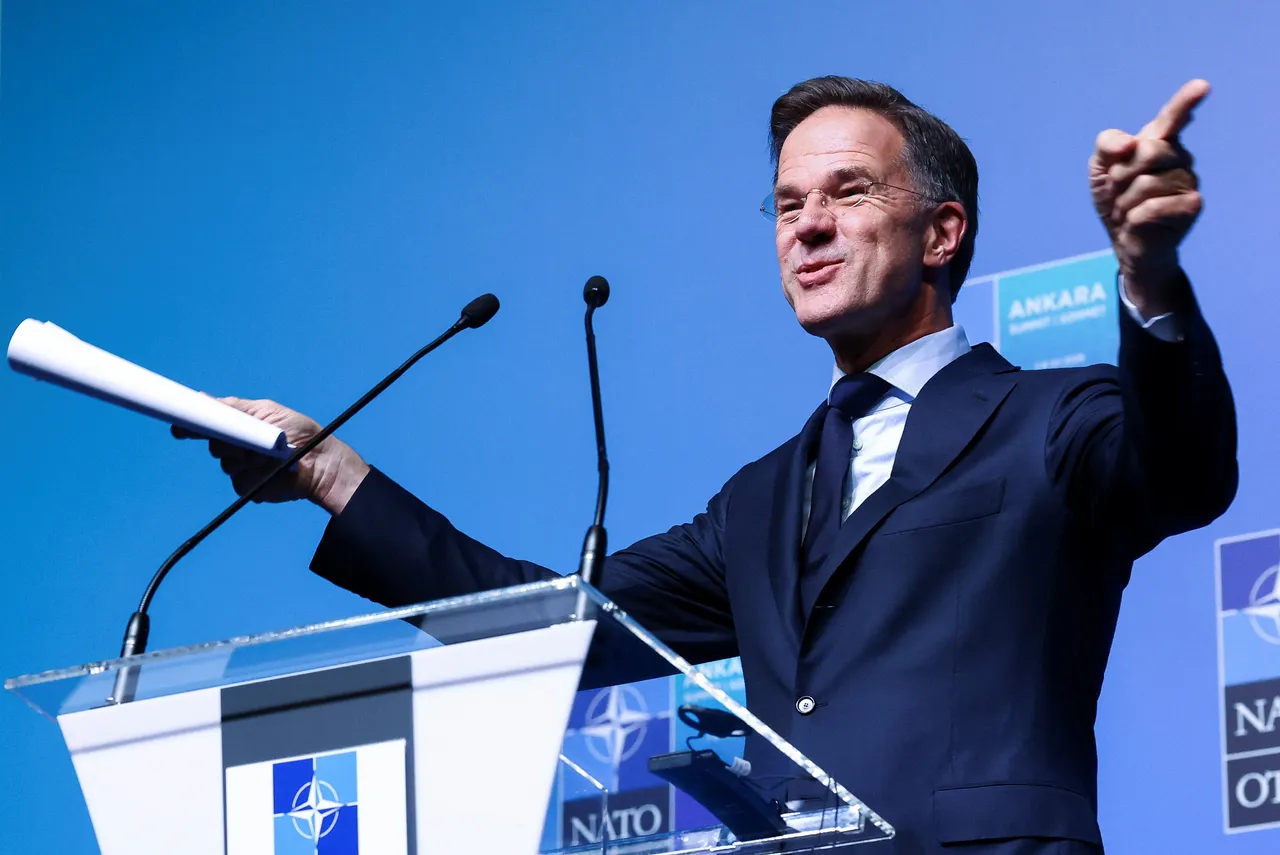
Opening the NATO Defence Industry Forum on the first day of the alliance's summit, NATO Secretary General Mark Rutte compared collective security to a successful football team, while Turkish Vice President Cevdet Yilmaz extended the sporting analogy to describe what he called "NATO 3.0" and Türkiye's ambition to move into football's "first league" as a global defence exporter.
"As we are in the middle of the World Cup, let me start with a little football analogy," Rutte said, joking that both his native Netherlands and Curacao had already been eliminated from the tournament.
"No team wins because of one brilliant player," he said. "You need the goalkeeper, the defenders, the midfielders and the strikers... Everyone matters. No one wins alone."
For Rutte, the comparison extended beyond soldiers and commanders. Governments, armed forces and defence manufacturers, he argued, must function as one team if NATO is to keep pace with an increasingly volatile security environment.
"Our political leaders set the direction. Our armed forces are on the pitch every single day. And you, our defence industry, provide the strength behind the team — the equipment, the innovation, the production capacity."
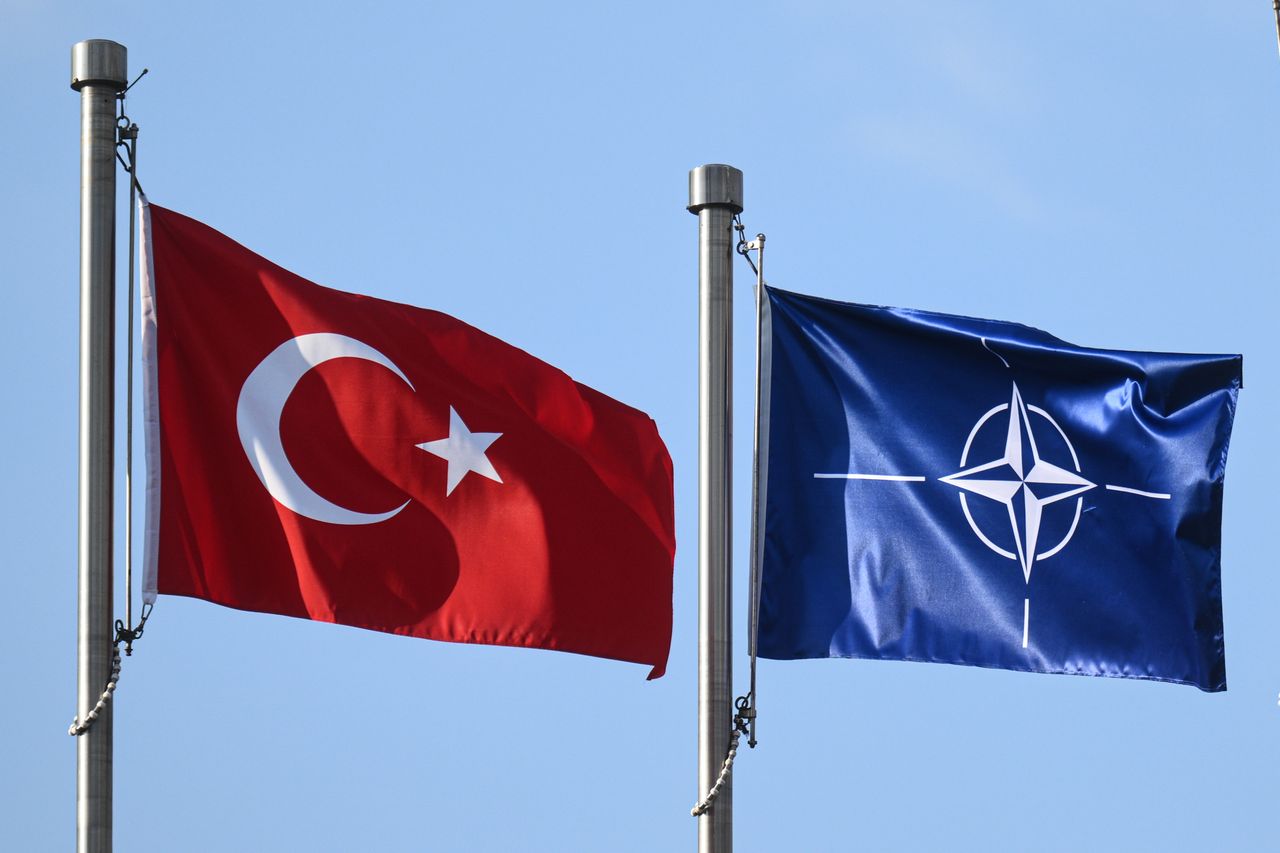
Türkiye says NATO entering '3.0'
Picking up on Rutte's football theme, Yilmaz argued that the alliance is entering a new stage of its evolution, one centred on stronger industrial cooperation, fairer burden-sharing and increased defence production.
"The alliance is taking a new step into NATO 3.0," he said, describing a future in which higher defence spending must translate into tangible military capabilities.
Using the football analogy himself, Yilmaz said Türkiye aimed to move into the sport's "first league" as its defence industry continued climbing the global rankings.
Presenting Türkiye as an increasingly important defence producer within NATO, he noted that the country now ranks among the world's leading defence exporters, with more than half of its exports destined for NATO and European Union countries.
He highlighted Türkiye's expanding capabilities across land, air, naval, cyber and space domains, pointing to a domestic localisation rate exceeding 80 percent for the Turkish Armed Forces and describing the country as a reliable weapons supplier for allies.
Yilmaz also renewed Ankara's longstanding call for deeper industrial integration within the alliance, arguing that defence export restrictions and sanctions between NATO allies undermine collective security.
"All bilateral restrictions between allied countries should be lifted," he said, adding that removing such barriers would strengthen NATO's military readiness while reducing production costs.
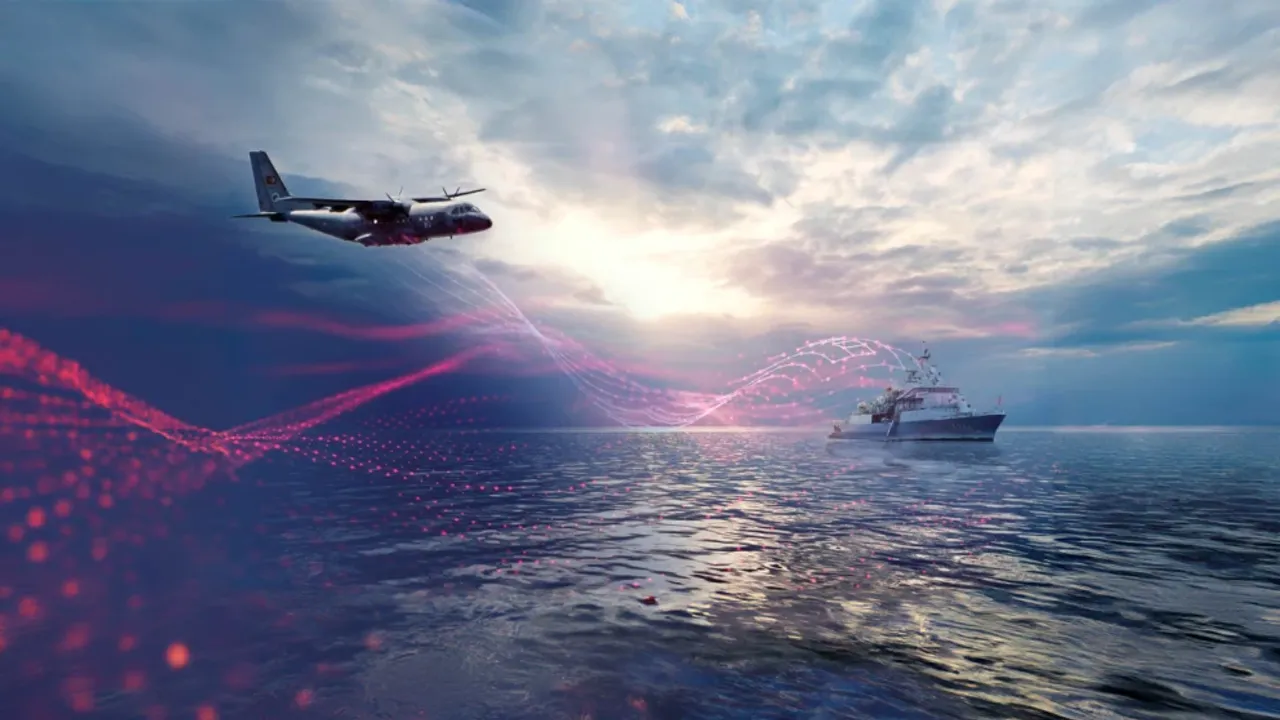
Türkiye showcases its defence industry
Earlier at the same session, Turkish Defence Minister Yasar Guler argued that modern conflicts are increasingly shaped by industrial capacity as much as by battlefield performance.
"The fundamental question for all of us is how quickly can we turn our commitments into real capabilities," Guler said.

Referring to the war in Ukraine, he said the conflict had demonstrated the importance of ammunition production, unmanned systems, electronic warfare and rapid innovation, while recent tensions around the Strait of Hormuz underscored the strategic importance of secure supply chains.
Guler presented Türkiye's own defence transformation as evidence of what sustained investment can achieve, highlighting expanded production of 155-millimetre artillery ammunition, missile systems, unmanned platforms, naval vessels and the indigenous KAAN fighter programme.
"Our call is clear," he said. "Let us turn commitments into capabilities. Let us turn resources into production. Let us turn industrial strength into deterrence."
From defence spending to defence production
The football metaphors echoed a broader theme running through the forum: NATO believes the debate has shifted from how much allies spend on defence to how rapidly they can convert those investments into military capability.
"We have made real progress," Rutte said. "But the match is far from over."
Referring to last year's agreement for allies to spend 5 percent of GDP on defence, Rutte said European allies and Canada had collectively increased defence spending by hundreds of billions of dollars over the past two years.
"The money is there," he said. "But this cash must be put to work."
Rutte announced that NATO was releasing, for the first time, a public consolidated demand outlining the military capabilities required across the alliance — a move intended to give defence companies greater certainty to expand production and investment.
He described the moment as the beginning of "a transatlantic defence industrial revolution" and urged governments to eliminate procurement bottlenecks, calling for "a bonfire of red tape" to accelerate industrial cooperation.
He also stressed that the alliance was deepening defence industrial cooperation not only among NATO members but also with Ukraine, the European Union and Indo-Pacific partners, arguing that future security would depend on stronger production networks and technological innovation.
Preparing for the next geopolitical match
The repeated football references were more than colourful rhetoric. Together, they reflected NATO's effort to explain a strategic shift that places defence industry alongside military power as the foundation of deterrence.
For the alliance, the challenge is no longer simply maintaining capable armed forces but ensuring that factories, engineers, supply chains and innovation ecosystems can sustain them through prolonged geopolitical competition.
As Rutte said: "Winning teams prepare. They train. They invest. They build trust. That's exactly what we must continue to do."