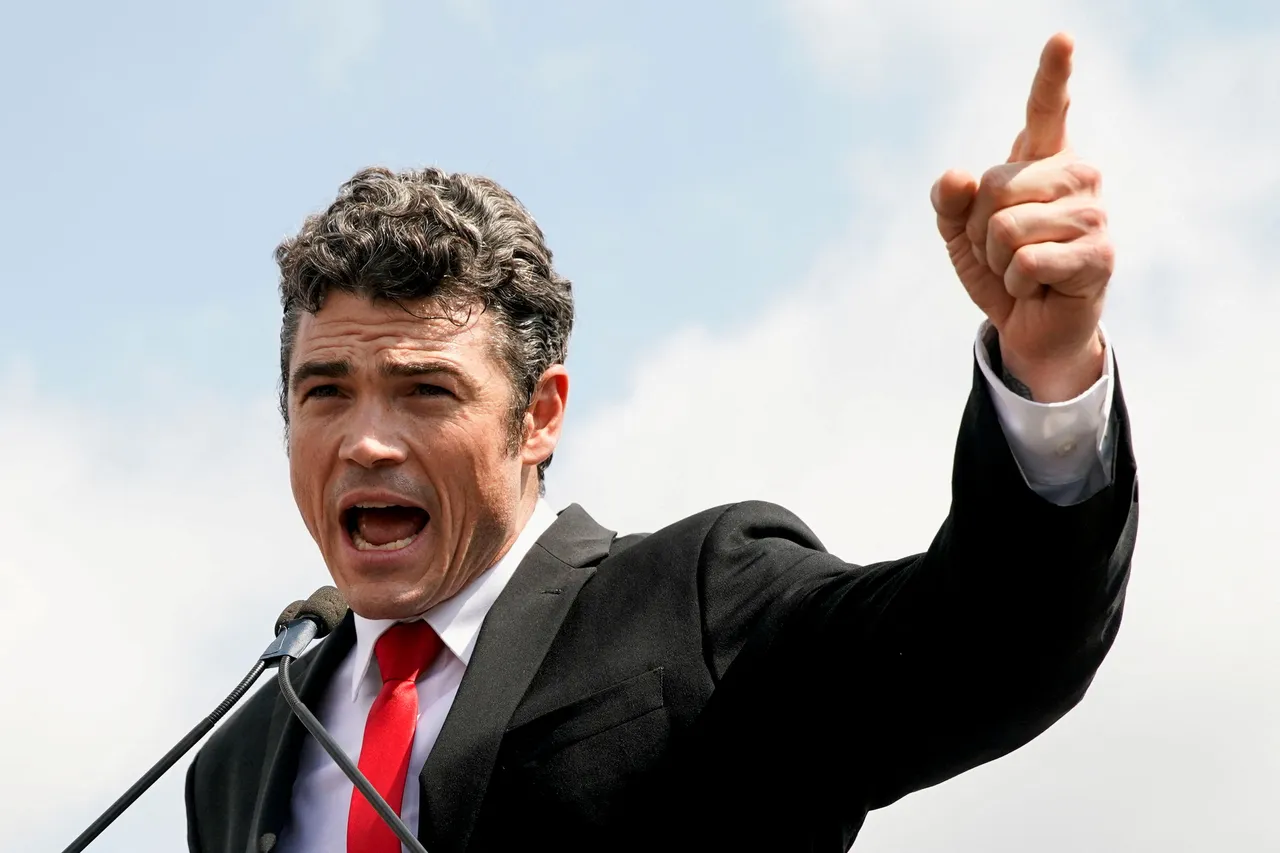
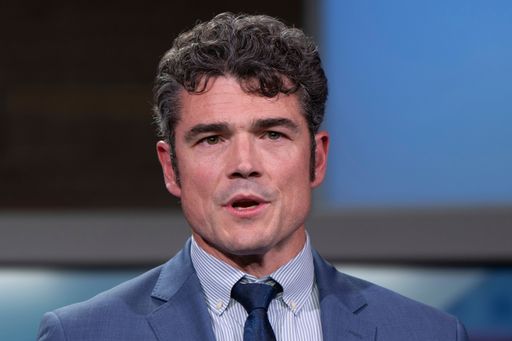
Joe Kent, the former counterterrorism director who resigned this week over concerns about the Iran war, said that he and other senior officials with doubts about the air strikes "were not allowed" to share them with President Donald Trump.
Speaking on Tucker Carlson's show, Kent said the president relied on a small circle of advisers in making his decision to strike Iran. Kent claimed Israel forced Trump's hand despite what he said was no evidence that Iran posed an imminent threat to the US.
"A good deal of key decision makers were not allowed to come and express their opinion to the president," Kent told the prominent conservative commentator. "There wasn't a robust debate."
Kent's comments offer an inside glimpse into Trump's decision to strike Iran on February 28 and underscore the risk that the war could divide his political base. They also suggest there were concerns about the strikes within the administration.
As head of the National Counterterrorism Center, Kent was in charge of an agency tasked with analysing and detecting terrorist threats. His work was overseen by Director of National Intelligence Tulsi Gabbard, who on Wednesday said that it was up to Trump — and Trump alone — to decide whether Iran posed a threat.
Gabbard, a veteran and former congresswoman from Hawaii, has previously criticised talk of military strikes in Iran. She has not said what she thinks of the current strikes, and a spokesperson has declined to respond to questions.
Kent declined to say who blocked his access to Trump when Carlson asked.

Israel forced Washington
Kent said no intelligence suggested that Iran was working to develop nuclear weapons, and that he believes Israel was able to force the US to act by promising to act first, potentially putting US interests in the region at risk. He said Israeli officials and US media pundits helped make the argument that Iran was a threat.
"The Israelis drove the decision to take this action," Kent told Carlson. He cited comments from Secretary of State Marco Rubio and House Speaker Mike Johnson suggesting that Israel's plans prompted the US to take action.
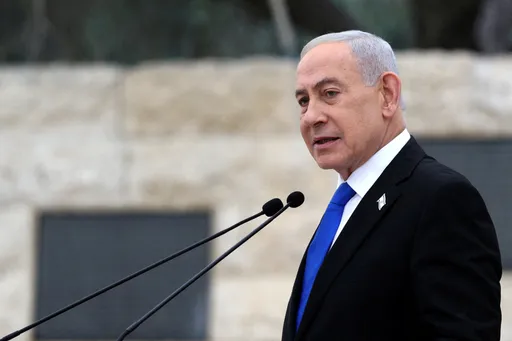
Kent said Israeli Prime Minister Benjamin Netanyahu and other Israeli officials personally lobbied Trump, often with information that US officials couldn't confirm. "When we would hear what they were saying, it didn’t reflect intelligence channels," Kent said.
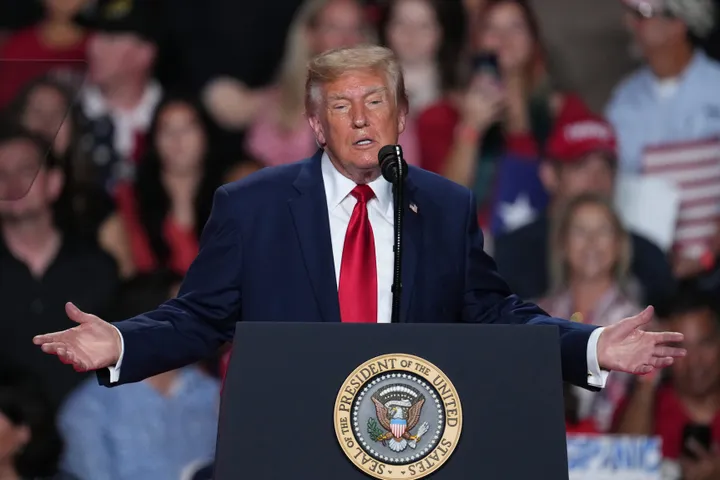
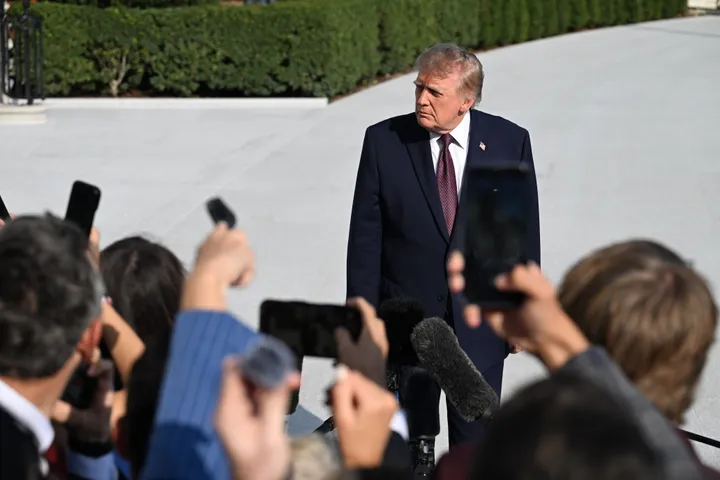
Trump has offered shifting reasons for the strikes and has pushed back on claims that Israel forced the US to act. On Tuesday, he rejected Kent's criticism of the war and said he always thought Kent was "weak on security" and if someone in his administration did not believe Iran was a threat, "we don't want those people."
"They're not smart people, or they're not savvy people," Trump said. "Iran was a tremendous threat."