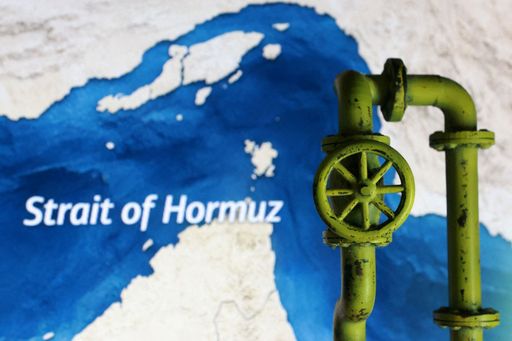
Gulf countries are reconsidering pipeline projects designed to bypass the Strait of Hormuz, as the Israel-US war on Iran renews fears over heavy reliance on one of the world’s most critical oil and gas chokepoints, the Financial Times reported on Thursday.
The renewed discussions highlight rising concern that any prolonged Iranian control or disruption in the strait could leave Gulf energy exporters vulnerable.
Officials and industry leaders are now reassessing alternatives that were previously dismissed as too expensive or technically challenging.
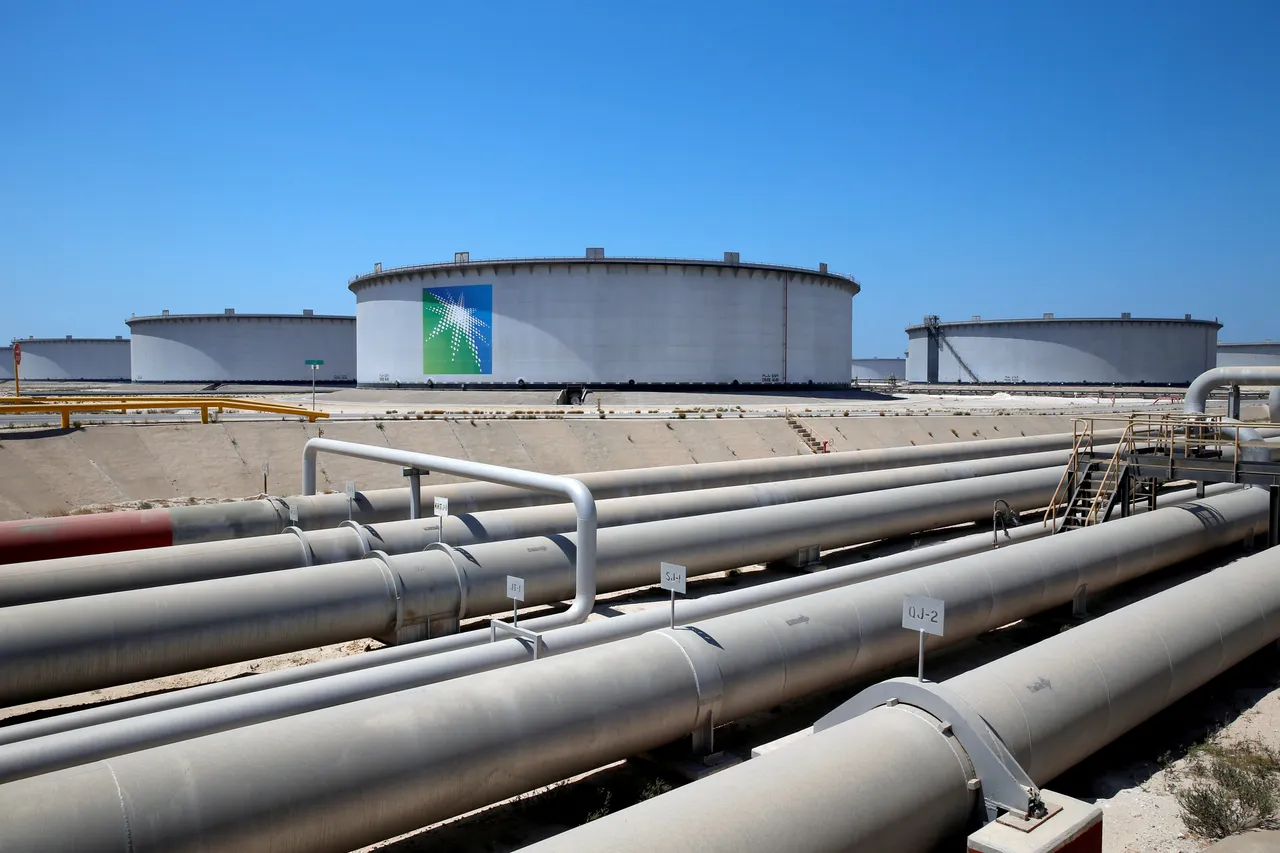
The war has also reinforced the strategic importance of Saudi Arabia’s East-West pipeline, a 1,200-kilometre route that transports crude oil to the Red Sea port of Yanbu, enabling exports to bypass the Strait of Hormuz entirely.
One senior Gulf energy executive told the Financial Times that the pipeline now appears “like a genius masterstroke” in retrospect.

Project for broader options
Saudi Aramco CEO Amin Nasser also highlighted the line’s importance, saying it is the “main route that we are capitalising on right now,” as the kingdom weighs whether to expand its capacity further or develop additional export routes and terminals on the Red Sea coast.
The report said possible long-term options could include broader trade corridors stretching from India through the Gulf to Europe, while some executives argued that pipelines to Mediterranean outlets will eventually be built.
Yossi Abu, CEO of Israel’s NewMed Energy, said: “People need to control their own destinies, with their friends.”
Still, industry executives warned that the obstacles remain severe.





Christopher Bush, CEO of Lebanon-based Cat Group, said replicating Saudi Arabia’s East-West pipeline today would cost at least $5 billion, while more complex routes from Iraq through Jordan, Syria or Türkiye could require $15 billion to $20 billion.
Bush said security risks in Iraq remain substantial, citing unexploded bombs and the presence of militants, while routes to Oman would face major engineering challenges across desert and mountain terrain.
He also said political disputes over ownership, operation and control of flows would complicate any regional network.
‘Big problem’
In the near term, the most realistic option may be to expand existing infrastructure, including Saudi Arabia’s East-West pipeline and Abu Dhabi’s route to Fujairah, rather than pursuing entirely new cross-border systems.
Bush said Gulf policymakers are now treating the issue as urgent, adding: “You have a lot of smart minds looking at all of this now. It is a big problem.”
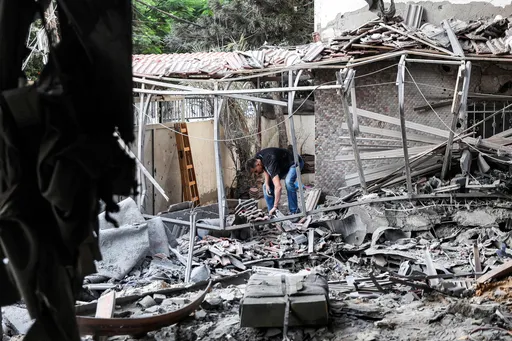
The US-Israel war with Iran and rising tensions in the Strait of Hormuz have disrupted regional energy flows, contributing to supply concerns and upward pressure on global prices.
On March 2, Iran announced restrictions on navigation in the strategic waterway, warning it could target vessels transiting without coordination.
About 20 percent of the global oil supply passes through the strait daily, and heightened insecurity has driven up oil prices as well as shipping and insurance costs.