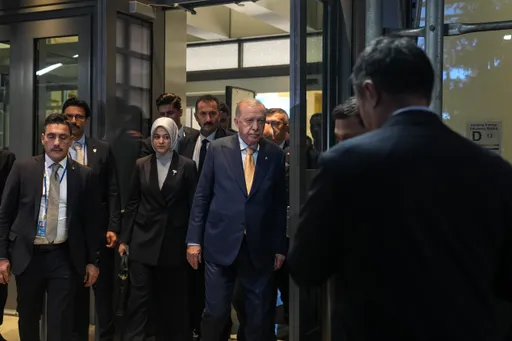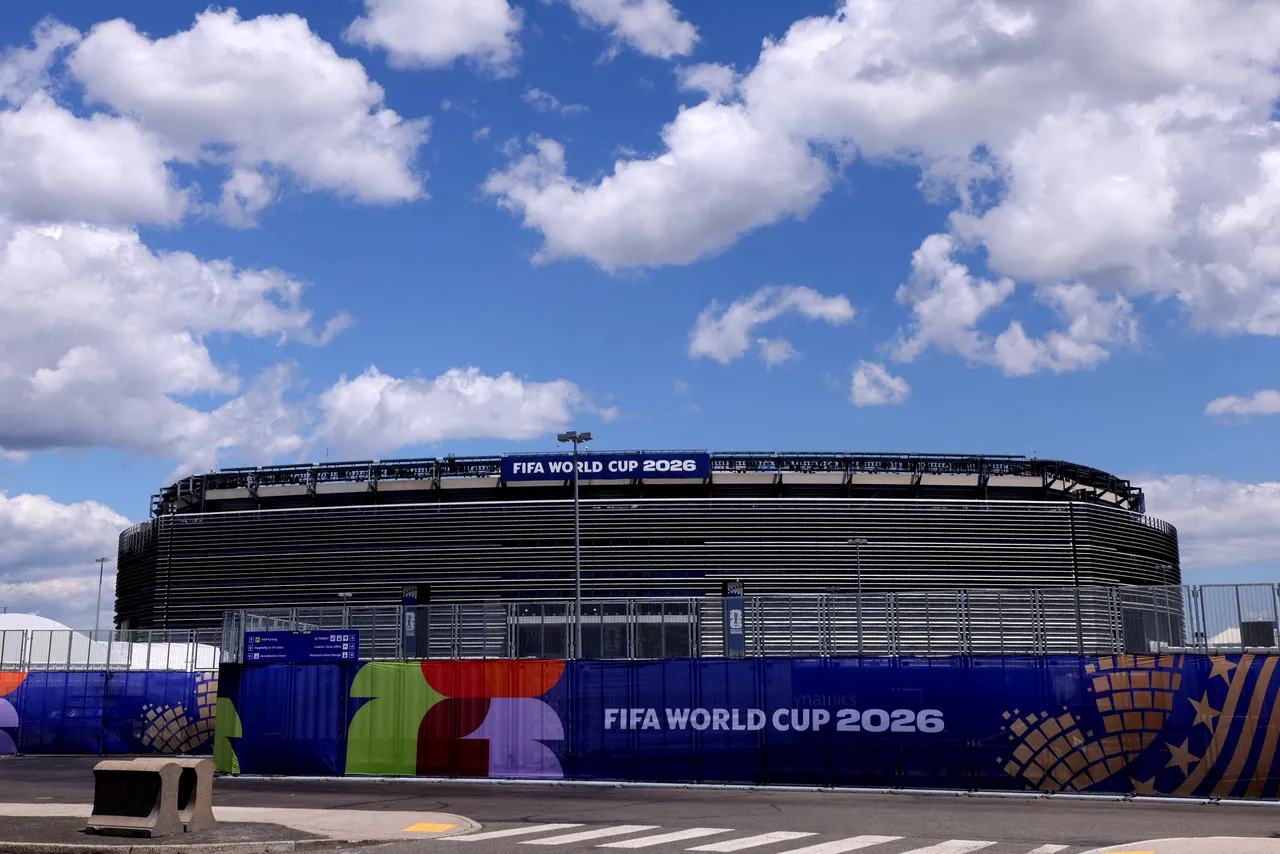
As the FIFA World Cup 2026 kicks off, the United States, hosting the lion’s share of matches, is deploying aggressive immigration policies that are blocking players’ staff, sidelining officials and referees, and shutting out thousands of fans.
What was billed as the biggest and most inclusive tournament in history is increasingly looking like a selective event — open to some, off-limits to others.
Here’s what’s happening.
Players get (mostly) in — support staff and officials get denied
The strict immigration policies of US administration under President Donald Trump have been a point of concern ahead of the World Cup. Last year, Washington imposed a sweeping travel ban on citizens of 12 countries, including Iran and Somalia.
The administration has carved out narrow exemptions for athletes, coaches and “necessary support staff.”
In practice, this is applied unevenly and often vindictively.
All Iranian players received visas, but over a dozen key backroom staff, federation executives, including president Mehdi Taj and secretary-general Hedayat Mombeini and technical personnel were denied.
Iran has shifted its training base to Mexico, with players allowed only one-day entry for matches before returning across the border. Iranian officials call it “vindictive behaviour” and “politically biased interference in sport.”
Iran's football federation said the US has removed the ticket quota allocated to Iranian fans for the World Cup, leaving the federation unable to distribute tickets through its official system, Anadolu reported.
Somali referee Omar Abdulkadir Artan was denied entry at the Miami airport despite a valid visa and diplomatic passport, just days before he was due to officiate at the 2026 FIFA World Cup.
Despite being selected by FIFA to oversee matches at the tournament, Artan faced difficulties obtaining a visa.
The Somali embassy in Nairobi, Kenya, said on Friday that it had facilitated Artan’s travel on a diplomatic passport, according to reports circulating on social media.
A FIFA spokesperson said on Monday that Artan will not be able to train and officiate at the World Cup after he was not allowed to enter the US.
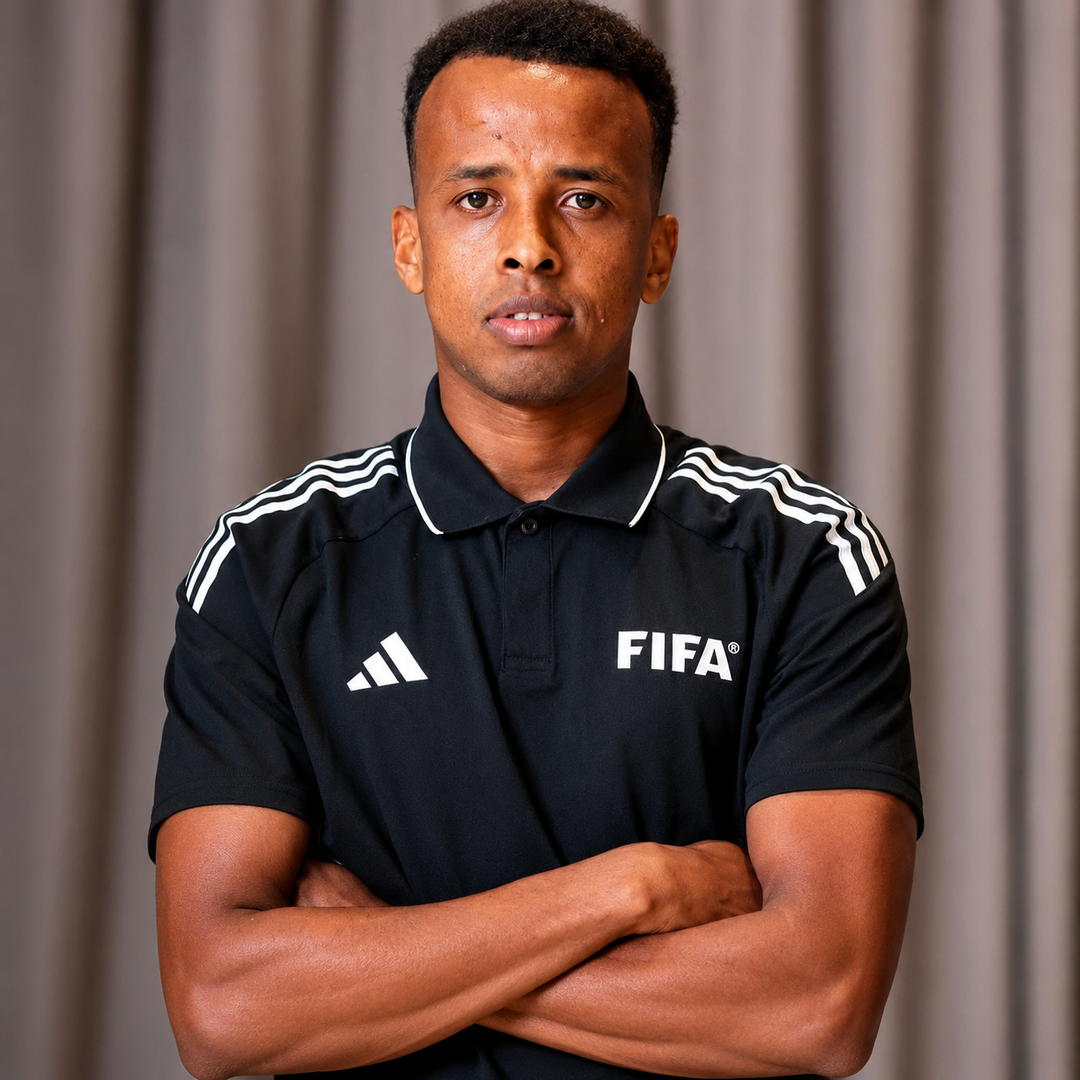
"FIFA is not involved in host country immigration processes, including visa adjudications, and has been informed by authorities that Mr Artan's status will not be changed at present," the spokesperson said.
The US Customs and Border Protection, without naming him, said in a statement that a Somali national arrived at Miami International Airport from Istanbul on Saturday and was deemed inadmissible due to “vetting concerns”.
South Africa’s Bafana Bafana faced staff visa delays.
They finally left for their World Cup training base in Pachuca on Monday ahead of their opening game against co-hosts Mexico on June 11, but did so without assistant coach Helman Mkhalele who has yet to obtain a US visa.
The charter flight departed Johannesburg following a frantic 24 hours after the squad was originally scheduled to leave on Sunday, but were held back by a delay in obtaining visas in what was described as an administrative bungle by the South African Football Association (SAFA).
Mkhalele, a former international winger who played 66 times for Bafana Bafana, including at their World Cup debut in France in 1998, will have to follow later after his visa application was initially denied.
"They (the US Consulate General in Johannesburg) refused the visa, but gave no reasons. It is very difficult to deal with the process where you get no information," SAFA president Danny Jordaan told the South African Broadcasting Corporation, according to a Reuters report.
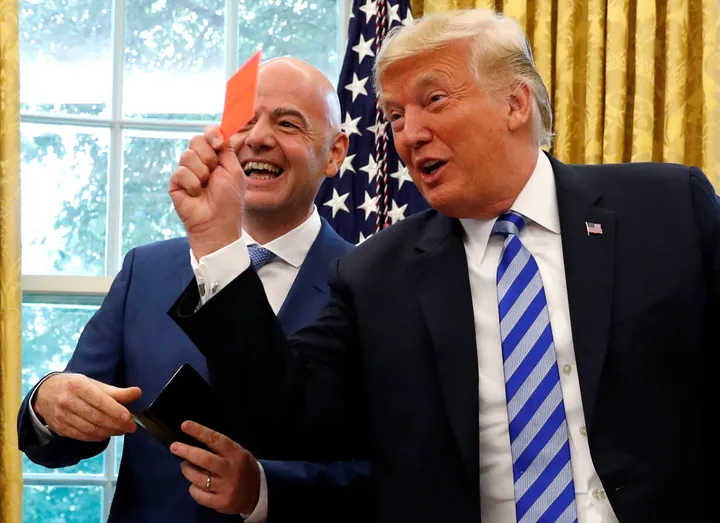




"We don’t know (why it was denied), we are clutching in the dark, but we hope the matter will be resolved (soon). All of the players are (on the flight) and 99 percent of the technical staff."
Meanwhile, Swiss star Breel Embolo hit a last-minute ESTA snag over past legal issues. Journalists, especially Iranian and African, report widespread denials or single-entry visas that prevent following teams across host nations.
FIFA insists it has no control over host-country immigration, but critics say the organisation has been too passive while its own event is undermined.
Are players, officials and accredited personnel exempt?
Officially, the answer is largely yes, but with important caveats.
US policy includes carve-outs for World Cup participants. Presidential proclamations suspending or restricting entry from certain countries (up to 39 nations) exempt athletes, coaches, necessary support staff, and immediate relatives for major sporting events like the World Cup.
Referees and technical officials may also qualify for B-1 visas or ESTA (electronic travel authorisation under a visa waiver programme) in some cases.
However, implementation is inconsistent.
Journalists and broader accredited media frequently face visa denials or restrictive single-entry visas, limiting coverage across the three host countries.
Fans, extended family, sponsors and non-essential personnel receive no special protections and the US Department of State states applications are adjudicated case-by-case with rigorous vetting, while working with FIFA, DHS, and the White House.
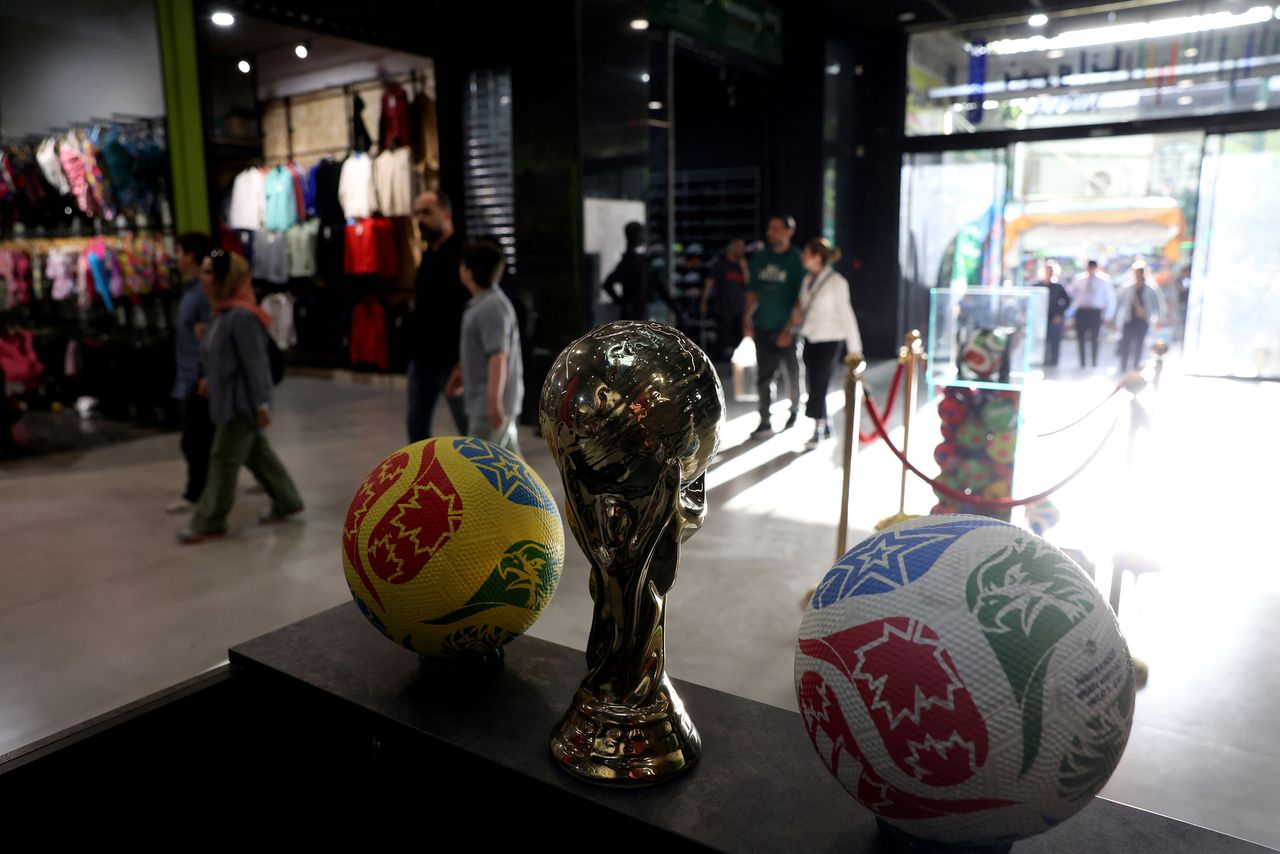
Fans bear the brunt
No broad exemptions exist for supporters.
Travel bans or severe restrictions hit fans from multiple participating nations like Iran, Haiti, Senegal, Ivory Coast, and others. High rejection rates, multi-thousand-dollar visa bonds (partially waived for some ticket-holders), months-long waits, and aggressive border enforcement are keeping people away.
Moroccan, Ghanaian, Iraqi, and other supporter groups report dozens or hundreds of denials.
Even with the FIFA PASS priority system, a ticket is not a visa.
Many fans simply aren’t applying, deterred by costs, humiliation at embassies, or fear of ICE encounters near stadiums.
The result: emptier stands in US venues, lost tourism revenue, and a bitter taste for global football supporters who feel explicitly unwelcome.
Health-related restrictions, such as CDC measures for Ebola-affected nations like the Democratic Republic of Congo, add further layers like isolation requirements.
US hotel bookings lag ahead of 2026 World Cup
Meanwhile, US hotels are underperforming compared with those in Canada and Mexico, despite the US hosting the majority of matches, The Wall Street Journal reported.
Hotel reservations in Canada and Mexico are surpassing those in nearly all US host cities ahead of FIFA’s premier tournament.
According to CoStar, Vancouver and Guadalajara lead in hotel occupancy, at 48 percent. Toronto, Mexico City and Monterrey have also exceeded 40 percent occupancy, while San Francisco is the only US host city to reach that level at 44 percent.
Meanwhile, attending matches in the US has become increasingly expensive. Ticket prices for this year’s World Cup have climbed to record levels, with some resale tickets for the final already fetching more than $20,000 each, according to TicketData. Travel expenses have also risen sharply.