 Noureldein Ghanem
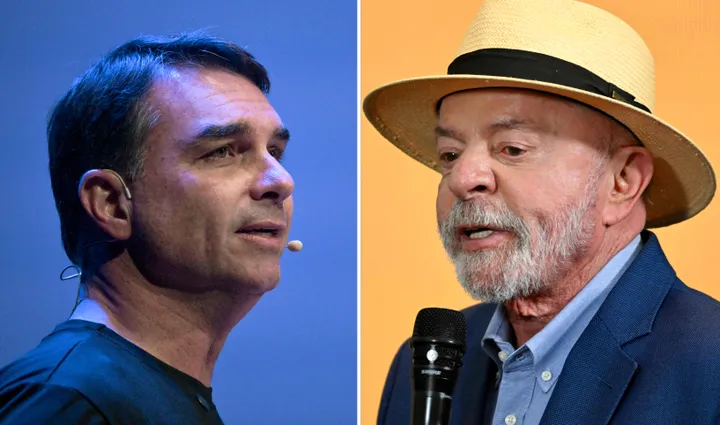
For nearly a decade, Brazil’s political right has been closely identified with one man: Jair Bolsonaro. But as Brazil heads towards its 2026 presidential election in October, the Bolsonaro name is attempting something it has never had to do before: compete for the presidency without Jair Bolsonaro himself on the ballot.
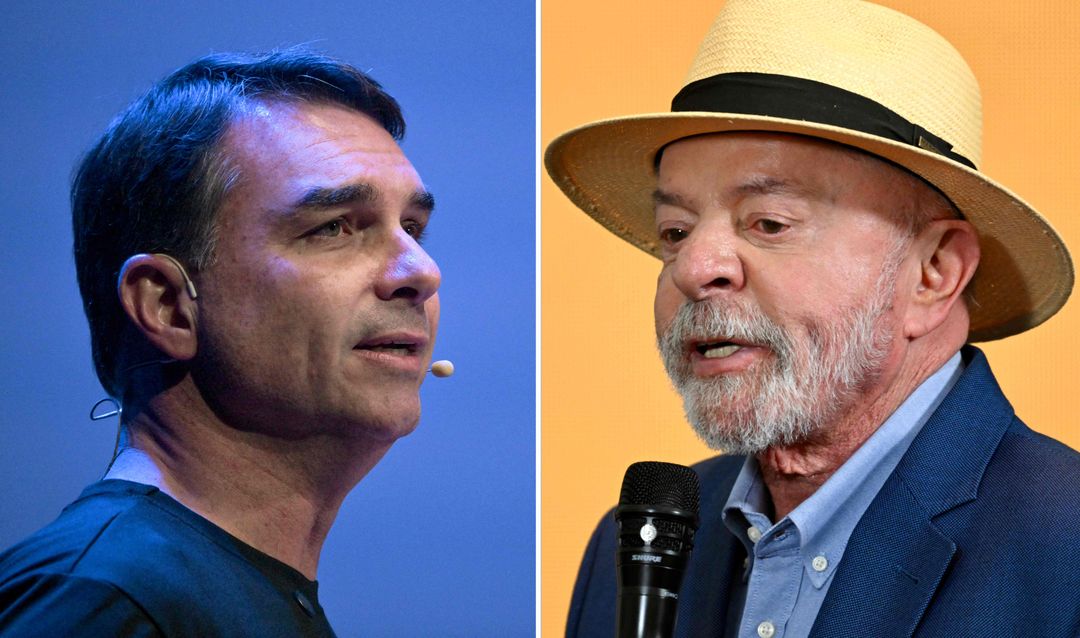
His son Flavio has inherited the family’s political mantle, turning the election into a test not only of one candidate but of whether the movement built around his father can be transferred to a new generation.
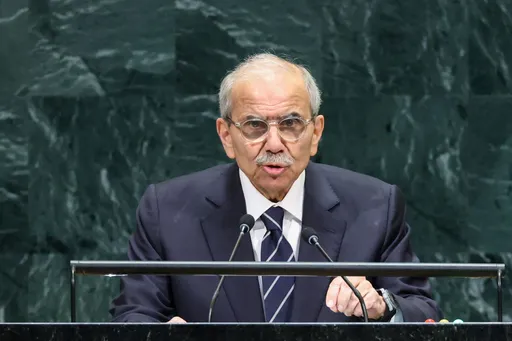
"There are evangelical organisations, agribusiness interests, business sectors, conservative politicians and a broader electorate that have developed political interests that aren't going to disappear just because Jair Bolsonaro isn't on the ballot," Jenaro Abraham, an assistant professor at San Jose State University’s Political Science Department, tells TRT World.
Flavio's campaign has sought to preserve the political identity that made his father a formidable force while reaching beyond Bolsonaro's most committed supporters. That has created a tension inside the movement.
Reporting in Brazil has highlighted pressure from a more ideological wing for Flavio to remain closer to the movement's traditional rhetoric, even as his campaign has sought a more moderate posture to appeal to voters outside the Bolsonaro camp.
The question is therefore not simply whether Flavio can inherit his father's voters, but how much of Bolsonaroism he can adapt without losing the identity that gave it its strength.
A bit of a family legacy and a bit of a political force
In its very essence, Bolsonarism is closely tied to Jair Bolsonaro himself, and his son Flavio understands this clearly, presenting himself as someone who can carry the family's project.
This shows in the issues he's emphasising, including tougher penalties for crime and confronting what Bolsonaro supporters describe as excessive judicial power.
This, however, could be tricky. Brazil has a relatively powerful and independent judiciary, and the courts have repeatedly constrained political leaders, including Bolsonaro himself.
Still, in political terms, Bolsonarism has become much more than a family project.
"So, Flavio is inheriting a coalition that already exists,” says Abraham.
But with Flavio leading the right-wing tide in the election, it remains unclear how much of the coalition is independent enough to survive without Jair on the ballot, or even without the Bolsonaro family.
"I would describe Bolsonaroism as partially institutionalised but still highly personalised. It has developed organisations, networks and a recognisable political identity that can function without Jair Bolsonaro personally appearing on the ballot. What it hasn't demonstrated yet is that it can reproduce itself without a Bolsonaro at its symbolic centre," Abraham notes.



What did Flavio inherit?
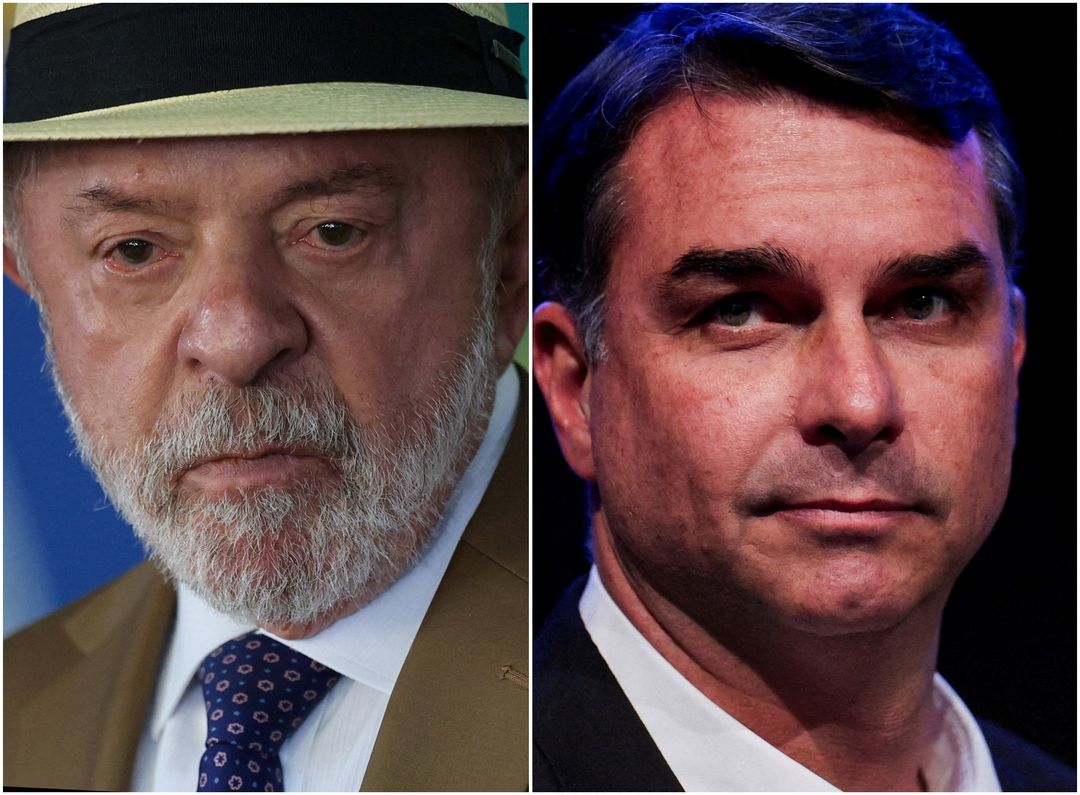
Flavio entered the presidential race with an edge over other right-wing candidates, inheriting the Bolsonaro name, political networks, many of his father's positions and a significant part of the coalition his father built.
What Flavio doesn't inherit is his father's political character and his relationship with voters.
"Jair Bolsonaro spent decades building a very distinctive political persona. Whether people liked him or disliked him, voters knew exactly what Bolsonaro represented. Flavio has to build that kind of political identity for himself," says Abraham.
In this regard, foreign policy would be a tough test for Flavio, given the different circumstances Brazil faces under a second Trump administration, including tariffs and other political tensions with Washington.
A potential conflict between ideological allies in the US and Brazil's own interests is a question Flavio needs to address, and reproducing his father's politics in this case won't work easily.
"He (Flavio) has to establish his own credentials and demonstrate how he would manage that relationship (with the US)," Abraham argues.

Bolsonaro's mobilisation power
Despite all this, the Bolsonaro name still carries significant political weight even when Jair himself is excluded, and it can mobilise a substantial portion of right-wing voters.
"Evangelical voters are probably the clearest example. Flavio continues to perform very strongly among evangelicals. He also performs strongly among middle- and higher-income voters, and he's competitive among male voters," Abraham says.
"Those were important parts of his father's coalition."
But one can't assume Flavio would inherit his father's voters, along with everything else he inherited, simply because they share the same last name.
Flavio has his own vulnerabilities in this election, and the Banco Master scandal that affects President Luiz Inacio Lula da Silva's campaign also affects his own campaign.
Flavio's rhetorical style also differs from his father's. He generally presents himself in a more conventional political style while maintaining many of the substantive positions associated with Bolsonaroism.
"The Bolsonaro name gets him a very long way. But he still has to turn his father's coalition into his own coalition," Abraham says.