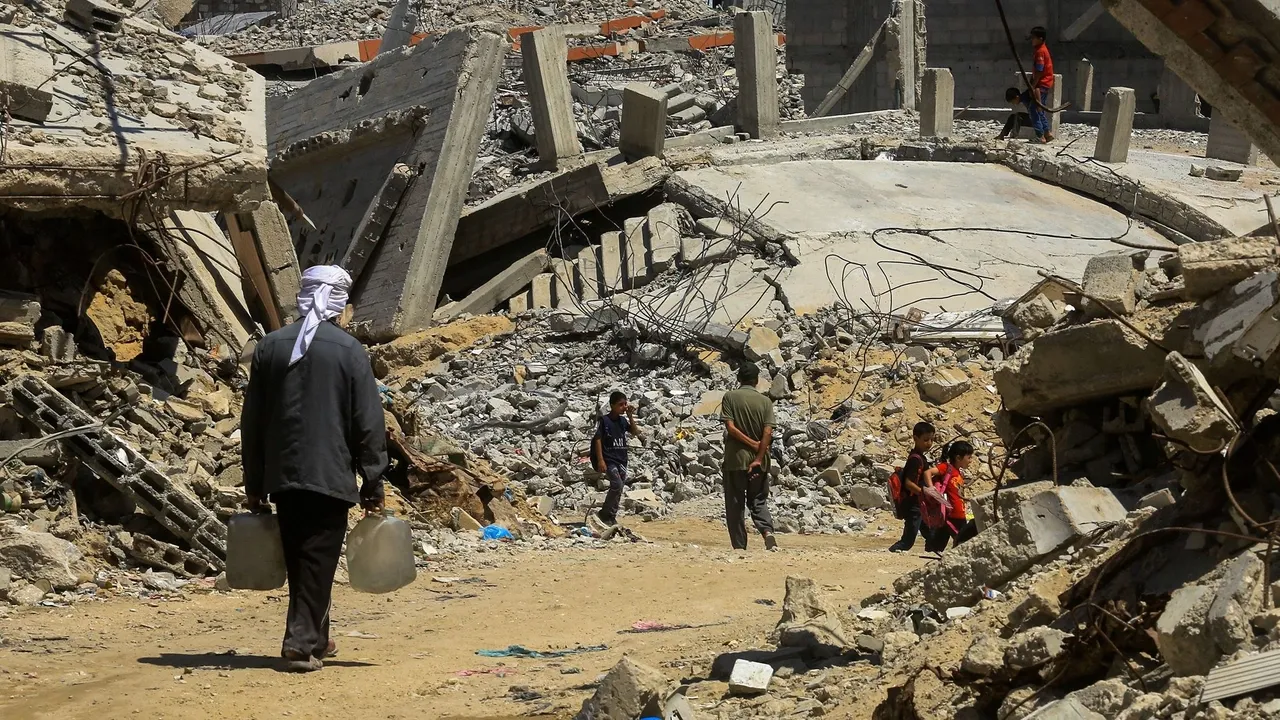
Thursday marked the 1,000th day of Israel's genocidal war on Gaza. Other conflicts have emerged in the region, and fragile ceasefires show scars of persistent attacks.
The fate of over 2 million Palestinians in besieged Gaza, largely displaced and living amid ruins, remains uncertain. Israeli forces occupied over half of the territory under the ceasefire that took effect on October 10, but Israel's government has expanded that and says it aims to hold 70 percent.
Few people can get in or out. Further ceasefire steps, including Palestinian resistance group Hamas's disarmament and the immense task of reconstruction, have stalled.
“Much more needs to be done so that even a semblance of normality can come back, and we are far, far away from this,” the International Committee of the Red Cross regional director, Nicolas von Arx, said this week.
Here’s a look at what has happened over the 1,000 days and what may lie ahead.
Palestinians are still being killed
Israeli strikes have lessened since the ceasefire took effect, but they continue almost daily.
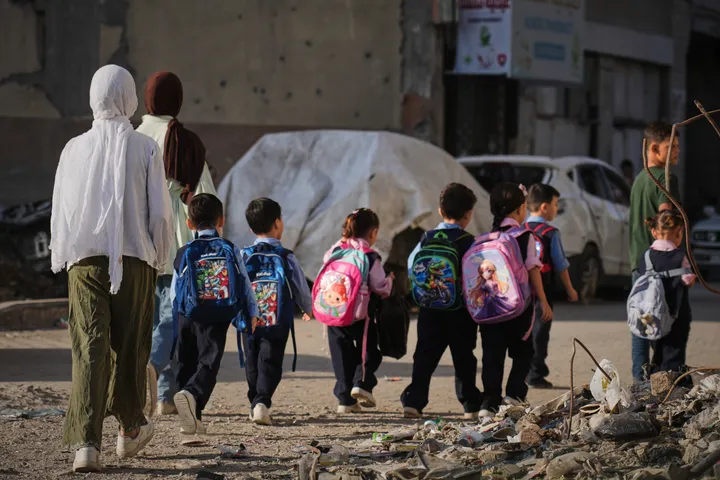
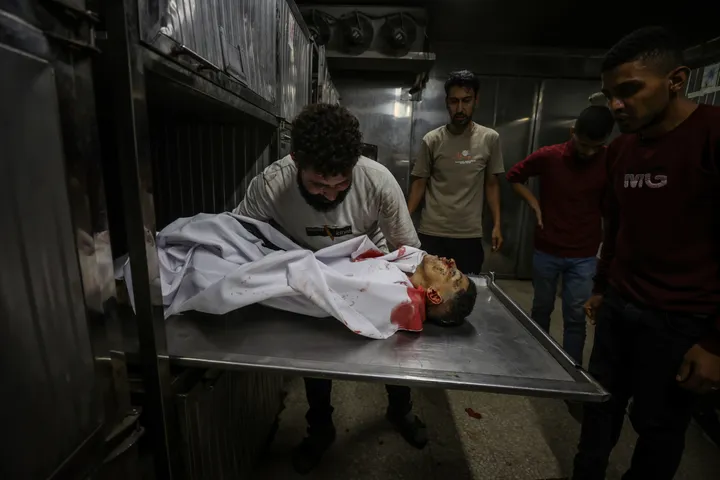
The Palestinian Health Ministry in Gaza counted 1,053 Palestinians killed since the ceasefire as of Tuesday, including over 350 women and children. In recent days, they included a teenage girl on her way to school and a mother with her 1-year-old daughter.
The ministry said over 3,400 people have been wounded since the ceasefire.
The United Nations on Wednesday warned that Israel’s expanding occupation in Gaza increases deadly risks for civilians in “areas lacking clear demarcation on the ground."
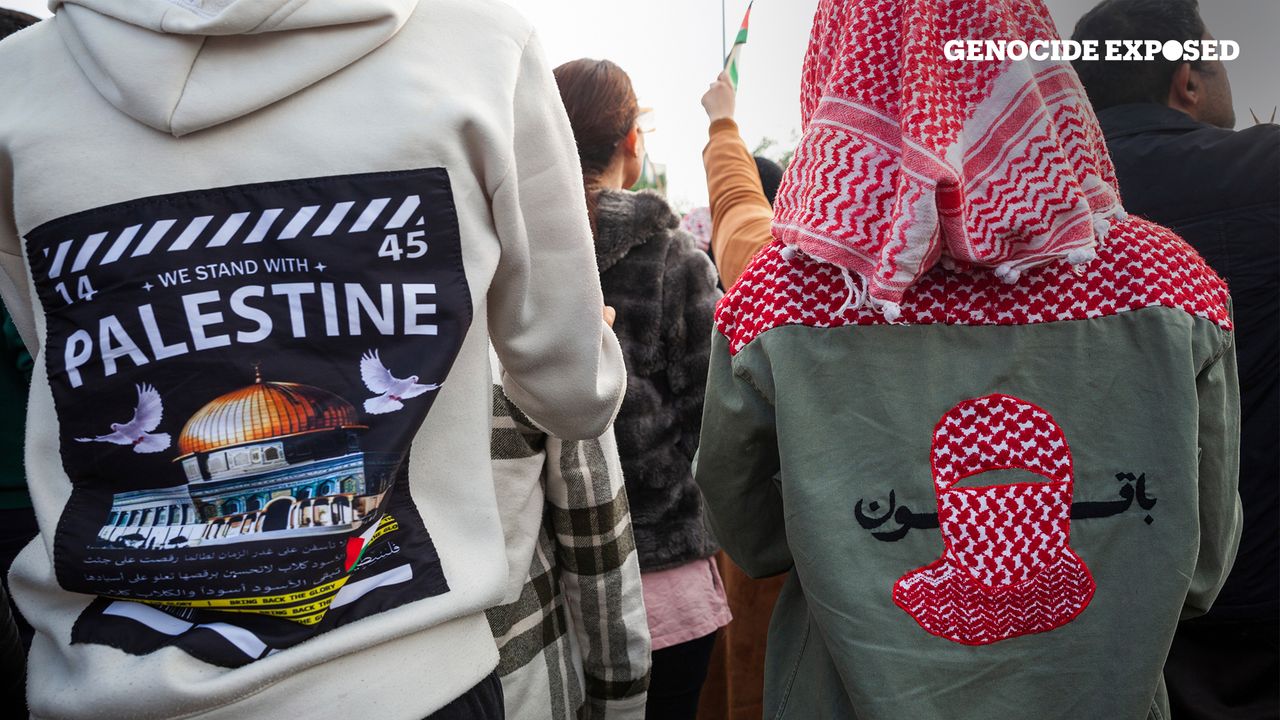
On October 7 2023, Hamas-led Palestinian resistance groups conducted “Operation Al Aqsa Flood” in southern Israel. The blitz killed about 1,200 Israelis and took 251 hostage. All hostages or their remains have been freed or handed over.
Israel’s ensuing genocidal war has killed a total of 73,066 Palestinians as of Tuesday, according to the Palestinian Health Ministry.
The Board of Peace has made little progress
The top diplomat overseeing the ceasefire, Nickolay Mladenov, has made it clear: The next steps in implementing the US-brokered deal are stalled over the issue of Hamas disarming.
This has been a high-profile test of the Board of Peace created and led by US President Donald Trump. Launched with fanfare and billions of dollars in international pledges earlier this year with the sole aim of Gaza’s recovery from war, the board now says little publicly.
Hamas has not outright rejected disarming, but insists Israel must first honour its own commitments under the agreement, including withdrawing from Gaza rather than expanding its occupation under the pretext of the "Yellow Line" and halting the daily killings that have continued even under the ceasefire.



The Gaza deal envisages a new administration for the territory and the deployment of an international stabilisation force to assist with security and reconstruction. Hamas says disarmament can only follow those steps.
A divided Israel faces an election
Over the past 1,000 days, Israel went to war far beyond Gaza, triggering conflicts with Hezbollah in Lebanon, the Houthis in Yemen and Iran, all of whom attacked Israel saying they acted in solidarity with Palestinians.
Prime Minister Benjamin Netanyahu pressed Trump to jointly attack Iran on February 28. That revived the conflict in Lebanon, where Israeli forces have advanced to their deepest point in over a quarter-century. None of these fronts has completely calmed.
These conflicts and their toll — including mounting deaths for Israeli soldiers, continuing attacks along Israel's border with Lebanon and international allegations of genocide in Gaza — are weighing on Israelis and the national mood as Netanyahu seeks reelection this fall.
Over 60 percent of Israelis think he shouldn't run again, according to a poll by the Israel Democracy Institute published last month. Anger has been high over the security failures before October 7, the lack of a state commission of inquiry to investigate them and unpopular exemptions from military service granted to Netanyahu's ultra-Orthodox governing partners.
Gaza's in rubble as humanitarian aid still faces obstacles
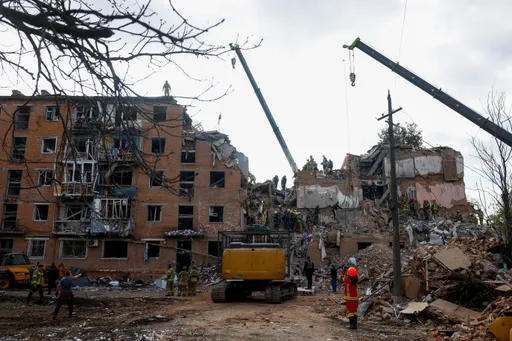
Palestinians in Gaza say they are near their limit. Sheltering in vast tent camps with basic if any utilities, or in the skeletons of bombed-out buildings, they continue to live amid the hum of Israeli drones and the daily threat of strikes.
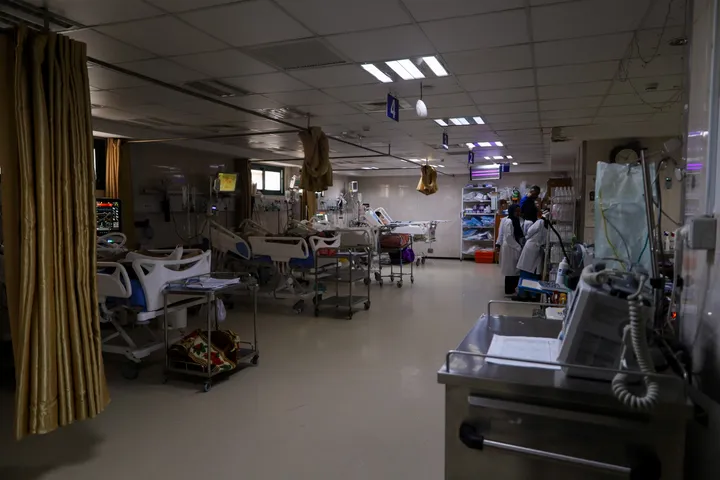
The ceasefire was meant to bring a surge in humanitarian aid like medicines and fuel. Aid groups and others say that has not happened. All of Gaza’s border crossings remain under Israel’s tight restrictions, and at times they have closed completely. The UN last month said 17 hospitals are still not functional.
“Cumbersome" Israeli approvals and customs procedures limit crucial supplies, UN humanitarian chief Tom Fletcher said last month, adding that even prosthetic limbs have been affected by concerns about having a potential "dual” use as weapons.
Famine was declared in Gaza City last August, but food security experts later said there were “notable improvements” after the ceasefire. The Israeli military body responsible for coordinating civilian affairs in Gaza, COGAT, claimed on Wednesday that “the quantities of food that are being brought in far exceed the nutritional needs of the Gazan civilian population.”
“We had everything before the war,” said Mahmoud Ashour, a 33-year-old shop owner in Khan Younis. ”And now we’re just craving a bite to eat."
Gaza remains buried under rubble and despair. Palestinians continue to wait — not just for food and medicine, but for a credible path to reconstruction, shelter and the restoration of a dignified life that 1,000 days of relentless Israeli bombardment have systematically destroyed.