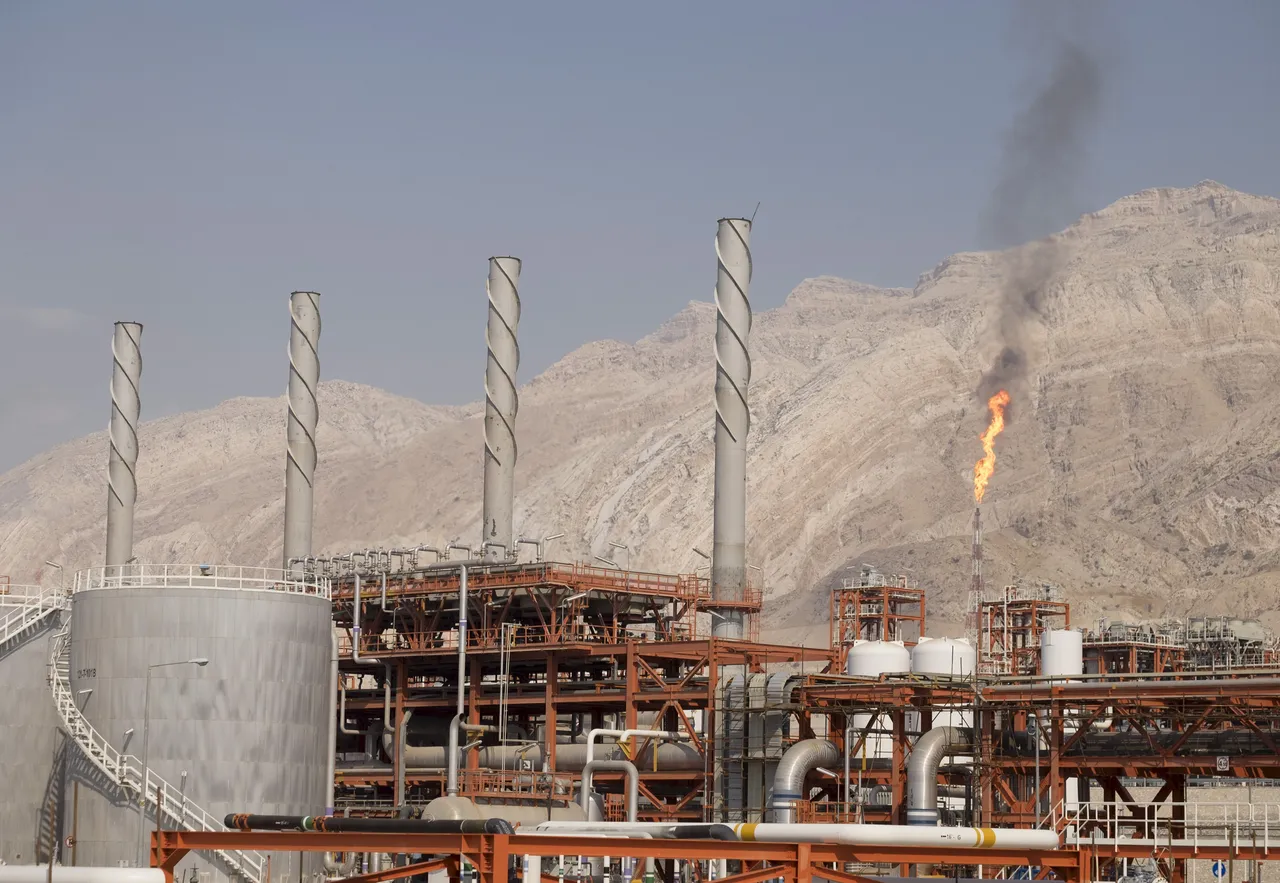
Iran has stepped up its retaliatory strikes in the Gulf, directing missile and drone strikes at energy facilities in Saudi Arabia, the UAE, Qatar and Kuwait in response to Israeli attacks on its South Pars gasfield, one of the world’s largest reserves of natural gas.
Wednesday’s attacks mark the first direct targeting of Iran’s fossil fuel production since the conflict escalated on February 28 and threaten to further destabilise the region.
Iran’s Revolutionary Guards announced that counterstrikes would hit Saudi and UAE refineries as well as Qatar’s Ras Laffan liquefied natural gas (LNG) complex “in the coming hours,” urging citizens, residents and workers to evacuate affected areas.
Iranian officials framed the attacks as a response to Israel’s targeting of South Pars, widely reported in Israeli media to have occurred with the consent of the United States.
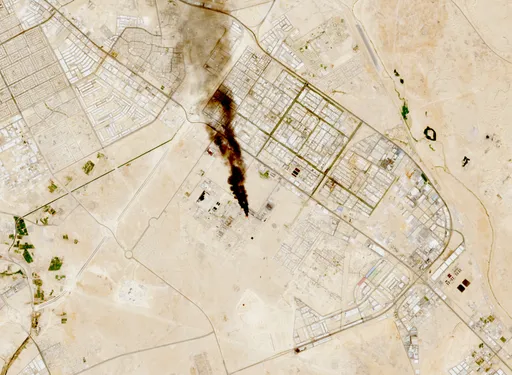
Iran’s strikes, part of a broader campaign including attacks on Iraq’s Majnoon oilfield and the UAE’s Shah gasfield and the Fujairah port, have already caused fires and operational disruptions.
Qatar reported on Wednesday that three fires broke out at the Ras Laffan LNG facility, later contained without injuries, while authorities in Abu Dhabi temporarily shut down the Habshan gasfield and Bab oilfield after falling debris from intercepted missiles.
Saudi Arabia intercepted multiple ballistic missiles and a drone targeting eastern gas facilities, and further strikes were reported toward Riyadh. Attacks on Kuwait and Bahrain have also been recorded.
Iran’s attacks have also endangered maritime traffic. A ship burned off the UAE coast and another was damaged near Qatar, highlighting the continued threat to vessels navigating the Strait of Hormuz, a critical passage for a fifth of the world’s oil shipments.
While Iran insists the waterway remains open, transit has slowed significantly, with more than 20 vessels reportedly attacked since the start of the conflict.
‘Knew nothing’
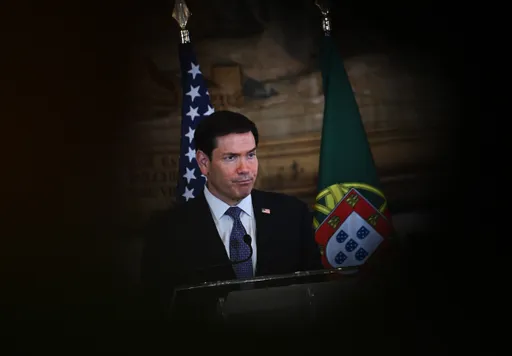
President Donald Trump said on Wednesday via Truth Social that the United States had known “nothing” about Israel’s attack on the South Pars gas field and that Qatar was “in no way, shape, or form, involved with it.”
The US leader described Iran’s subsequent strike on Qatar’s Ras Laffan LNG facility as “unjustifiable and unfair.”
He further stated that Israel would halt attacks on South Pars, but warned that if Iran continued to target Qatar’s LNG facilities, the US would respond directly.
“In which instance the United States of America, with or without the help or consent of Israel, will massively blow up the entirety of the South Pars Gas Field at an amount of strength and power that Iran has never seen or witnessed before.”
Israeli officials did not immediately issue a response to Trump’s statements.
Iran’s attacks could backfire ‘politically and morally’


Qatar, the world’s second-largest LNG exporter, on Thursday condemned the Iranian missile strike on Ras Laffan as a “direct threat” to national security.
Its Ministry of Foreign Affairs expelled Iranian security and military attaches within 24 hours, labeling them “persona non grata,” and confirmed that the fires caused by the attack were contained without injuries.
Qatar’s Emir Sheikh Tamim bin Hamad Al Thani spoke with French President Emmanuel Macron on Thursday, with both leaders describing Iran’s actions as a “dangerous escalation” that threatens regional stability and the security of global energy supplies.
On Wednesday, the UAE reported incidents at its Habshan gasfield and Bab oilfield caused by falling debris from intercepted missiles, leading to temporary shutdowns of facilities. No casualties were reported, according to the Abu Dhabi Media Office.
On the same day, Saudi Arabia said it had intercepted and destroyed four ballistic missiles aimed at Riyadh and prevented a drone attack on an eastern gas facility.
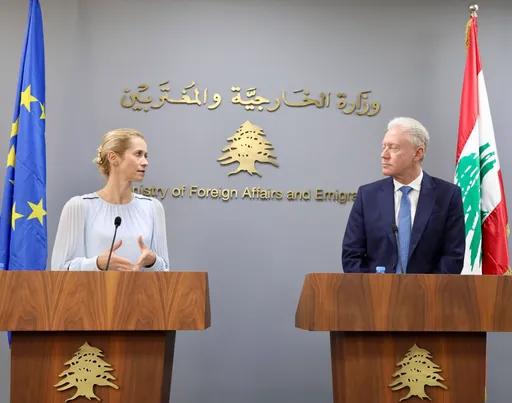
Speaking after a meeting with foreign ministers from 12 Muslim-majority countries in Riyadh on Wednesday, Saudi Foreign Minister Prince Faisal bin Farhan Al Saud warned Iran that continued attacks could “backfire politically and morally” and urged Tehran to “recalculate” its strategy.
In a joint statement on Thursday, the foreign ministers of Türkiye, Azerbaijan, Bahrain, Egypt, Jordan, Kuwait, Lebanon, Pakistan, Qatar, Saudi Arabia, Syria, and the United Arab Emirates strongly condemned Iran’s “deliberate” missile and drone strikes on neighboring countries.
They said the attacks targeted civilian areas and infrastructure, cannot be justified under any circumstances, and called on Iran to halt its aggression immediately.
The ministers reaffirmed that states have the right to defend themselves under Article 51 of the UN Charter while emphasising the need for diplomacy to de-escalate the situation.
Impact on markets
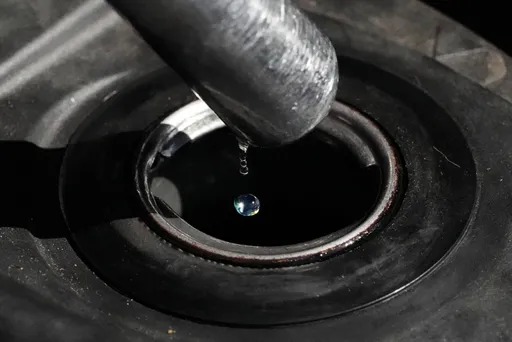
The conflict has sent oil and gas prices soaring. Brent crude rose above $110 a barrel, up more than 50 percent since Israel and the US began strikes on Iran on February 28, while Europe’s gas benchmark jumped more than 7.5 percent to over €55 per megawatt hour.
Daily exports from the Gulf have fallen by at least 60 percent from prewar levels, reflecting both direct damage to energy infrastructure and Iran’s control over the Strait of Hormuz.
The attacks also put Iran’s own electricity grid at risk.
About 80 percent of Iran’s power is generated from natural gas, which also supplies household heating and cooking.
Experts warn that sustained strikes on South Pars could aggravate domestic shortages and heighten the humanitarian impact of the war.