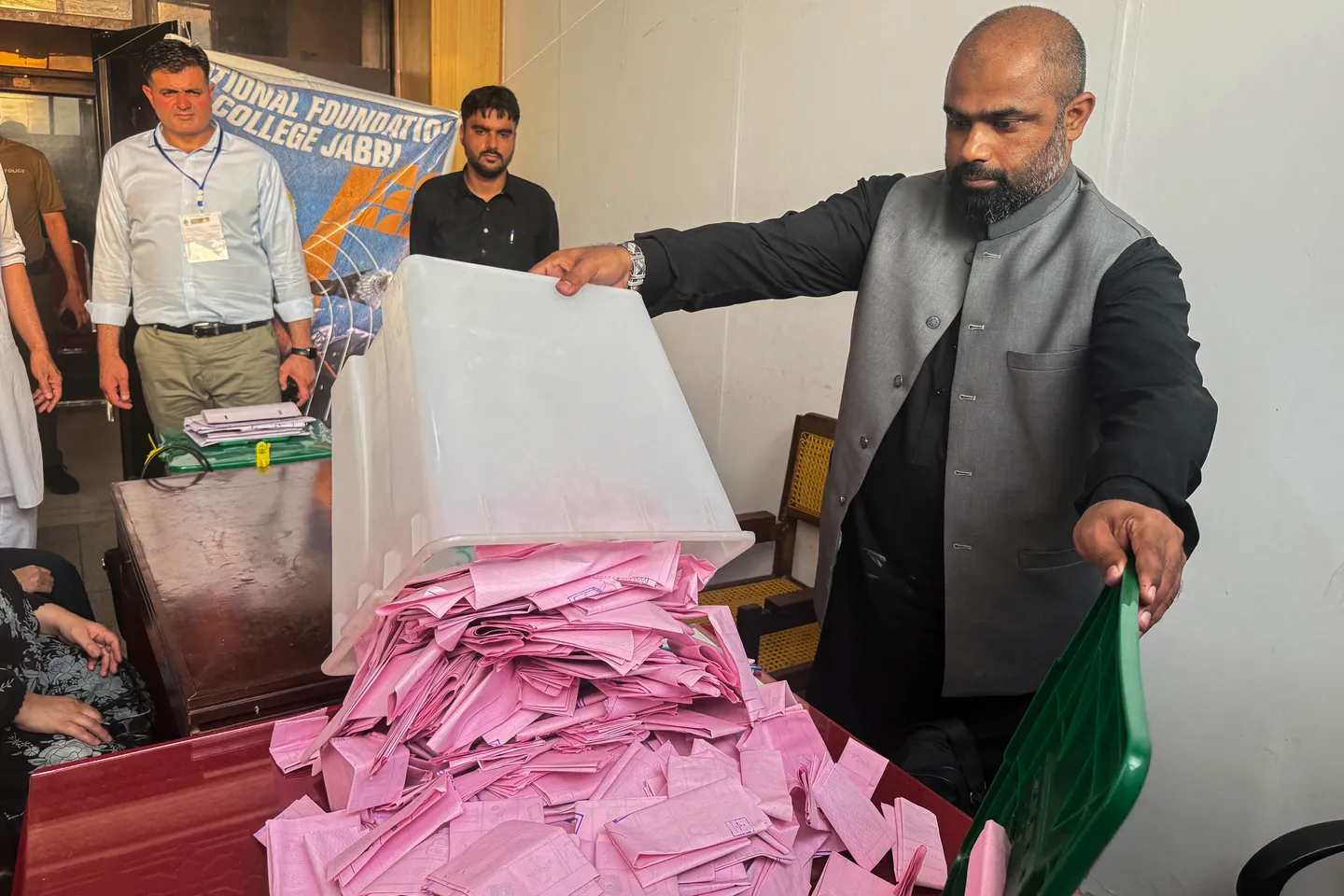
Pakistan-administered Kashmir has concluded the first round of its Legislative Assembly elections under the shadow of weeks of protests, as authorities enforce tight security and conduct voting in three phases.
The assembly election is taking place on July 27, August 2 and August 10 after election authorities said the staggered schedule would help ensure security and improve the management of the electoral process.
The first phase of voting covered 13 constituencies in Mirpur Division, including the districts of Mirpur, Kotli and Bhimber, where more than 1.4 million eligible voters were expected to cast their ballots out of 3.8 million residents.
The election — which takes place once every five years — will decide 45 directly elected members of the Legislative Assembly, while 8 additional reserved seats will later be allocated.
A total of 296 candidates are contesting the first phase, representing parties including the Pakistan Muslim League-Nawaz (PML-N), Pakistan Peoples Party (PPP), Istehkam-e-Pakistan Party (IPP), as well as independent candidates.
The result is being closely watched as a key political test for Pakistan's mainstream parties midway through the federal government's term, while former Prime Minister Imran Khan’s Pakistan Tehreek-e-Insaf (PTI) is boycotting the election.
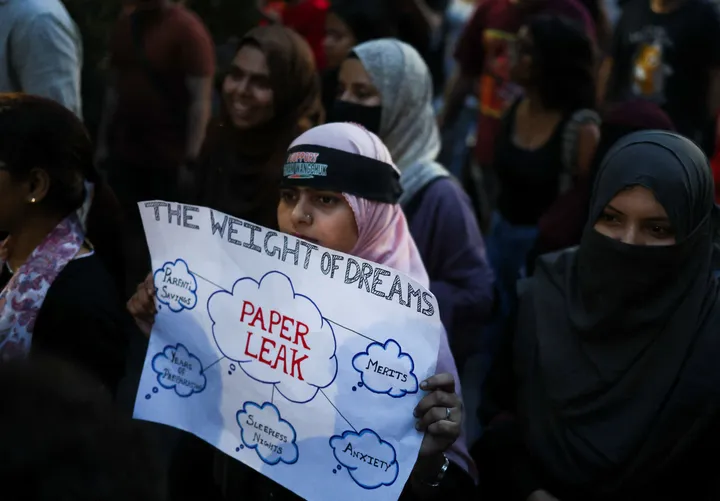

Regional police chief Liaquat Ali Malik told reporters on Monday that some 20,000 police personnel were deployed to keep order during the polling.
Protests amid tense times
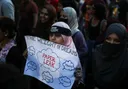
The election campaign has been overshadowed by widespread protests, which started over the issue of special subsidies that Islamabad gives to the region.
The demonstrations have intensified since early June, with repeated clashes between protesters and security forces leaving around 40 people dead.
Police on Tuesday said violent incidents, including attacks on law enforcement personnel and acts of arson, were aimed at sabotaging the successful electoral process after a police officer was killed during the unrest.
Pakistan is also facing unprecedented deadly terror attacks from the western border with Afghanistan, straining relations with the Taliban government and prompting Islamabad to strike deep terror hideouts inside Afghanistan.