Kazim Alam
The homepage of the UN Security Council (UNSC) website features an image of US First Lady Melania Trump presiding over a meeting held 12 days ago.
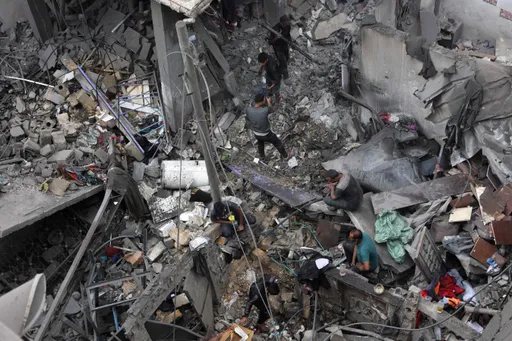
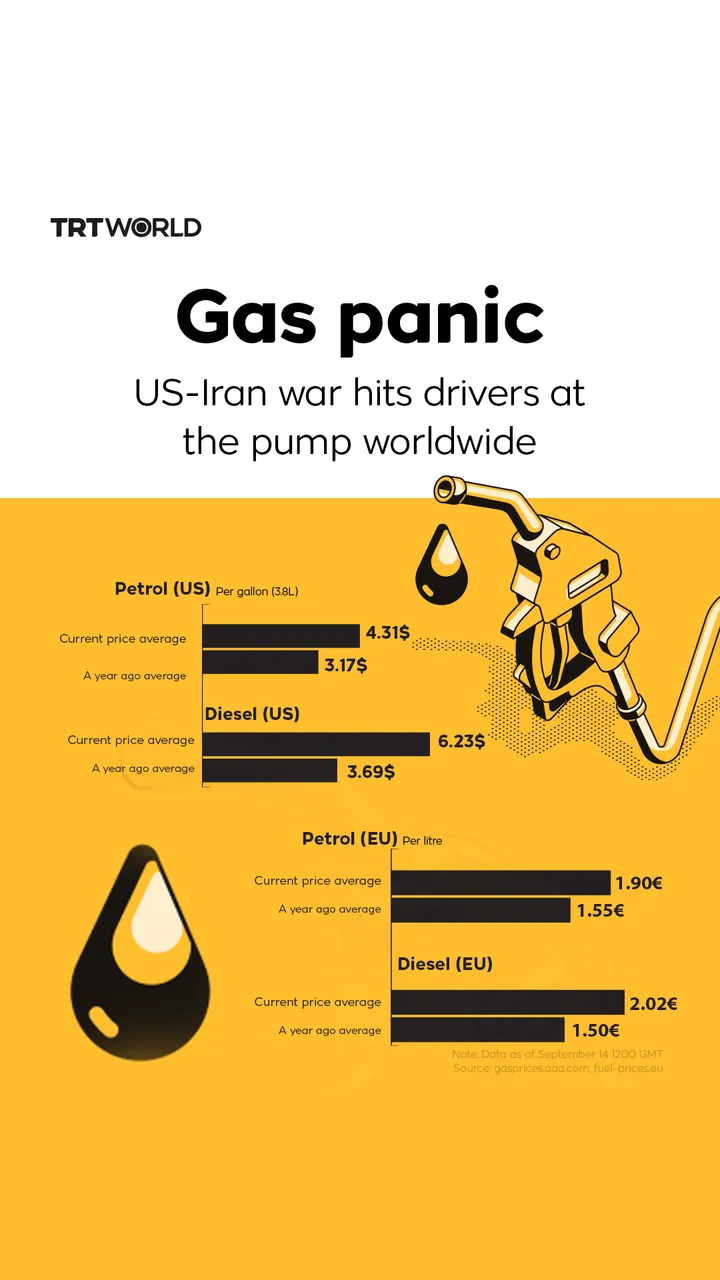
In the interceding time, the US-Israeli forces have bombed and killed over 1,300 Iranians, including 160 schoolgirls, and displaced 3.2 million people. At the same time, Tehran has fired missiles at almost all neighbouring countries, while Israel has killed more than 600 people in Lebanon and displaced another 800,000.
The snapshot from March 1 – still appearing right and centre on the website of the UN body responsible for maintaining international peace – is a stark reminder of the inaction and paralysis that have gripped the institution for decades.
Established in the aftermath of World War II, the UNSC holds a solemn mandate: to prevent wars through diplomacy, impose sanctions on aggressors, and authorise military action to restore stability.
Yet, the UNSC has repeatedly failed to fulfil this role in recent years by standing idly amid wars ravaging the Middle East.
Its inaction has allowed Israel to commit a genocide in Gaza. Meanwhile, the Israeli invasion of Lebanon has wreaked havoc on the country, with the UN body offering little more than rhetoric.
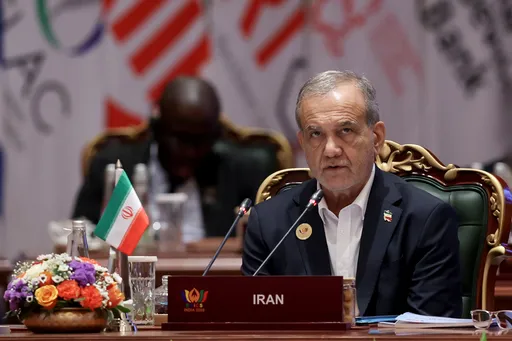
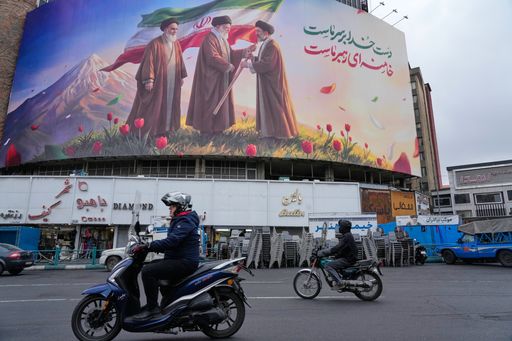
The latest example of the UNSC’s inaction is the US-Israeli war on Iran, where relentless strikes have hit the Iranian population and infrastructure, while drawing nearly all neighbouring countries into a military conflict.
All the while, the UNSC has barely lifted a finger to curb the frenzy of war.
“The UNSC has been failing for a long time, perhaps since the invasions of Iraq and Afghanistan. The UN's role has become weak and irrelevant in most global conflicts,” Ahmet Uysal, professor of political science at Istanbul University, tells TRT World.
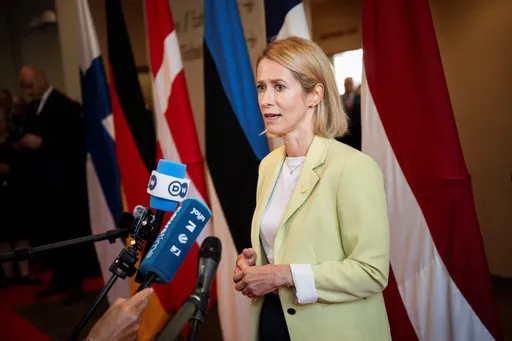
In a resolution passed on March 11, the UNSC condemned Iran’s “egregious attacks” against its regional neighbours.
At the same time, the UN body rejected a second draft tabled by Russia that sought to address the root cause of Iran’s attacks: the unprovoked US-Israeli strikes that killed more than 1,300 people, including the country’s head of state and military leadership.
Analysts say the job of the UNSC is to prevent wars, not to pass resolutions to condemn avoidable bloodshed.
“I do not expect the UN to condemn any aggression by Israel or the US towards Iran. It may instead focus more on Iranian actions,” Uysal says.
The UN’s silence highlights the “ineffectiveness and irrelevance” of the UN body as a global peacebroker, he adds.
Omair Anas, assistant professor of international relations at Ankara Yildirim Beyazit University, says that the UNSC’s apparent inaction on wars in the Middle East is deliberate.
“The UNSC is not silent. It is doing exactly the business it was conceptualised for: to protect a hegemonic world order," Anas tells TRT World.
Anas warns that even if a consensus emerges on the Iran war, it will not invoke global action to stop Israeli advances.
“Iran shouldn’t hope for a collective intervention to rescue it from the unilateral actions of the US and Israel," he says.
The UNSC was never intended to be truly inclusive or just, benefiting powers like Israel above all, Anas says.
‘Bigger than five’
At the heart of these failures lies the UNSC's structure, which is dominated by five permanent members, namely China, France, Russia, the UK, and the US, each holding veto power.
This monopoly has stifled action on conflicts involving their allies, particularly Israel.
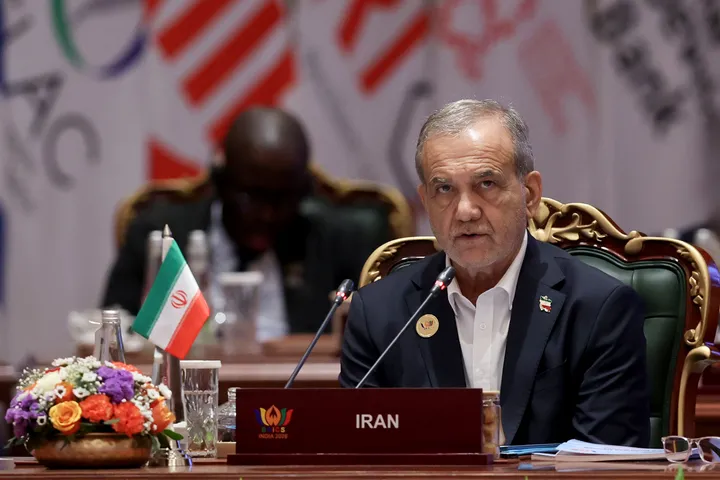
Anas says the rise of alternatives to the UN, such as the Shanghai Cooperation Organisation and BRICS, is challenging the outdated UN framework.
Among global leaders, Turkish President Recep Tayyip Erdogan has been a vocal critic of the UN’s lopsided structure that favours big powers against the rest of the countries.
His oft-quoted phrase, “The world is bigger than five,” captures the UNSC’s oligarchic structure, where the five permanent members often paralyse action on critical issues.
Erdogan’s call resonates with the Global South, which sees the UNSC as a relic of a post-World War II order that no longer reflects today’s geopolitical realities.
Uysal says the five veto-wielding countries will not act to solve problems or change the course of any conflict “unless it serves their own interests”.
“Africa is missing from UN decision-making, despite being a huge continent. Asia is largely absent, and the Muslim world has no country with veto power,” he adds.
Breaking the UN monopoly requires realistic steps, says Uysal.
He suggests that reforming the UN from within is “almost impossible” because the permanent members are content with the status quo.
Instead, Uysal advocates for a new global security system, potentially led by Muslim countries.
“The UN and other international institutions have not been useful,” he says, urging greater efforts from non-permanent members of the UNSC to promote peace in the Middle East.

Of late, alternatives like President Donald Trump’s Board of Peace initiative have also emerged as a potential way forward.
While uncertainties remain about the board’s management, the initiative reflects a recognition that the UNSC has lost its reason for existence, especially after Israel’s genocidal war on Gaza that has killed over 71,000 Palestinians since October 2023.
The UNSC has been hamstrung by vetoes, particularly from the US, resulting in largely performative condemnations of the Israeli genocide in Gaza.
“Trump's initiative is essentially an alternative to the UN,” Uysal says, noting its potential to reshape peace-making efforts.
The UNSC is not the only UN body hobbled by accusations of inaction.
For example, Israel is facing a genocide case at the International Court of Justice (ICJ), the UN’s principal judicial organ, for its war on Gaza. In 2024, the court ruled Israel’s occupation of the Palestinian territories illegal and supported Palestinians’ right to self-determination.
The ICJ has issued decisions condemning actions by Israeli Prime Minister Benjamin Netanyahu and others. Yet the body lacks the authority to compel compliance, which makes its judgments as valuable as mere moral pronouncements.
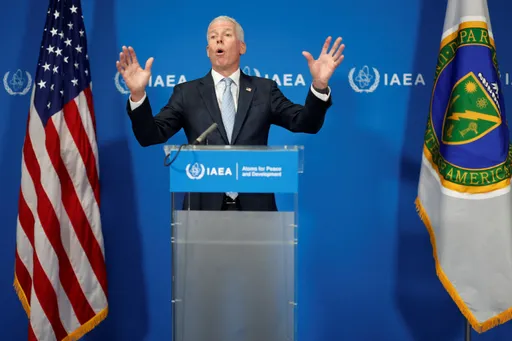
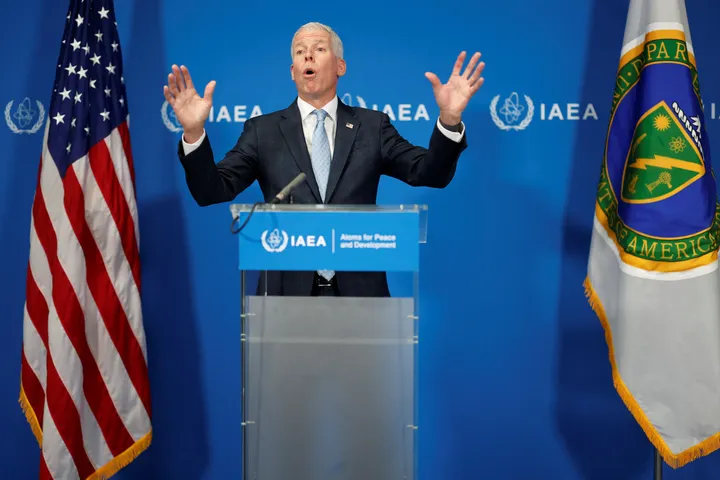
Similarly, the International Atomic Energy Agency (IAEA), a UN body tasked with ensuring global nuclear security, has routinely faced accusations of ineffectiveness.
Amid the US-Israeli war on Iran that is ostensibly aimed at destroying its uranium enrichment sites, the IAEA appears to be completely sidelined and unable to assert its authority.
Uysal highlights the necessity of “everyone abiding by the rules and charter they sign” for any alternative security or peace institution to succeed.
“However, I do not see this as very likely or probable right now,” he says.