 Sher Bahadur Anjum
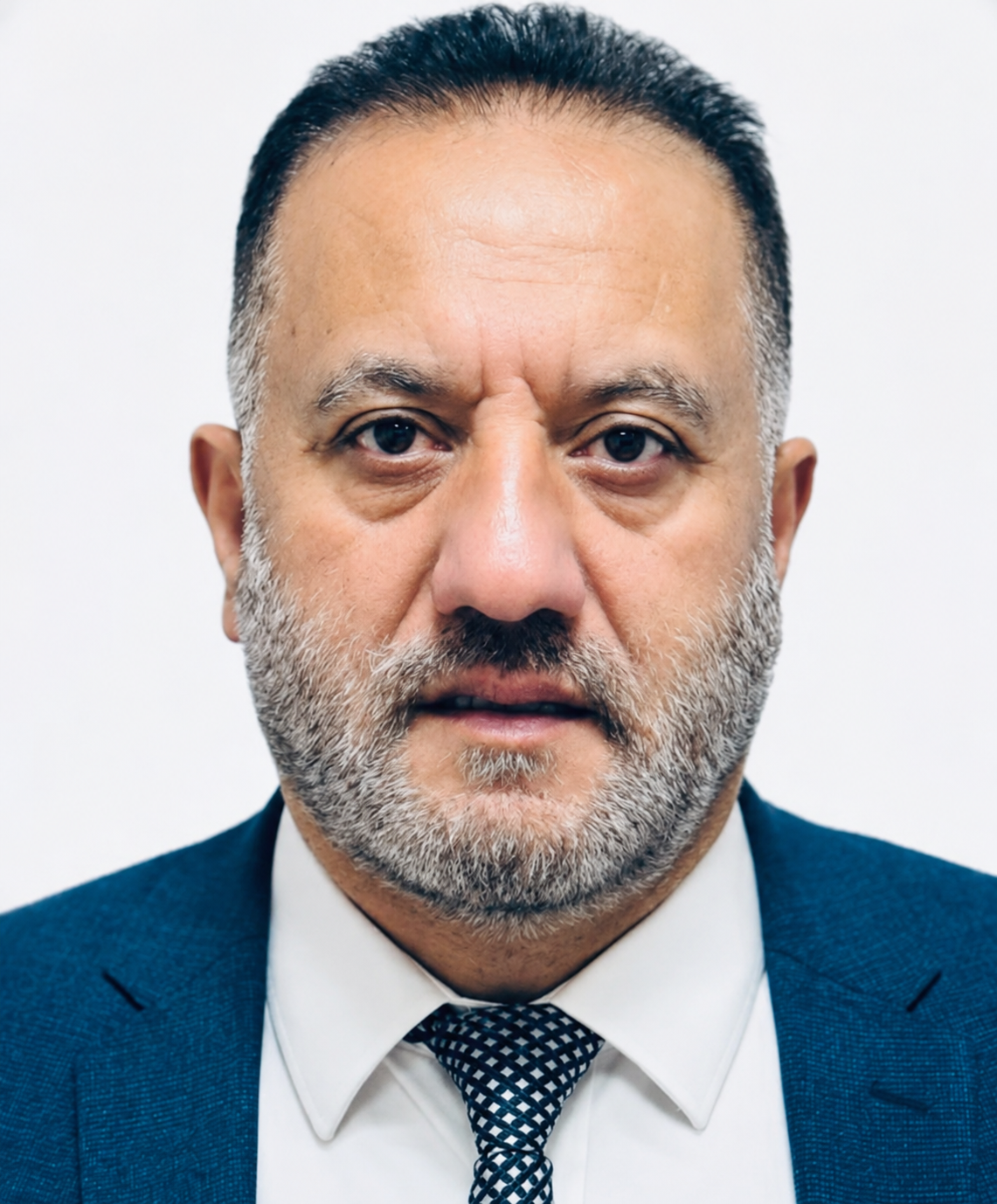
I am a paediatrician. Throughout my career, I have cared for children with life-threatening illnesses, delivered devastating diagnoses, and supported families through the most difficult moments of their lives.
But nothing prepared me for what I witnessed while caring for children in Gaza.
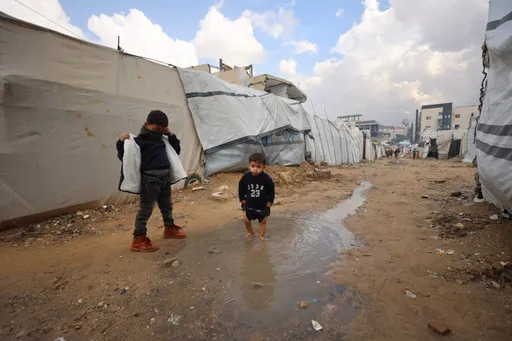
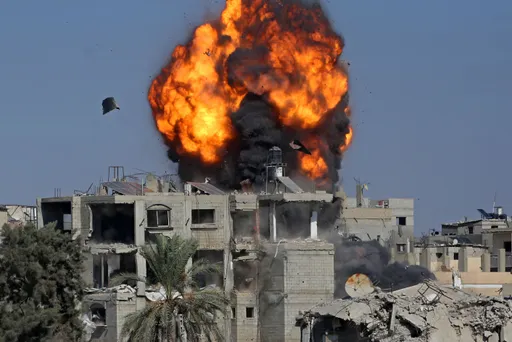
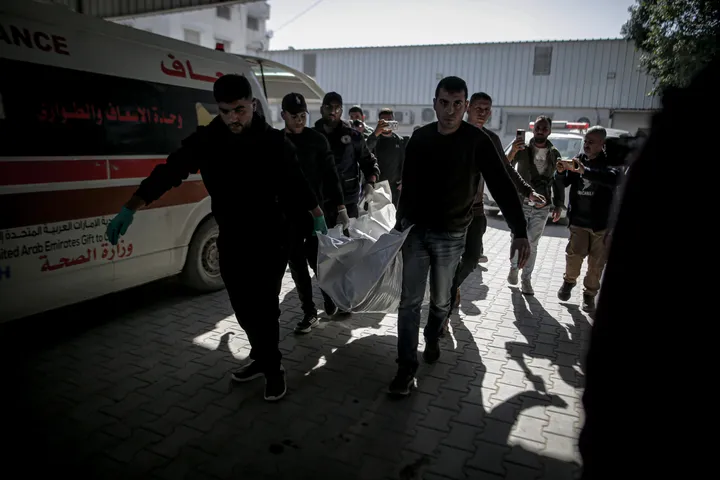
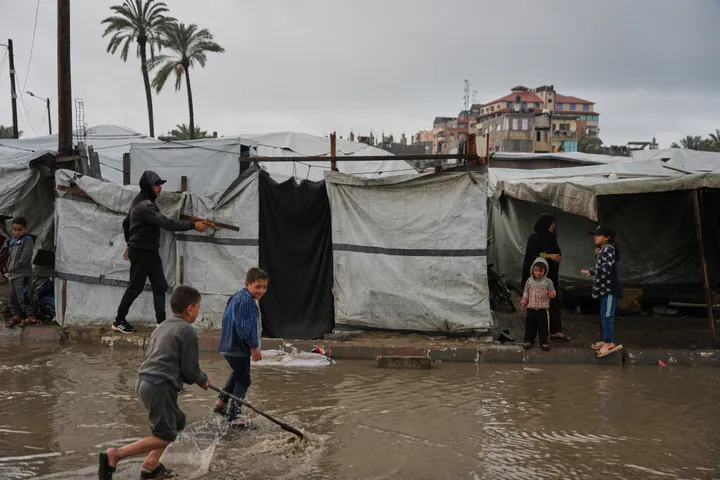
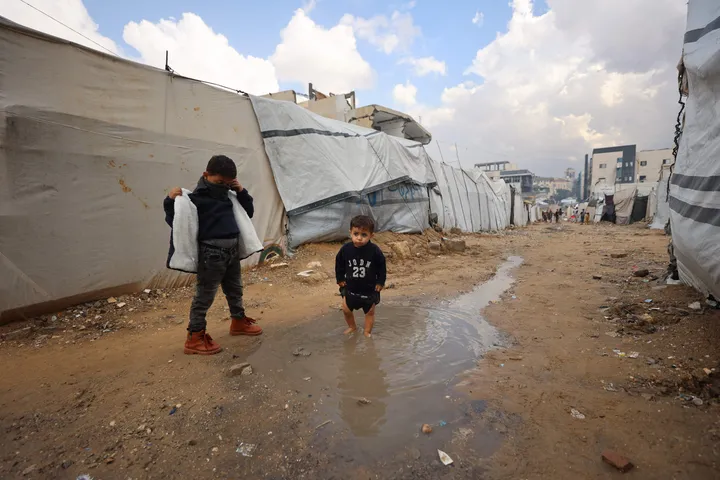
I have seen Israel’s destruction on an unimaginable scale, with families struggling without adequate shelter, clean water or food, and people eating bread mixed with grass because there was little else available.
But it is the children who stay with me. Their faces remain with me long after my shifts end.
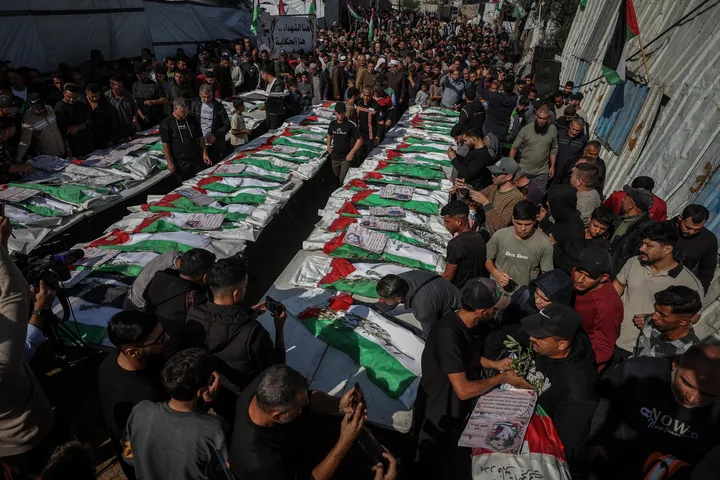
I met a seven-year-old girl walking home, holding her father’s hand and carrying bread. Before they reached home, an Israeli attack killed her father.
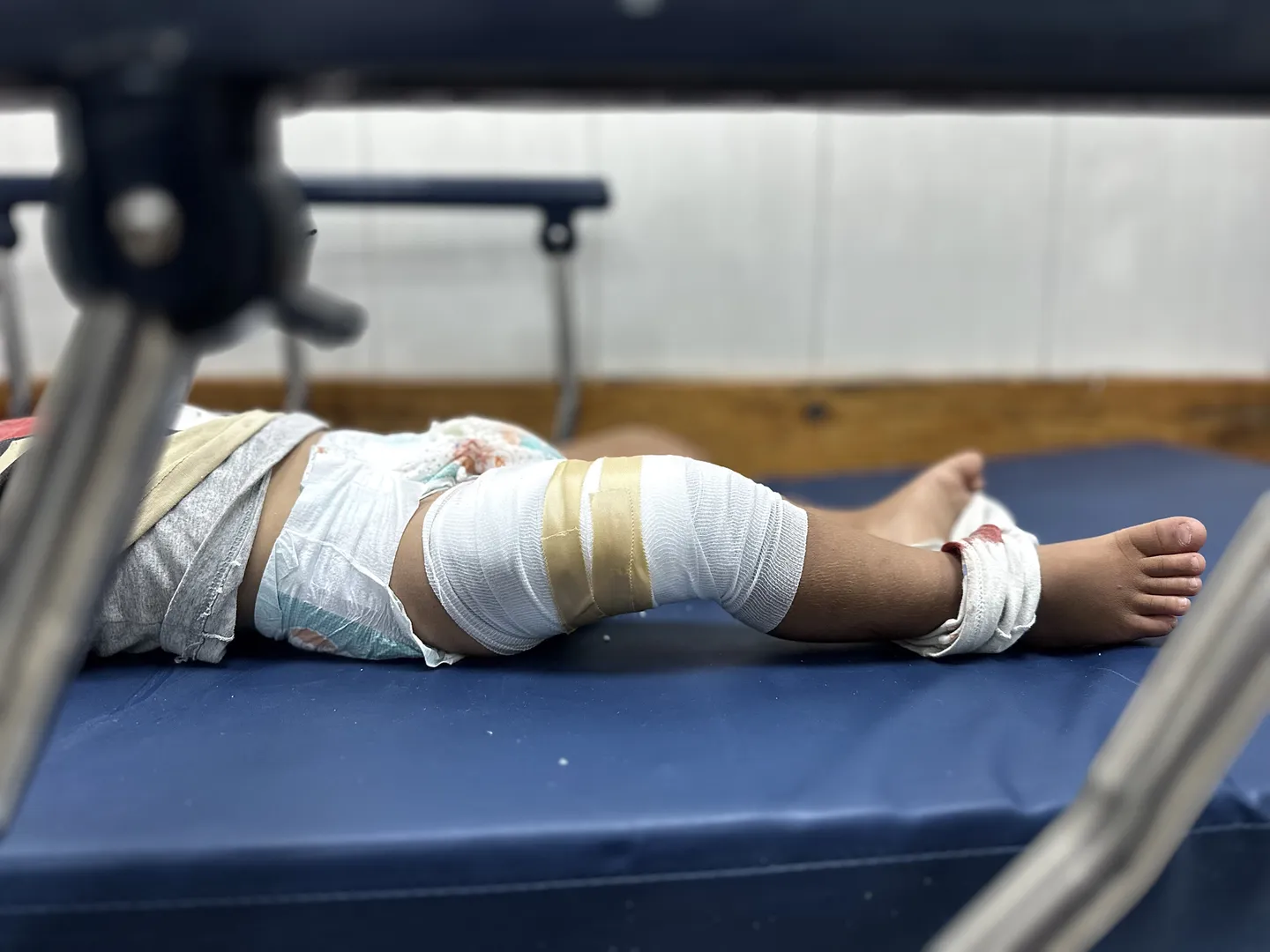
She survived with multiple injuries. Since then, she has barely spoken. At an age when children should be playing and attending school, she is carrying trauma no child should have to endure.
I have seen children clearing rubble from their destroyed homes due to Israel’s genocidal war on Gaza, young boys lifting stones larger than themselves, and barefoot children working among shattered concrete and twisted metal.
Yet, when I briefly joined some children playing football, they laughed, smiled and argued about goals. For a few precious moments, they were simply children again.
But some stories are impossible to forget.
I cared for a little girl, Maryam, aged just two and a half. Following a drone strike, she suffered burns over part of her body and witnessed her mother die. Her father had already been killed.
She had lost both parents before reaching the age of three.
Although physically stable, she barely spoke or reacted. I often wondered: Who comforts a child who wakes up searching for her mother? Who helps her feel safe again?
Another child was a four-year-old boy with lymphoma. His tumour was compressing his chest and making breathing difficult. We provided urgent treatment, and thankfully his breathing improved.
However, he needed specialist cancer treatment that was unavailable.
I remember him looking directly at me and saying, “Doctor, please save me.”
As doctors, we are trained to treat, make decisions, and do everything possible to save lives. But there is no greater helplessness than knowing a child may survive with appropriate treatment while being unable to access the resources they need.
I treated children suffering seizures when essential medicines were unavailable. I cared for critically ill children whose investigations could not be completed because laboratory supplies were lacking. I saw children in severe pain without access to appropriate pain relief.
These are not necessarily untreatable conditions. Many children need medicines, investigations, equipment and timely specialist care that already exist but remain inaccessible.
One encounter particularly affected me.
During a ward round, I spoke to a mother whose child was receiving treatment for retinoblastoma and had developed a fever. I simply asked: “Have you had your breakfast?”
She immediately burst into tears.
There was no breakfast. She was caring for her seriously ill child while struggling with hunger herself.
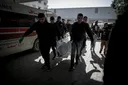
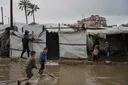
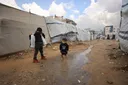
That moment reminded me that healthcare is not just about medicines and investigations. It is also about food, clean water, shelter and human dignity.
More than sympathy
Outside the hospitals, the suffering continues.
One day, while travelling between medical facilities, I saw a water tanker passing through the area. Approximately thirty children were running behind it, desperately hoping to obtain water.
They were not playing. They were running for something most of us take for granted. Water.
I also spoke to a father desperately seeking medical evacuation for his fourteen-year-old son with leukaemia, who was struggling to breathe.
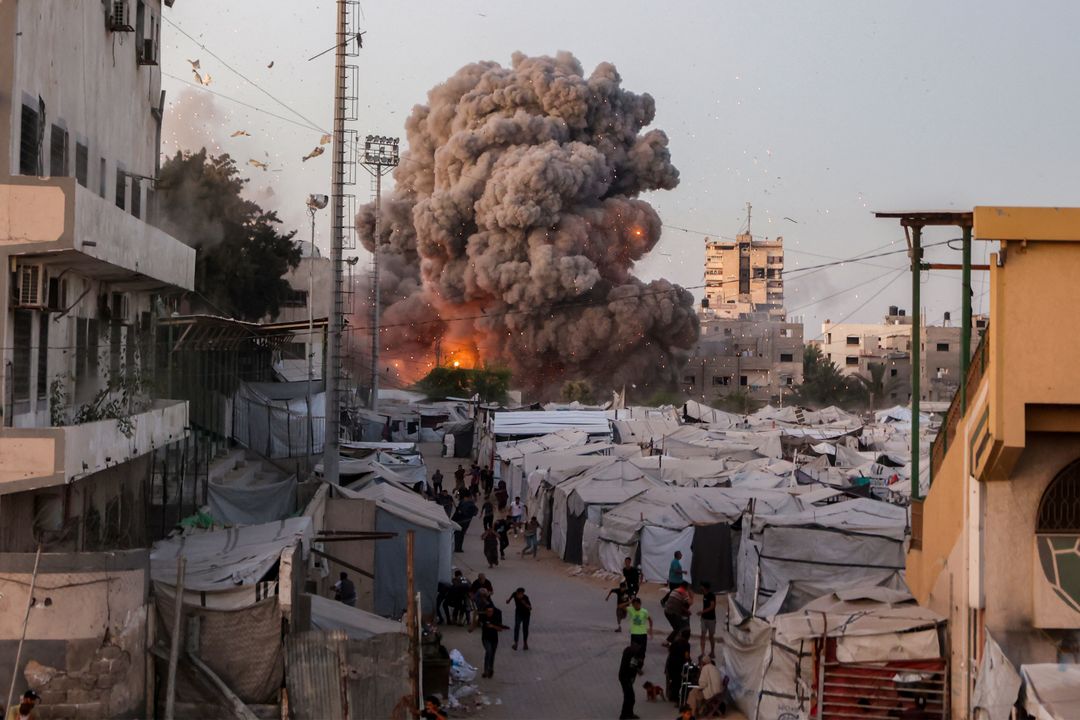
For such families, evacuation is not simply travel. It is hope. It may be the difference between life and death.
Despite everything, I witnessed extraordinary dignity and resilience. Families who had lost loved ones continued to express gratitude. People with almost nothing still offered hospitality.
Again and again, I heard: “Alhamdulillah”.
Their resilience is remarkable, but it must never become an excuse for the world to overlook their suffering.
Gaza’s children need more than sympathy.
They need essential medicines and pain relief; cancer treatment and specialist medical care; diagnostic investigations and medical equipment; and, even more importantly, adequate nutrition, clean drinking water, safe shelter, basic necessities, and timely medical evacuation for children whose treatment is unavailable locally.
I came to Gaza to care for children. I leave with memories that will remain with me for the rest of my life.
I think about the seven-year-old girl who lost her father. I think about Maryam. I think about the little boy who looked into my eyes and said, “Doctor, please save me.”
These children are not statistics, political arguments or headlines. They are children. They have names, families, dreams and futures.
Some can still be saved. Much of their suffering can still be prevented. But every hour matters. Every delay matters. Every child matters.
Please do not allow children who could have been treated, children who could have recovered and children who could have lived to be forgotten.
They deserve the same chance we would want for our own children. They deserve the chance to live. They deserve the chance to heal. They deserve a future.
And they need our help now.
Some identifying patient details have been altered to protect confidentiality.