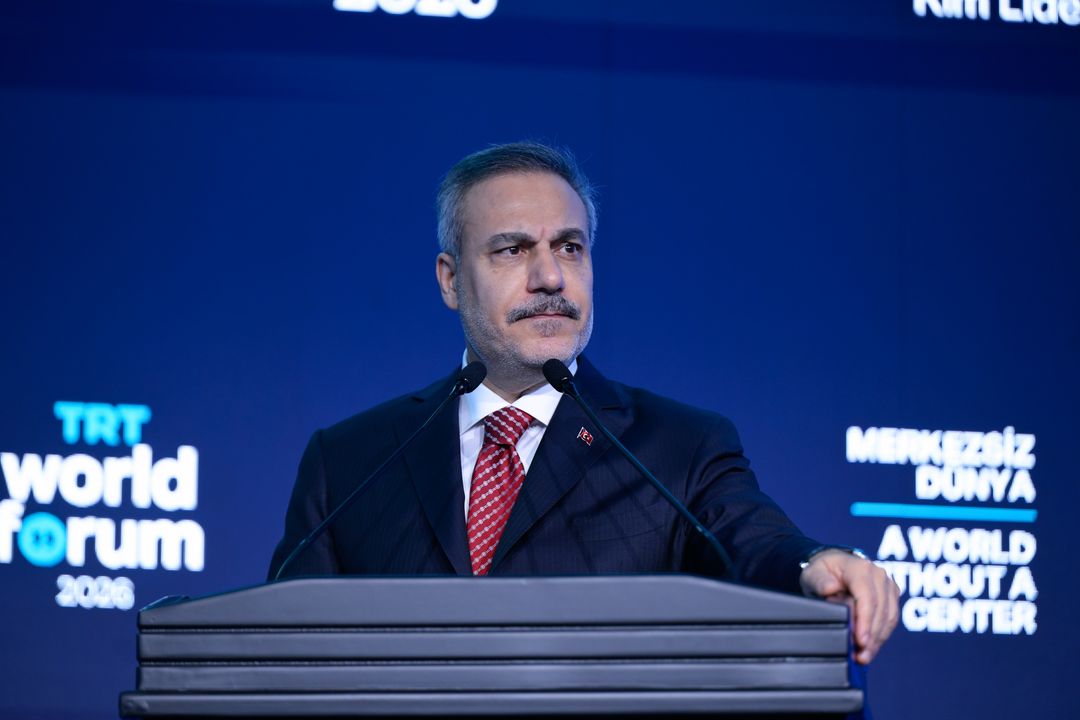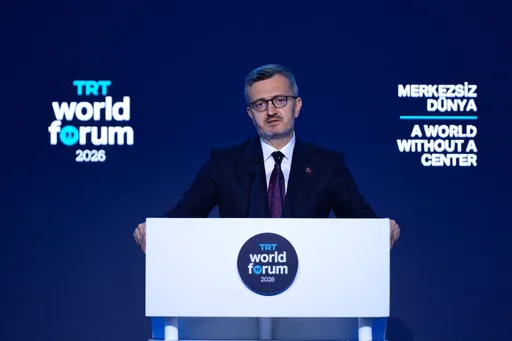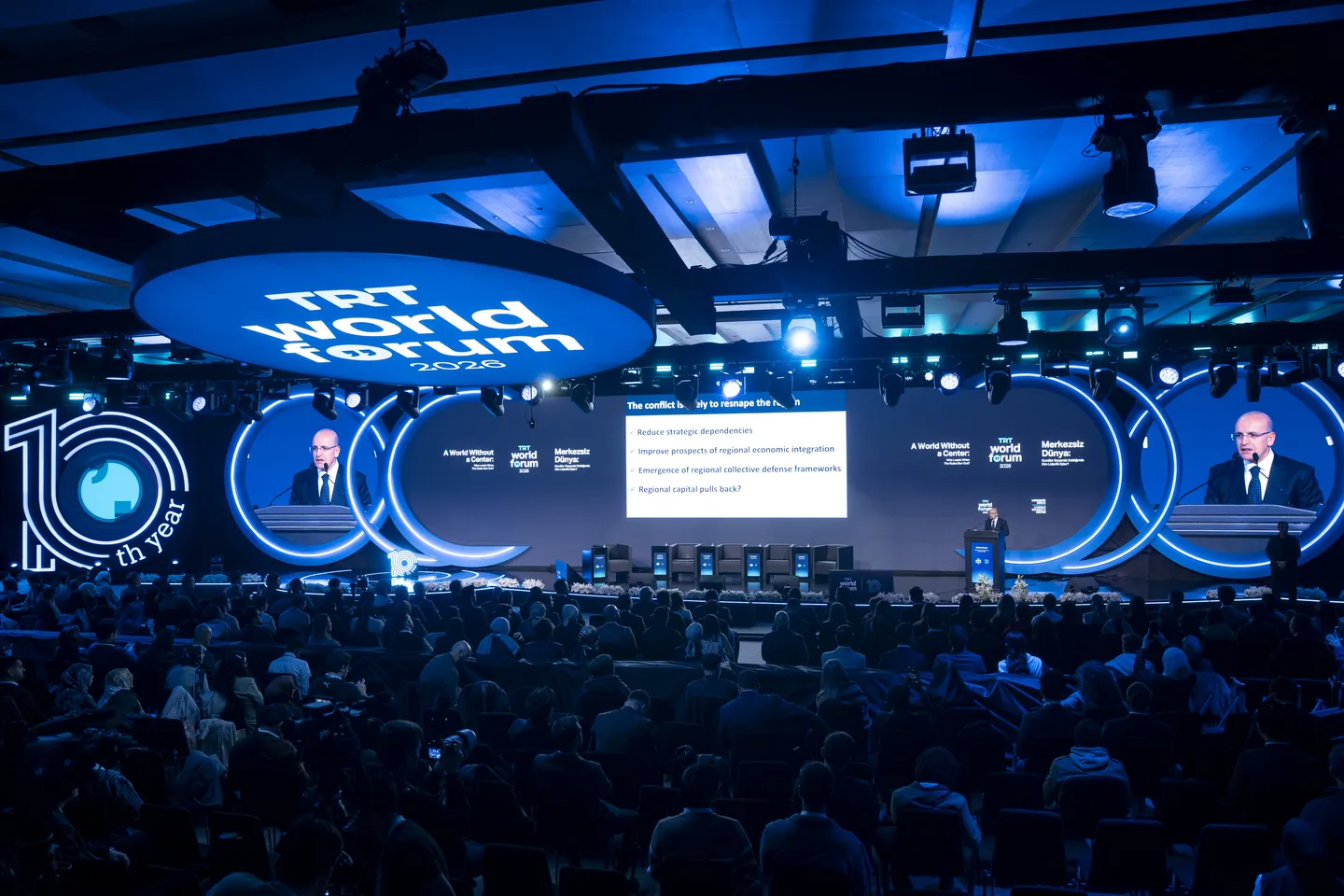
The economic impact of conflicts in the Middle East, funding for post-war reconstruction, uncertainties in global markets and risks to financial stability were among the key issues discussed at a session of the TRT World Forum 2026 in Istanbul.
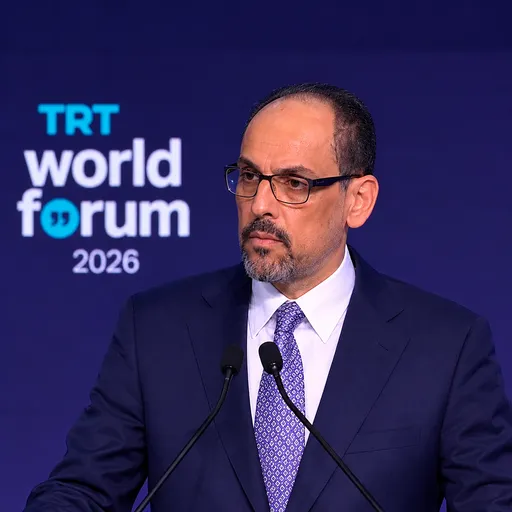
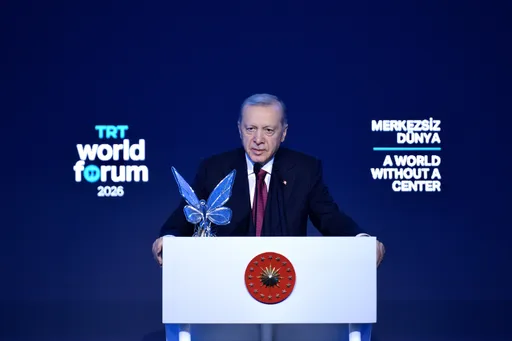
The 10th edition of the forum, held at the Istanbul Congress Centre under the theme A World Without a Center: Who Leads When the Rules Run Out?, featured a panel titled Towards a Rocky Recovery: National Economies After the Wars in the Middle East on Saturday.
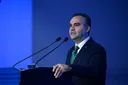
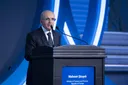
Moderated by Auskar Surbakti, the panel brought together former Organisation for Economic Co-operation and Development (OECD) Secretary-General Angel Gurria, European Policy Centre Chief Executive and Chief Economist Fabian Zuleeg, Steve Keen, an honorary professor at University College London, and Lebanese Deputy Prime Minister Tarek Mitri.
Mitri said Israel's occupation of Lebanese territory was continuing and that attacks had rendered numerous villages uninhabitable.
He identified the plight of displaced people as one of Lebanon's most pressing challenges, stressing that infrastructure must be repaired to enable them to return home and rebuild their lives.
Mitri said that however devastating these conflicts may have been for us and however much they may have divided our society, recovery and rebuilding are always possible.
Reconstruction
Former OECD Secretary-General Gurria highlighted the enormous costs involved in rebuilding countries devastated by conflict.
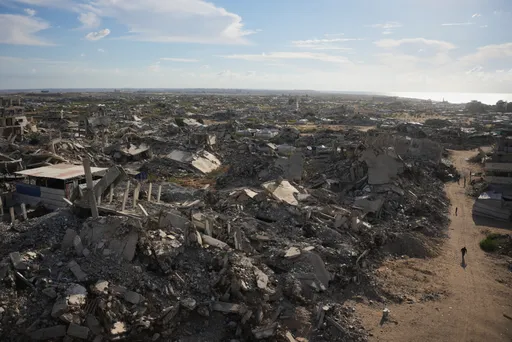
He estimated that Lebanon would need approximately $20 billion for reconstruction, while Gaza would require at least $75 billion and Syria roughly three times that amount.
He stressed that the financial burden could not be shouldered by a single country or institution.
Gurria said the reconstruction effort would require contributions from multilateral and regional development banks, as well as the US, the EU, Gulf countries and national governments.
Emphasising the importance of sharing financial risks, he said Gulf capital could play a particularly significant role in financing the region's recovery.
Energy prices in Europe
Fabian Zuleeg said the impact of instability in the Middle East on global markets and trade would depend largely on how long the conflicts continued.
He noted that energy prices were already creating economic challenges in Europe. Although energy supply restrictions had not yet emerged, prolonged instability could eventually lead to supply shortages.
Zuleeg also pointed to the risks posed by sluggish economic growth, high inflation and disruptions to trade routes. He said developments in the Middle East and the Russia-Ukraine war were reshaping Europe's economic and security policies.
Financial stability
University College London Honorary Professor Steve Keen argued that the global economy places excessive emphasis on public debt, while private-sector borrowing is one of the main underlying drivers of financial instability.
Keen said the ratio of public debt to gross domestic product (GDP) had risen from 63 percent to 75 percent over the past 70 years, while the private-sector debt-to-GDP ratio had surged from 55 percent to 155 percent
He argued that conventional economic policies had largely overlooked the growing risks associated with private-sector debt.
Keen added that speculative activities in the private financial sector and its financing of the military-industrial sector also pose significant risks to the global economy.