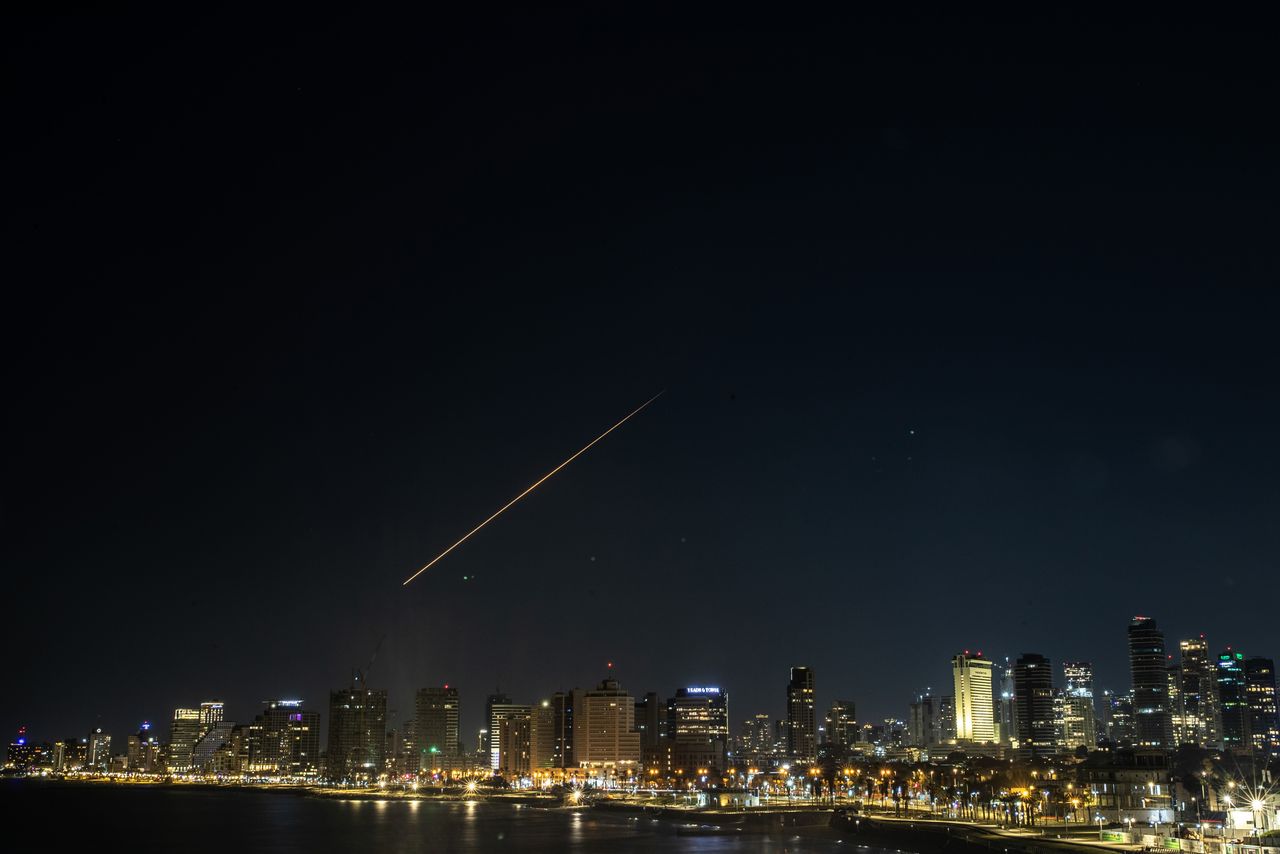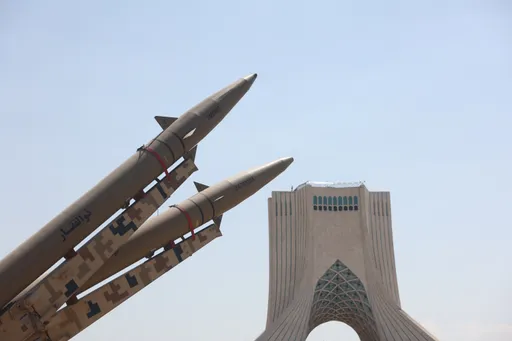
The global economy and trade growth are expected to slow down significantly this year amid disruptions in the Strait of Hormuz affecting oil, natural gas, and fertiliser supplies, as the conflict reaches 100 days since the US-Israel war on Iran began on February 28.
The armed conflict in the Middle East has led to major challenges for the global economy, not to mention the loss of human lives.
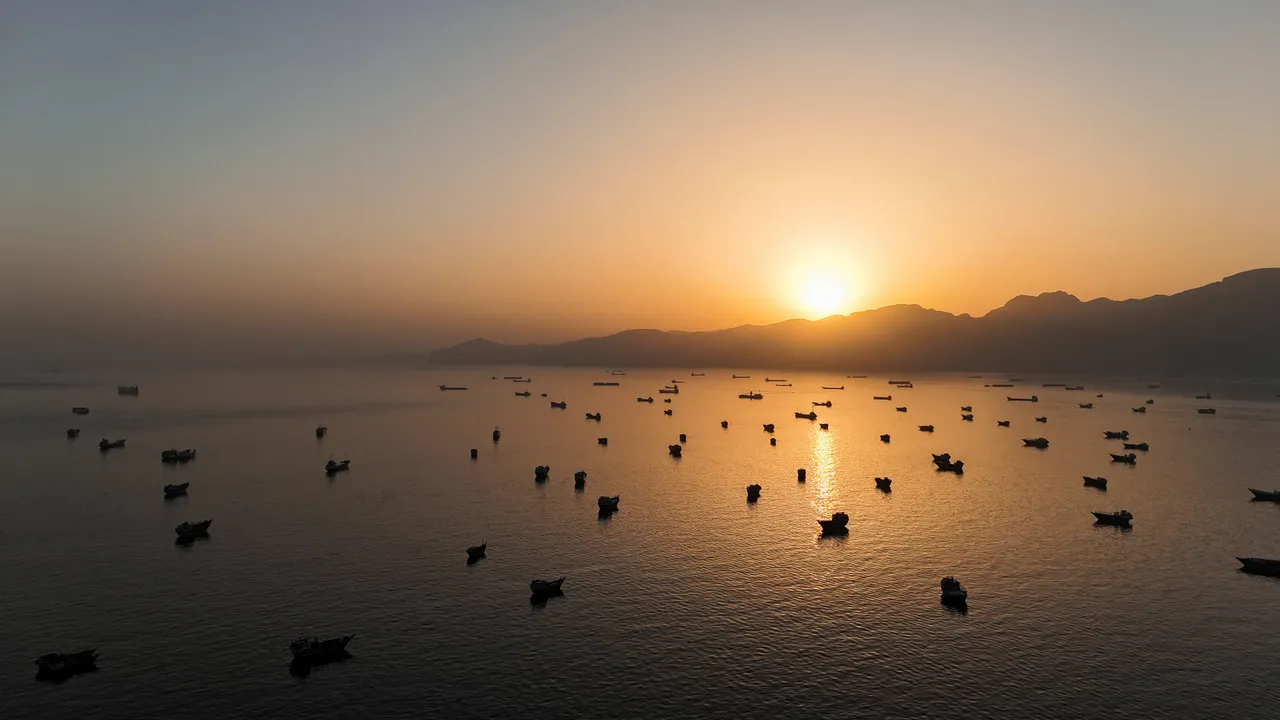
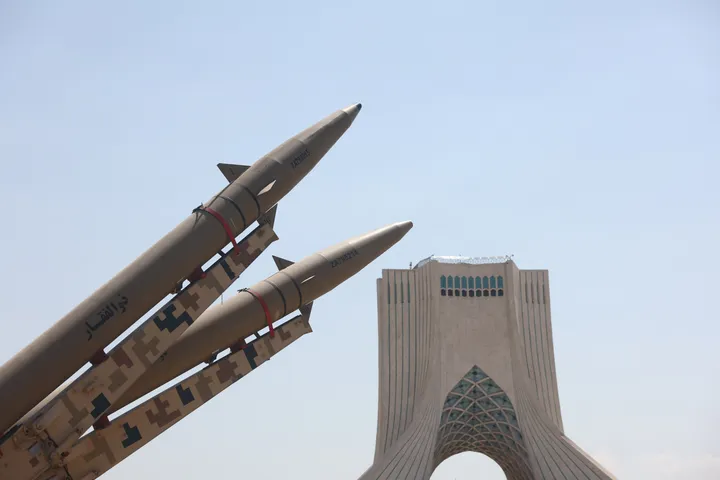
Iran largely halted commercial maritime shipping traffic in the Strait of Hormuz in retaliation for the US and Israel’s pre-emptive attacks on the country.
Around 20 percent of the global oil and liquefied natural gas (LNG) gas trade, 30 percent of the fertiliser trade, around 40 percent of urea supply, 50 percent of sulfur supply, and 30 percent of phosphate supply were affected by the disruption.
The global daily oil consumption reached 104 million barrels in April, but oil supply remained at 95.1 million barrels. The daily loss for Gulf oil producers versus pre-war levels reached 14.4 million barrels with the Strait of Hormuz flow coming to a halt, according to the International Energy Agency.
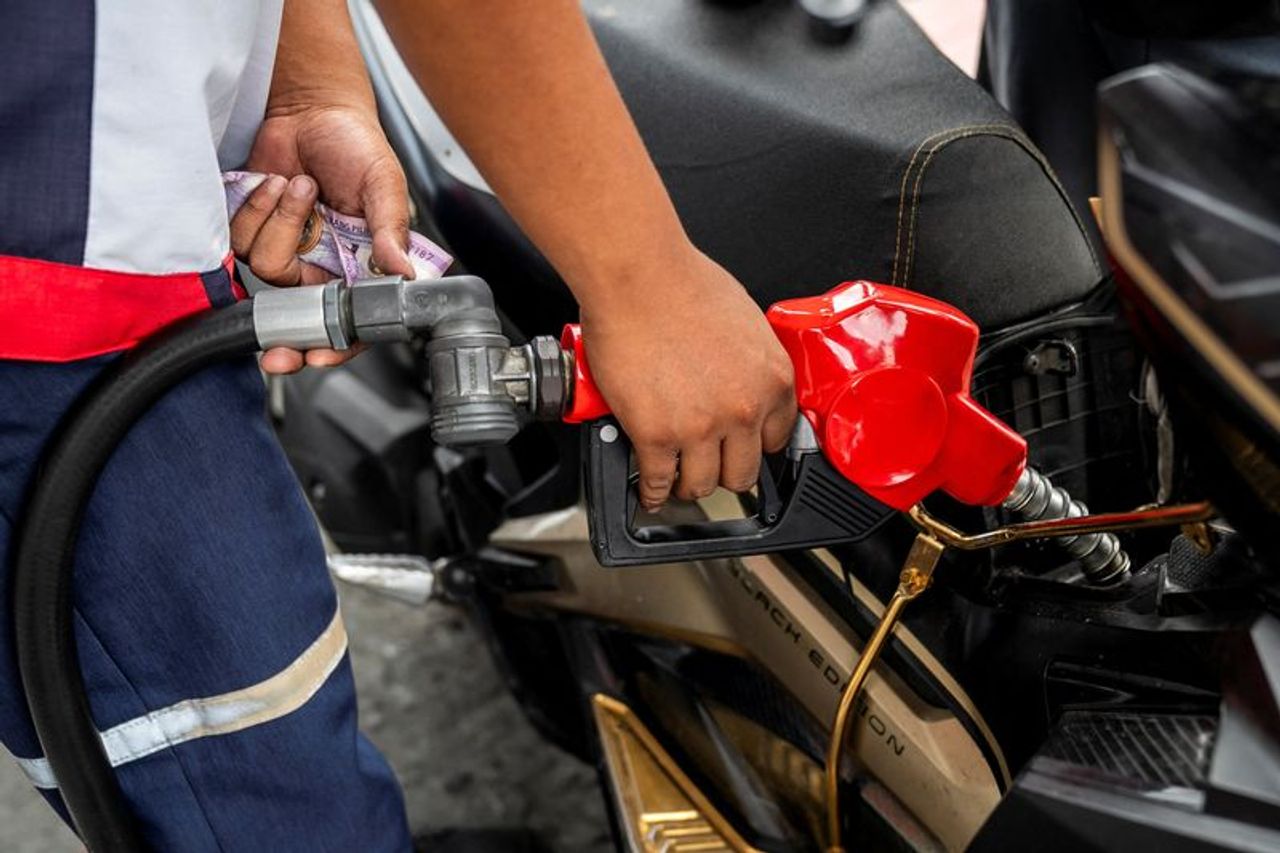
Brent crude is trading 30 percent above pre-war levels currently, while European gas prices are 50 percent higher due to supply constraints.
Fuel costs for ships surged 59 percent during this period, according to the World Maritime Council.
Disruptions in the global shipping network and surging fuel costs place more and more pressure on the supply chain.
The sudden rise in prices and the contraction of the global fleet, as well as rising shipping costs due to vessels being stranded in the strait, and the disruption of many countries’ export and import balances, led to higher inflation estimates.
Declining consumption due to supply constraints and companies facing higher input costs led to sharp downward revisions in growth estimates for the global economy and trade.
The Organization for Economic Cooperation and Development (OECD) reported that the war and its duration will be decisive for assessing the global economic growth, according to its latest Economic Outlook report on Wednesday, forecasting two scenarios, namely “a time-limited disruption” and “a prolonged disruption” scenarios.
The OECD estimates that if the war is short-lived, the global growth could drop from 3.4 percent in 2025 to 2.8 percent in 2026, rising 3.1 percent in 2027.
Meanwhile, a 0.6 percentage point slowdown in growth translates to a potential loss of at least $700 billion for the global economy, given that it is currently valued at around $118 trillion.



If the war and disruptions in trade flows persist for longer, global economic growth could weaken as low as 2.1 percent this year and 1.8 percent in 2027, according to the OECD.
At the same time, credit rating agency Fitch Ratings lowered its global economic growth forecast for 2026 by 0.2 percentage points to 2.4 percent, citing the oil crisis triggered by the war.
On the bright side, the impact of the oil shock on global economic activity is being partially offset by stronger-than-expected upward momentum in tech investments led by artificial intelligence (AI), supporting growth in global trade and exports from Asian countries.
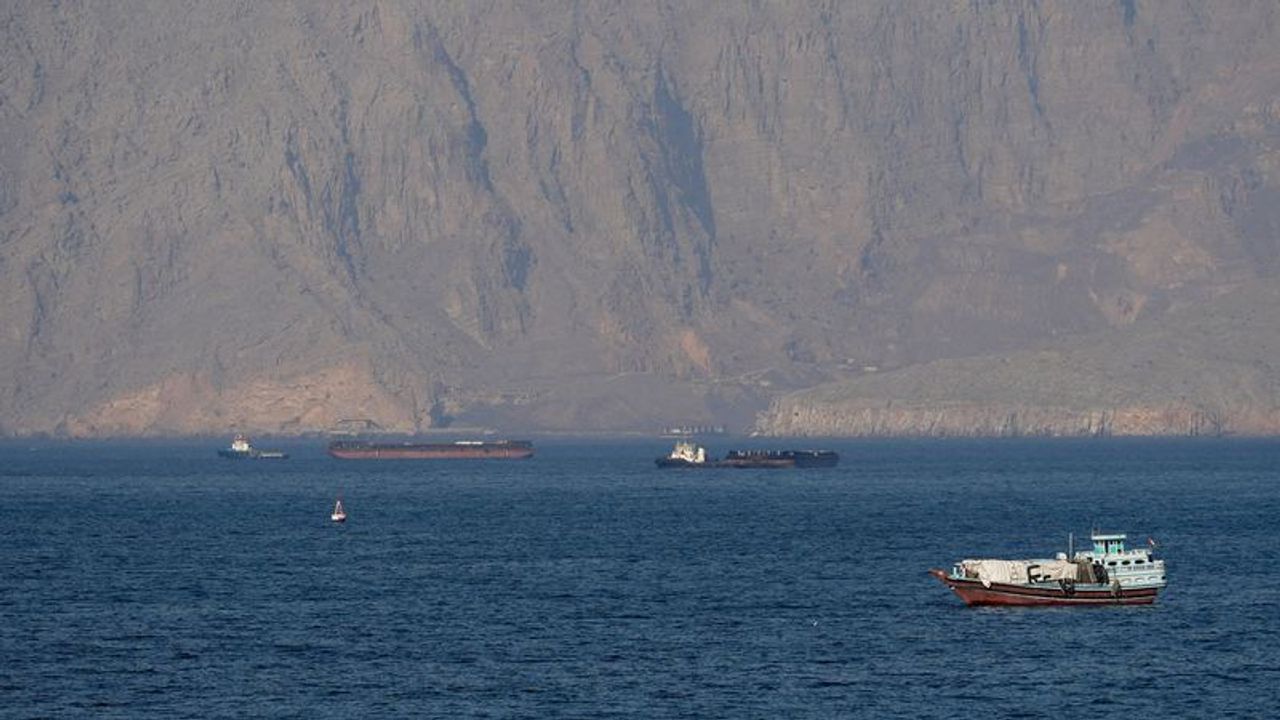
The Strait of Hormuz, where trade has been halted for 14 weeks, is expected not to reopen until July, according to Fitch.
Oil markets are expected to tighten even further over the next two months amid declining inventories, as the flow through the strait is unlikely to return to normal in the short term.
Meanwhile, the OECD estimates global trade growth will fall from 5 percent in 2025 to 3.1 percent in 2026, and 2.9 percent in 2027.
Overall trade growth is expected to decline in the second and third quarters of 2026 due to a sharp decline in trade with Gulf economies and rising energy and transport costs.
The World Trade Organization expects global trade to decline to 1.9 percent this year following a 4.6 percent surge in 2025 and to 2.6 percent in 2027. Strong demand growth for AI-related products is partially offsetting the slowdown triggered by energy shocks.
The UN Conference on Trade and Development (UNCTAD) estimates that global economic growth will slow to 2.6 percent in 2026, warning that the world economy is headed for a more fragile period.
While economic challenges intensify, especially for developing countries reliant on oil imports, out of the 75 countries vulnerable amid these challenges, some 65 are net oil importers, making up 1 billion people in population, according to the UNCTAD.
More than 30 percent of the said population lives on less than $3 per day.
Given the current import levels, the rise in oil prices could add more than $20 billion to the annual import bill of these economies heavily reliant on fuel imports.