 Kazim Alam
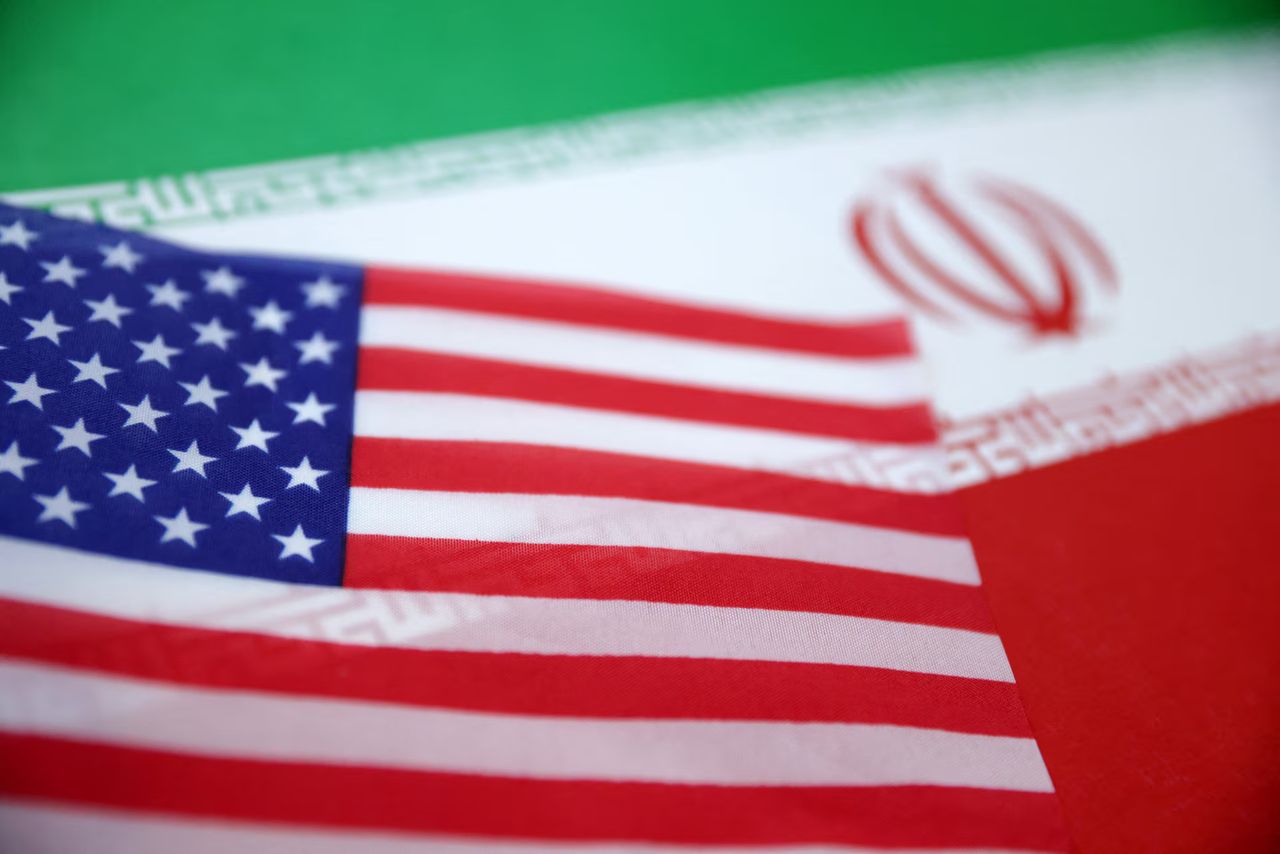
The US and Iran have reached a tentative peace agreement after three and a half months of full-blown war that killed thousands of people, including Iran’s top leadership, disrupted global energy markets and caused losses to the tune of tens of billions of dollars.
The peace deal includes an immediate ceasefire by all sides and the reopening of the Strait of Hormuz, a critical waterway through which one-fifth of the world's energy supplies passed before the US and Israel jointly attacked Iran on February 28.
In addition, the peace agreement includes a 60-day window for follow-up negotiations over Iran’s nuclear programme and the fate of the enriched uranium buried deep under the bombed-out infrastructure.
Even though the deal does not appear to be a comprehensive agreement like the 2015 Joint Comprehensive Plan of Action (JCPOA), experts see the latest development as a critical – albeit fragile – chance for de-escalation that both sides must not abandon.
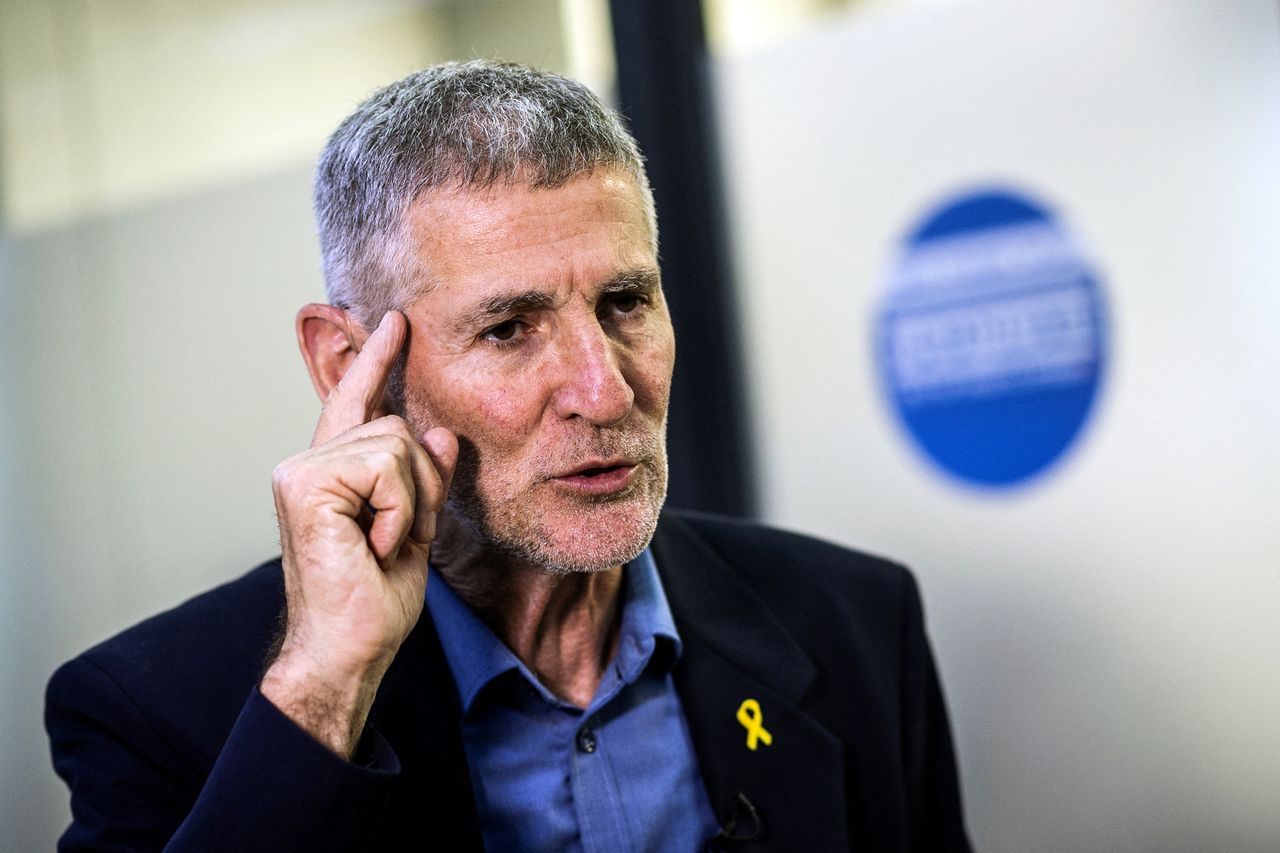
Oral Toga, a researcher at the Ankara-based Centre for Iranian Studies, tells TRT World that the tentative agreement differs from past attempts to resolve the crisis.
“The leverage structure is no longer defined only by sanctions, nuclear timelines and diplomatic isolation. It is now shaped by the immediate costs of war,” he says.
The US brings military leverage and the narrative of forcing Iran back to the table, he says.
Meanwhile, Iran has demonstrated its ability to disrupt the Strait of Hormuz, affect global energy flows, and raise the economic stakes of prolonged conflict, he adds.
The timing of the peace deal is crucial for both the US and Iran. Unlike the structured 2015 negotiations that produced the JCPOA without a direct military clash, the latest agreement follows months of air strikes and maritime disruptions.
Therefore, the immediate purpose of the deal is not reconciliation or normalisation.
“It is de-escalation, crisis containment and the creation of a temporary negotiating window,” Toga says.
Incentives for peace exist for both parties. Washington seeks proof to show the world that putting pressure on Iran worked: the war ends, the Hormuz reopens, and energy prices ease.
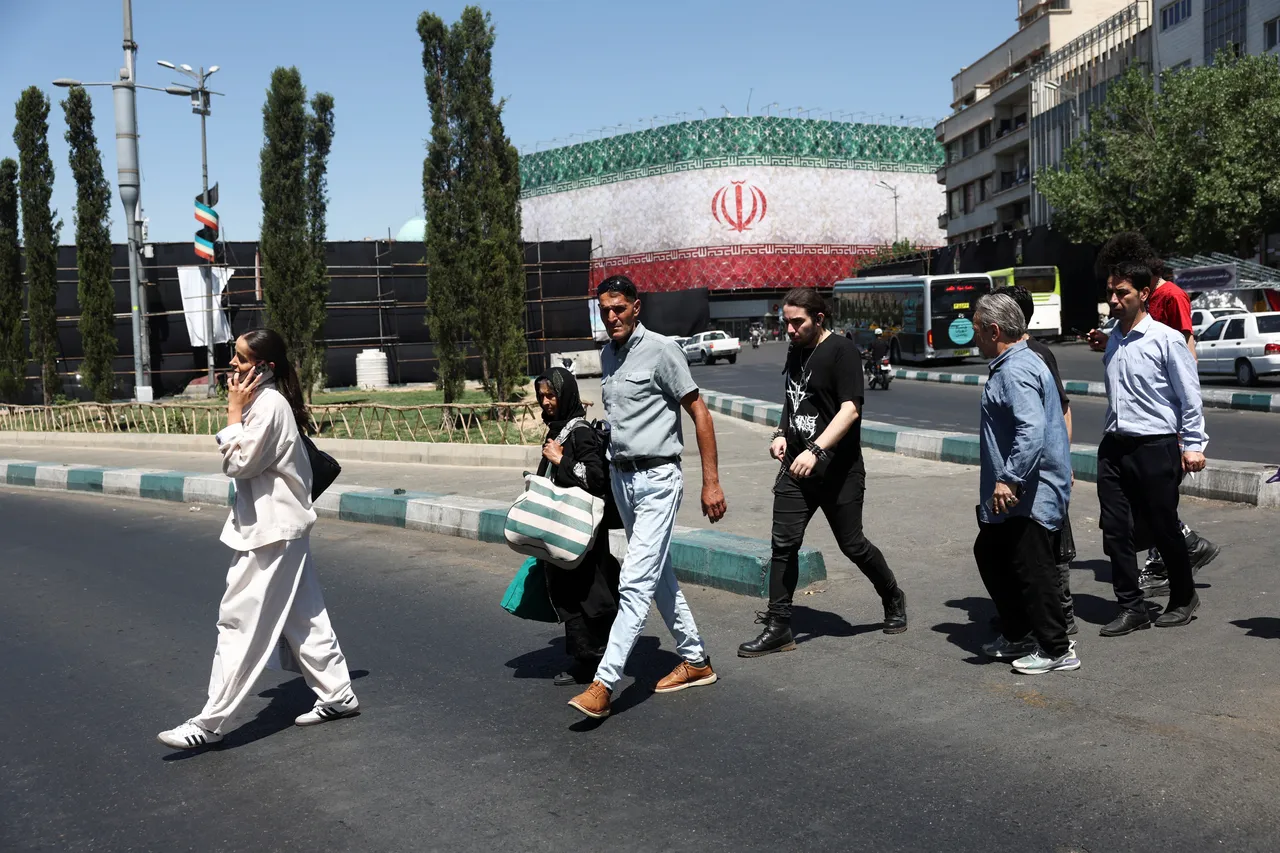
Meanwhile, Tehran needs economic breathing space, energy revenue, access to frozen assets, and relief from military pressure, he says.
The human and economic toll of the months-long war is so high that neither side can easily walk away from the deal.
Oil prices spiked dramatically as Brent, the benchmark for crude oil prices, briefly exceeded a multi-year high of $120 per barrel amid the closure of the Strait of Hormuz.
Ships attempting to pass through the critical waterway came under fire from both sides at various points, resulting in soaring insurance costs and rising inflation.
The war also depleted the US munition stockpiles. Washington’s failure to shield its Middle Eastern allies from Iranian attacks created chaos in the region that has long relied on the US for military protection.
At the same time, Iran lost its top political and military leadership and suffered long-term economic losses as a result of US-Israeli strikes on infrastructure.
“Both sides have reasons to keep (the peace deal) alive,” Toga says, noting that the US needs lower energy pressure, freedom of navigation through the Hormuz, and a political exit from an increasingly costly confrontation.
Iran needs sanctions relief, oil income, access to frozen assets, time to repair internal vulnerabilities, and a pause in military pressure, he adds.
“These are strong incentives for short-term survival,” he says.
Mohammad Eslami, a political scientist at the European University Institute in Italy, tells TRT World that he expects the peace agreement will survive, at least initially.
“I don’t think America is interested in another war with Iran and this agreement will largely hold,” he says.
Iran’s demonstrated influence over key waterways like the Strait of Hormuz and Bab al Mandab, a key maritime route between the Arabian Peninsula and the Horn of Africa, has reshaped the leverage dynamic, showing Tehran’s capacity to affect future conflicts and negotiations, he says.
The deal offers tangible benefits to both sides.
For the US, it can be framed as a success in delivering de-escalation and market relief.
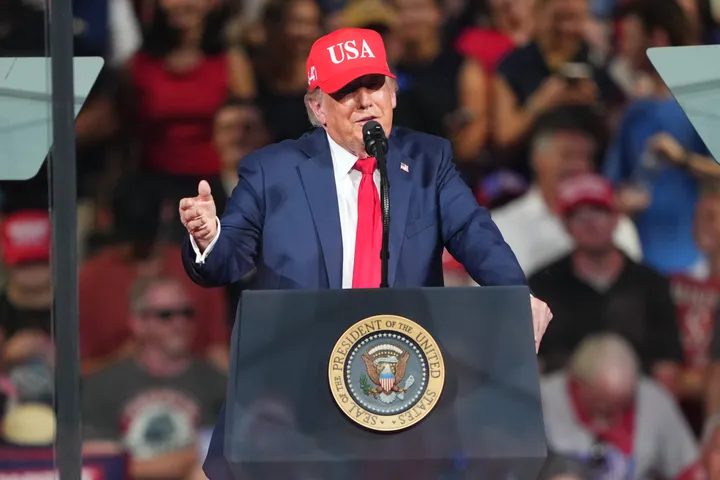
“This deal, although very limited, has a lot of benefits for the US and President Trump has no problems with justifying it domestically,” Eslami says.

Markets have already responded positively to the likely reopening of the Hormuz Strait, as oil prices have begun to ease.
For Iran, the pause provides vital economic relief after months of disruption.
Despite optimism about the deal, serious obstacles could derail the peace process.
Toga describes the agreement as closer to “a crisis-management framework that freezes the most dangerous dynamics while postponing the hardest nuclear questions”.
Deferred issues, such as enriched uranium stockpiles, enrichment scope, International Atomic Energy Agency (IAEA) access, sanctions sequencing, and regional linkages, can still act like spoilers, he says.
The high cost of alternatives
Domestic politics poses the greatest risks to the deal in both the US and Iran.
In Washington, critics such as Republican Party hawks and pro-Israel voices may frame any sanctions relief or limited enrichment as rewards for Iran.
Toga says that while President Trump has political room to present the interim deal as a victory, final arrangements will face scrutiny in Congress.
“These obstacles are serious but not necessarily insurmountable,” he adds.
In Iran, the biggest challenge is narrative control. Hardliners resist anything resembling surrender or restrictions on strategic assets, analysts say.
“Hardliners in Iran are against this deal, and this can create problems in signing or implementing it,” Eslami says.
Tehran must portray the outcome as the fruit of resistance rather than military pressure, according to Toga.
Israel also looms as a potential spoiler. It already tried to put a spanner in the works by striking Lebanon hours before the deal – a move harshly criticised by Trump.
Eslami warns that Israel will be a major spoiler going forward, trying to “do everything possible to destroy everything”, potentially rolling back the agreement with a single blow.
He predicts possible future attacks by Israel since Tel Aviv’s goals in the war on Iran remain unmet.
Toga also anticipates that Israel may seek “maximum freedom of action” against Iran and its regional proxies.
He explains that the deal’s collapse would likely return the region to “coercive bargaining” – maritime pressure, sanctions, proxy activity, and air strikes – but from a more militarised baseline.
“The threshold for escalation would be lower than before,” he says.
Gulf shipping, energy exports, and global markets would face renewed risks, while nuclear non-proliferation efforts would erode further.
“The US has shown itself to be an unreliable player,” Eslami says, adding that Iran can face another war in the next year or two.
Yet both experts see the current window as one that neither can afford to squander.
Toga says both countries should maintain some ambiguity to achieve domestic approval for the peace deal.
“Ambiguity helps leaders sell the deal at home in the short term,” he tells TRT World.
“(But) the same ambiguity can later produce disputes over compliance.”