India and Arab nations have called for a "sovereign, independent, and viable state of Palestine" and reaffirmed their commitment to "achieving a just, comprehensive, and lasting peace in the Middle East, according to international law, relevant UN resolutions."
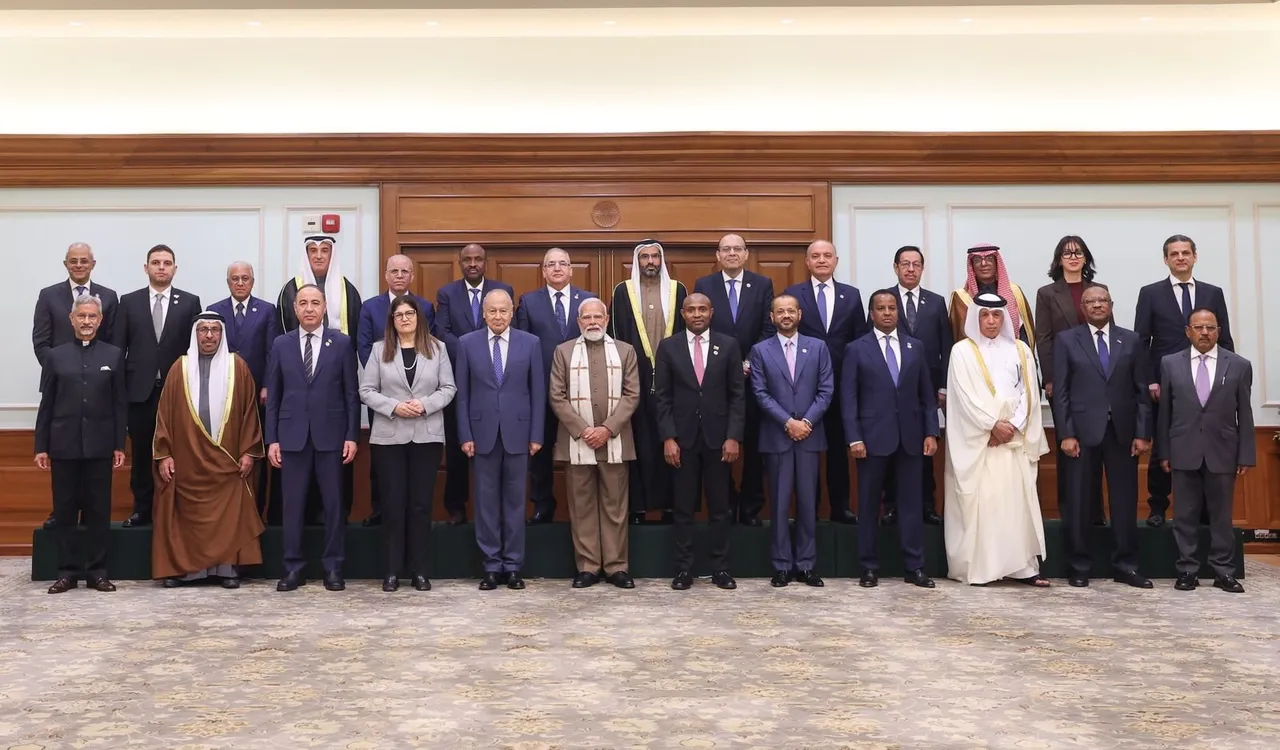
A declaration was issued on Saturday evening following the 2nd India-Arab foreign ministers' meeting in the capital of New Delhi, which was co-chaired by India and the United Arab Emirates.
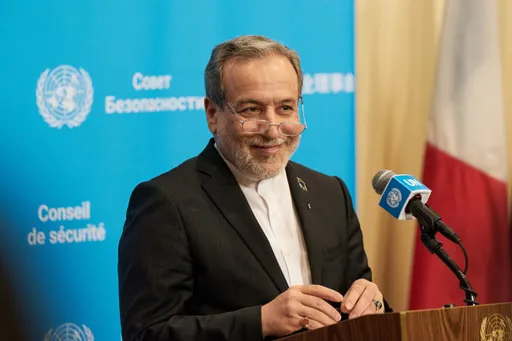
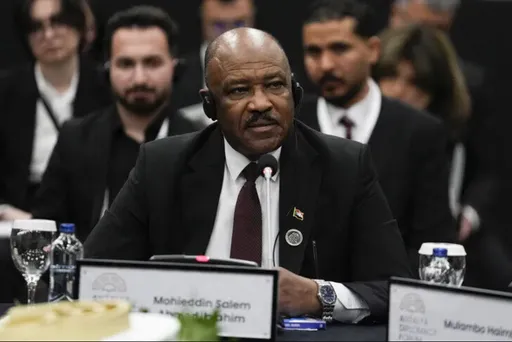
Top diplomats from Arab nations, as well as the Arab League secretary general, attended the meeting, held after a 10-year hiatus.
Dubbed the "Delhi declaration", it said: "Both sides reaffirmed their commitment to achieving a just, comprehensive, and lasting peace in the Middle East, according to international law, relevant UN resolutions and the Arab Peace Initiative."
Around 10–15 foreign ministers attended, with other countries sending lower level diplomats.
"They called for a sovereign, independent and viable State of Palestine based on 1967 borders, living side by side in peace with Israel. Both parties supported the practice of inalienable rights of the Palestinian people."
The two sides welcomed the outcomes of the 2025 Sharm el-Sheikh Peace Summit, which culminated in the conclusion of a ceasefire agreement in Gaza.
"… they urged all concerned parties to fully comply with the implementation of the agreement and noted the launch of the Arab-Islamic plan for relief, recovery, and reconstruction in the Gaza Strip," according to the declaration.
It added: "They further underscored the necessity of ensuring adequate, sustained, and unimpeded access for humanitarian and relief assistance throughout all of the Strip, guaranteeing the continued operations of relief agencies and international and humanitarian organizations…"
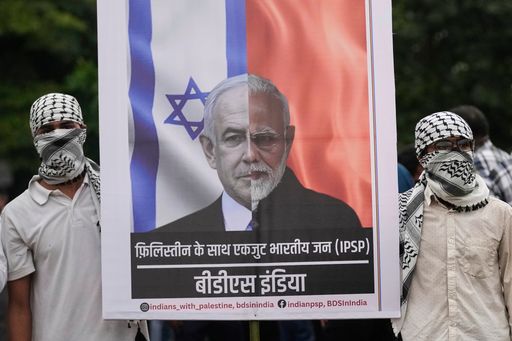
India’s support to Israel during genocide
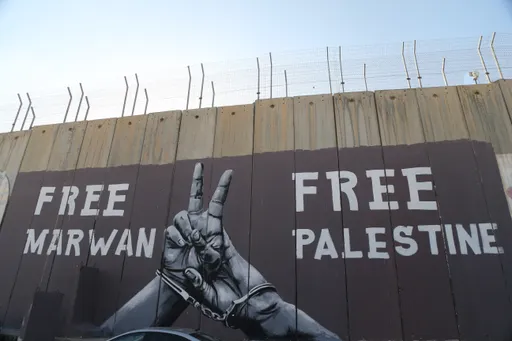
The Gaza peace agreement aimed to end a two-year Israeli genocidal war against Palestinians in the besieged enclave that resulted in the deaths of nearly 71,800 Palestinians and injuries to more than 171,400. Reports suggest these figures may be an underestimation, with the total death toll possibly reaching around 200,000.
A significant portion of Gaza remains under Israeli occupation, while 90 percent of its infrastructure has been destroyed by Israeli bombardment with UN estimates placing reconstruction costs at about $70 billion.
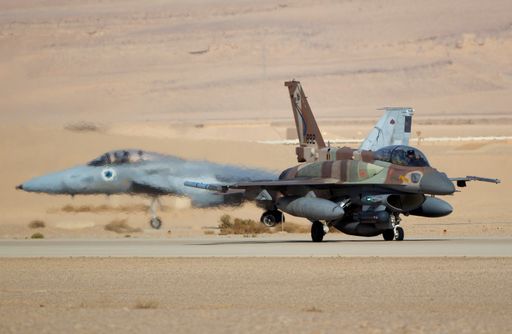
India has long been Israel's largest arms buyer, but during the Gaza genocide, it continued specific flows of defence items that benefited Israel's military campaign against the besieged population.




Manufactured in Indian city of Hyderabad through a joint venture between India's Adani Defence and Aerospace and Israel's Elbit Systems, India reportedly supplied at least 20 Hermes 900 drones to Israel during the genocide.
These medium-altitude, long-endurance drones have been used by the Israeli military for surveillance and strikes in Gaza.
Indian companies reportedly exported explosives, rocket components, and other munitions-related items to Israel during the genocide, according to shipping documents and investigative reporting.
In May 2024, Spain refused entry to a ship carrying arms from India’s Chennai city to Israel to dock at one of its ports.
Reports suggest Israeli forces used an AI weapons system in Gaza, co-produced with an Indian firm, to automate machine guns and assault rifles.
After October 2023, Israel barred most Palestinian workers from entering Israel. India stepped in by sending waves of low-cost Indian workers to Israel.
By mid-2025, over 20,000 Indian workers had gone to Israel, including thousands in construction, explicitly helping replace Palestinian labour and supporting Israel's economy and construction sector during the genocide.

'National interest'
India did not back and abstained from several UN resolutions critical of Israel during the genocide, avoiding language that would isolate Israel internationally, including a 2024 General Assembly vote calling for an "immediate, unconditional and permanent" ceasefire in Gaza.
In December 2024, as Israel's genocide in Gaza continued for 428 days, India cited "national interests" and commitments to "various regimes" in defending arms supplies to Israel.
"The issue of India's exports, including India's exports of anything which directly or indirectly has any military implications, is guided by our national interest and by our commitments to various regimes," Foreign Minister Jaishankar said in response to a question in Parliament.
"So, when we take any decision we will bear in mind, obviously, the larger circumstances but we will definitely be driven by our national interest in this matter," he said.