Iran has insisted on its right to enrich uranium and maintain control over the Strait of Hormuz under any deal with the United States, after President Donald Trump said a draft accord was ready.
US ally Israel has said that Trump had promised it that any agreement would see Iran stripped of its enriched nuclear material, but Tehran's official IRNA news agency said on Friday that this was not even on the table.
Iran and the United States have engaged in weeks of indirect negotiations seeking to bring to an end the war sparked by US-Israeli strikes on Iran on February 28.
A ceasefire took effect in April, but sporadic episodes of violence have occurred, each time sparking new fears of a return to all-out war, despite Trump repeatedly stating a deal was within reach.
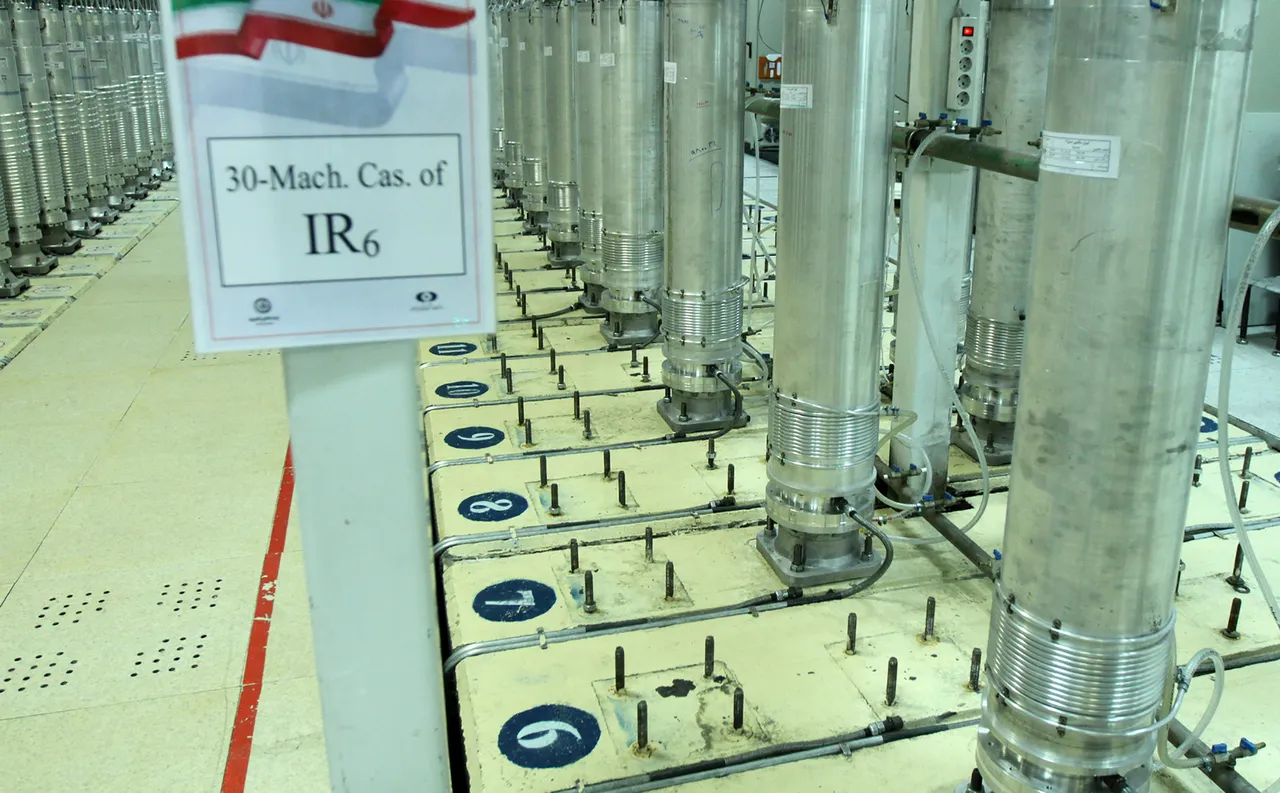
After inking an initial memorandum of understanding, IRNA said, Iran and the US would hold 60 days of talks and that "Iran's right to enrich uranium and the retention of enriched material... will be emphasised with a view to their inclusion in the final agreement".
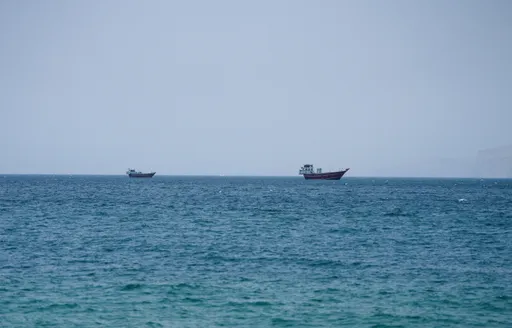
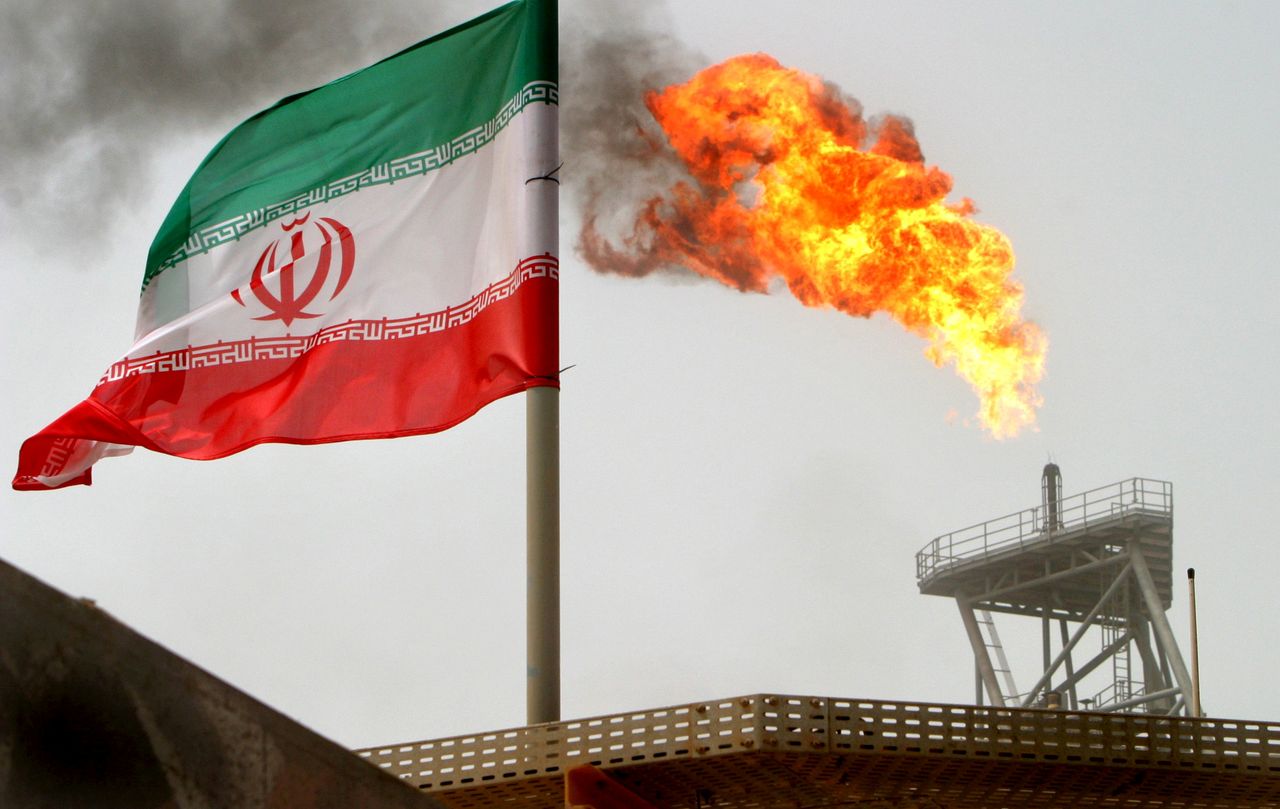
Beyond this, according to IRNA, Iran would insist on managing traffic through the Strait of Hormuz, the key maritime trade route carrying oil and gas from the Gulf. Tehran has blockaded the international waterway since the outbreak of the US-Israeli war against the country.
Iran, which has only allowed a trickle of ships to pass through the strait, has insisted that vessels obtain permission from its armed forces before transiting.
‘No commitment’
"Iran makes no commitment in this text to cede the management of the strait or the restoration of conditions that existed before the American and Israeli military aggression," IRNA said, confirming that "the broad outlines of the current text" were being finalised.
Iran's demands could further delay the signing of an accord, despite Trump's optimism spurring a stock market rally and a sharp drop in oil prices.
Claiming that a draft deal had been "brought to the highest level of Iranian leadership and approved," Trump cancelled on Thursday a threatened wave of bombings against targets in Iran, adding: "Time and place of the signing to be announced shortly."
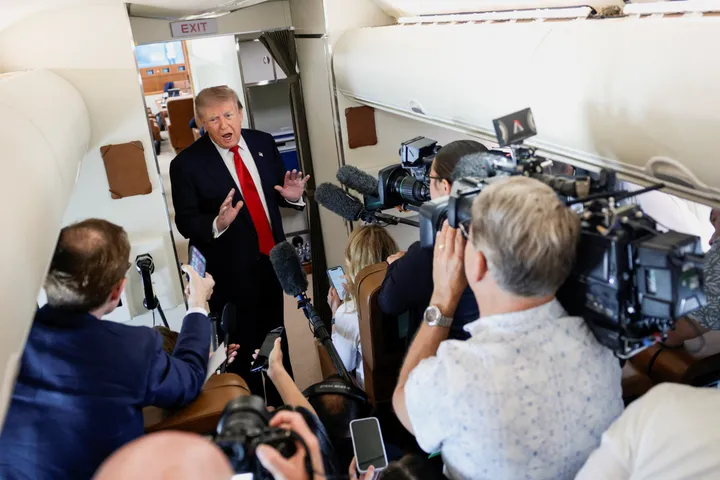
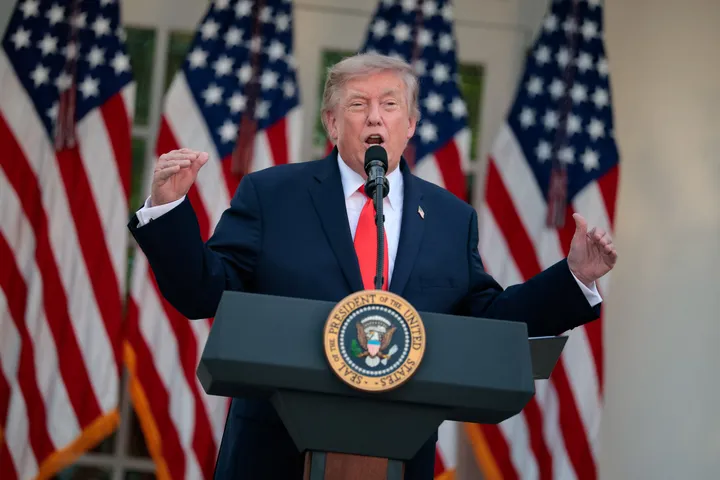

Trump said the finer points of the arrangement had been approved by the US and its allies in the region, including Israel.
On Friday, Iran's Mehr news agency, quoting a source close to Iran's negotiating team, published what it said was the text of a draft deal being finalised.
The draft, it said, would end the war on all fronts, including Lebanon, see the release of $24 billion in Iran's frozen assets, and set 60 days for negotiations on Tehran's nuclear programme.
It also includes the suspension of sanctions on the sale of Iran's oil and petrochemical products, and the complete lifting of the US naval blockade on Iranian ports, in place since April 13.
‘Final negotiations’
Mehr said the draft says the US and its allies should pay Iran reparations for damage caused by the war and would "present reconstruction plans for Iran amounting to at least $300 billion".
"Final negotiations will not begin before the release of half of Iran's blocked funds, suspension of Iran's oil sanctions, and lifting of the naval blockade," the report added.
Asked about Iran's apparent reluctance to sign up to the deal, Trump doubled down. When asked if Iranian supreme leader Mojtaba Khamenei had approved the deal, he replied: "I understand the answer is yes."
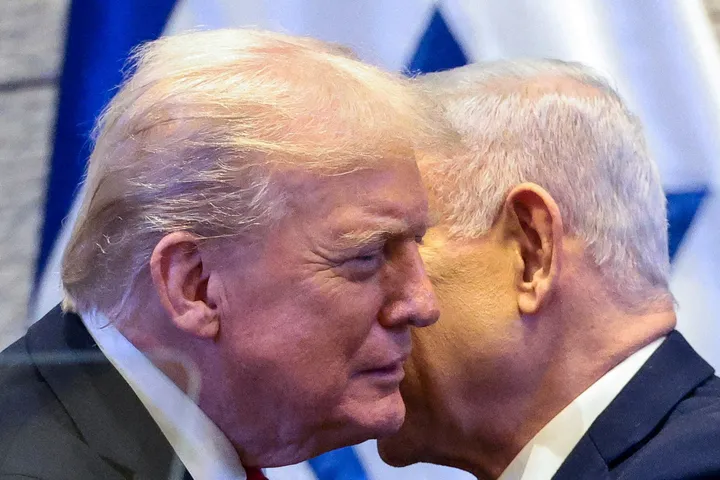
Prime Minister Benjamin Netanyahu's office said the Israeli leader had spoken to Trump, who vowed any agreement would include the removal of Tehran's enriched nuclear material as well as the dismantling of its missile infrastructure.
"As long as I am the Prime Minister of Israel, Iran will not have nuclear weapons," Netanyahu reiterated on Friday.