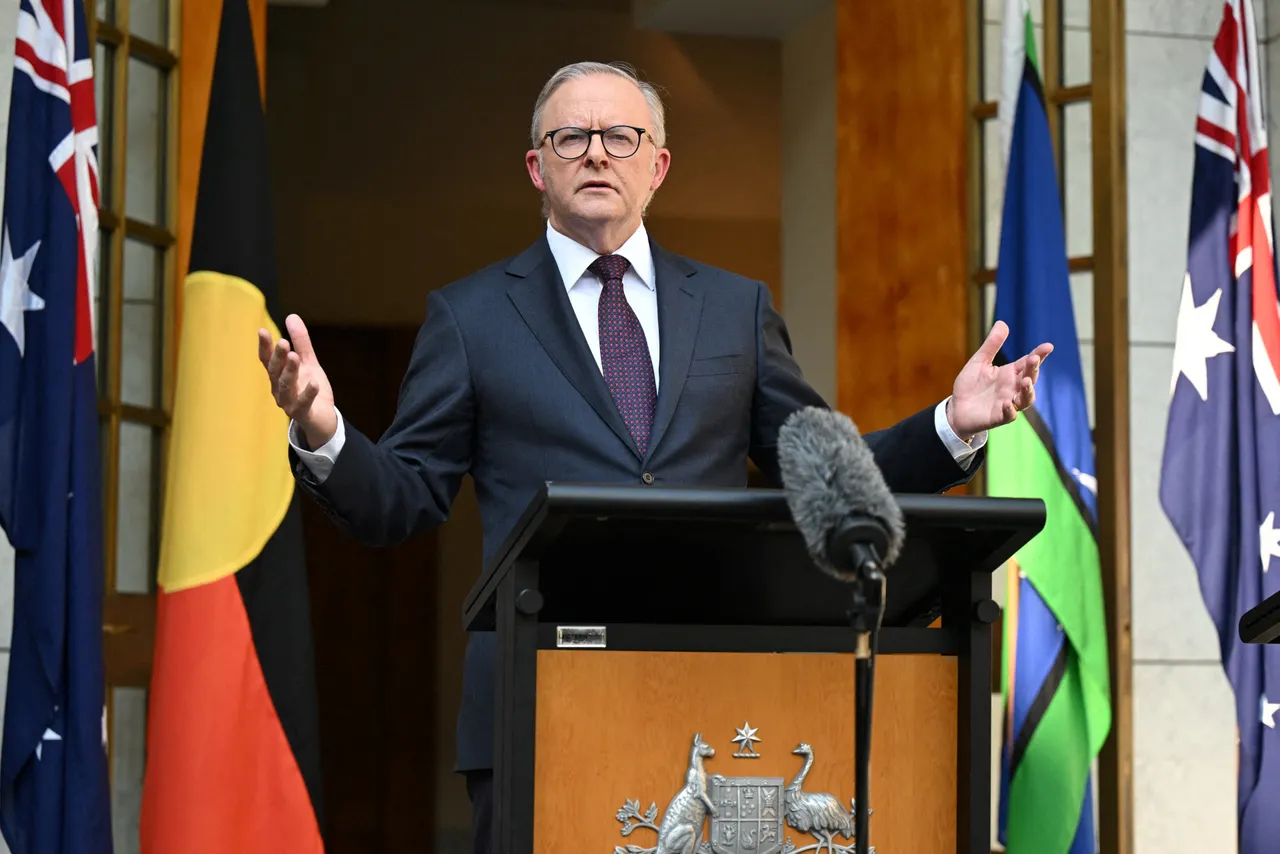
Australia will hold a royal commission inquiry into the mass shooting that killed 15 people at Bondi Beach, Prime Minister Anthony Albanese said, as he faced public demands for answers.
"I've repeatedly said that our government's priority is to promote unity and social cohesion. And this is what Australia needs to heal," he told reporters on Thursday.
Sajid Akram and his son Naveed allegedly targeted Jews attending a Hannukah celebration near the beach in an Daesh-inspired attack on December 14, the nation's worst mass shooting for 30 years.
The federal royal commission, the highest level of government inquiry, will probe everything from intelligence failures to the prevalence of anti-Semitism in Australia.
Victims' families, business leaders, sports stars and eminent scientists have put their names to open letters urging a sweeping investigation into the attack.
Albanese repeatedly brushed off these demands, saying he was focused on "urgent action", but mounting public pressure led him to relent.
"What we've done is listen, and we've concluded that where we have landed today is an appropriate way forward for national unity," Albanese said.
Royal commissions hold public hearings and can sometimes run for years.
The Bondi Beach shooting inquiry will be led by Virginia Bell, a widely respected former High Court judge.
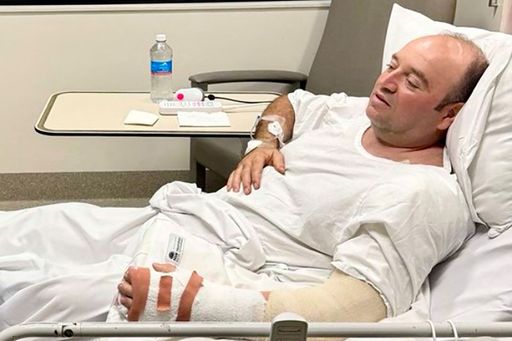
Alleged gunman Sajid Akram, 50, was shot and killed by police during the assault.
An Indian national, he entered Australia on a visa in 1998.
His 24-year-old son Naveed, an Australian-born citizen who remains in prison, has been charged with terrorism and 15 murders.
The mass shooting has sparked national soul-searching, anger over the failure to shield Australians from harm, and promises to stiffen gun laws.

Police and intelligence agencies are facing difficult questions about whether they could have acted earlier.
Naveed Akram was flagged by Australia's intelligence agency in 2019 but he slipped off the radar after it decided that he posed no imminent threat.
The prime minister said a review into the security services' response, which is due to report in April, will now be incorporated into the work of the royal commission.
Victims' families penned an open letter in December urging Albanese to "immediately establish a Commonwealth Royal Commission into the rapid rise of antisemitism in Australia".
"We demand answers and solutions," they wrote.
Hate speech and gun ownership
The Akram duo travelled to the southern Philippines in the weeks before the shooting, fueling suspicions they may be linked to militants in the region.
Evidence so far suggested they had acted alone, police said.
"There is no evidence to suggest these alleged offenders were part of a broader terrorist cell, or were directed by others to carry out the attack," Australian Federal Police commissioner Krissy Barrett said in December.
Australia is cracking down on gun ownership and hate speech in the wake of the attack.
The government in December announced a sweeping buyback scheme to "get guns off our streets".
It is the largest gun buyback since 1996, when Australia tightened firearms laws in the wake of a mass shooting that killed 35 people at Port Arthur.