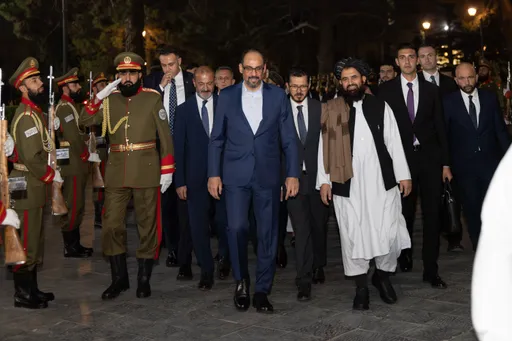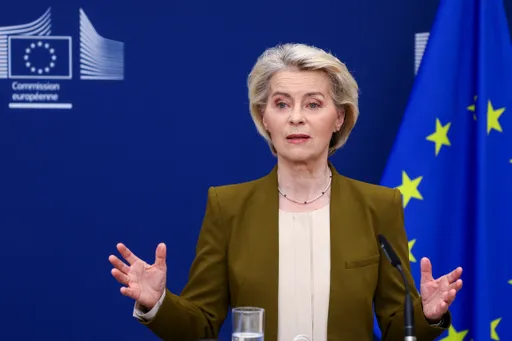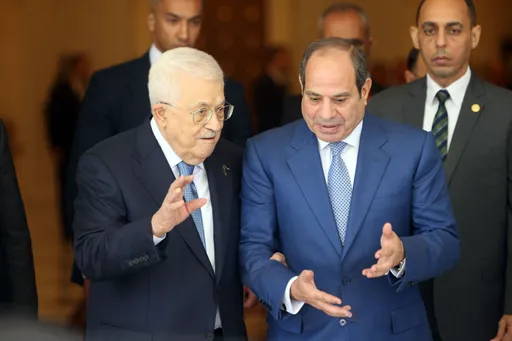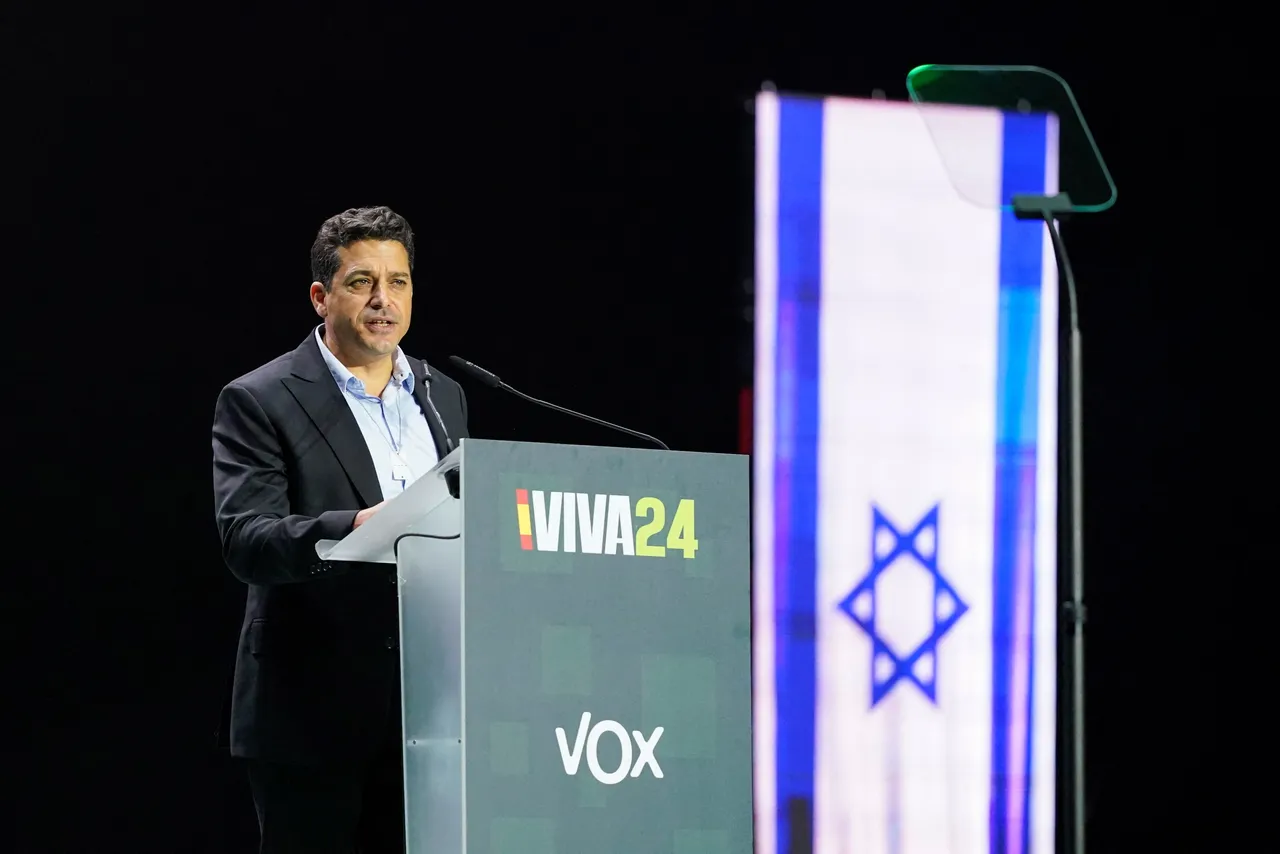
The "Türkiye-Qatar-Pakistan axis is worrying" for Tel Aviv, an Israeli Cabinet minister said.
"What we are witnessing is the rise of a new axis," Diaspora Affairs Minister Amichai Chikli said in remarks to Israel's 103 FM radio on Wednesday, adding that the three countries helped shape the recently announced deal between the US and Iran.
“The emerging agreement is concerning, and the least of my concerns is the rehabilitation of the Iranian economy,” he added.
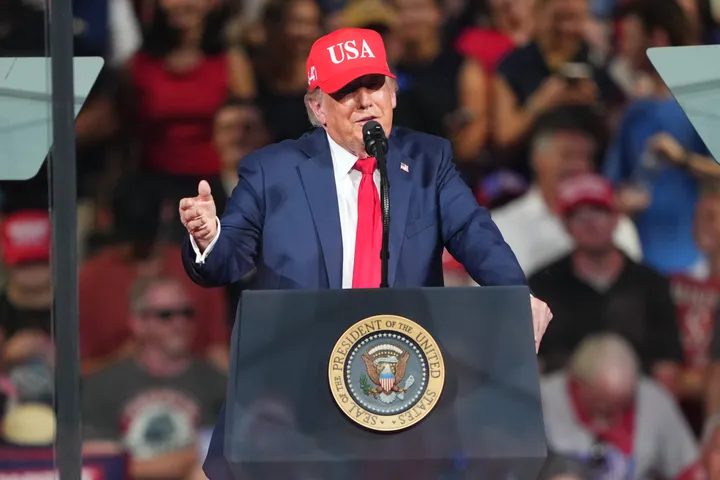
His comments came amid sharp criticism in Israel of Prime Minister Benjamin Netanyahu, whom opposition figures accuse of failure, saying that US President Donald Trump excluded him from negotiations with Iran on ending the war.
Netanyahu sidelined
Washington and Tehran reached a temporary truce on April 8 through Pakistani mediation before announcing a framework agreement on Monday to end the conflict. The accord is expected to be formally signed in Switzerland on Friday.
The criticism has been fuelled by Netanyahu's own admission that Israel was kept out of the loop as Washington and Tehran finalised their accord.
Netanyahu said that Israel does not know the terms of the US-Iran nuclear deal.
At a press conference this week, his first in three months, he conceded he did not know what was actually written in the agreement, even as he defended the six-week Israeli offensive against Iran as having averted an existential threat.
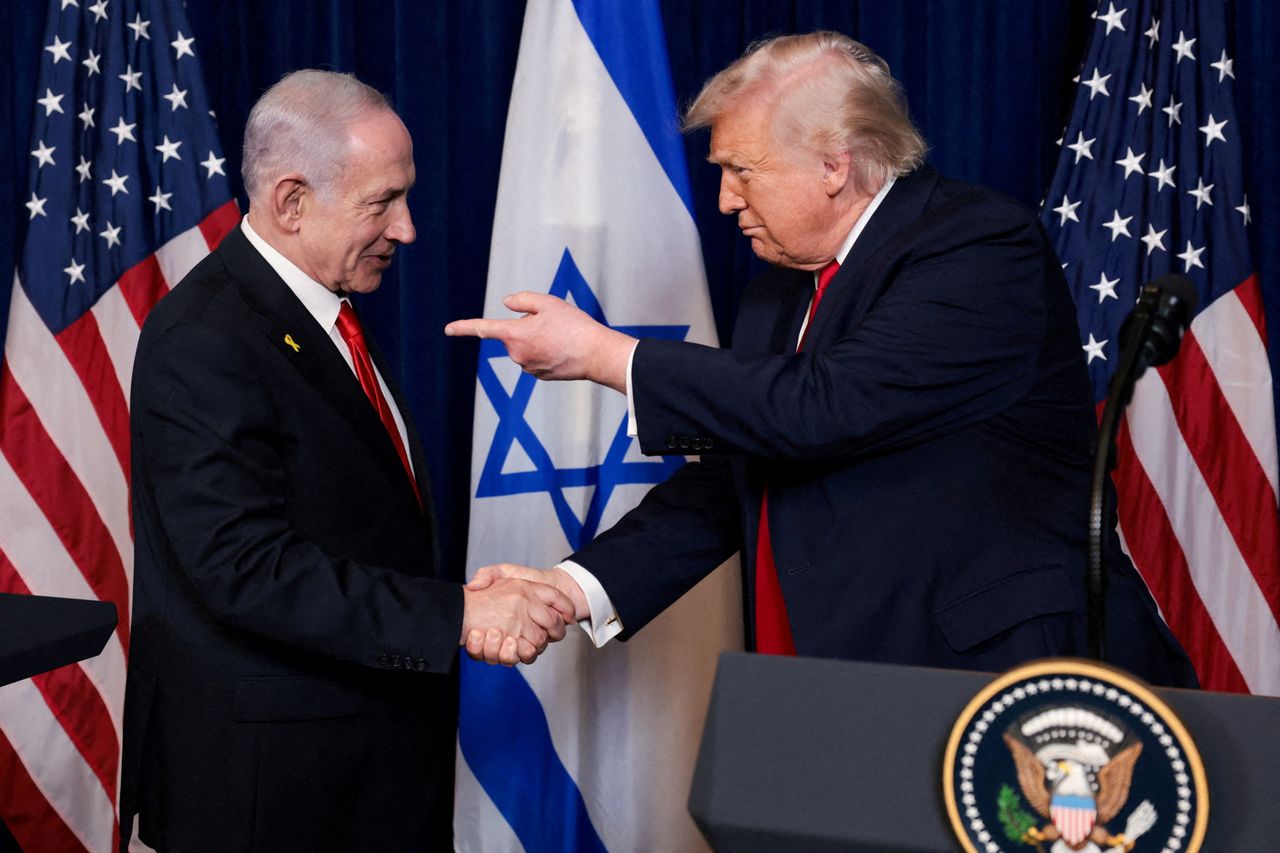
US President Donald Trump has increasingly distanced himself from Netanyahu in recent weeks, reportedly expressing frustration over continued Israeli military operations in Lebanon and pressing ahead with diplomacy that Israel had little role in shaping.
During his visit to a G7 summit in France on Tuesday, Trump said "without me, there would be no Israel" and criticised Netanyahu’s judgment in interviews, even describing him as "crazy."
How Türkiye, Qatar and Pakistan shaped the deal
The agreement emerged after weeks of mediation involving several regional actors, with Pakistan, Qatar and Türkiye playing different but complementary roles.
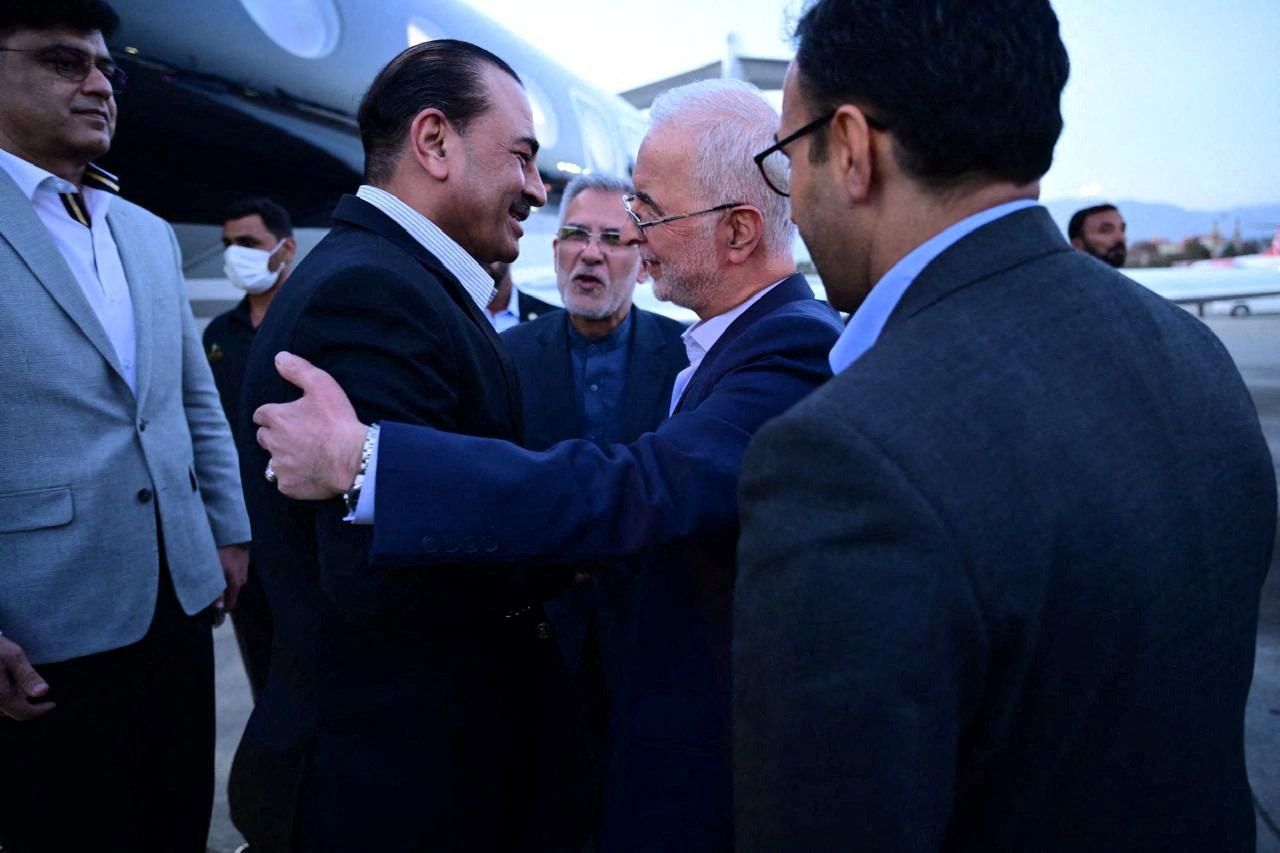
Pakistan was widely credited as the principal mediator. Army Chief Field Marshal Asim Munir maintained contacts with both Washington and Tehran and was instrumental in establishing the channel that led to a temporary truce on April 8 and the framework agreement announced on Monday.
Qatar has called for regional dialogue and confidence-building measures.
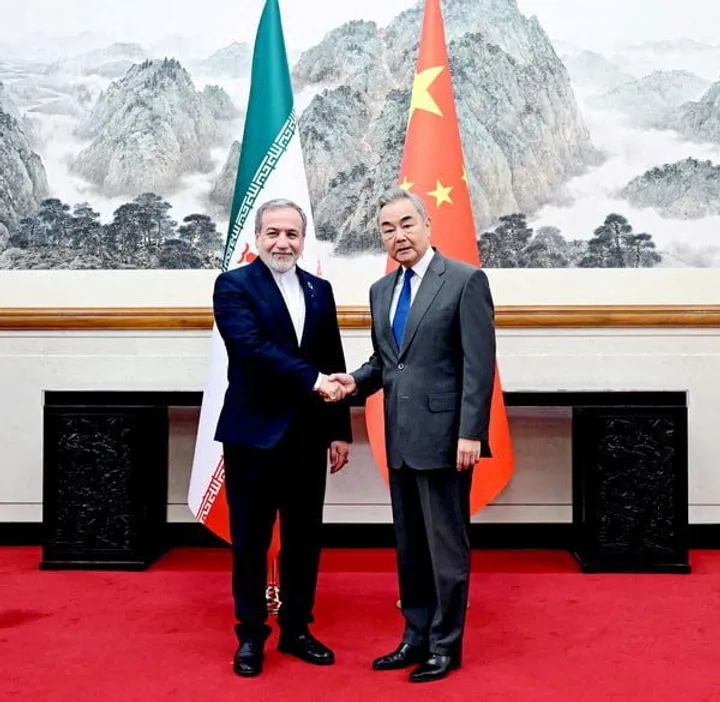

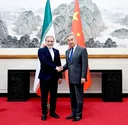
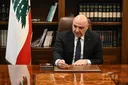
Doha helped maintain communication channels during the negotiations and hosted talks involving senior Iranian officials. “We are supporting the Pakistani-led mediation,” Qatar’s Foreign Ministry Spokesperson Majed Al-Ansari said.
Meanwhile, Türkiye provided diplomatic backing for the process and consistently called for a negotiated resolution.
Speaking after a cabinet meeting on Monday, Turkish President Recep Tayyip Erdogan welcomed the agreement, calling it a "very important step" towards ending a conflict he said was triggered by Israeli air strikes on Iran on February 28.
He added that Türkiye was “greatly pleased” with the outcome, noting Ankara’s contribution to the diplomatic process and expressing hope that the agreement would “open the way towards the establishment of lasting peace and stability.”
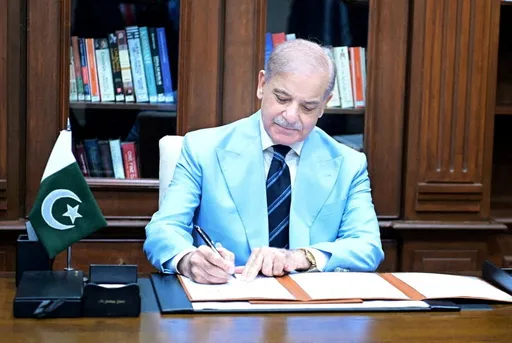
Pakistan's Prime Minister Shehbaz Sharif on Monday thanked Erdogan for his "highly" supportive role in bridging a negotiated settlement between the US and Iran to end their war.
Speaking alongside Russian Foreign Minister Sergey Lavrov after talks in Moscow on Tuesday, Turkish Foreign Minister Hakan Fidan also welcomed the agreement reached between the US and Iran, describing it as an important diplomatic milestone that could help ease tensions across the region.
"As our President Recep Tayyip Erdogan has also emphasised, our greatest hope is that this step, which has given our region and the entire world some breathing room, will evolve into a structural and lasting security architecture rather than a temporary period of calm," Fidan said.
Türkiye's mounting criticism of Israeli military action
Türkiye has been one of the fiercest critics of Israel's assaults on Iran, Gaza, and Lebanon, saying Israel was the biggest obstacle to regional peace.
Speaking to lawmakers in parliament, Erdogan accused Israel of taking initiatives that could further destabilise the Eastern Mediterranean and the wider region.
Erdogan said that Israel's attacks on Syria and Lebanon had reached a point where they also threaten Türkiye, adding Israel's "aggression" posed a threat to the whole world and must be stopped.
"The attacks by (Israeli Prime Minister Benjamin) Netanyahu and his network of murder on Lebanon and Syria have brought the issue to a point where it also threatens Türkiye", adding that Ankara's security was tied to its two neighbouring countries.
The Turkish leader also cautioned that failure to curb Israel's actions could have serious consequences for both the region and the wider international community.
"If Israel's banditry is not stopped, the entire world, together with the region, will bear the consequences," he said.
"Israel must be stopped. This is the duty of humanity ... history must not be allowed to repeat itself."