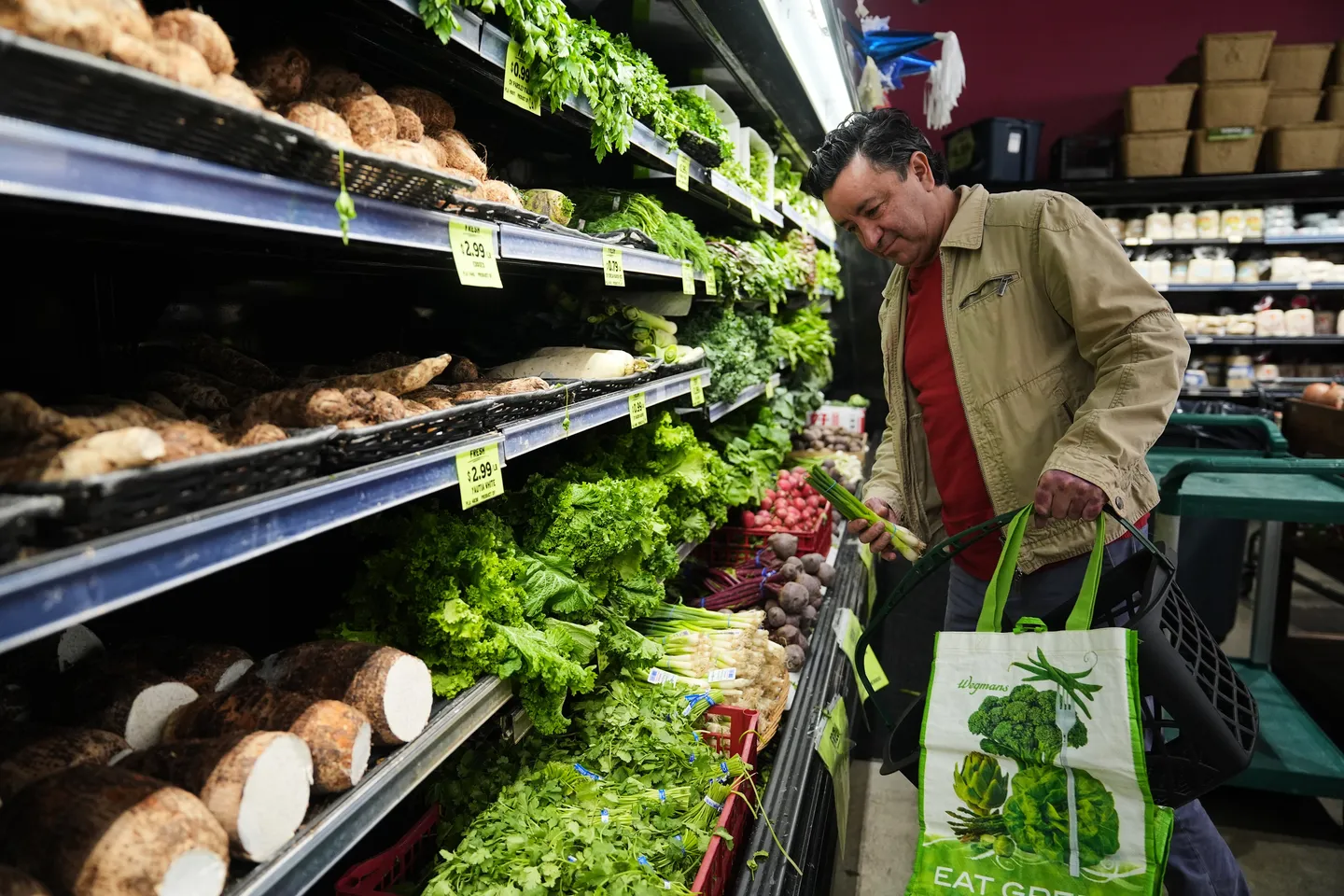
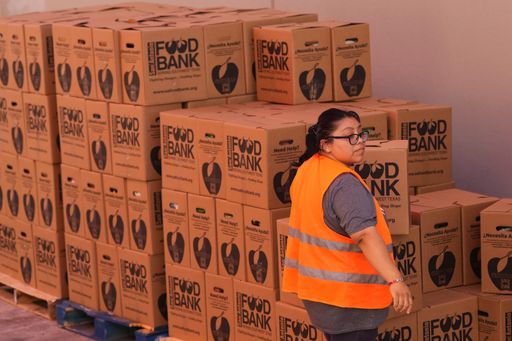
Two federal Judges have ruled nearly simultaneously that President Donald Trump’s administration must continue to pay for SNAP, the nation’s largest food aid programme, using emergency reserve funds during the government shutdown.
The judges in Massachusetts and Rhode Island on Friday gave the administration leeway on whether to fund the programme partially or in full for November, creating uncertainty about when many beneficiaries’ payments will resume.
SNAP cards are normally recharged early in the month.
The US Department of Agriculture (USDA) had planned to freeze payments to the Supplemental Nutrition Assistance Programme starting on 1 November, saying it could no longer fund it due to the shutdown.
The programme serves about one in eight Americans and costs roughly $8 billion per month nationally.
US Senator Amy Klobuchar, a Minnesota Democrat and ranking member of the Senate Agriculture Committee, said the rulings confirmed that "the administration is choosing not to feed Americans in need, despite knowing that it is legally required to do so."





Trump, in a post on social media, criticised congressional Democrats for the shutdown but said the government would comply with the rulings once the courts provided further direction.
"If we are given the appropriate legal direction by the Court, it will BE MY HONOUR to provide the funding," he wrote.
Democratic state attorneys general and governors from 25 states and the District of Columbia challenged the administration’s plan to suspend SNAP, arguing it was legally obligated to continue payments in their jurisdictions.
The administration maintained it was not allowed to use a $5 billion contingency fund for the programme, reversing a pre-shutdown USDA plan that had allocated the money to keep SNAP running.
Democrats argued that the contingency fund must be used, along with another $23 billion available for the same purpose.
In Providence, US District Judge John J. McConnell ruled that the federal government must use at least the contingency funds to backfill SNAP benefits and continue work requirement waivers for older adults, veterans and others.
Similarly, in Boston, Judge Indira Talwani called the suspension "unlawful" and ordered the government to fund the programme using available emergency reserves.