 Sadiq S Bhat
Washington, DC, — In two days, millions of Americans could go hungry.
The ongoing government shutdown threatens to halt Supplemental Nutrition Assistance Program (or SNAP), the programme that helps low-income families put food on the table.
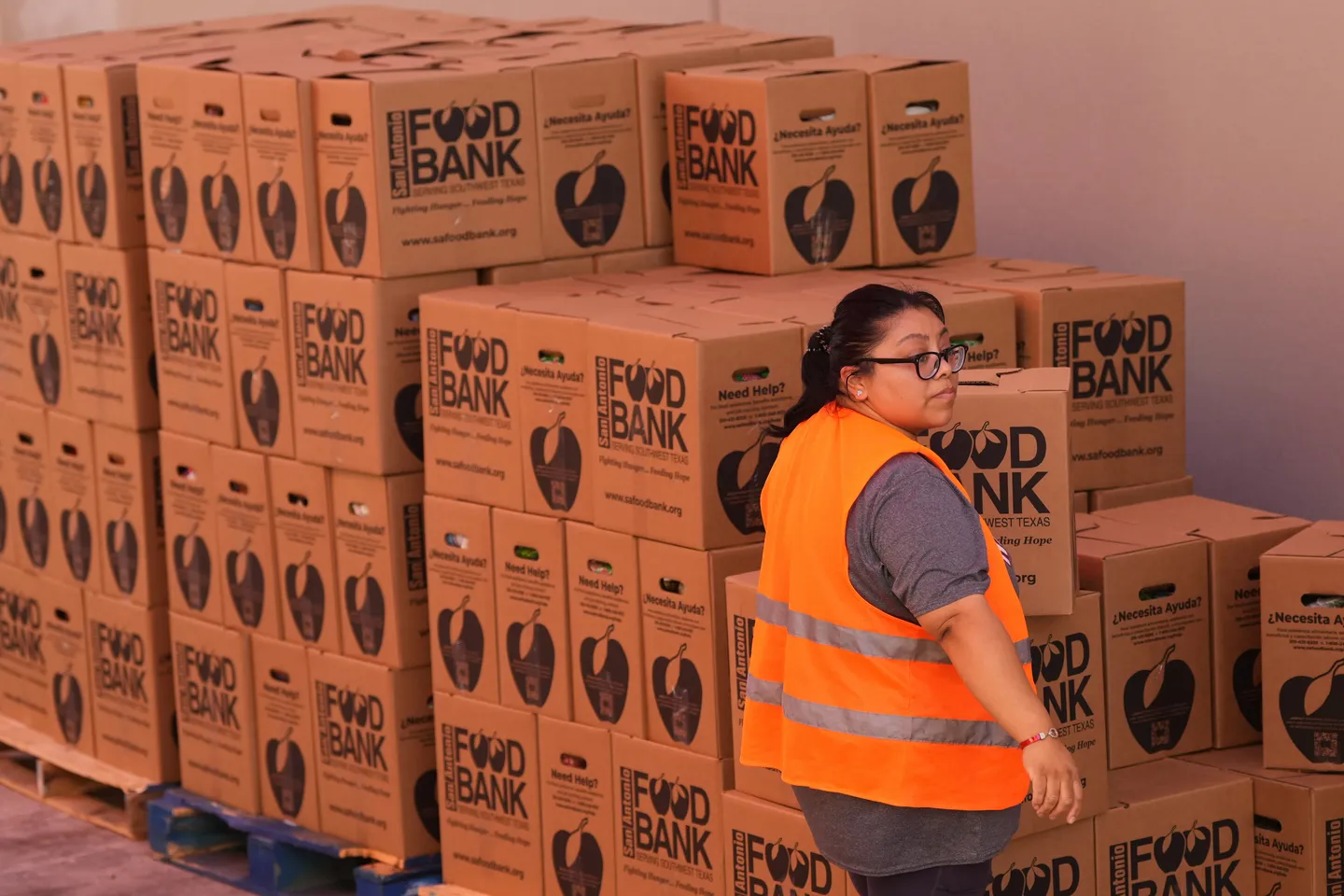
Across the US, food banks are bracing for a surge they say they cannot handle. Long queues and rising despair could soon follow if Congress fails to reach an agreement.
Marlene Schwartz, Director of the Rudd Center for Food Policy and Health at the University of Connecticut, tells TRT World that the warning signs are already there.
"It's clear that when people lose access to their SNAP benefits, we’re going to see a crisis. Food banks and food pantries are going to feel it. Where else are people supposed to go if they don’t have enough money to feed their families?"
For years, the charitable food system has filled the gaps left by policy and politics. But Schwartz, who specialises in nutrition programmes and food insecurity, says that this time the scale may be too large.
"It is going to be very challenging for the charitable food system to absorb the level of need that we are likely to see in the coming weeks," she adds.
First off, what's SNAP?
SNAP is basically the US government's food stamp programme that gives low-income folks a debit-like card (called EBT) loaded with money each month to buy groceries.
This arrangement helps about 42 million Americans put food on the table.
Till now, the government shutdown (that kicked off at midnight on October 1, 2025) has mostly hit federal workers and some services, but SNAP hasn't tanked because October 2025 benefits got loaded onto cards before the cutoff, so people could still use them through the end of the month.
The shutdown has had a limited impact: national parks closed, food safety inspections slowed, federal paychecks delayed for two million employees, and research projects paused.
Starting November 1, new food benefits will not be issued unless Congress addresses this issue. That means millions, up to 42 million nationwide (roughly 12 percent of the US population) could run out of food money. In places like New York alone, almost three million people might go without.
What are the states planning?
With just days to go before low-income Americans are expected to see a pause in federal food assistance, various state governments are trying to find ways to fill the void.
Democratic leaders from 25 states have announced they would sue the Agriculture Department over the November SNAP suspensions.
Some states, like California, New York, West Virginia, and Oregon, among others, are preparing to step in, but the picture is unclear.
Schwartz says, "It is really hard to know how this is gonna play out." Local officials are weighing budgets, emergency measures, and partnerships with charities, but the gap left by SNAP is vast.
"Clearly, state governments have learned, particularly during this administration, that when federal funding is cut for programmes they try to meet the needs of the people living in their state," Schwartz adds.
Yet even with state support, experts warn the system may struggle to cover millions of families suddenly cut off from aid, leaving communities on edge as the shutdown drags on.





What's likely to happen next?
Pressure is building — lawmakers hate seeing empty grocery carts on the news.
Congress may agree on a deal by early November to avoid a total mess. If not, food banks will get slammed, hunger lines grow, and low-income families could scramble.
The record for a US government shutdown is 35 days, back in late 2018 into early 2019. That one was over a fight about border wall money during Trump's first go-around.
It shut down government services from December 22 to January 25. This one's already the second-longest at 30 days, and if it hits 35, it'll be the longest ever in history.
However, never in the past has SNAP been hit like this. In every past shutdown, including that brutal 35-day one, SNAP kept rolling using backup cash from the year before or contingency pots at the United States Department of Agriculture.
Both parties made sure food stamps kept coming.
This time is different
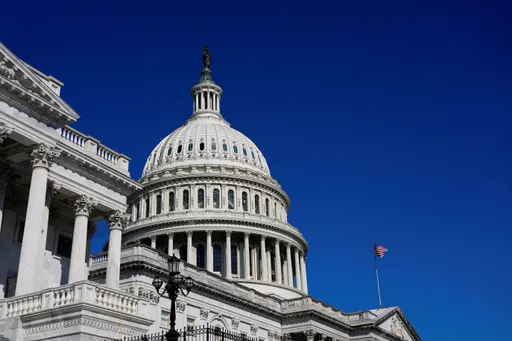
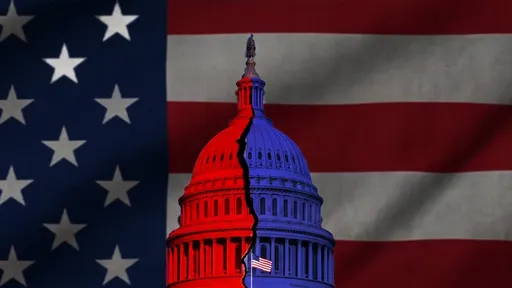
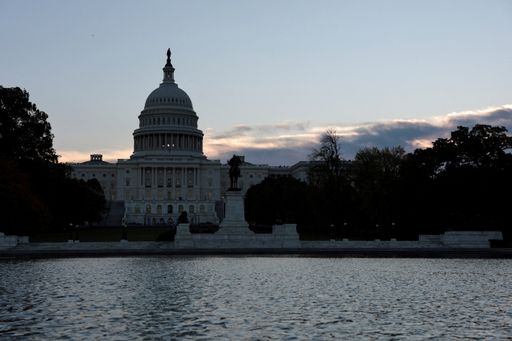
On Thursday, Vermont Senator Bernie Sanders jumped in with a bunch of Democratic senators on Capitol Hill, ripping into the holdup on SNAP cash.
He straight-up called out Republicans for blocking emergency funds that could keep children fed, saying it's all to push a trillion bucks in tax cuts for the rich.
House Speaker Mike Johnson held a huddle with New York Republicans today, warning it'll turn "very dire" by Saturday when SNAP reloads flop.
GOP bigwigs like John Thune say that negotiations are "picking up," with Republicans asking Democrats to quit stalling votes, sitting on SNAP emergency pots (USDA says they can't touch them without Congress approval), and using hungry kids as bargaining chips.
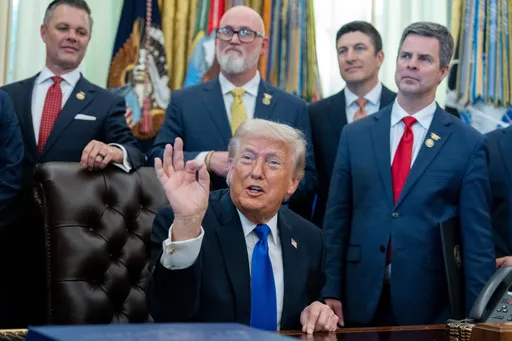
Sanders rebuts the GOP allegations, saying Trump must obey the law and release $5 billion in emergency SNAP funding appropriated by Congress. "The richest country on earth shouldn't be facing a hunger crisis," he added.
Meanwhile, for the country's top food experts like Schwartz, the coming days are a test of the US' safety net and its communities, as the window for intervention is closing fast.
"It will be telling to see which organisations, both public and private, rise to the challenge to ensure families across the United States can put food on the table," she concluded.