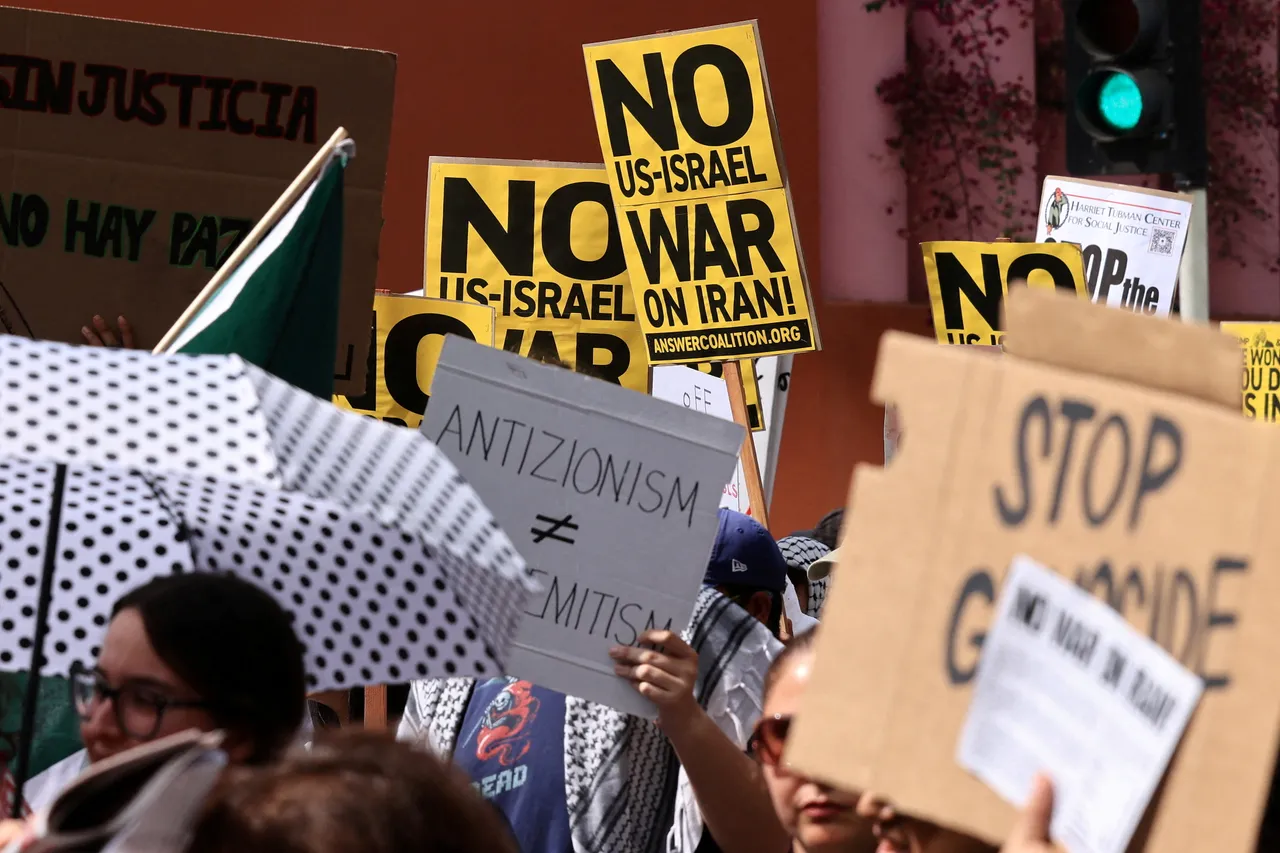
 Sabir Askeroglu
Military and diplomatic tensions between the United States and Iran entered a new phase on June 18 when the two sides electronically signed a 14-point memorandum of understanding after months of escalating confrontation.
Approved by US President Donald Trump and Iranian President Masoud Pezeshkian, the document is not a final peace agreement. Instead, it serves as a transitional framework intended to pave the way for a more comprehensive deal within the next 60 days.
The days immediately following the signing underscored just how fragile the compromise remains.
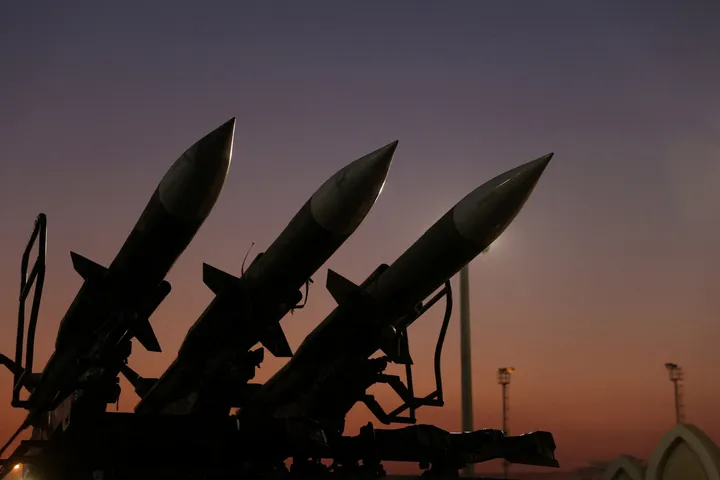
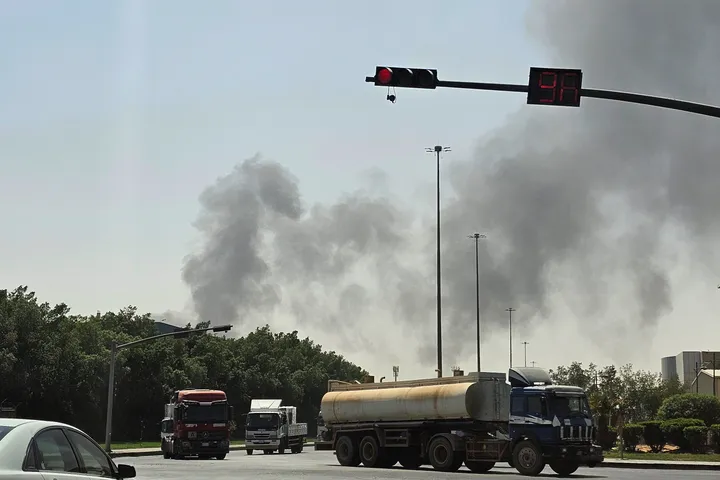
Yet the talks quickly exposed the fragility of the agreement. During negotiations in Switzerland, Iran once again threatened to close the Strait of Hormuz, while Donald Trump warned that the United States could resume strikes on Iranian territory if tensions escalated further.
According to Iranian media reports, Tehran's delegation briefly refused to return to the negotiating table following the exchange of threats, with communications continuing through intermediaries.
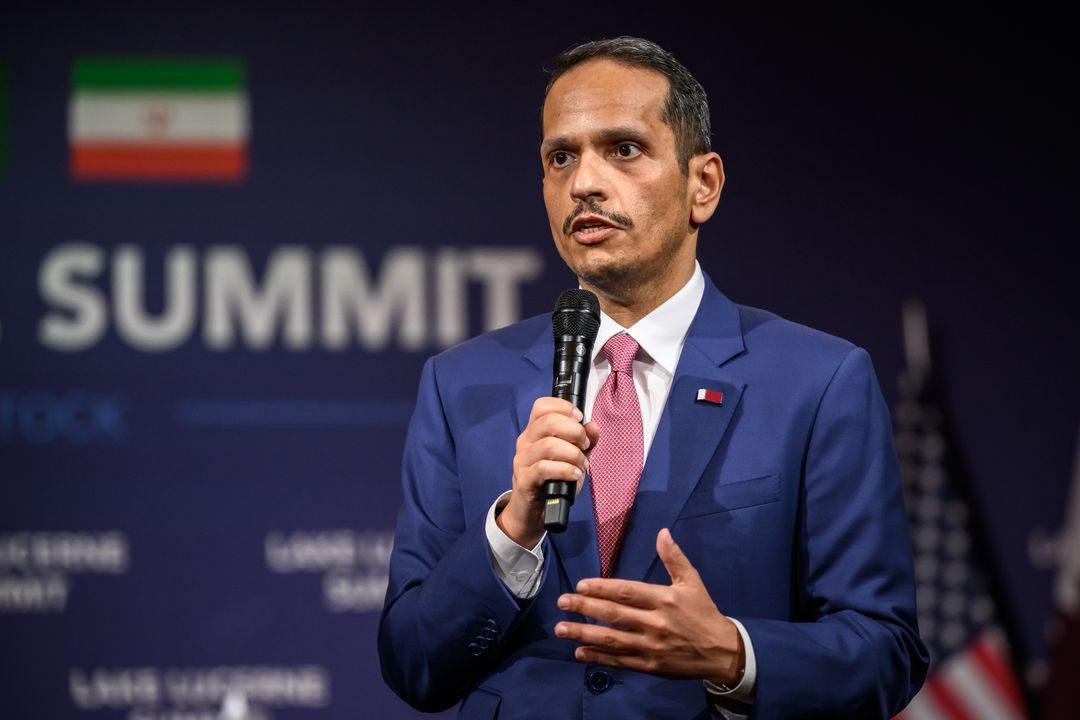
Despite the setback, negotiations remained on track. With mediation from Qatar and Pakistan, the two sides agreed on a roadmap for further talks and began addressing the most contentious issues, including sanctions relief, Iran's nuclear program, and regional security arrangements.
The memorandum's significance lies less in its immediate provisions than in whether it can be successfully implemented.
Its primary purpose is to shift the US-Iran confrontation—one that in recent months has come close to direct military conflict—back into the diplomatic arena.
Yet the agreement's implications extend far beyond bilateral relations. If implemented, it could reshape the regional balance of power and influence the future security order in the Middle East.
The memorandum focuses on four key areas: maritime security in the Strait of Hormuz, the future parameters of Iran's nuclear program, the gradual easing of sanctions, and discussions on a new regional security framework.
The main driver behind the negotiations is a strategic stalemate. Neither Washington nor Tehran has secured a decisive advantage, and the confrontation has become increasingly costly for both sides.
Both countries have incurred high economic and military costs, making continued escalation less attractive than a negotiated path forward.
According to Moody's Analytics, the US campaign against Iran has cost American taxpayers nearly $132 billion.
The estimate includes direct military expenditures as well as the economic impact of higher energy prices, rising commodity costs, and increased borrowing costs.
For Washington, a prolonged conflict meant diverting resources from higher-priority challenges, most notably strategic competition with China.
For Tehran, continued confrontation placed growing strain on the economy and domestic stability. As a result, both sides increasingly shifted their focus from achieving victory to managing the costs of the conflict.
Strategic outcomes
For Tehran, the agreement's main achievement is not the prospect of sanctions relief or economic concessions. Rather, it has helped avert a direct military confrontation with the United States at a time when escalating tensions were beginning to pose a broader threat to national stability.
At the same time, Iran has preserved key elements of its deterrence strategy, including its nuclear program as a source of political leverage.
In that sense, Tehran has not resolved its underlying challenges, but it has bought time and created space for future negotiations on more favourable terms.
The agreement also carries domestic political significance.
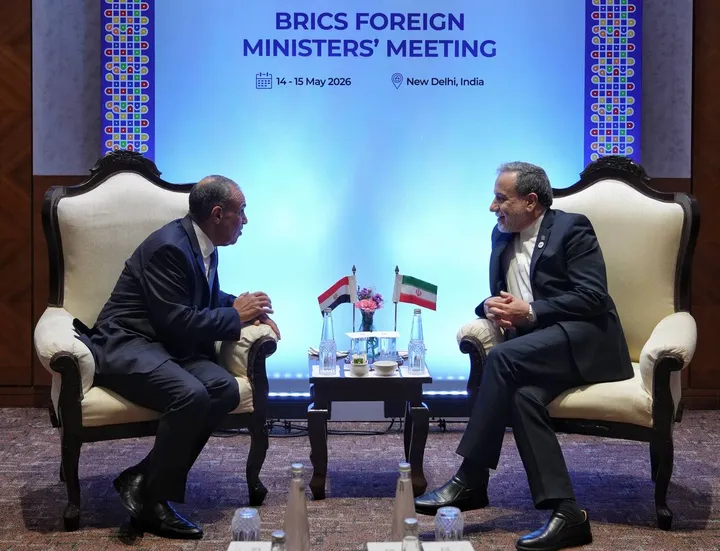

After months of confrontation, Iranian leaders can present the outcome as a diplomatic success rather than a setback, easing pressure from factions that had called for a more forceful response to the United States and Israel.
Perhaps the most significant outcome for Tehran is Washington's implicit acknowledgement that the dispute cannot be resolved through military means alone.
The return to negotiations suggests a shift away from efforts to compel Iranian concessions through pressure and toward a framework of managed competition and coexistence.
For Washington, the memorandum is primarily a mechanism for reducing tensions in the Middle East.
While the Trump administration did not secure Iran's capitulation or dismantle its nuclear capabilities, it has gained an opportunity to lower the risk of a broader regional conflict and refocus on other foreign policy priorities.
Notably, the first round of negotiations focused less on Iran's nuclear program than on Lebanon.
The decision to establish a dedicated mechanism to prevent escalation there suggests that both sides view the Lebanese front as the most likely source of a breakdown in the broader diplomatic process.
Israel as a Potential Spoiler
Israel views a possible normalisation of relations between Washington and Tehran not as a diplomatic breakthrough, but as a challenge to the region's existing security balance.
From Tel Aviv's perspective, the agreement is not simply a bilateral arrangement; it could reshape the broader regional balance of power.
Israeli concerns are rooted in the belief that any agreement is unlikely to eliminate Iran's nuclear capabilities entirely.
As a result, Israeli policymakers fear that Tehran could preserve the capacity to revive its nuclear ambitions if regional or international conditions shift in the future. In this view, the agreement manages the threat rather than resolves it.
Lebanon remains a particularly vulnerable aspect of the memorandum. Israeli Prime Minister Benjamin Netanyahu has made clear that Israel does not intend to halt military offensives in southern Lebanon and that future developments will depend largely on Hezbollah's actions.
The position reflects Israel's continued reliance on deterrence and military aggression as key elements of its security strategy.
Israel also rejects any easing of sanctions on Iran, arguing that economic recovery could strengthen Tehran's regional influence and provide it with greater political and strategic flexibility.
Yet the balance achieved by the memorandum remains highly fragile. Decades of mistrust, domestic political pressures, unresolved regional disputes, and Israel's obstruction of peace efforts all continue to create conditions for renewed escalation.
At the same time, the first round of talks in Switzerland demonstrated that neither Washington nor Tehran is ready to return to open confrontation.
Despite tensions over the Strait of Hormuz, mutual threats, and disagreements surrounding Lebanon, both sides agreed to continue negotiations and began discussions on sanctions, Iran's nuclear program, and regional security issues.
They also endorsed mechanisms aimed at preventing escalation in both Lebanon and the Strait of Hormuz.
The next 60 days will therefore test not only the viability of the memorandum itself, but also whether the two sides can turn a temporary reduction in tensions into a more durable framework for regional stability.
If they fail, the agreement may prove to be little more than another brief pause in the long-running US-Iran confrontation.
This article was first published on TRT Russian.