 Kazim Alam
As tensions along the Pakistan-Afghanistan border continue to simmer, the upcoming round of talks in Istanbul on October 25 offers a critical opportunity to the two neighbouring countries to solidify the fragile ceasefire brokered in Doha last week.
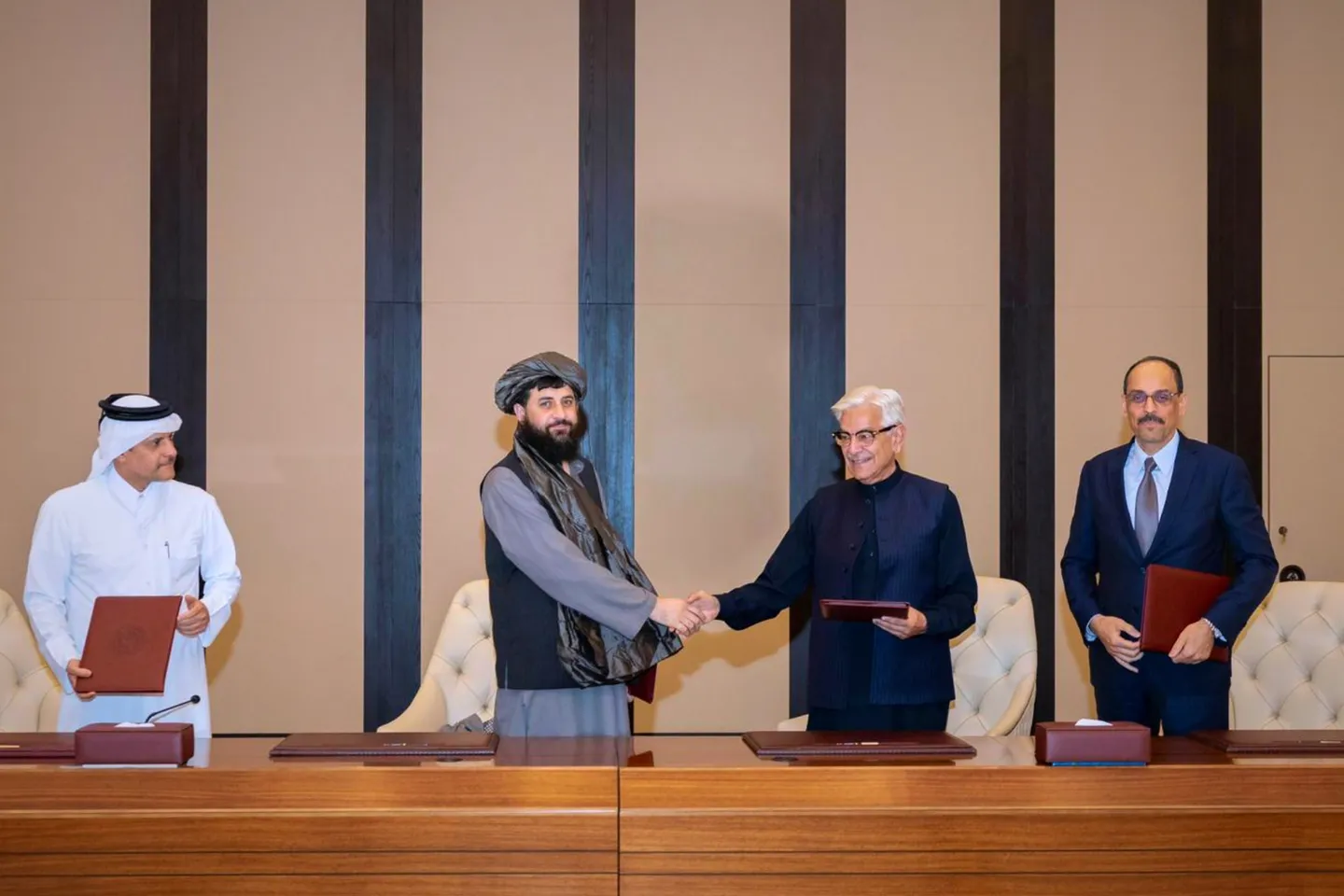
Mediated by Türkiye and Qatar, the Doha agreement marked a significant step in de-escalating hostilities between Islamabad and Kabul, driven by the issue of cross-border terrorism.
With Türkiye taking center stage as a trusted peacebroker, the upcoming Istanbul talks aim to transform this temporary truce into permanent peace.
For Pakistan, the stakes cannot be higher: Securing concrete commitments from Afghanistan to dismantle the alleged sanctuaries of the Tehrik-i-Taliban Pakistan (TTP) – a terrorist group responsible for a surge in cross-border attacks – and ensuring regional stability through diplomacy.
“The Istanbul round on October 25 now gives Türkiye an opportunity to (push the two countries) beyond temporary calm and towards a structured, verifiable peace framework,” Baqir Sajjad Syed, an Islamabad-based foreign affairs analyst, tells TRT World.
In Istanbul, Pakistan and Afghanistan expect to set up mechanisms for monitoring, verification, and sustained dialogue through technical committees, he adds.
“Doha produced the political breakthrough, while Istanbul is expected to operationalise it by defining what constitutes cross-border terrorism, how violations will be verified, and how disputes will be addressed,” he says.
Pakistan has faced a rising tide of terrorist attacks in recent weeks, resulting in scores of civilian and military deaths. It accuses the TTP of carrying out terrorist attacks, claiming they operate out of Afghanistan, with active backing from Islamabad’s arch-rival India.
Pakistan demands that the interim Taliban government rein in the TTP in Afghanistan, but Kabul denies the existence of the terrorist group in the country.
More than 500 Pakistanis, including 311 soldiers, have been killed in attacks carried out by the TTP this year alone.
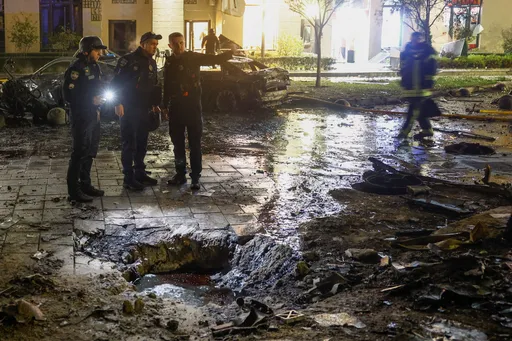
Last week, Islamabad conducted air strikes in Kabul, targeting the head of the TTP, according to Pakistani officials.
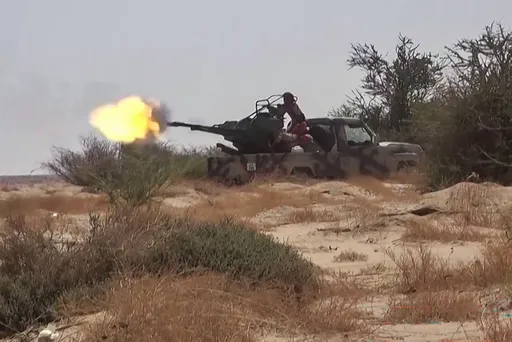
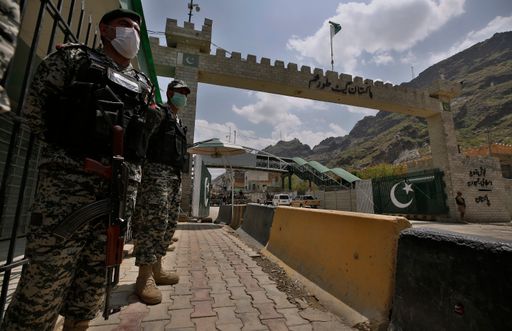
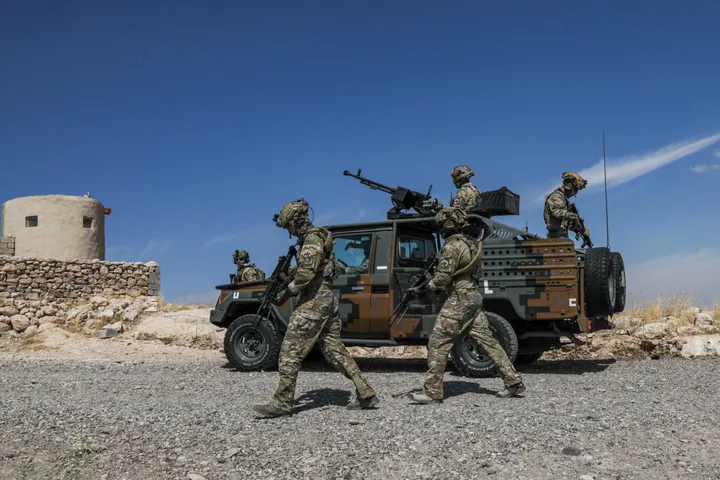
The Taliban conducted counter-attacks on Pakistani military posts along the 2,600-kilometre border.
Türkiye’s mediation and strategic ties
Analysts say Türkiye leveraged its diplomatic credibility and counterterrorism expertise in Doha, playing an instrumental role in securing an immediate ceasefire between Islamabad and Kabul.
Turkish mediators are now poised to take the peace process further in Istanbul later this week by establishing mechanisms for sustained dialogue between the two sides.
Türkiye’s mediation is particularly significant given its historical and strategic ties with both Pakistan and Afghanistan.
Ismail Ermagan, a professor of international relations at Istanbul Medeniyet University, says that Kabul holds “historical, cultural, and geopolitical significance” for the Turkish people, even though Ankara does not formally recognise the Taliban government.
“Pursuing peace diplomacy is quite natural. This process strengthens Türkiye’s regional mediation capacity and constitutes a critical turning point for border security and stability in South Asia,” he tells TRT World.
Türkiye’s experience combating the PKK – listed as a terrorist organisation by Ankara, Washington and the European Union – and managing border insurgencies gives it unique insights into Pakistan’s concerns about TTP sanctuaries in Afghanistan, Syed says.
Targeting the TTP threat
Pakistan has faced a surge in terrorist attacks since the Taliban’s return to power in the neighbouring country in 2021.
The spike in terrorist attacks in Pakistan has coincided with Kabul’s warming ties with New Delhi.
This is despite the fact that Pakistan’s mediation was critical in securing the US withdrawal from Afghanistan in 2021, which led to the Taliban’s return to power in Kabul.
According to Syed, Pakistan will seek the dismantling of “known TTP sanctuaries and the arrest or expulsion of key figures” alongside a “clear timeline and measurable benchmarks” for action, such as raids or the destruction of safe houses, during the upcoming Istanbul talks.
Islamabad is also advocating for intelligence-sharing, cross-border coordination, and real-time monitoring of terrorist movements and financing.
To ensure compliance with the terms of peace, Pakistan supports a third-party oversight mechanism, potentially co-chaired by Türkiye and Qatar, to verify progress and address violations, he says.
Ermagan, the international relations professor, also mentions that there could be additional demands, such as Afghanistan’s ideological separation from the TTP and the implementation of joint border patrols and rapid-response systems.
Syed warns that without international guarantees, Islamabad may find itself compelled to explore unilateral measures to defend its security interests.
This underscores the urgency of the Istanbul talks for Pakistan, which views Türkiye’s mediation as a pathway to institutionalising peace and preventing further escalation.
While Pakistan’s focus is on counterterrorism, Afghanistan’s priorities in Istanbul seem more complex, balancing domestic pressures with international expectations.
The Taliban interim government, seeking international recognition and economic support, are wary of escalating tensions with Islamabad, especially given the presence of Afghan refugees in Pakistan.
Zabihullah Mujahid, the Taliban spokesperson, announced after Doha talks that neither country will take hostile actions against the other, adding that “support will not be provided to groups operating against the government of Pakistan”.
Ermagan notes that the Afghan leadership expects the situation not to escalate because it has “relatives living in Pakistan”.
Kabul may also push for relaxed border restrictions and trade facilitation, while resisting measures it perceives as infringing on its sovereignty.
Analysts say the Taliban’s governance challenges cast doubt on their ability and willingness to crack down on the alleged presence of TTP.
As a result, Türkiye’s role will be crucial in bridging this gap, encouraging Kabul to commit to actionable steps.
Internationalising cross-border terrorism issue
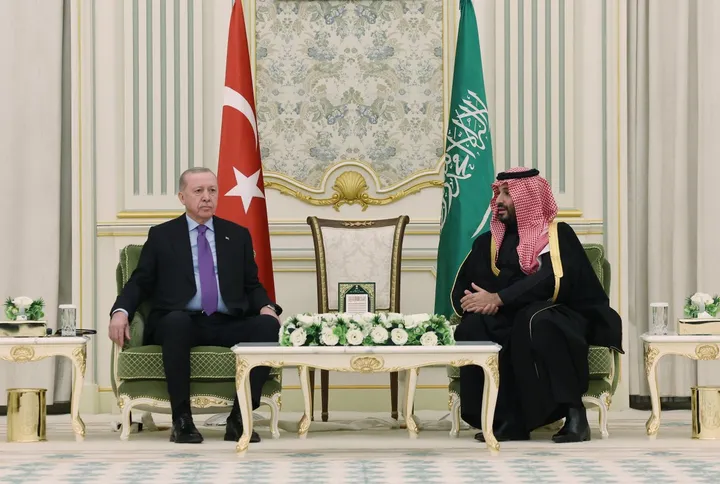
The involvement of Türkiye and Qatar marks a historic shift, transforming the Pakistan-Afghanistan border dispute from a bilateral irritant into an internationalised issue.
“The participation of Türkiye and Qatar shifts the Pakistan-Afghanistan security dispute from a tense bilateral standoff to one being addressed through a structured, multilateral peace process,” Syed says.
This internationalisation offers Pakistan and Afghanistan a platform to present their grievances under neutral oversight, reducing the risk of dismissal as mere bilateral friction, he adds.
Ermagan echoes this view, saying the mediators’ involvement has elevated a bilateral issue to the international diplomatic agenda.
Saudi Arabia can also play a complementary role through financial and diplomatic contributions, further solidifying the peace process, he adds.
Türkiye’s mediation is not just about resolving immediate tensions but about fostering long-term stability in South Asia.
“The role of Türkiye and Qatar holds the potential to create a sustainable and collective security architecture in South Asia to strengthen counterterrorism, border security, and regional stability,” Ermagan says.