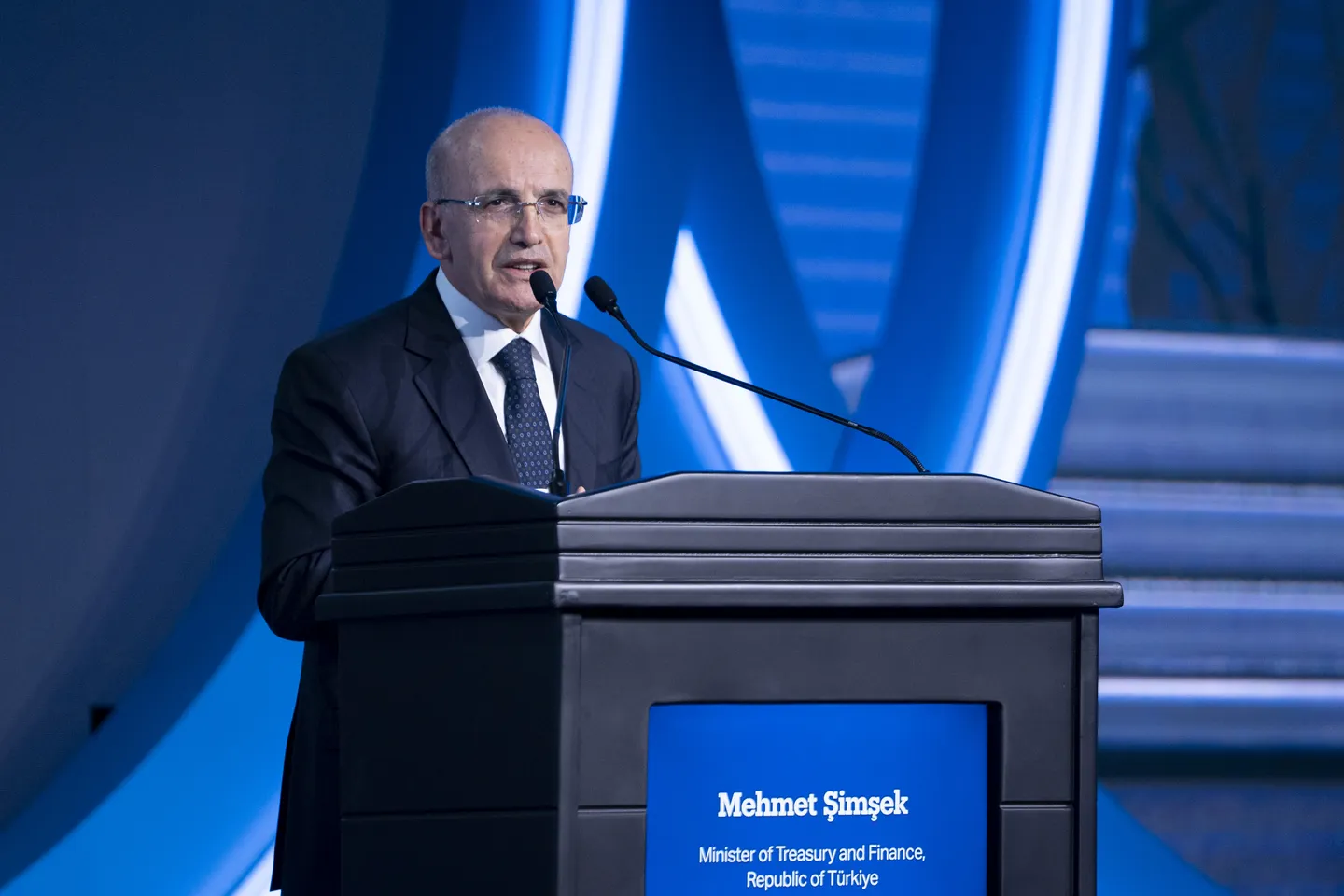
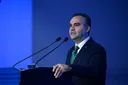
Turkish Treasury and Finance Minister Mehmet Simsek has said that the war in the Middle East would fundamentally reshape the region's economic and security landscape, accelerating efforts to reduce strategic dependencies, diversify trade routes and strengthen regional cooperation.
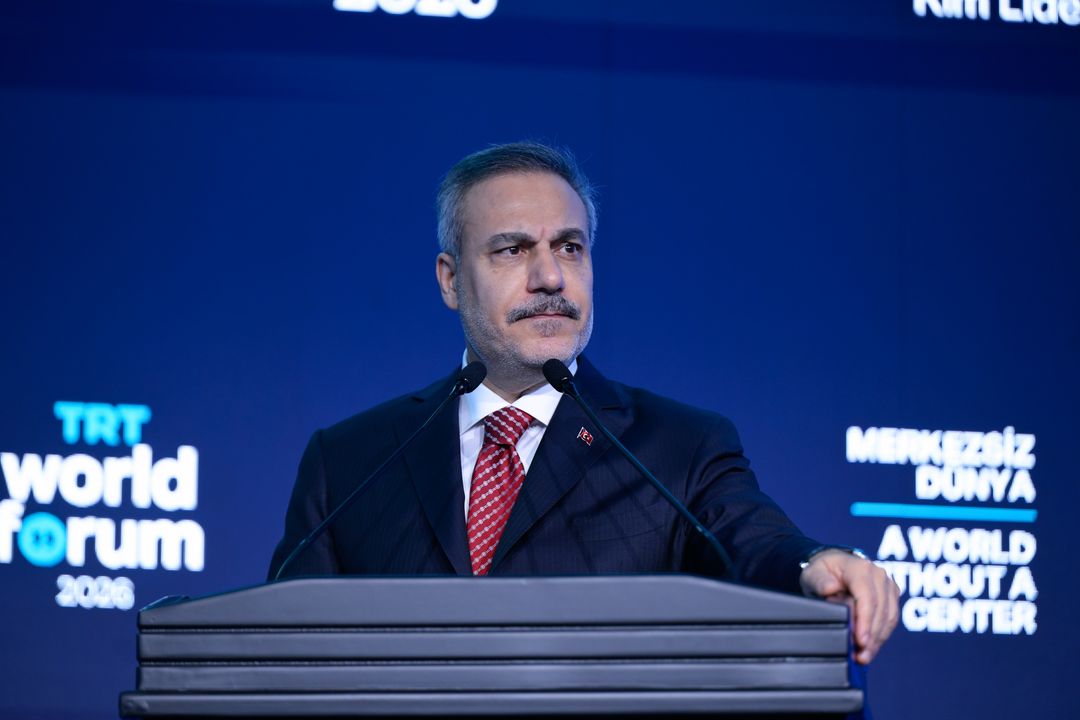
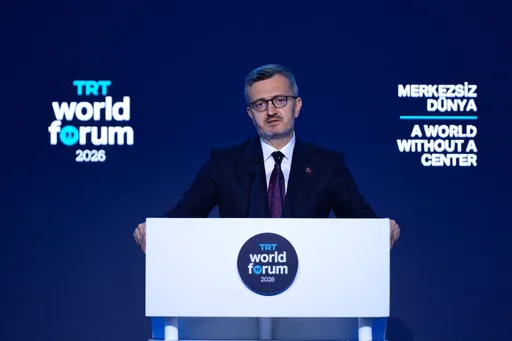
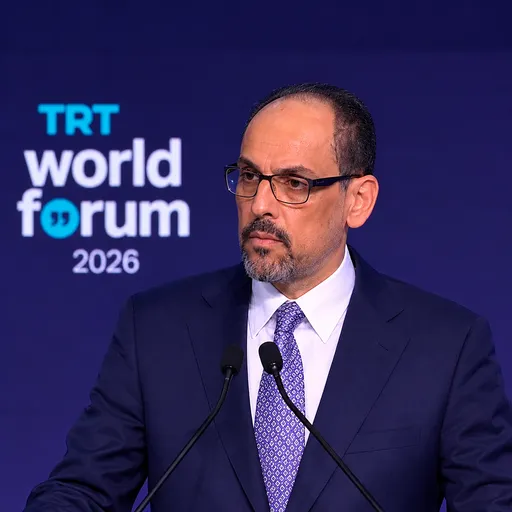
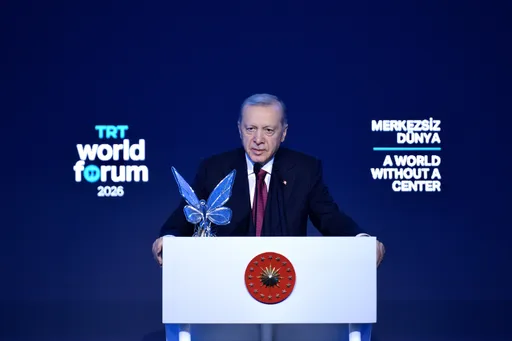
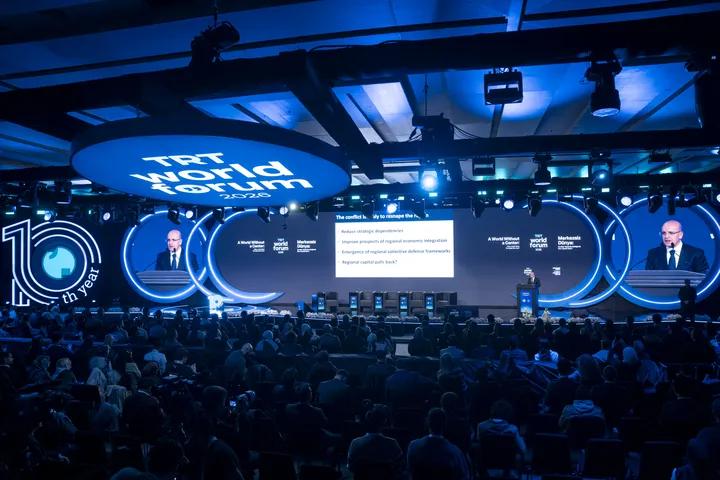
Speaking at the TRT World Forum panel on Saturday titled "Towards a Rocky Recovery: National Economies After the Wars in the Middle East, Simsek warned that the conflict had triggered a major supply shock, particularly in energy markets, with consequences extending well beyond the region.
"The one that we have been experiencing is two times the 1973-74 oil embargo and seven times the Russia-Ukraine energy destruction," he said, referring to the scale of the disruption.
Simsek noted that much of the region was already experiencing recession, while countries on the front lines had suffered substantial declines in exports and imports.
Globally, growth had slowed, and financial conditions had tightened amid higher inflation, partly driven by the conflict.
Citing an International Monetary Fund (IMF) study examining 170 conflicts since 1946, he said wars typically resulted in output losses of between 3% and 7%, adding that sustainable recovery depended on achieving lasting peace.
"If there is no durable peace, it would be very hard to talk about a durable recovery," he said.
Türkiye’s strategic position
Simsek argued that the conflict would prompt countries to reconsider their strategic dependencies, particularly their reliance on critical maritime routes such as the Strait of Hormuz.
He said governments were likely to invest more heavily in alternative trade corridors, infrastructure, energy security and regional connectivity to reduce vulnerabilities to future disruptions.
The minister also highlighted the need to strengthen economic integration across the Middle East and North Africa (MENA), where interregional trade remains relatively limited compared with other parts of the world.
While trade within Europe accounts for approximately 67 percent of regional commerce and reaches 59 percent in East Asia and the Pacific, the figure stands at just 15 percent in Latin America and the Caribbean, according to the comparisons presented by Simsek.
He said economic diversification would be essential to increasing trade within the MENA region.

Türkiye pursues mediation efforts
Turning to Türkiye’s position, Simsek said Ankara remained committed to rules-based trade and regional economic integration, despite growing protectionist tendencies worldwide.
Türkiye has 54 free trade agreements covering nearly 70% of its exports, while negotiations are ongoing with Japan, Indonesia, the Gulf Cooperation Council, and Canada for new-generation agreements.
He also highlighted Türkiye’s role in regional connectivity projects, including the Middle Corridor linking Beijing to London and the Development Road project connecting the Gulf and Iraq with Türkiye and European markets.
Simsek said Türkiye was also pursuing diplomatic initiatives and mediation efforts, including work on the Armenia-Azerbaijan peace agreement, efforts to facilitate negotiations between Russia and Ukraine, and involvement in efforts to achieve peace in Gaza.
Strengthening defence capabilities
However, he stressed that investing in peace must be accompanied by strengthening defence capabilities.
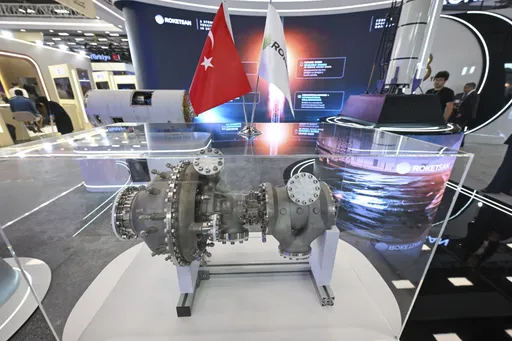
Türkiye’s growing defence industry, which includes approximately 4,000 companies and between 1,400 and 1,500 ongoing projects, was becoming an increasingly important asset.
Simsek said Turkish defence equipment orders reached approximately $18 billion last year, while the country ranked 11th among global defence exporters.
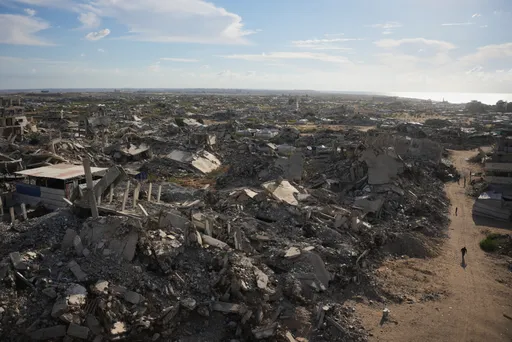
He also pointed to Türkiye’s potential role in postwar reconstruction, estimating that reconstruction needs in conflict-affected neighbouring regions could reach at least $1 trillion over the next decade.
Concluding his remarks, Simsek said Türkiye was well-positioned to benefit from greater regional integration because of its industrial base, infrastructure and expanding services sector.
"Wars are not in our interest. We benefit most from stability, peace, and prosperity in the region," he said.