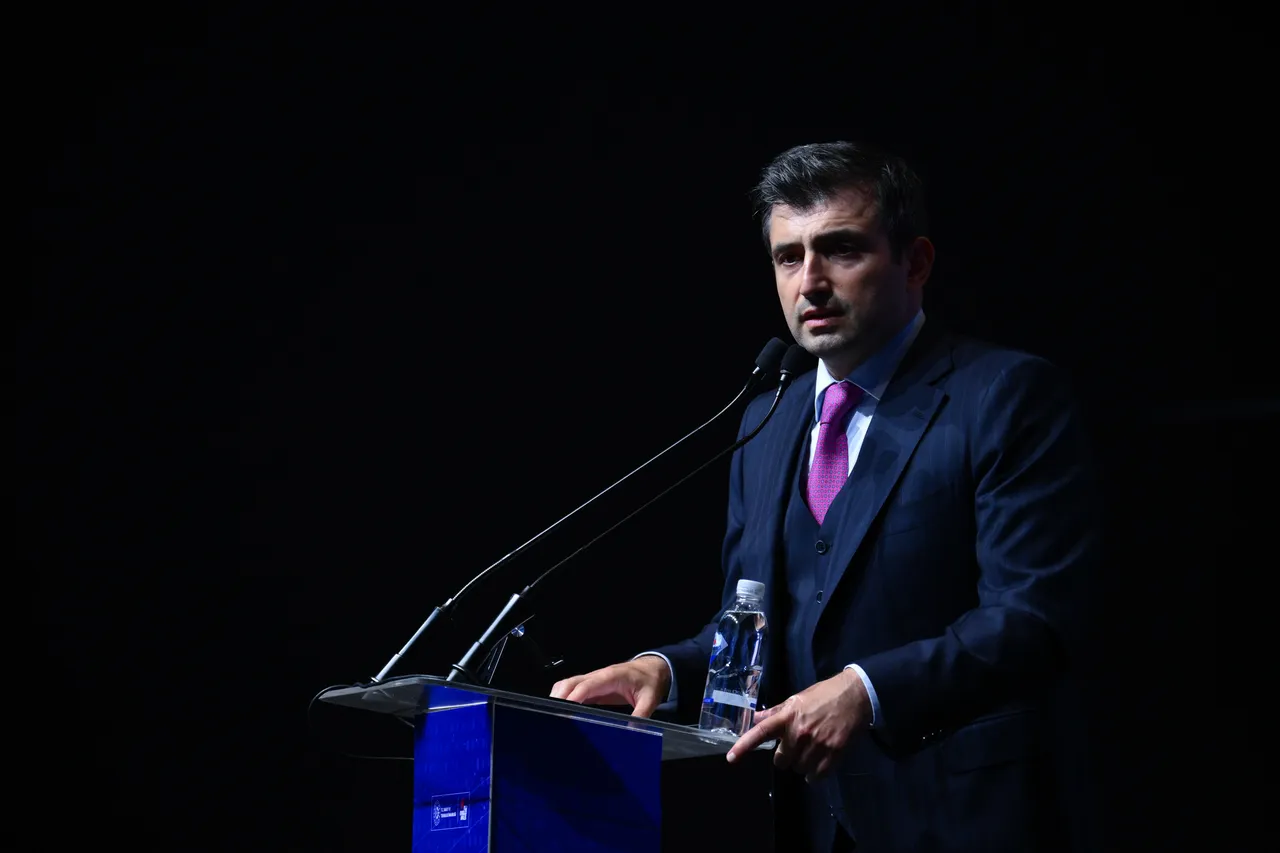
Global tech conglomerates are using modern consumer software and artificial intelligence to establish a new era of "techno-capitalist dominance" that directly threatens the sovereignty and free will of nations, Turkish defence company Baykar's Chairman Selcuk Bayraktar has said.
Speaking at the Türkiye Artificial Intelligence Summit on Saturday, Bayraktar criticised big tech platforms for trapping billions of users in algorithmic loops designed to optimise screen time through neurological exploitation.
"Today, the greatest threat to our independence is not conventional armies massing at our borders," Bayraktar said, warning that risks now target supply chains, data centres, and personal devices.
"The background artificial intelligence analyses our neurological vulnerabilities, triggering dopamine releases to optimise content based on anger, hedonism, and fear just to keep us on that screen for 10 more seconds," he noted.
Shift to open-source systems
To counter the monopoly of global technology cartels, Bayraktar urged developing countries and allied nations to build independent, transparent, and auditable open-source ecosystems.
He highlighted that modern digital giants demand immense processing power and energy resources to maintain their hegemony, comparing their efforts to the monolithic structures built by ancient rulers to elevate their egos.
Instead of chasing raw processing power, Bayraktar suggested a hybrid approach to AI development that focuses on methodological improvements, the structure of language, and human cognitive capabilities.
"Any capability we add to the statistical AI machine that mimics human thinking mechanisms will save us from being condemned to giant processor stacks," he said.
He further underlined that open-source architecture remains essential for data privacy, information security, and digital sovereignty.








For systems that must be procured externally, especially critical infrastructure, open-source models must be a strict prerequisite, he added.

Alternatives to data monopolies
Bayraktar warned that allowing global tech giants to gather all human data within centralised servers constitutes a silent coup against national sovereignty.
As a solution, he argued for the implementation of distributed learning and processing architectures.
Under this model, data remains localised within national borders and institutions while algorithms learn across distributed networks without violating privacy.
He also showcased recent platforms developed by the Teknofest generation aimed at securing digital autonomy, including NSosyal, which is a social media platform designed to facilitate face-to-face-style communication without exposing users to harmful, polarising, or toxic algorithms.
T3 AI is a newly deployed Turkish large language model trained on local cultural values and resources, shared with public institutions for public benefit, and Kure is an open-source digital encyclopedia aimed at delivering verified, traceable, and reliable knowledge to humanity.
Highlighting the defence applications developed by Baykar, he noted that new-generation AI systems, autonomous drone swarms, and doctrine-altering technologies are all products of this youth-driven tech movement.
"The ultimate bearer of this cause and goal is not the speed of the machine, but the consciousness of the human being," Bayraktar added.