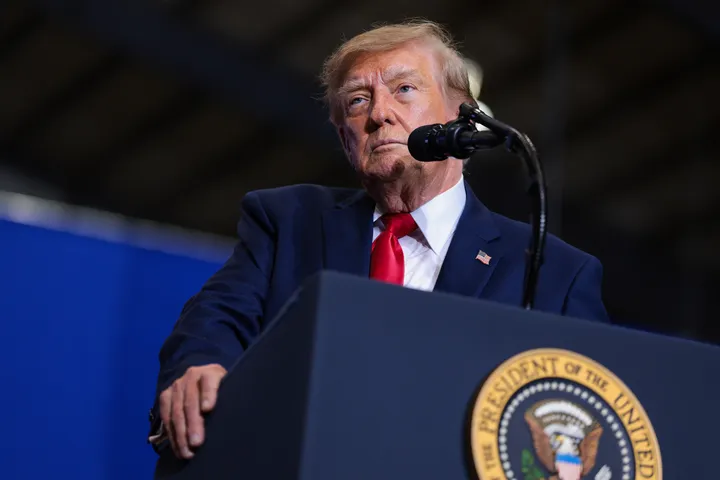
US military and intelligence officials have begun discussing a potential reduction in personnel and facilities permanently stationed in the Middle East if President Donald Trump’s administration succeeds in ending the conflict with Iran, CNN has reported, citing six sources.
The informal discussions could lead to another shift in Washington's military and intelligence posture in a region where the US dramatically expanded its presence following the September 11 2001 attacks, according to the report.
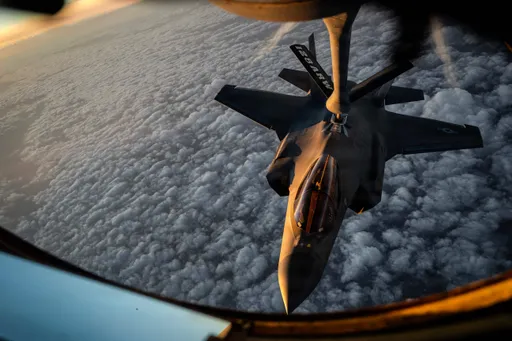
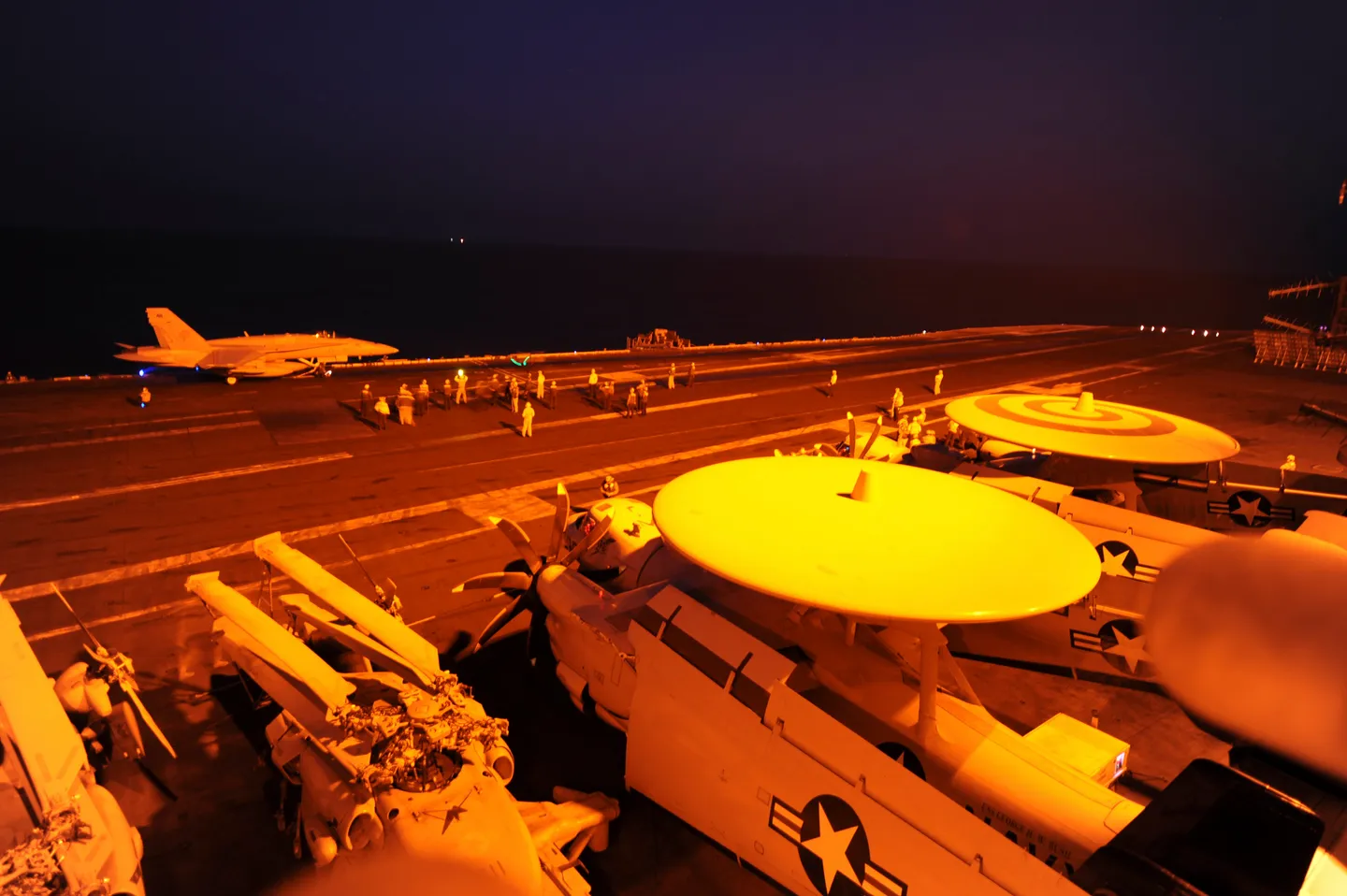
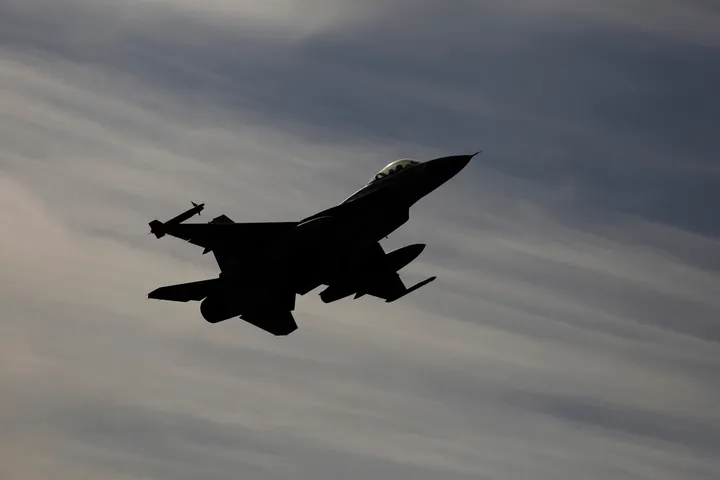
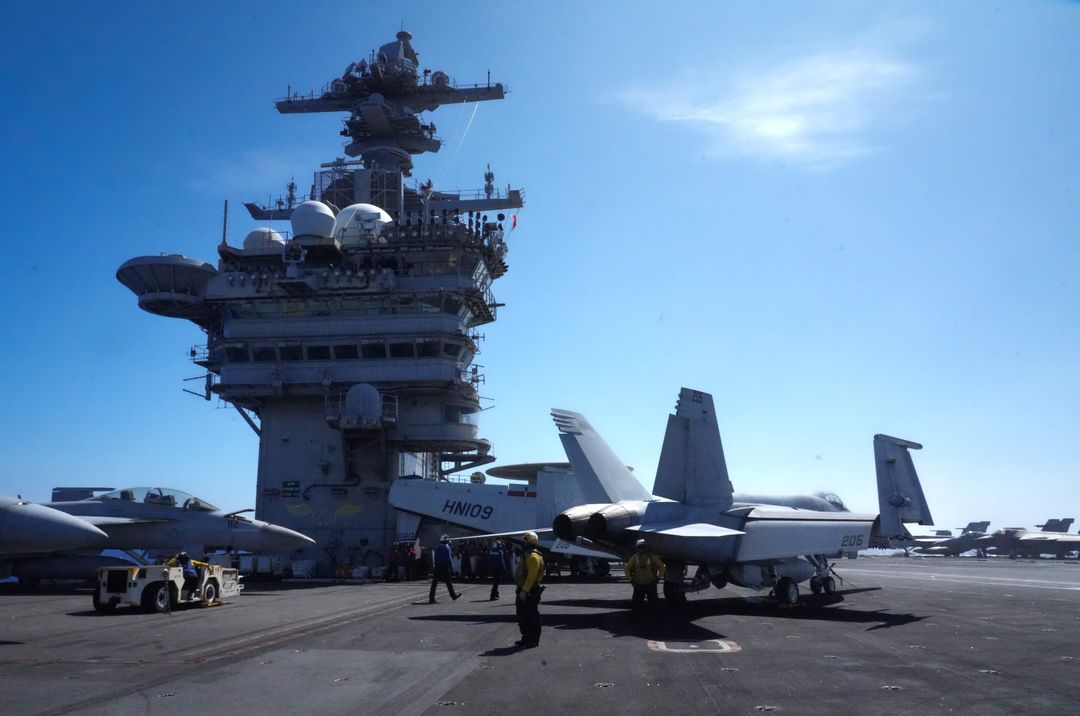
Officials are considering possible cuts even as about 50,000 US troops remain deployed across the Middle East alongside significant military assets, including two aircraft carriers and more than a dozen guided-missile destroyers.
The US military has developed several possible options for changing its force structure in the region as early as next year, two sources told CNN. No formal force posture review has been ordered, however.
Shifting defence burden to regional partners
Senior Pentagon officials have also privately indicated that they want to reduce troop levels in several Gulf countries while shifting more of the defence burden to regional partners, the report said.
At the same time, the Pentagon is examining ways to strengthen defences for forces expected to remain in the region, including potentially moving some installations underground to protect them from Iranian missile and drone attacks.
The idea gained urgency after Iranian strikes during the conflict exposed vulnerabilities at US facilities, according to CNN.
"The vulnerabilities were always known, but the US never acted on it with urgency," a US official told the network.
Iranian attacks have caused significant damage to American facilities across the region, the report said. A CIA outpost in Riyadh, Saudi Arabia, was effectively destroyed, while US military installations in Bahrain, Qatar, Saudi Arabia and Kuwait were also struck, according to CNN.



Officials are considering whether some intelligence and special operations missions could be conducted without permanent regional bases, with personnel and equipment instead deployed from the US for specific missions before returning home.
May choose not to rebuild damaged facilities
Washington may also choose not to rebuild some facilities severely damaged or destroyed in Iranian attacks because of the costs involved.
Pentagon comptroller Jules "Jay" Hurst III said in April that decisions on repairing damaged facilities would depend partly on Washington's future regional posture.
Reports say despite discussions about a smaller US military footprint, Washington and Tehran remain far from a settlement. Iran continues to target US forces and bases, including attacks on American installations in Jordan and the United Arab Emirates last week.
Pentagon officials broadly expect the US to retain some large permanent bases in the Middle East, though reconstruction could depend on host countries contributing to costs that could reach billions of dollars.
Report highlights that US forces are also expected to remain vulnerable to Iranian attacks in the near term.
Chief of Naval Operations Adm. Daryl Caudle said last week that US Navy personnel would not return soon to Bahrain, the traditional home of the 5th Fleet.
"We're not getting back in there anytime soon," Caudle said.