Iran has strongly condemned US strikes on three Iranian crude oil tankers as "illegal and aggressive" and vowed "more severe" retaliatory attacks if Washington kept up its strikes on Iranian ships.
"These illegal and aggressive actions, carried out in continuation of the US military aggression against Iran and as part of its naval blockade and economic war against our homeland, constitute a clear violation of Article 2, Paragraph 4 of the UN Charter, a war crime, and a clear threat to international peace and the security of commercial shipping," the Iranian foreign ministry said in a statement on Saturday.
The ministry stressed Iran's determination to "firmly defend its sovereignty and national interests" against what it described as US "state terrorism and aggressive actions."
It said such actions included "the continued naval blockade and economic war, as well as attacks on commercial vessels."
The ministry said responsibility for the consequences of continued US "aggressive and interventionist actions" in the region would rest with Washington and its "accomplices and partners".
'More severe' reprisals
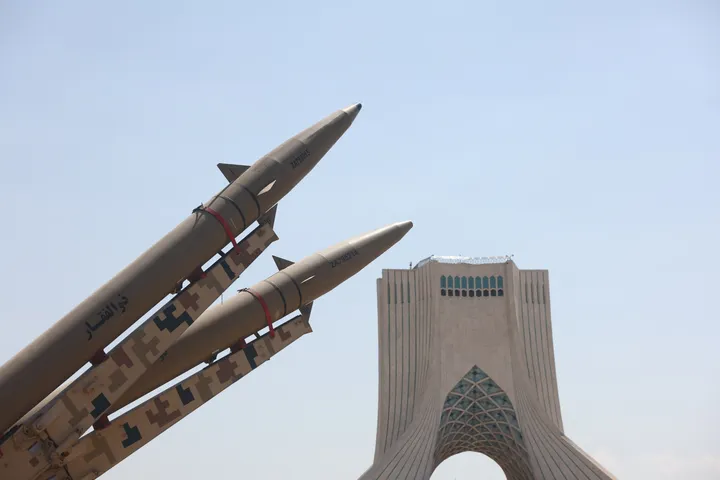

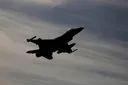
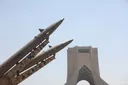
Iran’s military, meanwhile, vowed "more severe" retaliatory attacks on US naval vessels if Washington kept up its strikes on Iranian ships.
"The US army is warned that if the evil actions, insecurity and harassment of Iranian ships and the naval blockade of Iran continue, the strikes by the armed forces of Iran against US military vessels in the region will be more severe than before," the Khatam al-Anbiya central command said.
It added that retaliatory operations could also be expanded.
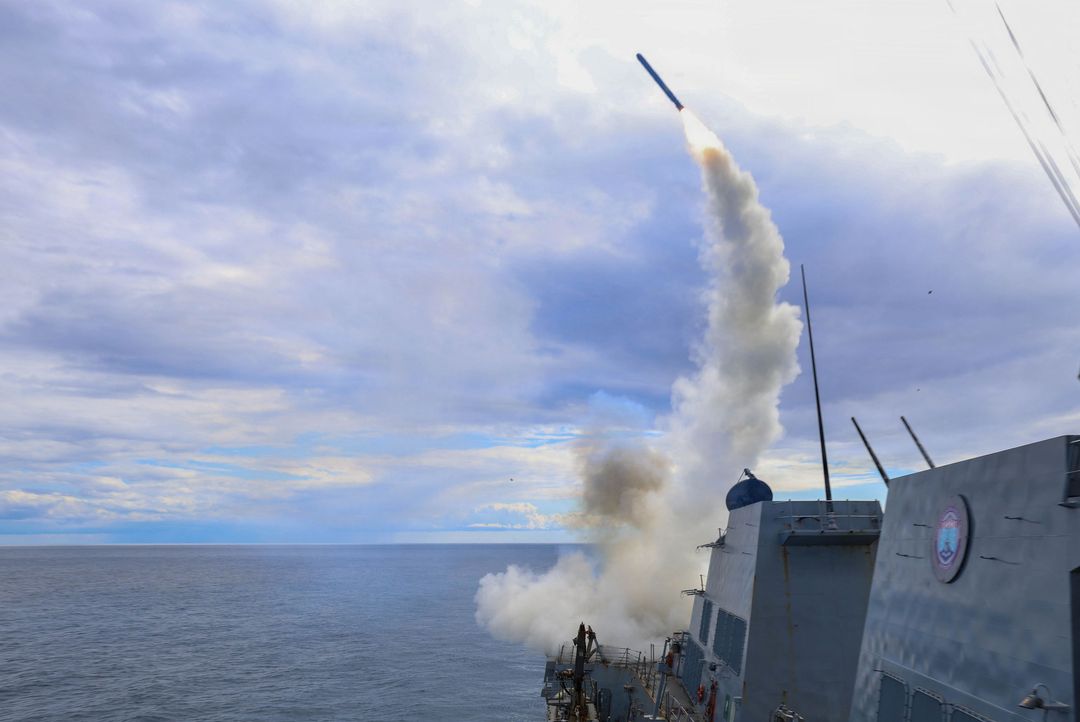
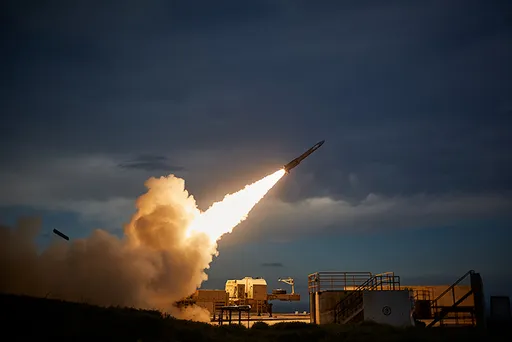
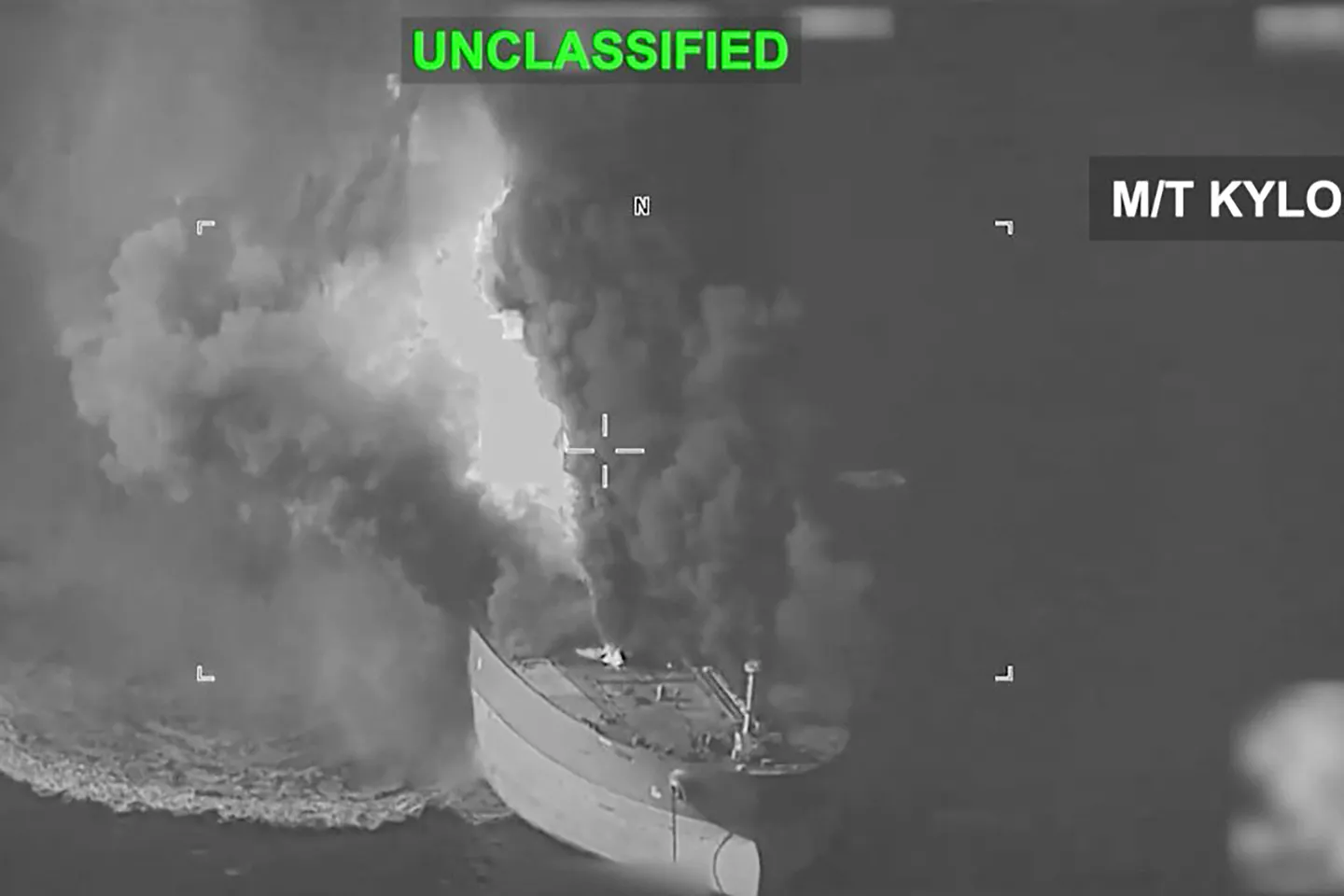
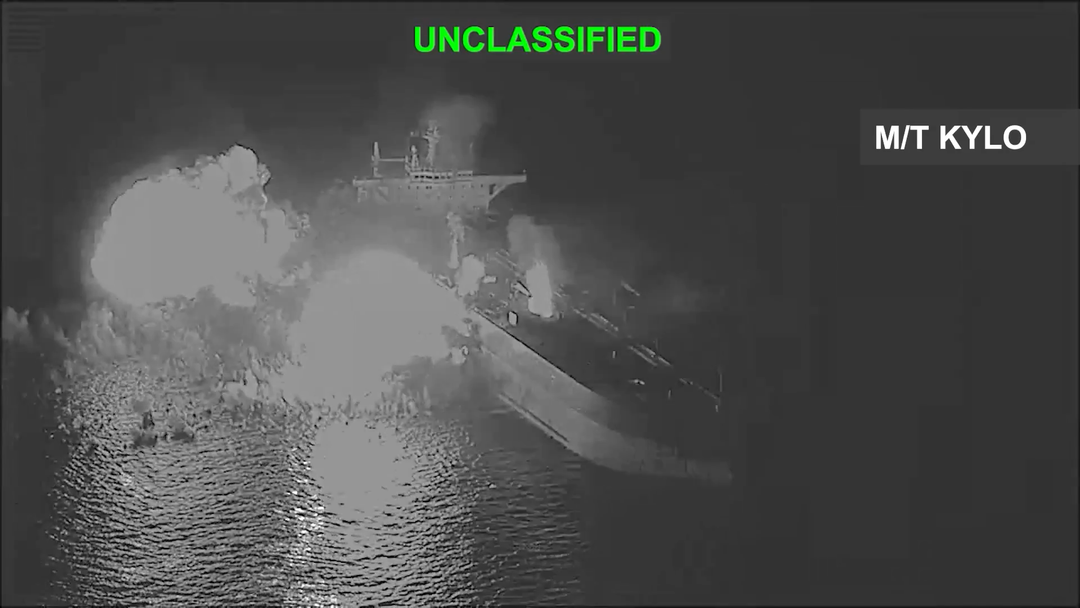
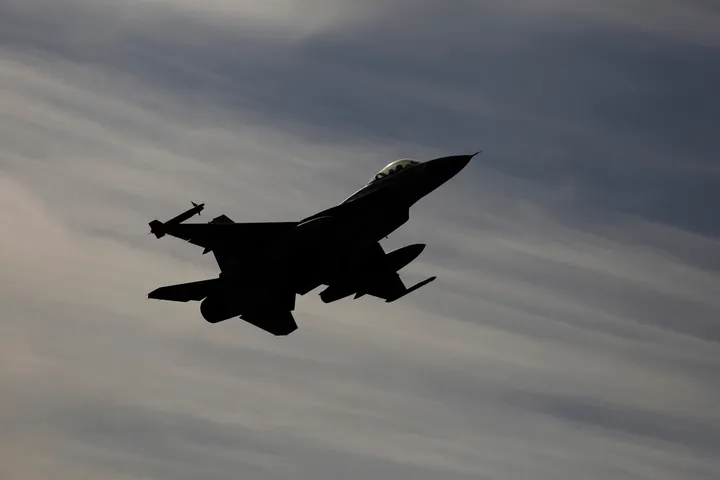
The warnings came hours after US Central Command said its forces had struck and disabled three Iranian crude oil tankers following ballistic missile launches by Iran’s Revolutionary Guards towards two US Navy warships in regional waters.
Regional tensions have escalated since US-Israeli attacks on Iran began on February 28, with Tehran responding with missile and drone strikes against Israel and US interests across the region.
Washington and Tehran signed a memorandum of understanding in June concerning freedom of navigation through the Strait of Hormuz, but its implementation has stalled amid disagreements over security arrangements in the strait.