Ezgi Toper
Azerbaijani environmentalists, representing various non-governmental organisations, have been protesting since mid-December along the Lachin road, a vital land link in the Karabakh region.
The activists are rallying against what they call the illegal exploitation of the area's natural resources by neighbouring Armenia.
But Yerevan has complained that the demonstration has led to the closure of the road since December 21, and the situation is now threatening to derail the Russian-mediated talks between the two former Soviet states.
The road, also commonly referred to as the Lachin Corridor, is the only passage for Armenia to reach and deliver supplies to the 120,000 ethnic Armenians living in a mountainous enclave of Karabakh.
Since late 2020, the road has been policed by Russian peacekeepers.
During a December 27 meeting with Russian President Vladimir Putin in Saint Petersburg, Armenian Prime Minister Nikol Pashinyan called the situation at the Lachin Corridor a "crisis" demanding immediate attention.
Azerbaijan has repeatedly denied Armenia's claims, citing the unhindered flow of vehicles belonging to the Red Cross and the Russian peacekeeping contingent in the region.
What makes the Lachin Corridor so sensitive that diplomatic dialogue has been bogged down between the neighbouring countries?
READ MORE:Azerbaijan says it raised "legitimate concerns" over Lachin Corridor in UN
Natural resources
The Karabakh region is home to various natural resources, among which are minerals such as nonferrous metal ores and gold worth billions of dollars.
Relations between Armenia and Azerbaijan have been tense since 1991, when the Armenian military occupied Karabakh, a territory internationally recognised as part of Azerbaijan, and seven adjacent regions.
In 2020, Armenia and Azerbaijan fought a six-week war.
The fighting claimed more than 6,500 lives and ended with a Russian-brokered truce that saw Yerevan cede territories it had controlled for decades.
Following the ceasefire, Moscow stationed peacekeepers in parts of Karabakh that remained under Armenian separatist control, including the Lachin Corridor.
READ MORE: Shusha and Lacin: The two towns shaping the Armenia-Azerbaijani conflict


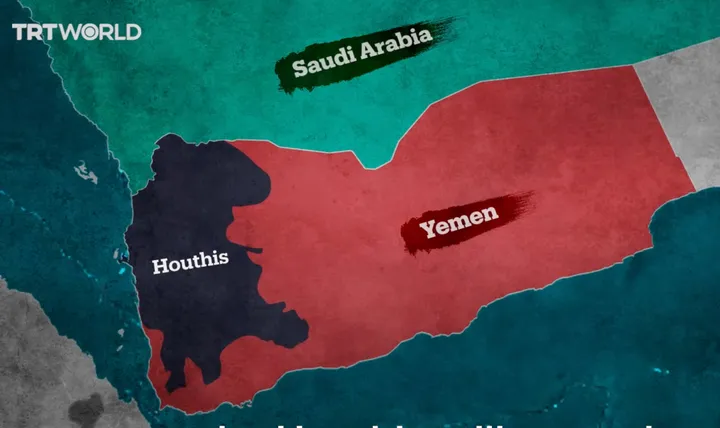
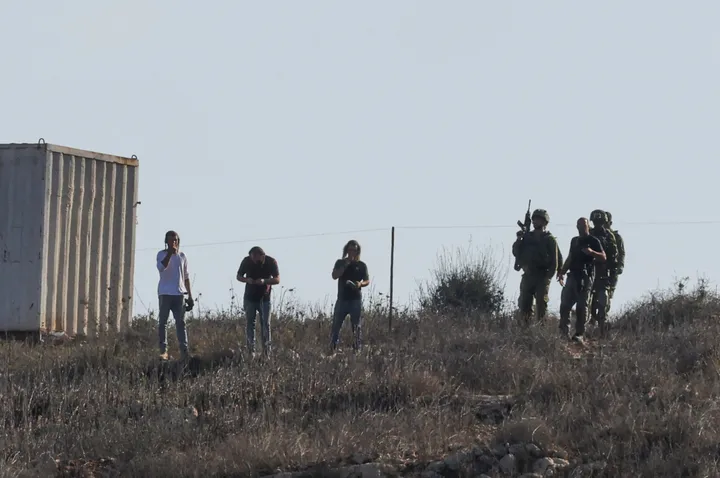



In December, Azerbaijani environmentalists staged a protest in the Lachin Corridor, and Baku sent a diplomatic note to Moscow concerning the "illegal exploitation" of natural resources in the area by the Armenian side.
They also complained that its officials were prevented from entering the mining area.
An Azerbaijani Foreign Ministry statement later claimed that illegal exploitation and looting of natural resources had been detected, especially in the Kyzylbulag gold and Demirli copper-molybdenum mines - areas accessible only through the Lachin Corridor.
More than 160 deposits of various precious metals in the territories were allegedly exploited by Armenia, according to Musa Mammadov, head of the Department of the Institute of Geology and Geophysics at Azerbaijan’s National Academy of Sciences (ANAS).
The communique said that negotiations were held between the two sides, and an agreement was reached on December 10, but Azerbaijani officials were still blocked from visiting the area.
READ MORE: Azerbaijan demands Karabakh mine access amid environmental protests
False narrative of 'blockade'
The Lachin Corridor is the only land route between Armenia and the mountainous region, which is home to a significant ethnic Armenian population.
Since the end of the 2020 conflict, Baku has said it is ready to meet the humanitarian needs of the Armenian residents living in the territories of Azerbaijan.
In addition, it said that Armenians with Azerbaijani citizenship living in the city of Khankendi will be able to travel to and from Armenia through a new planned corridor in the region.
However, Azerbaijan noted that Armenia has been preventing the implementation of such projects which were envisioned under the Trilateral Agreement of January 11, 2021 between Baku, Moscow, and Yerevan.
According to a statement by Azerbaijan’s Mission to NATO, Armenia has been misusing the Lachin road for illegal activities, while also failing to open all transport communications in the region in violation of the trilateral agreement.
Furthermore, the statement said that more than 2,700 Armenia-produced landmines were found in the region in the last four months and were transferred by Armenia through the corridor, which it said is “the only available route to do so.”
“The Lachin road is open to Armenian residents and can be used according to the (January 2021) Trilateral Statement. Armenia and certain puppets deliberately prevent civilians from using it to build a false narrative of 'blockade',” it added.
READ MORE:Türkiye urges Armenia to take confidence-building measures, sign peace deal