Britain's national security adviser, Jonathan Powell, attended the final round of US-Iran talks and judged that Tehran's offer on its nuclear programme was significant enough to prevent a rush to war, according to multiple sources and a report by The Guardian.
Powell believed progress had been made during discussions in Geneva in late February and described the Iranian proposal as "surprising," sources said.
A further round of technical talks had been scheduled in Vienna, but never took place.
Two days after the Geneva talks ended, the United States and Israel launched their war on Iran.
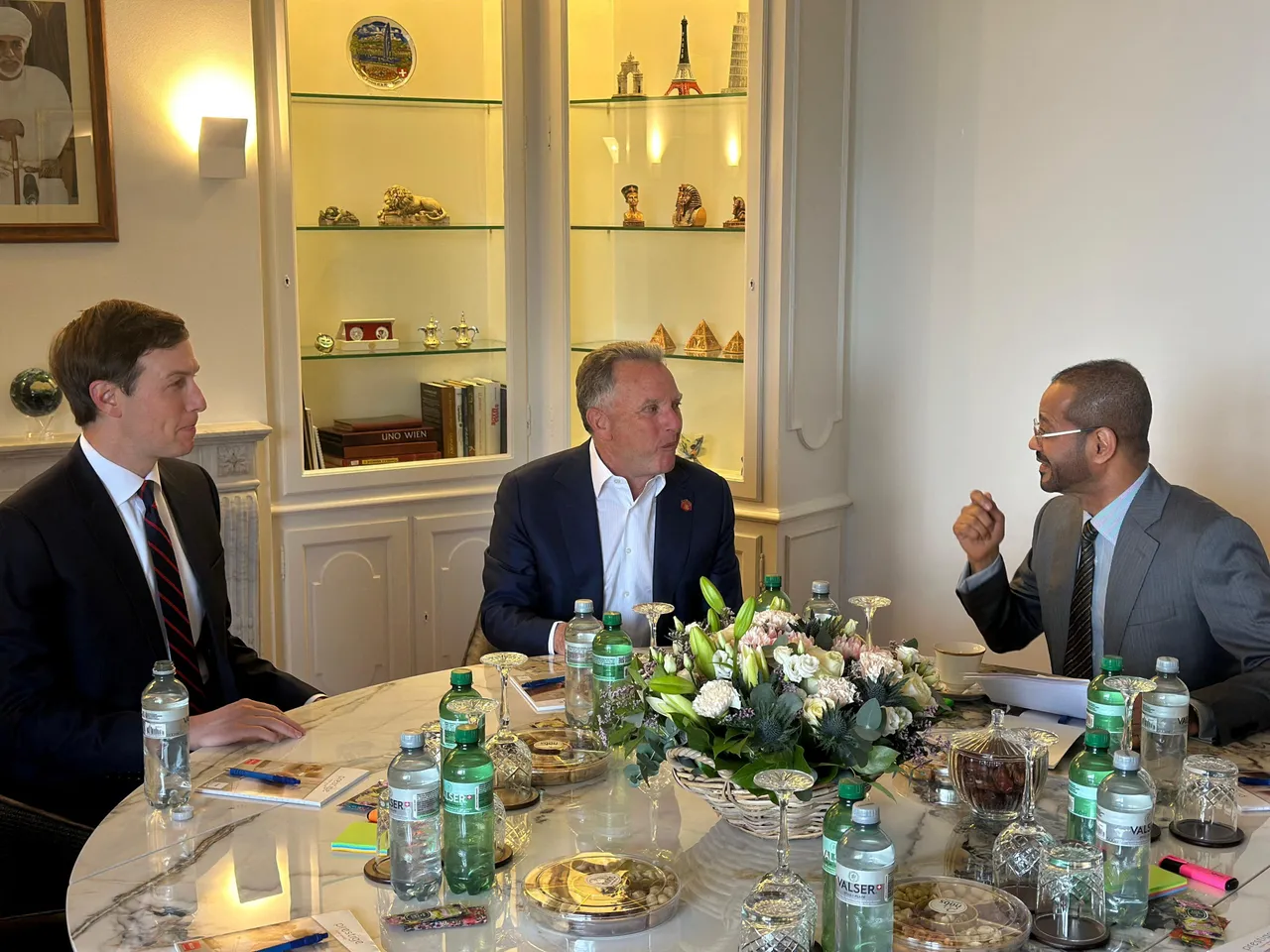
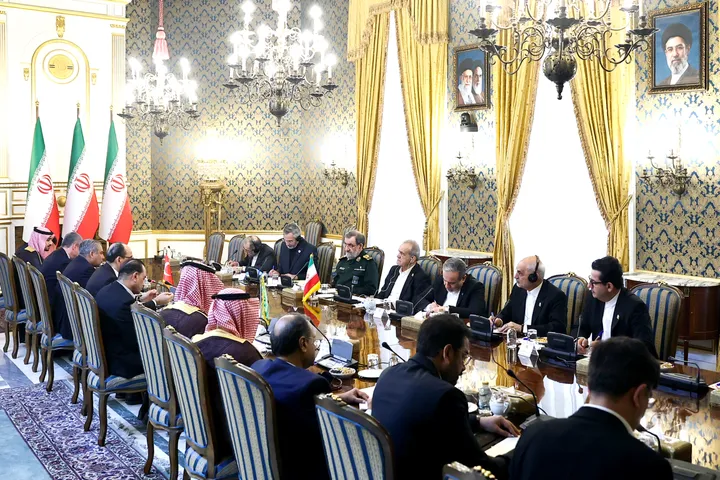
Powell's presence at the talks, held at Oman's ambassadorial residence in Cologny, Geneva, was confirmed by three sources.
He attended in an advisory role and was accompanied by a UK Cabinet Office expert.
The 'Surprising' Offer
One source said his involvement reflected concerns over the level of technical expertise in the US delegation, which included Donald Trump's son-in-law Jared Kushner and special envoy Steve Witkoff.
Kushner and Witkoff invited Rafael Grossi, director general of the International Atomic Energy Agency (IAEA), to provide technical input, though Kushner later said they had "a pretty deep understanding of the issues that matter in this."
A former official briefed on the talks said: "Witkoff and Kushner did not bring a US technical team with them. They used Grossi as their technical expert, but that is not his job. So Jonathan Powell took his own team".
"The UK team were surprised by what the Iranians put on the table," the official added, describing the proposal as incomplete but meaningful progress.

According to the Guardian, a source said: "We regarded Witkoff and Kushner as Israeli assets that dragged a president into a war he wants to get out of.”
Western diplomats said Powell believed a deal was possible, though differences remained, particularly on UN inspections of Iran's nuclear sites.
Diplomatic Fallout
Iran's offer included commitments to down-blend its 440-kilogram stockpile of highly enriched uranium under IAEA supervision and to avoid building future stockpiles.
It also agreed to a three-to-five-year pause on domestic enrichment, although the US later pushed for a 10-year pause.
Mediators viewed the proposal of zero stockpiling as a breakthrough, and discussions also included potential US participation in a future civilian nuclear programme in exchange for the lifting of nearly 80 percent of sanctions.
The next round of talks, scheduled for March 2 in Vienna, did not happen after the launch of the war.
Powell's role in the negotiations helps explain the UK government's reluctance to support the US attack.
British officials said they saw no compelling evidence of an imminent Iranian missile threat to Europe or of Iran acquiring a nuclear weapon.
Instead, the UK assessed that diplomatic options had not been exhausted and regarded the attack as premature.