 Yousra Samir Imran
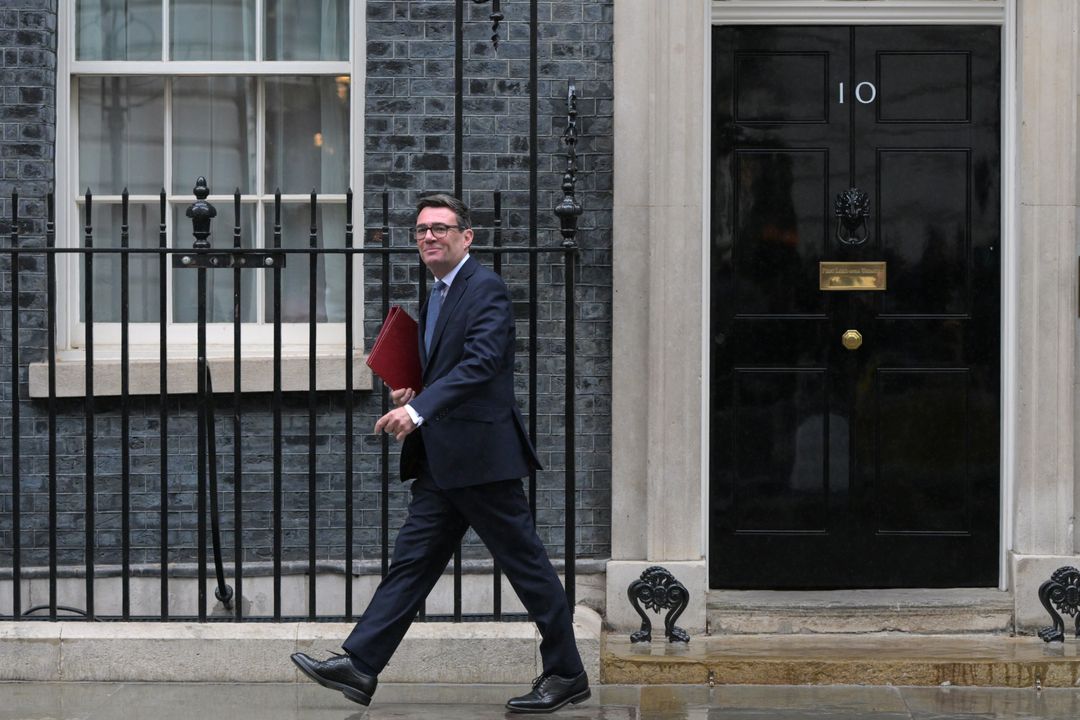
When Andy Burnham took the reins from Sir Keir Starmer at the end of July 2026, becoming Britain’s seventh Prime Minister in the last decade, pro-Palestine Britons watched with bated breath.
The last two years under Starmer’s Labour government have all but diminished any hope left on both the home and foreign policy fronts.
They undelivered when it came to fixing the national healthcare system, the NHS, failed to tackle a historic rise in racism, anti-Muslim hate crime and far-right sentiment. And economic growth slowed to a trickle.
When it came to Palestine, a key area of British foreign policy, Starmer’s government refused to recognise Israel’s merciless onslaught on Gaza as a genocide and the forced displacement of Palestinians in the occupied West Bank as ethnic cleansing.
Some Britons felt a sense of promise that Burnham would fix the mess that is British domestic policy. But given his strong ties to the Labour Friends of Israel, most were not too optimistic that things would change on the government’s stance on Palestine.
So, it came as a complete surprise when Burnham admitted that Labour “didn’t get it right” when it came to Gaza and, at the start of September, hinted he would take a tougher stance on Israel.
Seven weeks into his new role, Burnham’s government has charged ahead by imposing trade sanctions on Israel for its continued expansion of illegal settlements in the occupied West Bank, among a series of “new powers to respond to moral emergency in Palestine.”
Products made by Israeli traders on illegally occupied Palestinian land will no longer be imported, such as the Medjool dates that are sold on British supermarket shelves.
In a statement published on social media platform X, Burnham said that the “suffering of the Palestinian people is a scar on the conscience of the world” and declared that the British government would be doing a 180-degree turn by confirming that the Israeli occupation of Palestinian land is unlawful.
Foreign Secretary Ed Miliband has called it a “reset” of UK policy on Israel.
Is this for real?
It’s a seismic shift in the country’s Palestine policy, which under the last two governments had rested on unequivocal support for Israel.
The recognition of Israeli settlement expansion via the forced displacement of Palestinians as ethnic cleansing has been welcomed by many, but it falls short on several fronts.
Burnham has still not called the slaughter of Palestinians in Gaza a genocide, despite the United Nations concluding so.
But given the UK government’s track record of being the last one to hop on the bandwagon – it only took them a year and a half into the genocide to call for an “end to the war” – it is no surprise that Britain has taken eight decades to call a spade a spade: that the construction of Israeli settlements on Palestinian land is illegal and the forced displacement of and violence against Palestinians are forms of ethnic cleansing.
Given its track record, it can very well be said that only when the rest of the world has recognised the Israeli government’s mass slaughter of Palestinians as genocide, will Burnham’s government do the same.
In fact, Miliband said that the British government would not call it a genocide until the International Court of Justice reaches the same conclusion.
Some other measures prove the half-hearted nature of this policy shift.
Britain’s new set of measures includes a ban on arms sales and “other exports that materially contribute to the occupation”.
However, what was not announced in its new policy was whether or not the UK will ban or impose restrictions on Elbit Systems, the Israeli arms manufacturing giant which continues to operate across 16 factory sites in the UK and has had two military export licenses.

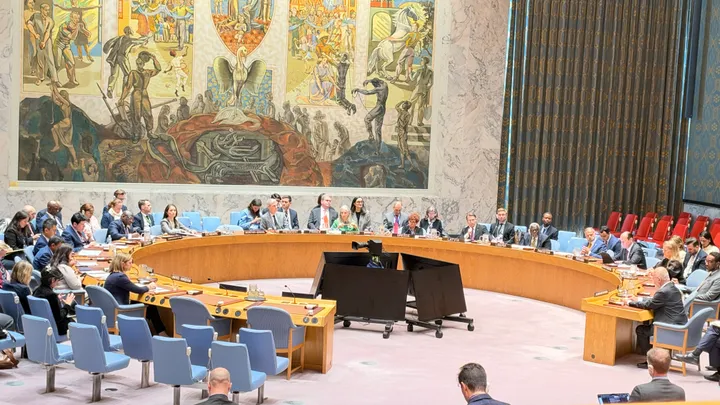


For the arms ban to be taken seriously, words and actions must match.
Weapons aside, if we are just talking about the illegal occupation and annexation of the West Bank, which Burnham and Miliband say Britain will not support,
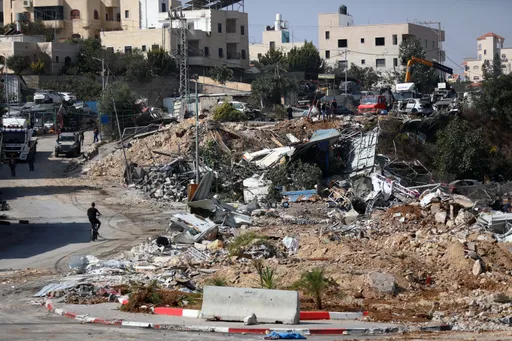
Elbit Systems has also played a part in the occupation and illegal annexation of the West Bank through the production and supply of technologies that the Israeli military uses to build “smart” electronic barriers in Jerusalem, cutting Palestinian residents off from other parts of the occupied territories.
This shift in foreign policy also clashes with prevailing domestic policy.
For Burnham and his government to have truly rectified its stance on Palestine, it must review legislation that enables the restriction of and crackdown on peaceful pro-Palestine protests under the expanded powers granted to police last September by Shabana Mahmood, who retained her position as Home Secretary in Burnham’s new cabinet.

Why it does not add up
While it is still against the law to express support for Palestine Action, which remains a proscribed terrorist group, protests that have had no relation to the group have also experienced crackdowns.
Last year, Palestine Solidarity Campaign reported that the police have imposed conditions on protests, including the banning of banging of pots and pans in solidarity with the famine in Gaza, as well as the use of drums and megaphones.
In December, leading Palestine activists Ben Jamal, who is Palestine Solidarity Campaign’s director, and vice-chair of Stop the War Coalition Chris Nineham, will appear in court to appeal suspended prison sentences after they were found guilty in April of breaching police-imposed conditions on a protest in January 2025.
There has been no indication since Burnham assumed control whether this hardline approach towards pro-Palestine protests will be reviewed.
The Crime and Policing Act, which came into effect earlier this year, has given police further powers to restrict protests, including limiting repeat protests.
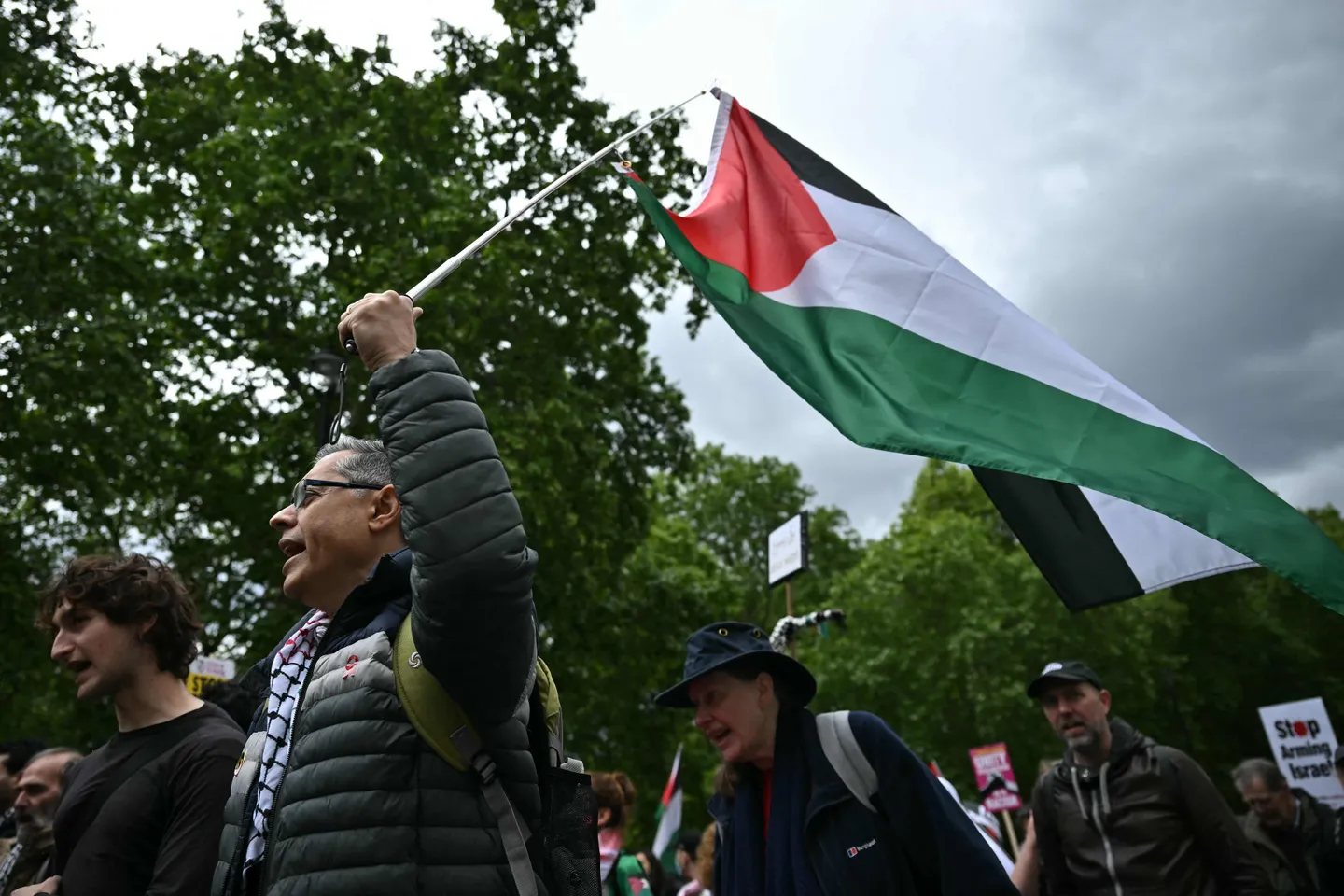
This is a blow to the national marches for Palestine, which have been taking place every Saturday in multiple cities since the end of 2023, whose very nature is repeat protests.
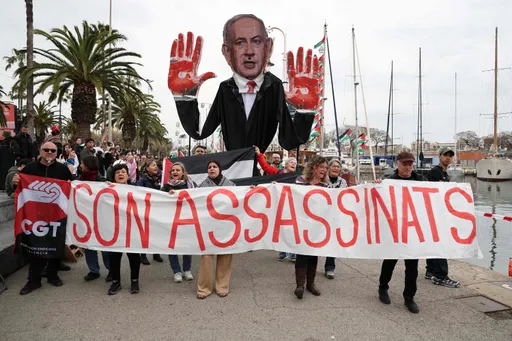
On these marches, protestors call for an arms ban, the imposition of sanctions and the recognition of the State of Palestine, the same three actions that Burnham and Miliband stress they are implementing.
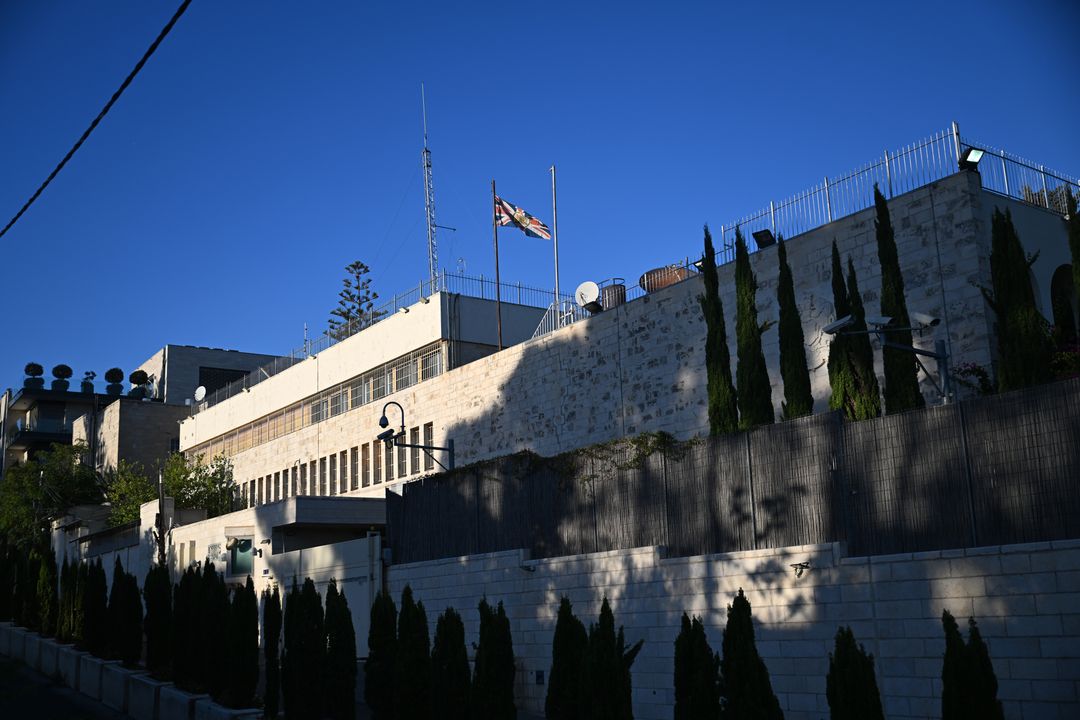
In the House of Commons, Miliband admitted that pro-Palestine campaigners, including those who have marched for Palestine, have played an important role.
Hence, right now, domestic policy and foreign policy aren’t tallying up.
The implementation of sanctions on Israel is the first concrete step Britain has taken in decades, but we must not applaud the government for doing the bare minimum.
For Burnham’s government to truly rectify years of appeasing the Israeli government, it must stand strong in the face of the latter’s threats of retaliation, and not give in to pressure from the US.
Perhaps Burnham can take inspiration from the fictional UK Prime Minister in the 2003 film Love Actually: “A friend who bullies us is no longer a friend. And since bullies only respond to strength, from now onward, I will be prepared to be much stronger.”