 Kazim Alam
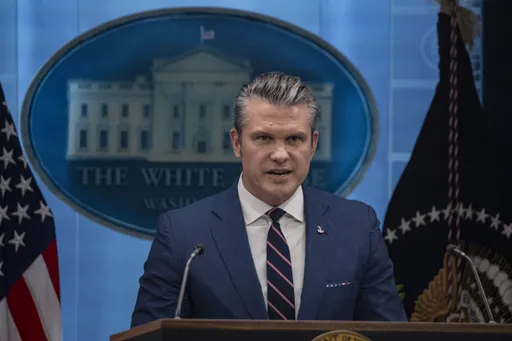
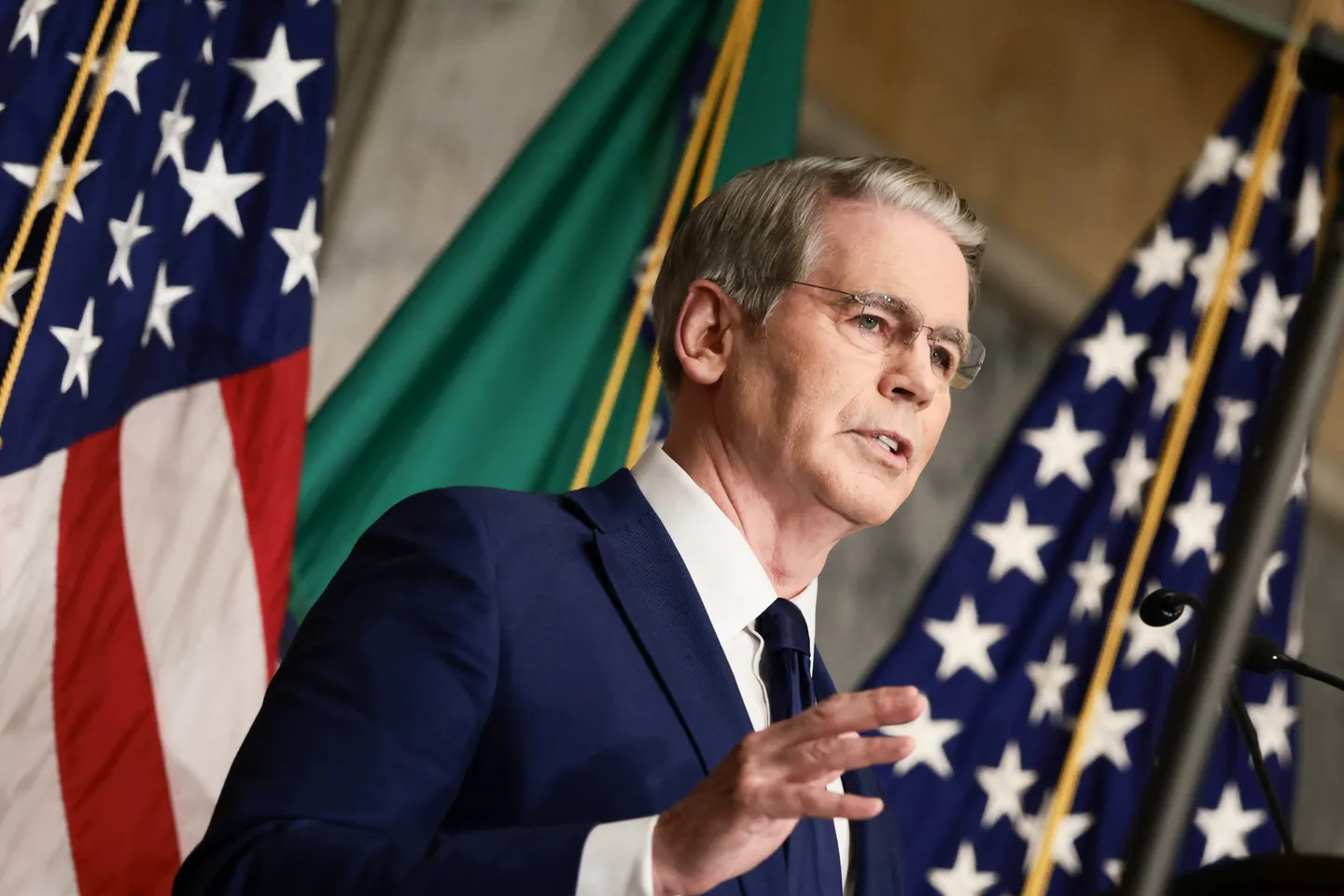
US Treasury Secretary Scott Bessent announced on August 24 the launch of Operation Economic Outcast, a new set of “unprecedented” curbs meant to choke off “every remaining economic lifeline” sustaining the Iranian government six months into the US-Israeli war against Tehran.
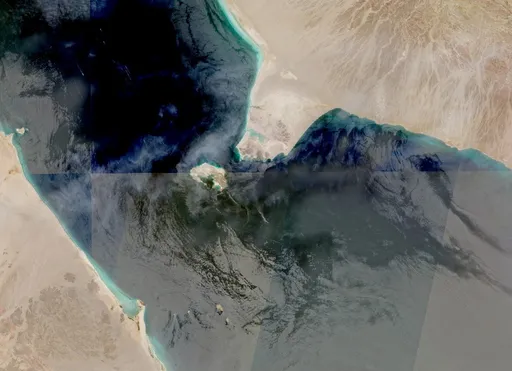
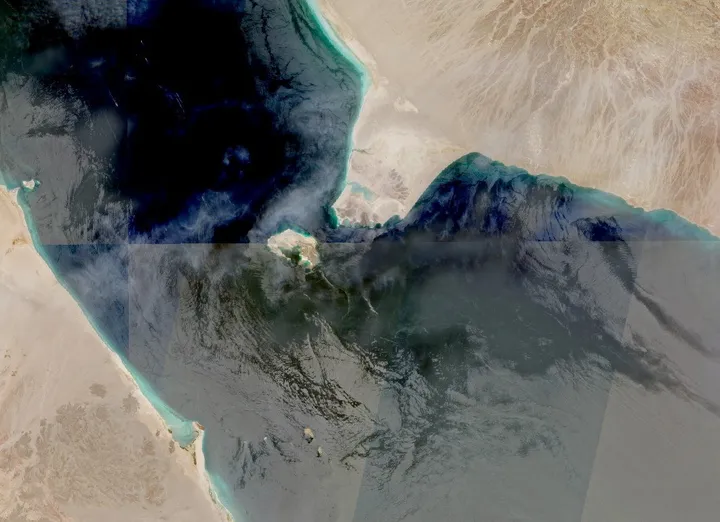
The US has bombed Iran for months and imposed a naval blockade of the Strait of Hormuz, a narrow waterway between Oman and Iran. But Tehran still refuses to give up its de facto control of Hormuz, through which one-fifth of global energy supplies passed before the war.
Analysts say that Washington shifting focus from military to economic pressure suggests that it expects the Department of the Treasury to deliver meaningful results that the Department of War could not.
The new set of economic curbs target five vital sectors seen as crucial to Iran’s survival: digital assets, technology, gold, aviation, and shipping.
What are sanctions?
Sanctions limit a country’s ability to trade with the outside world. Once sanctioned, a business or bank can’t make transactions in major currencies or use SWIFT, the mainstay of the global payments network that banks rely on to process cross-border trade.
Successive US governments have used sanctions over the decades to pressure Tehran into ending its nuclear programme and support for regional proxies.
Some US sanctions are “primary” in the sense that they stop US citizens, banks, and companies from dealing with Iranian entities.
The other type of sanctions are called “secondary” because they go a step further and penalise third-party actors outside of the US for trading with Iran.
Operation Economic Outcast focuses mainly on secondary sanctions, mostly because Washington has already imposed a range of primary sanctions on Iran rather exhaustively.
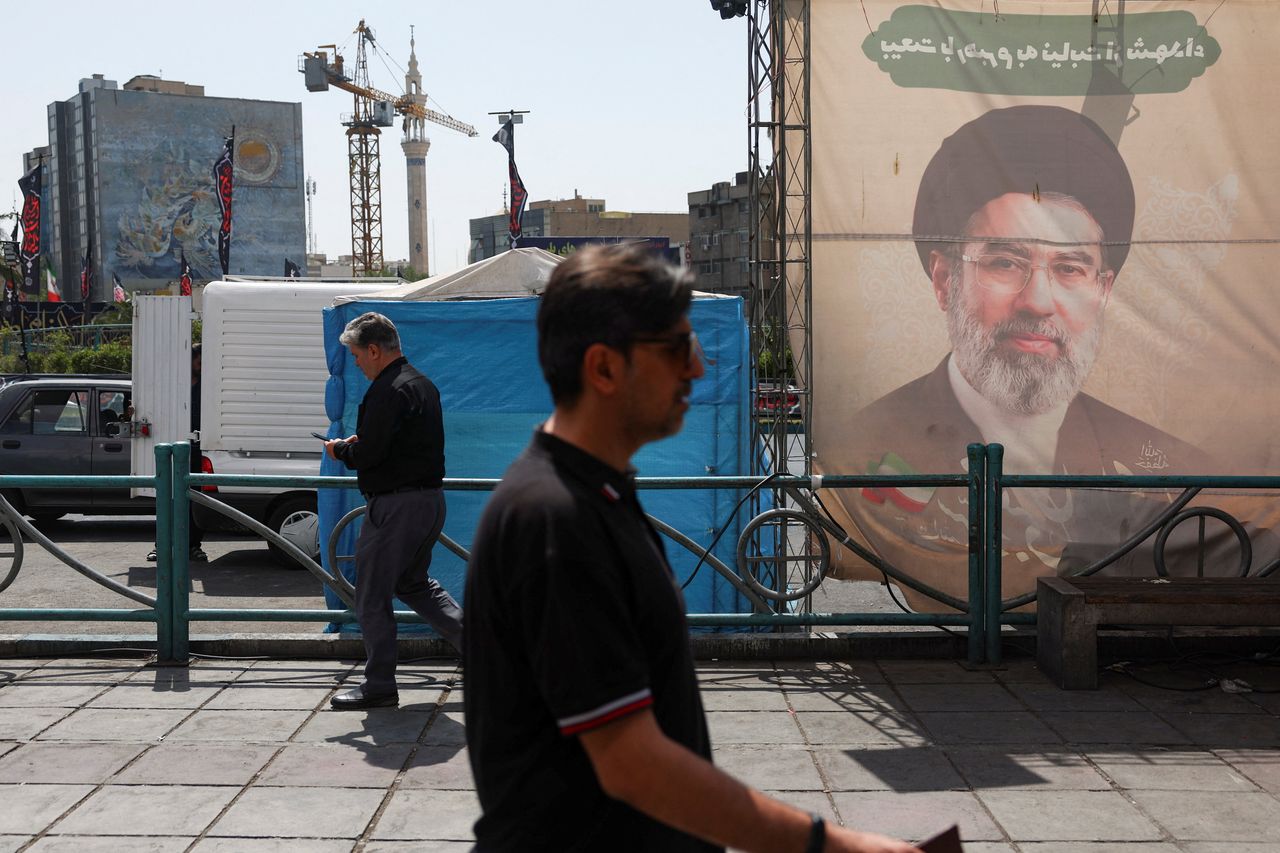
Iran’s economy has suffered stagnation, unemployment and inflation for years under crippling US sanctions. The unofficial exchange rate of the Iranian rial hit a record low of two million to a dollar a few days ago.
Tehran already faced a blanket ban on the sale of oil using Western banking and shipping channels before the war began on February 28.
To a limited extent, however, Tehran has adapted to the sanctions regime. It has sustained its economy by developing under-the-radar trading networks to move oil and funds outside formal channels.
For example, it exported 90 percent of its crude oil to China every year before the war.
Tehran circumvented the US sanctions by sending oil to Beijing in ‘dark-fleet tankers’ against payments in the yuan via second-tier Chinese banks.
Also known as shadow fleet, these tankers transported sanctioned crude oil in ageing and uninsured ships after switching off tracking devices to avoid international monitoring.
Small, independent refineries in China – known as teapots – would buy Iranian oil shipments after rebranding them as Malaysian or Middle Eastern oil.
In exchange, these refiners paid their Chinese crude suppliers in the yuan through banks, such as the US-sanctioned Bank of Kunlun.
Iran would then use the renminbi-based proceeds of oil sales to pay for imports from Beijing, while staying away from Western-dominated global payments networks.
Iran was already sanctioned. What’s different now?
According to Mustafa Caner, an Iran expert and assistant professor at Sakarya University’s Middle East Institute, the new US measures operate on three distinct levels that mark a qualitative shift from the past.
“The new package covers digital assets and assumes robust oversight across a whole range of domains,” he tells TRT World.
“In that sense, it essentially turns sanctions into an embargo-like instrument of war,” he adds.
By explicitly bringing cryptocurrencies and related financial tools under intensive scrutiny, the new measures seek to close gaps that previous curbs left open.
Second, the US is now deliberately targeting third parties doing business with Iran.
This means the US is trying to use its diplomatic leverage and its superpower status to change other actors’ behaviour towards Tehran and isolate the country further, Caner says.
The expansion of secondary sanctions carries reciprocal risk: it can potentially place Washington at odds with the same countries it seeks to enlist in the campaign to isolate Iran, he says.


Finally, the new measures must be viewed alongside the existing US blockade of the Strait of Hormuz.
“That blockade is already wearing Iran down economically, and the new sanctions will compound it,” Caner says.
The US expects that the combination of new curbs will create a more stringent sanctions regime that Iran would not be able to circumvent through shadow fleets and alternative payment systems.
Iran has called the new US sanctions an act of desperation by the US, insisting that the measures will “fail to defeat Tehran”.
Which countries are still doing business with Tehran?
Despite years of sanctions, many countries have maintained economic ties with Iran.
The UAE has also been an important trade partner for Tehran. It was the largest source of imports for Iran, with bilateral trade valued at roughly $28 billion in 2024.
But the UAE announced recently that it was cutting all trade relations with Tehran – a move that is likely to “genuinely hurt” the Iranian economy, according to Caner.
India has also historically purchased Iranian oil and maintained commercial links with Iran. “(India) has good relations with Washington, and these new rules will be a test for that relationship,” he says.
Caner does not expect full compliance from China, the biggest buyer of Iranian oil before the war.
“Beijing did not pay much attention to the existing US and UN sanctions in the first place. So why would it start now?” he says.
Meanwhile, China has vowed to protect its commercial interests after the US announced new sanctions against Iran’s trading partners.
Beijing’s cooperation with Iran has always been conducted “within the framework of international law”, a Chinese foreign ministry spokesperson said.
Russia has also deepened ties with Iran over the years as both navigate Western sanctions.
Mir, an electronic card payment network created by the Central Bank of Russia in 2017 as a domestic alternative to US-backed Visa and Mastercard, is fully integrated across Iran.
Moscow is unlikely to scale back its economic relationship with Tehran because both survive largely outside of the Western-backed financial system.
Will Iran change course?
It is up for debate whether Operation Economic Outcast will compel a policy shift in Tehran. But Caner sees some advantages in economic pressure over pure military means.
“Military means tend to unite a target country’s population against an external enemy, whereas economic deterioration can be blamed on the government itself,” he says.
The hardline faction in Iran currently controlling decision-making seeks to prolong the conflict to secure objectives, such as retaining control over the Strait of Hormuz as sovereign territory, preserving enrichment capacity, and securing the lifting of all sanctions, he says.
“That faction believes those goals are only attainable by inflicting more pain on the US, and that means dragging the conflict out,” he says.
Once active bombing ceases, however, domestic dynamics may shift.
“Ordinary Iranians on the street will start asking a different question: Why are we extending this conflict instead of settling with the Americans? It is hurting our economy. And they will hold the hardliner faction responsible for that deterioration,” Caner says.
According to Ali Vaez, deputy programme director for the MENA region at the International Crisis Group, there is little doubt in Washington's ability to impose substantial pain on Tehran.
But Tehran believes that it has a high threshold for absorbing that pain, as well as the potential to respond to financial pressure with military counter-pressure, he tells TRT World in an emailed statement.
“The question is whether this new chapter in economic brinksmanship is intended to be a zero-sum campaign aimed at collapsing the regime, or leverage towards an agreement,” he says.