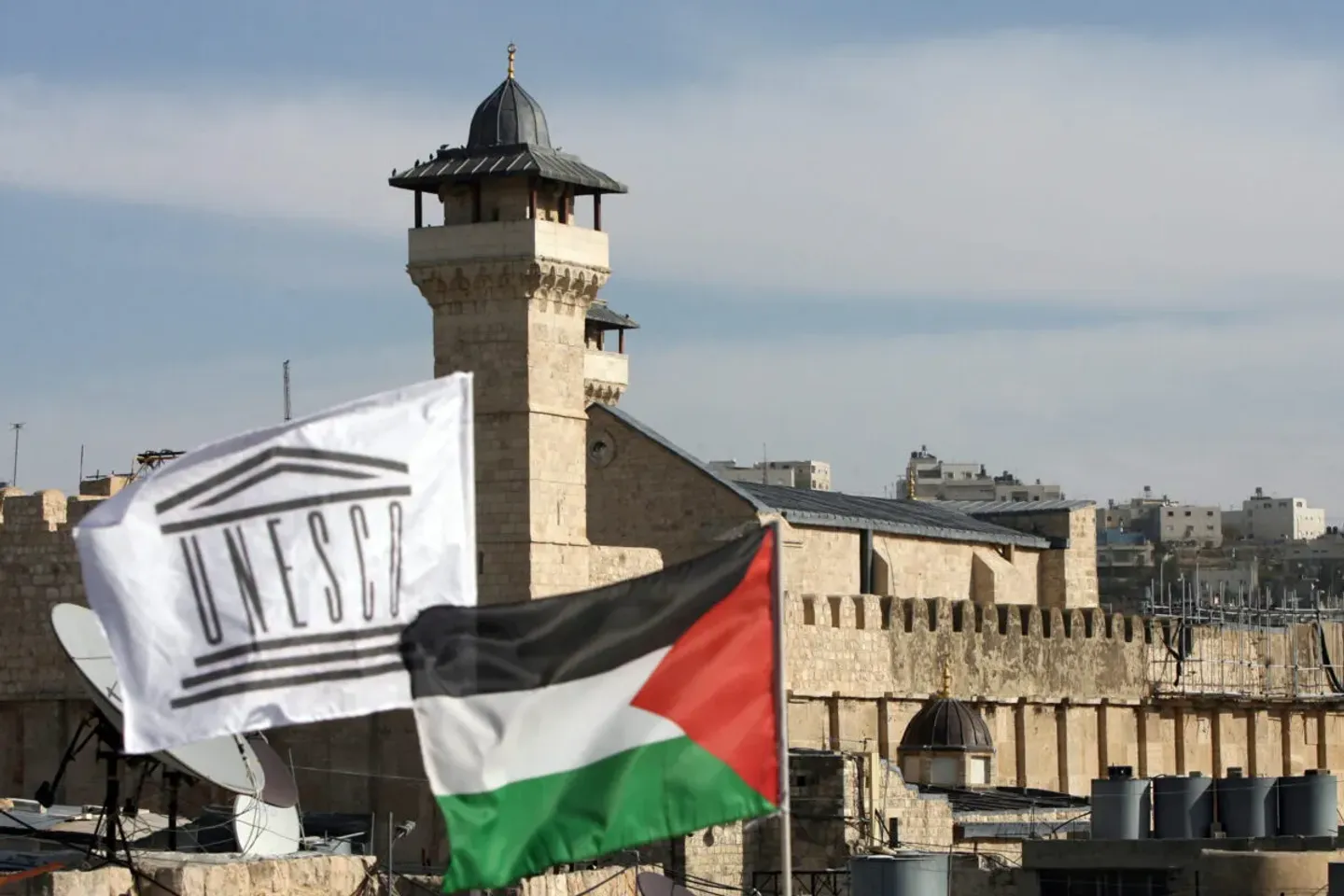
Israeli hardline Finance Minister Bezalel Smotrich has announced that Israel has revoked the Hebron municipality’s civil planning and construction powers in areas covered by the 1997 Hebron Agreement, a move Palestinians say undermines existing accords and deepens Israeli control in the occupied West Bank.
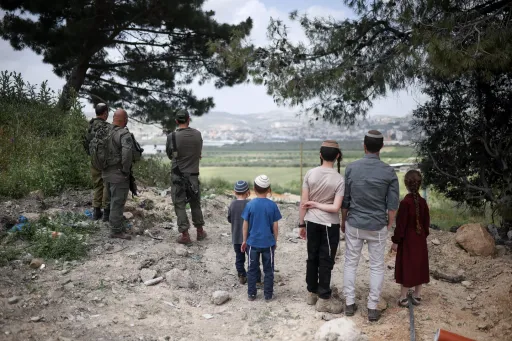
Tuesday’s announcement came during the inauguration of the illegal Israeli settlement of Doreen in the Mount Hebron area, according to Israeli media reports.
The move essentially means Palestinians have also lost municipal authority over the Ibrahimi Mosque in the occupied West Bank.
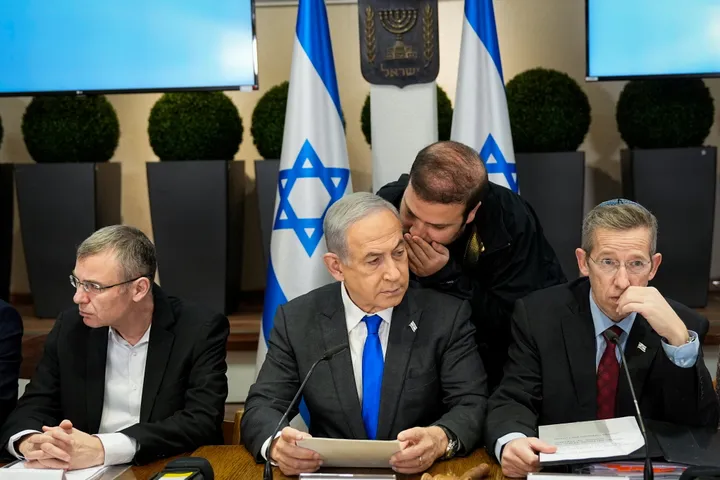
The move to transfer management of the site to an Israeli committee controlled by the far-right minister, drew swift condemnation from the Palestinian Authority.
Smotrich, who also serves as a minister within the Defence Ministry, said Israeli authorities had completed procedures to transfer planning authority from the Palestinian municipality to Israeli bodies.

The decision affects powers retained by the municipality under the Hebron Agreement, signed as part of the Oslo process, which divided the city into the Palestinian-administered H1 sector and the Israeli-controlled H2 sector.
Although Israel maintained security control over H2, the Palestinian municipality continued to exercise certain civil authorities, including planning, construction permits and infrastructure development.
Palestinians warn of breach of agreements






The Palestinian Authority condemned the decision as a direct attack on Hebron’s legal and political status and a violation of agreements signed between the two sides.
"Such unilateral measures are rejected and condemned, and constitute a violation of signed agreements with the Israeli side, as well as a breach of international law," Palestine’s Mahmoud Abbas said.
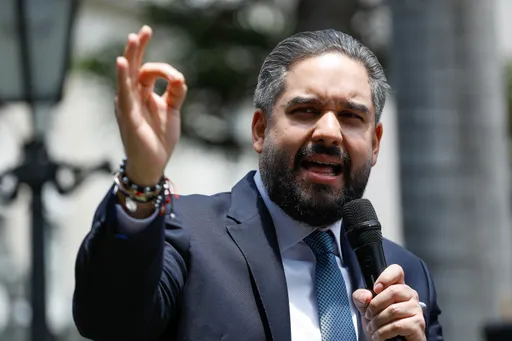
Hebron Mayor Yusuf al-Jabari said the move was part of a broader effort to dismantle existing accords governing the city, warning that unilateral changes could have serious consequences for local governance, municipal services and daily life.
He called for urgent international intervention, particularly from the United States, which helped sponsor the original agreements, to preserve the status quo in Hebron.

The decision follows a series of measures approved earlier this year by Israel’s Security Cabinet aimed at reshaping legal and administrative arrangements in the occupied West Bank.
Palestinians argue such steps are accelerating illegal settlement expansion and laying the groundwork for the formal annexation of occupied territory, threatening prospects for a future Palestinian state.