 Muhammed Ali UCAR
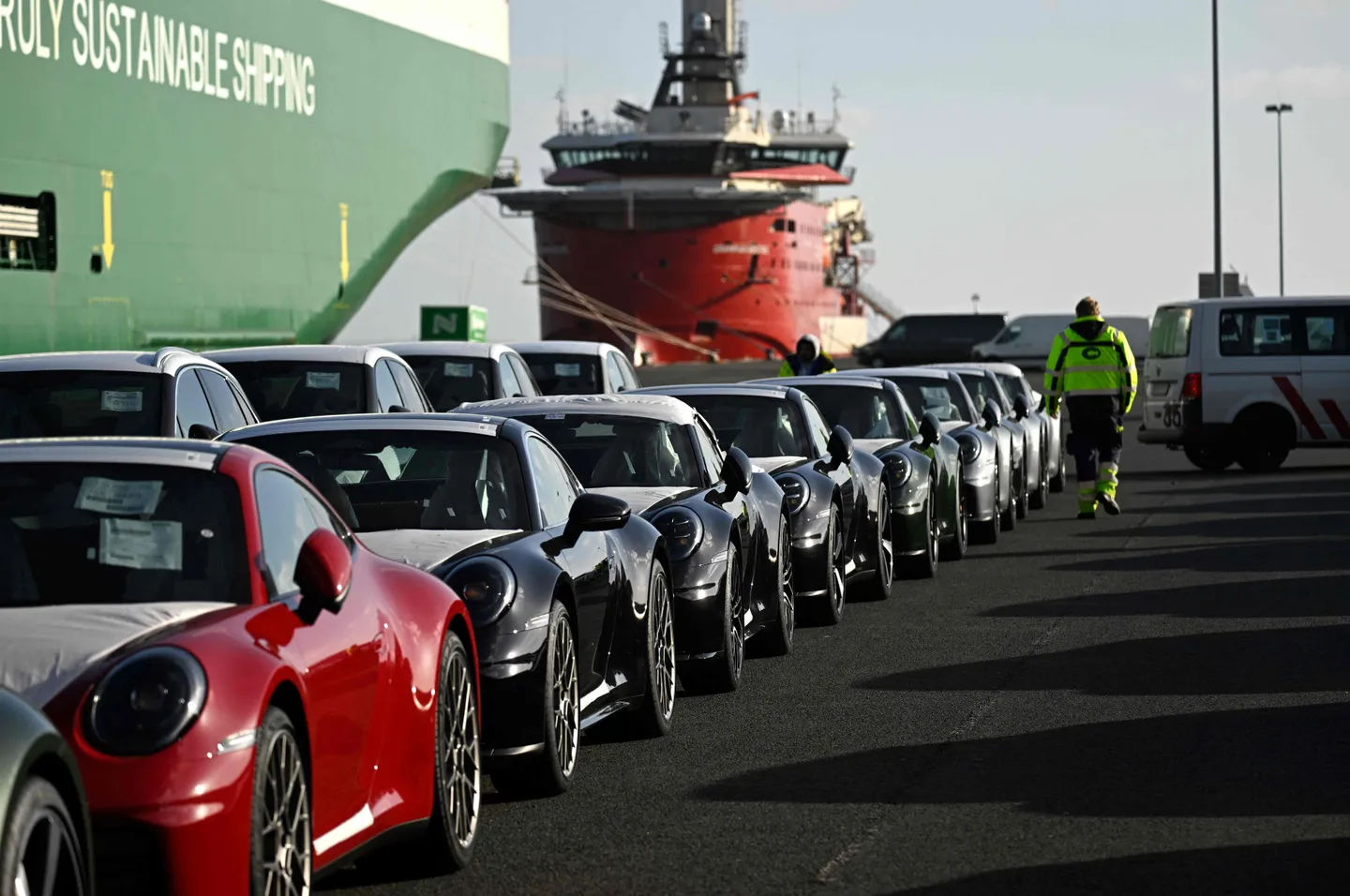
Volkswagen’s decision to significantly expand its job cuts has once again drawn attention to the German industry. The company is reacting to overcapacity, declining profits, trade barriers, and growing competition from Chinese manufacturers.
Volkswagen is not an isolated case.
Bosch plans to cut around 13,000 jobs, primarily in its German automotive business. Ford is significantly reducing its workforce in Cologne. Thyssenkrupp Steel intends to eliminate or outsource approximately 11,000 jobs. At BASF's main plant in Ludwigshafen, the number of employees has fallen to its lowest level in decades.
Are these independent corporate decisions or signs of a fundamental structural change in the once-famed German economy?
A survey of approximately 1,300 companies conducted by the German Chamber of Industry and Commerce highlights the urgent need for action.
Roughly one in five companies is considering relocating investments or production capacity abroad, has taken corresponding steps, or has already done so.
Among industrial companies, the figure is around 40 percent. Among large industrial enterprises, it is approximately 60 percent.
This does not mean most companies will leave Germany. Nevertheless, it shows how critically many businesses now view the country as a place to do business.
High energy and labour costs, bureaucracy, lengthy approval processes, skills shortages, and economic policy uncertainty influence investment decisions.
At the same time, other locations are attracting investors with subsidies, lower costs, and better access to growth markets.
Why the old equation no longer works
Germany’s economic success was long based on a favourable combination of factors: engineering expertise, qualified specialists, and a high-performing industry along with comparatively cheap energy, open world markets and growing demand from China.
Today, all components of this equation are changing.
With the Russia-Ukraine war and the sanctions against Moscow, the period of cheap Russian energy has largely come to an end. Energy-intensive companies, in particular, now face higher costs.
Furthermore, China is no longer just a buyer of German cars and machinery. The Asian country now produces its own electric vehicles, batteries, and industrial equipment, and increasingly exports them to Europe.
At the same time, the US is becoming more protectionist. Tariffs, subsidies, and national production standards are making access to the American market more difficult.
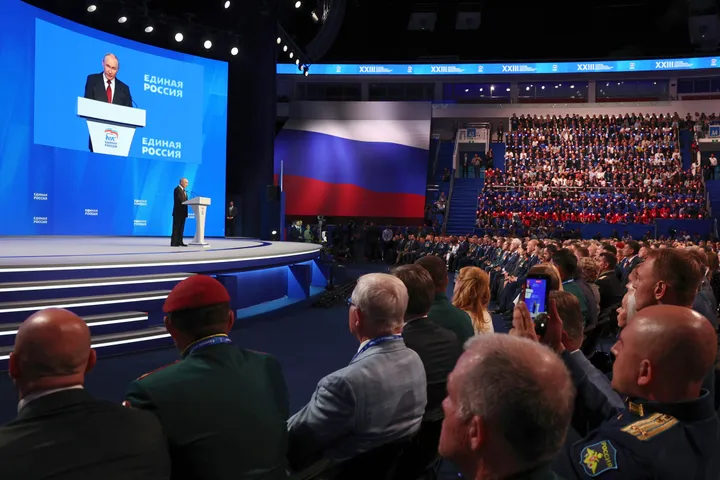
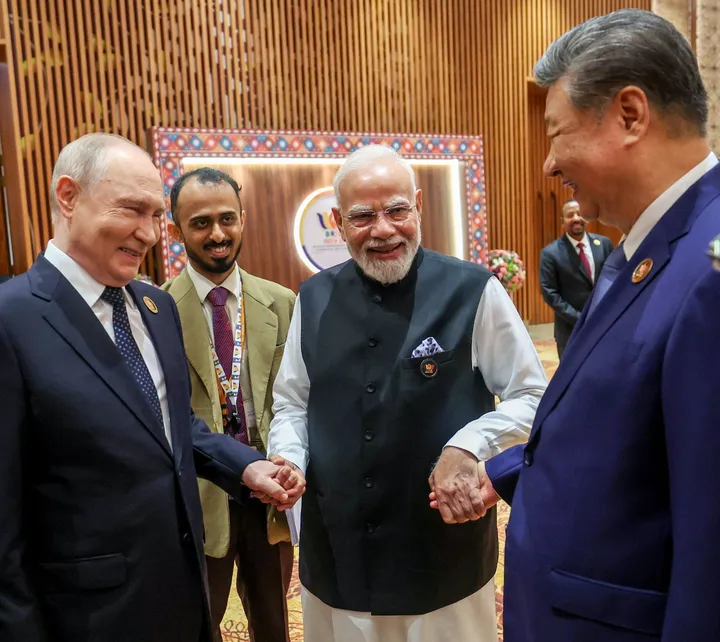
Thus, Germany finds itself between two major powers that are increasingly using industrial policy as an instrument of geopolitical power.
According to the Federal Statistical Office, more than 140,000 jobs were lost in the manufacturing sector within a year.
The automotive industry was particularly affected, with its workforce falling to its lowest level in approximately two decades.
However, this does not automatically mean the end of the German industry. Some job losses are due to economic conditions. Another reason is the technological transformation.
Electric vehicles require fewer mechanical components than combustion engine vehicles. As a result, jobs in engine and transmission manufacturing are becoming less important.
At the same time, new fields of work are emerging in software development, battery technology, and semiconductor production.
The crucial question, therefore, is whether Germany creates these new value chains or increasingly outsources them abroad.
Germany's labour-market paradox





While industrial companies are cutting jobs, other sectors are experiencing labour shortages.
According to the Federal Employment Agency, 157 occupational groups face a shortage of qualified personnel. Nursing, healthcare, skilled trades, construction, and transportation are particularly affected.
The most important reason is demographics. Many employees of the baby-boomer generation will retire in the coming years. The younger generations are not sufficient to fill the resulting gaps.
Germany is thus losing jobs in parts of its traditional industries while simultaneously needing additional workers in other sectors.
This employment growth is increasingly driven by foreign workers. Without immigration, employment would already be declining in many areas.
This reality coincides with a polarised migration debate.
While demand for foreign workers is growing, the far-right AfD party — which is critical of migration and in some parts right-wing extremist — is gaining support.
The contradiction is particularly evident in eastern Germany, where AfD is strong in many regions. At the same time, these areas are suffering from emigration, demographic change, and a shortage of skilled workers. Many companies depend on immigration.
Migration naturally requires clear rules, functioning institutions, language support, and a long-term integration policy.
However, Germany cannot protect its economic interests if it views immigration solely as a threat. An ageing society needs an objective debate about the workforce it requires and how to integrate these people.

Between Washington and Beijing
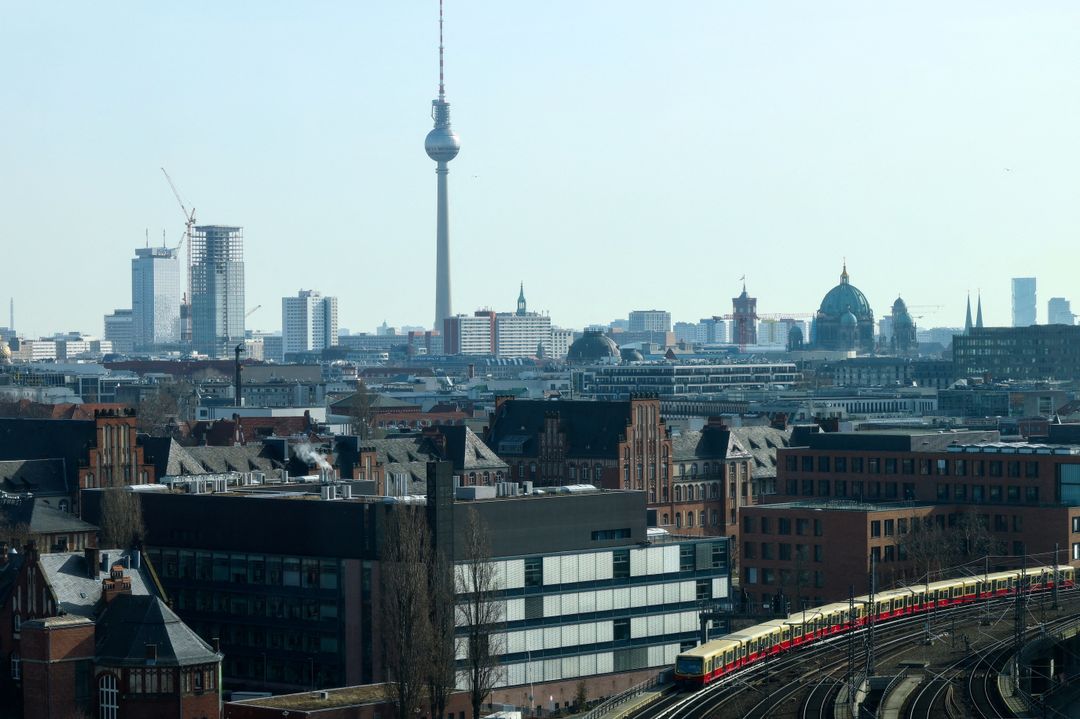
As an export-oriented economy, Germany depends heavily on geopolitical shifts. The country must maintain its partnership with the US, while simultaneously restructuring its economic relations with China.
A complete decoupling from China would be economically costly. However, excessive dependence remains risky. Germany, therefore, needs more diversified supply chains, new international partnerships, and a stronger European industrial policy.
Without competitive energy prices, investments in research and infrastructure, and faster decision-making, Europe will continue to lose ground to the US and China.
Germany continues to boast a strong research landscape, qualified specialists, innovative medium-sized companies, and globally recognised brands.
However, these strengths do not guarantee that the existing industrial model can survive under the new conditions.
Job losses, investment relocation, and market-share losses are more than temporary side effects of a weak economy. They indicate that parts of the industrial value chain could be lost permanently.
Once production, expertise, and supply chains have migrated elsewhere, they are difficult to bring back.
‘Made in Germany’ will, therefore, probably not disappear.
However, the seal of quality could in the future stand for a smaller, more specialised, and less labour-intensive industry. This would change not only the German economy, but also the social foundation of many industrial regions.
Germany is not facing the immediate end of its industry. However, the country risks managing the structural transformation more slowly than its international competitors.
Therefore, the crucial question is: how much industrial substance will be lost before political debates translate into concrete decisions?
(This article was first published on TRT Deutsch)