 Onur Dogan
The ongoing and protracted conflicts have made one thing clear: the old architecture of purchased protection is crumbling. What replaces it will define the next world order.
For decades, security was treated as a commodity — something that could be procured, invoiced, and delivered on schedule.
The Gulf model made this logic explicit: pay Washington enough, host enough bases, and the threat will remain at a manageable distance. The price kept rising, but the logic held. Until it didn't.
What the Iran-Israel/USA confrontation, the Russia-Ukraine war, and the Gaza genocide have collectively exposed is not simply a failure of this or that alliance.
They have exposed the structural bankruptcy of security-as-purchase. In each of these ongoing conflicts, the defining variable was not how much money a state had spent on defence contracts — it was whether that state had built something that could endure.
Sustainability, not spending, has become the supreme military currency of our time.
The new grammar of war
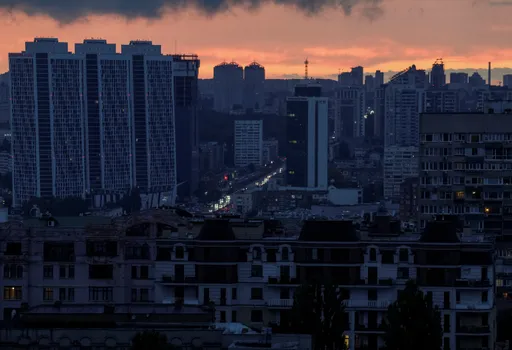
Russia's war in Ukraine, launched in February 2022, was supposed to last days. It has now stretched beyond four years. Ukraine held on not simply because of its own resolve, but because it had built — and was backed by — a genuinely sustainable war effort.
Russia entered the war with the world's second-largest defence budget — and yet failed to subdue a nation it had underestimated.
The reason was simple: on the other side stood not just Ukraine, but a web of Western partners providing weapons, intelligence, financing, and sanctions pressure in a coordinated, sustained manner.
Ukraine did not emerge from this war unscathed — far from it. But it pushed back an invasion that was designed to end in weeks, recaptured significant territory, and fundamentally altered Russia's strategic position.
More importantly, it demonstrated something the next generation of military planners will not forget: that a state with committed allies, a resilient population, and an adaptable production base can outlast a far richer opponent who fights alone.
If Ukraine illustrates what sustainable defence can achieve, Gaza illustrates what the absence of strategic accountability costs — not for the weaker party, but the stronger one.
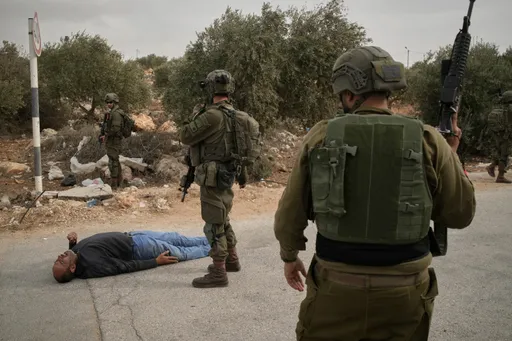
Israel launched the genocidal war on Gaza with overwhelming military superiority, American diplomatic cover, and initial European silence.
It also entered it with a near-total disregard for international humanitarian law, civilian protection norms, and the basic moral framework that gives military action its legitimacy in the eyes of the world. Eighteen months later, the balance sheet looks very different.
On the ground, Israel has achieved tactical objectives: significant territorial re-occupation in Gaza, sustained pressure on the occupied West Bank, and the degradation of the command infrastructure of the Palestinian resistance group Hamas.
By the metrics of a conventional military offensive, these are measurable gains. But war is no longer measured in square kilometres alone.
The cracks in European support have become impossible to ignore. Ireland, Spain, Norway, and Belgium have moved well beyond symbolic gestures toward concrete diplomatic and legal action.
But even within countries that have maintained closer ties to Israel — the UK, Germany, and Italy — official voices have increasingly broken ranks, calling for ceasefires, arms embargoes, and humanitarian access.
The International Court of Justice is engaged. The International Criminal Court has issued arrest warrants for Israeli leadership.
Corporations operating under ESG frameworks are quietly reassessing their exposure.
And perhaps most significantly for the long term: on university campuses from London to Los Angeles, pro-Palestinian sentiment has grown steadily, even as some governments have moved to restrict or criminalise such expression.
The attempt to suppress debate has, in many cases, only deepened it. Across the Global South, the reputational damage to Israel's diplomatic standing is severe — and no military victory can simply reverse it.
Israel may control more territory than it did in October 2023. But it inhabits a fundamentally different world — one in which its strategic isolation has deepened with every passing month.
This is the paradox of short-horizon victory in an era of long-memory accountability.
A state can win the battle and systematically lose the conditions that make future security possible: international legitimacy, economic integration, alliance depth, and the moral authority that turns raw power into soft influence.
In Gaza, the world has watched in real time as a military superpower demonstrated that firepower and sustainability are not synonyms.
The humanitarian catastrophe has become, paradoxically, Israel's most consequential strategic liability — one no Iron Dome system can intercept.
The architecture of durable security
What these cases share — and what the broader Gulf transformation makes explicit — is a structural shift in what security actually means.
The old formula was simple: money buys military capacity, military capacity produces security. The Gulf states spent decades testing that formula, and the results were instructive.
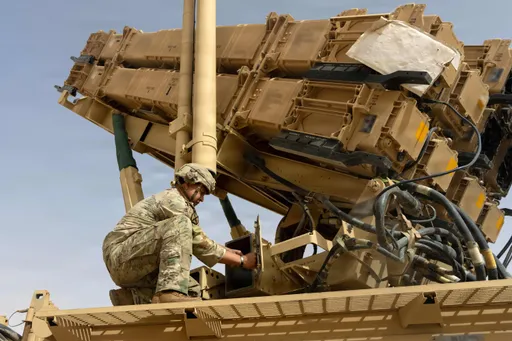
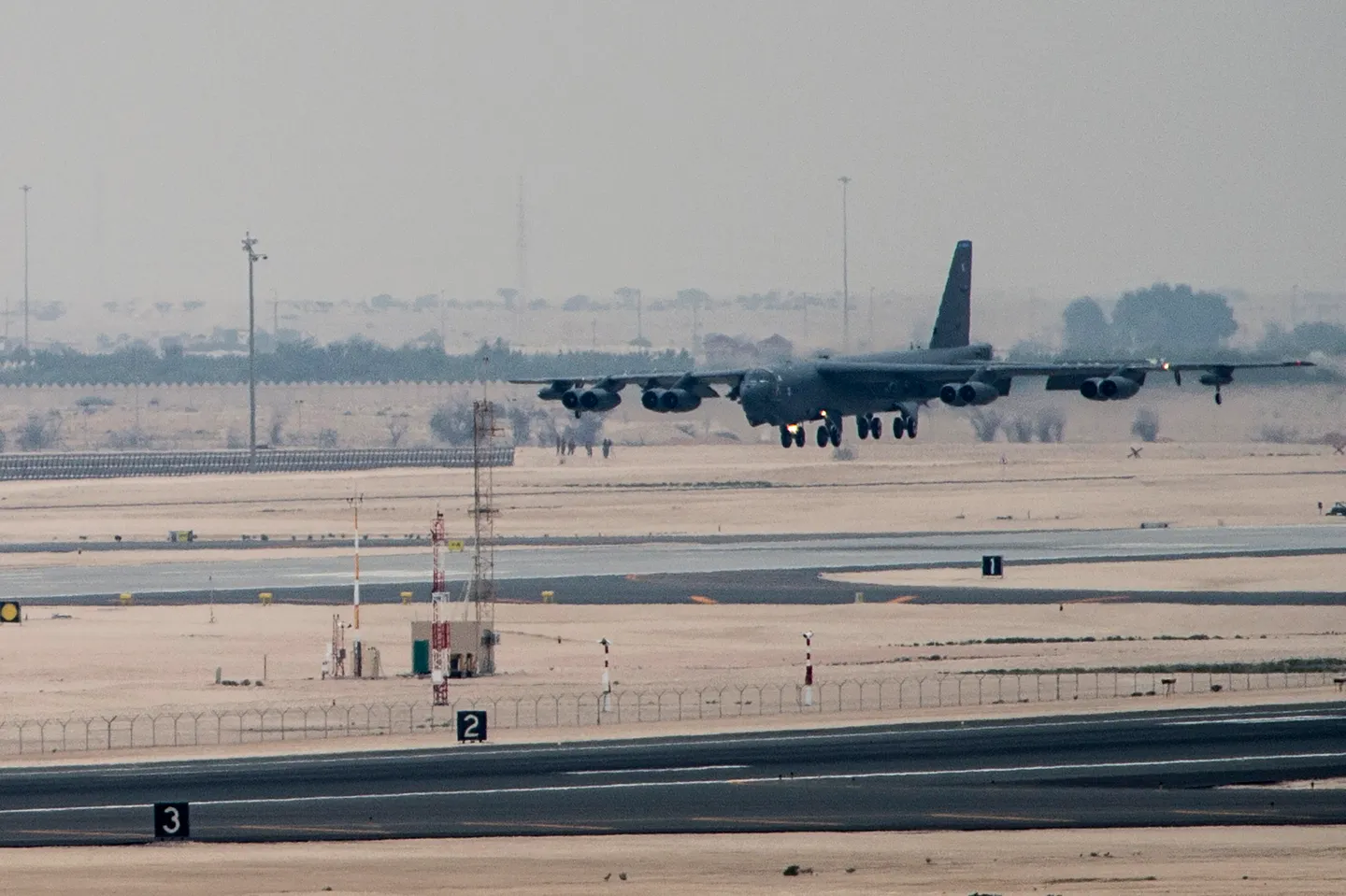
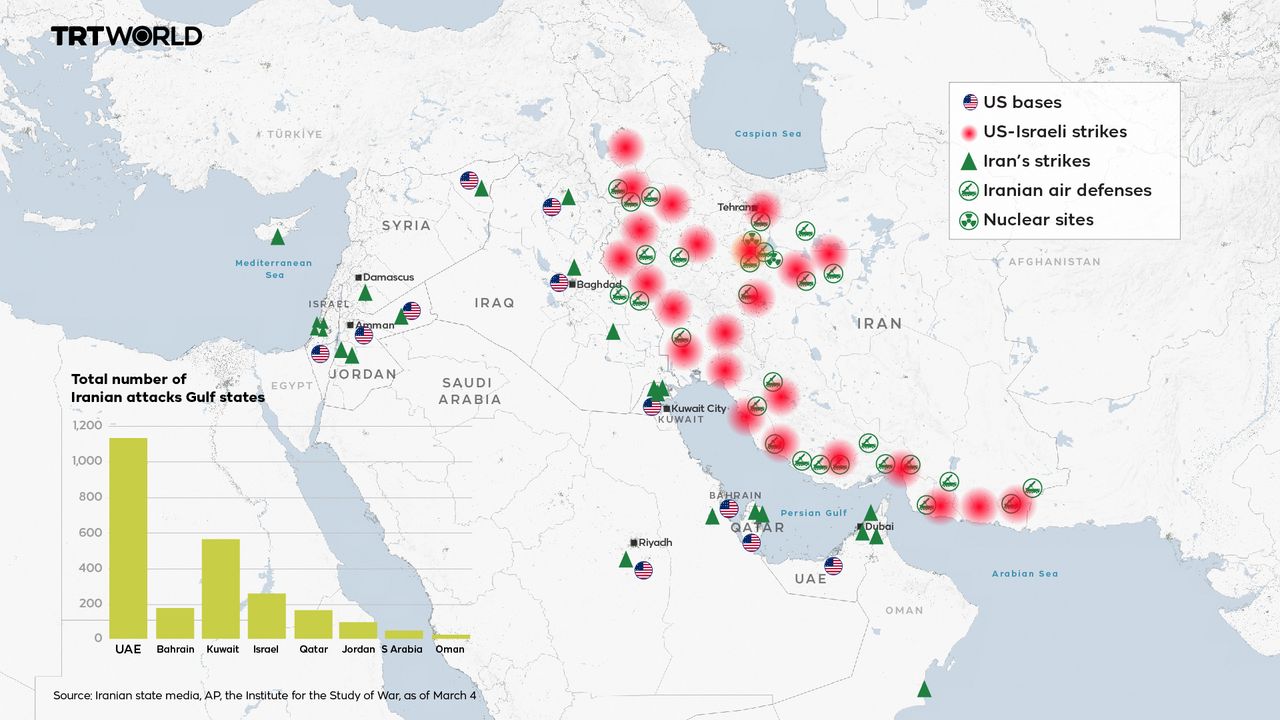
Saudi Arabia paid hundreds of millions to host American forces on its own soil — forces that were meant to deter external threats but became a source of political tension and, eventually, a target themselves.
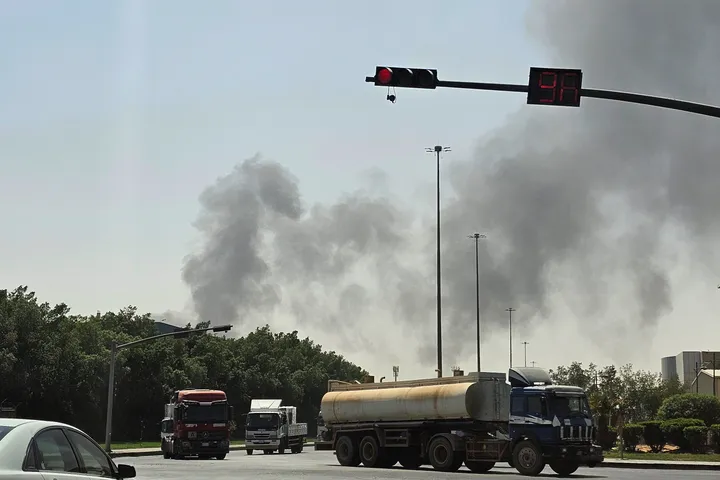
US military installations across the Gulf were repeatedly listed among Iran's declared strike targets. The presence that was supposed to provide protection had, in effect, become part of the threat landscape.
The security package purchased did not include what was on the invoice.

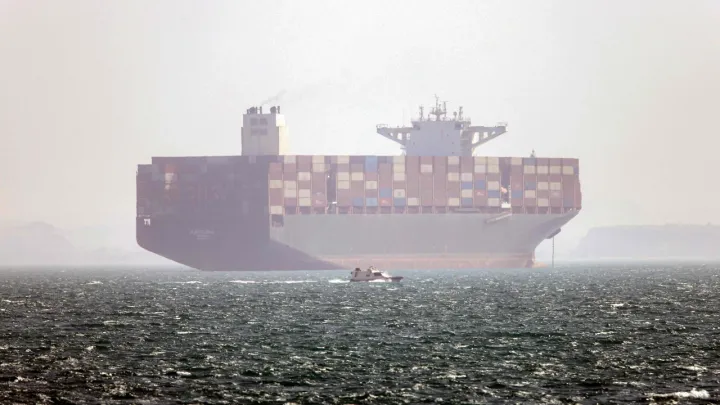


Genuine security today requires something different: industrial depth that can function under sanctions and supply disruption; food and energy systems that are not hostage to geopolitical weather; technological sovereignty in drones, cyber, and communications that cannot be switched off by a foreign government's decision.
And it requires the social cohesion that makes populations resilient rather than brittle under pressure.
None of these things can be bought from a foreign contractor. They have to be built — over years and decades — through deliberate policy and real political will. This is why the logic of great power competition has shifted.
It is no longer simply about who spends the most. It is about who has built something that lasts.
There is, however, a second lesson that runs alongside the sustainability argument — and it may be equally consequential.
In a world where no single alliance structure is adequate to the full range of threats a state faces, strategic flexibility has become a survival skill.
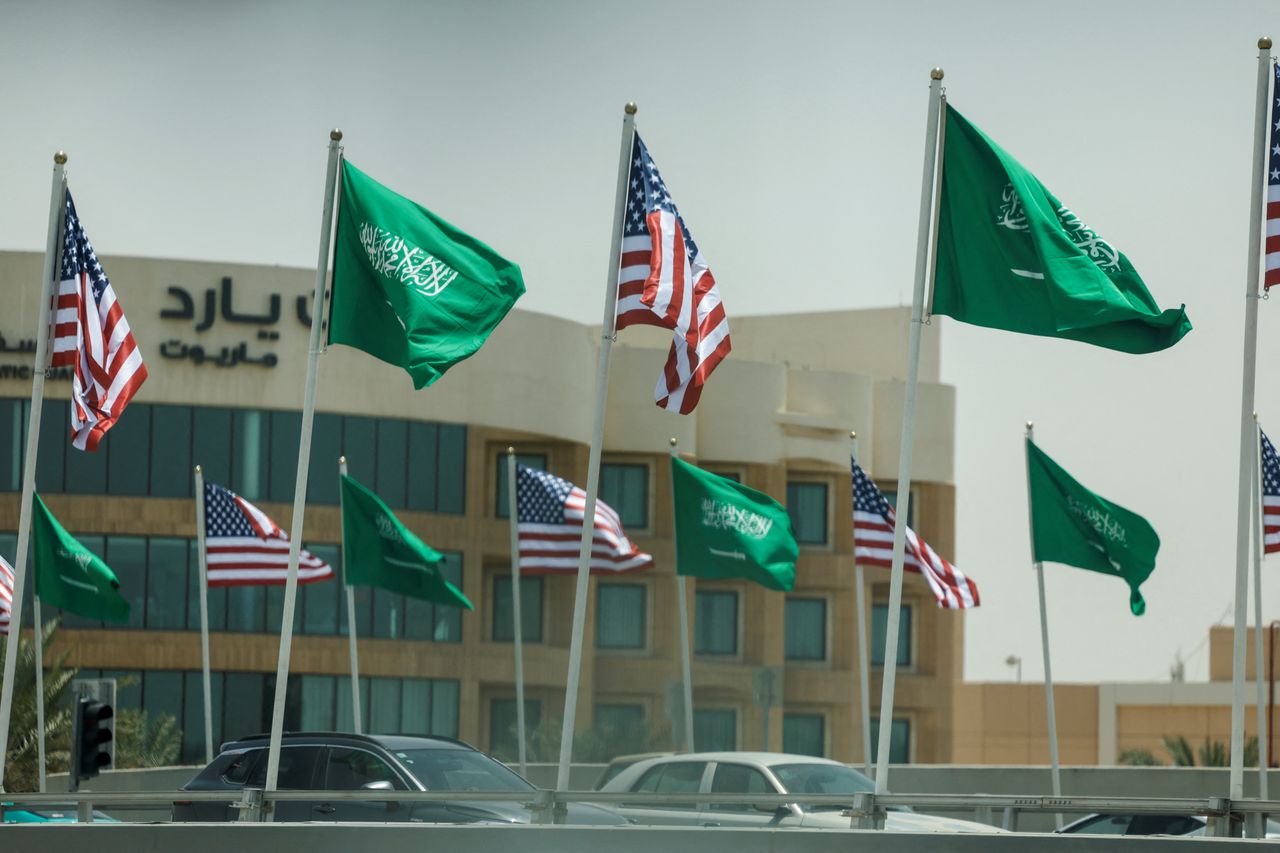
The Gulf states understood this earlier than most. Saudi Arabia, the UAE, and Qatar have spent the past decade deepening ties with China and Russia while maintaining their American security arrangements.
The Saudi-Pakistan strategic relationship — built around shared deterrence interests and mutual financial dependence — has become one of the more consequential partnerships in the region, and one that sits entirely outside the traditional Western alliance framework.
They no longer believe in the exclusivity clause. And they are not alone.
The logic is straightforward: economic security requires one set of partners. Technological development requires another. Military deterrence may require a third. Climate and food security require multilateral frameworks that cut across all of the above.
A state that insists on a single alliance to cover all these domains will find itself underserved in most of them.
Türkiye and the multi-vector model
Pakistan provides nuclear deterrence. Türkiye brings technological and operational depth — particularly in drone systems. Saudi Arabia contributes financial reserves and logistical reach.
The Saudi-Pakistan partnership, deepened through shared security interests and economic ties, reflects a broader trend: states are no longer simply choosing sides.
They are choosing functions — and building different alliances for different needs.
This is not opportunism. It is the rational response to a world in which the unipolar order — which simplified alliance decisions enormously — has definitively ended.
The question is no longer "which camp are you in?" The question is "which partnership gives you what you need, for which specific challenge, on which specific timeline?"
Which brings us, inevitably, to Türkiye — and not as an afterthought, but as perhaps the clearest example of the new geopolitics of multi-vector engagement.
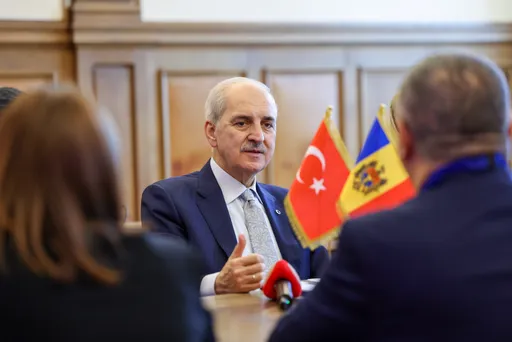
Türkiye is, simultaneously, a NATO member that has shaped alliance decisions on issues from Swedish accession to drone exports; a country in formal EU accession talks that has deepened its economic and diplomatic ties with Moscow; a G20 economy engaged in BRICS-related discussions; a state that participates in Shanghai Cooperation Organisation summits as a dialogue partner; and a country that has made itself essential to the calculations of virtually every major power across crises from Libya to Syria to the Black Sea.
This is not a contradiction. It is a strategy — the deliberate cultivation of what might be called maximum indispensability.
Türkiye has understood, before most of its peers, that in a fragmenting world order, the state that can engage with everyone has more durable influence than the state that is most aligned with a single camp.
Ankara has positioned itself not as a swing state to be courted, but as a permanent node through which competing powers must route their most sensitive negotiations.
The grain deal brokered in Istanbul in 2022 was not an accident of geography.
It was the product of decades of deliberate relationship-building with both Moscow and Kiev — relationships that Washington could not replicate, and that Brussels was too institutionally rigid to attempt.
Türkiye served as the indispensable intermediary precisely because it had refused to be exclusively aligned.
The same logic applies to Türkiye's role in Hamas-Israel negotiations, in Caucasus diplomacy, and in its complex management of Syrian border dynamics.
In each case, Ankara's utility to the international system derives from its refusal to sacrifice flexibility for the comfort of ideological consistency.
The world being described here — where security is built rather than bought, where short victories carry long costs, and where flexible multi-vector engagement outperforms exclusive alliance loyalty — is not a comfortable world for states accustomed to the simplicity of the unipolar era.
But it is the world that exists.
The Gulf states are reconfiguring their security architecture to reflect it. Ukraine is fighting for the right to inhabit it. Israel is discovering, at enormous human cost, what it means to ignore it.
And Türkiye is perhaps the clearest example that a middle power, on its way to becoming a superpower, can not only survive this transition but also shape it.
The lesson from Kiev to Gaza, from Riyadh to Ankara, is finally converging on the same point: the most powerful thing a state can build is not a weapons platform, a financial reserve, or even a military alliance.
It is a position in the world that no single adversary can afford to eliminate — and that no single partner can afford to abandon.
That is what sustainable security looks like. And that is the only kind worth having.