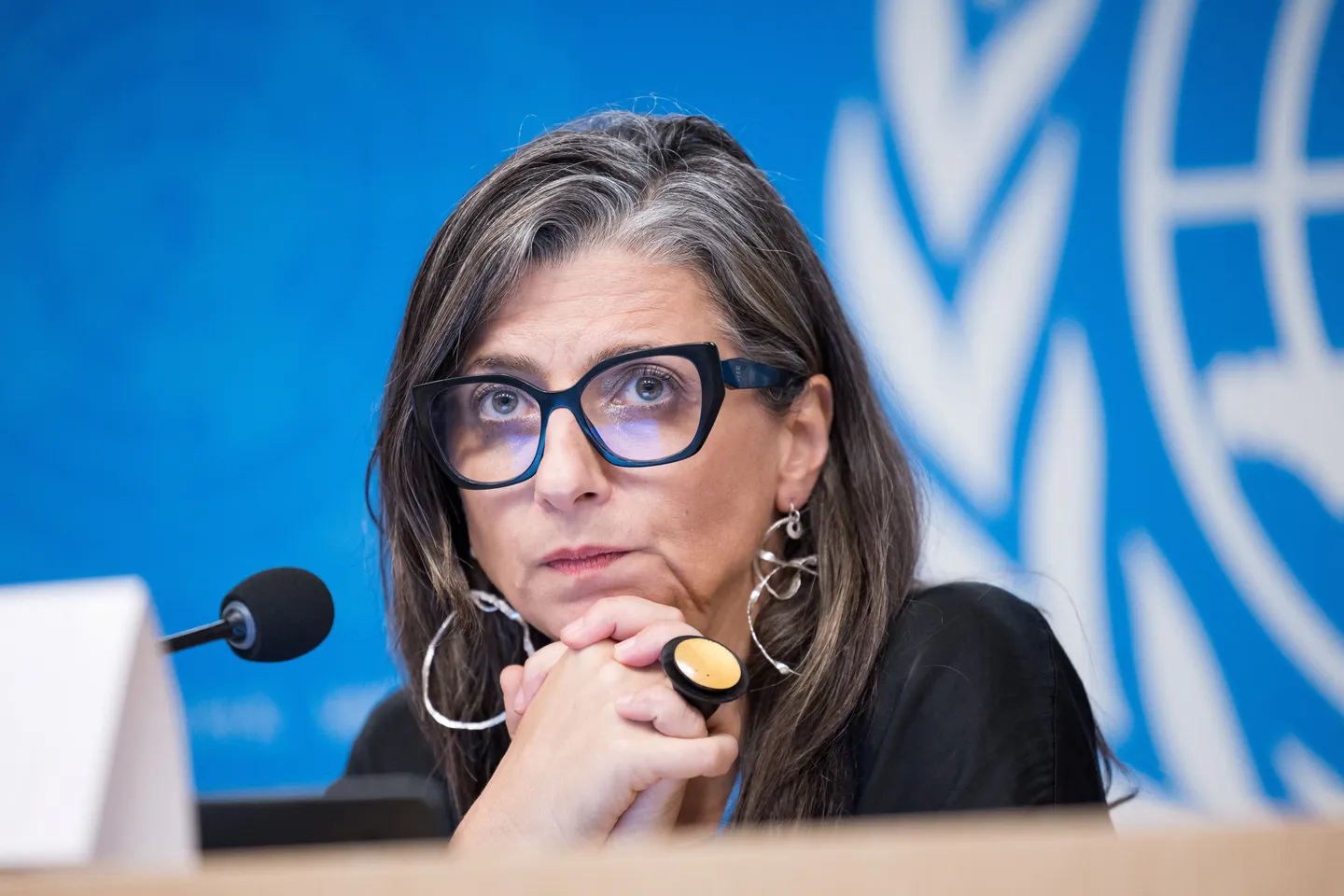
The UN’s special rapporteur on the occupied Palestinian territories has held a meeting with lawmakers in France’s parliament to address the situation in Palestine.
Francesca Albanese opened the session on Monday by reflecting on how her understanding of the law has changed over the years. “Thirty years ago, I saw the law as certainty and stability,” she said. “With maturity and practicing law, I felt it was a profession that serves truth and justice but also involves choices that can affect the freedom of others.”
She told lawmakers that her legal work, which she described as a “bridge-building role,” had paradoxically turned her into a target. “It is interesting how this role changed my life, because today I am attacked as an activist,” she said.
Her commitment, she noted, stems from her belief that “what is being done to Palestinians is the exact opposite of justice.”
Yet she stressed the importance of neutrality, not as indifference, but as a method of examining evidence without any personal bias. “Neutrality is what allows us to look at facts without being influenced by our own ideas,” she said.
Albanese also delivered extended remarks on international law, Europe’s political climate, and the personal consequences she has faced since publishing her reports on Palestine.
Members of the left-wing La France Insoumise (LFI) party met with Albanese, with the discussion centring on international law, Europe’s political stance, and the situation in Palestine amid ongoing tensions over France’s position on the Israeli war on Gaza.
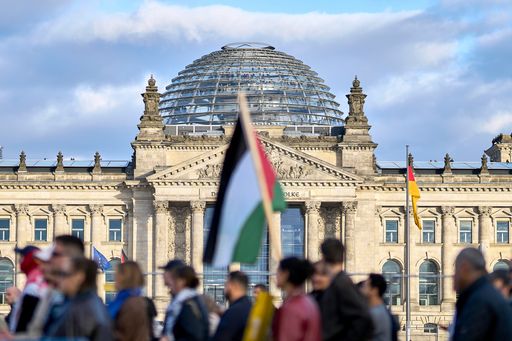
Europe influenced by ‘strategic lines dictated by the state of Israel’
Albanese criticised segments of Europe’s political and media landscape, arguing that both have become heavily influenced by “strategic lines dictated by the state of Israel.”
“It is not normal,” she said, “for members of the Italian parliament to travel to Israel with expenses paid by organisations linked to the Israeli military industry.”
She added that certain political and press narratives are shaped by “a colonial mindset that was never fully confronted.” Quoting Israeli historian Raz Segal, she said: “The idea of ethnic purity was not born with Hitler, nor did it die with him.”
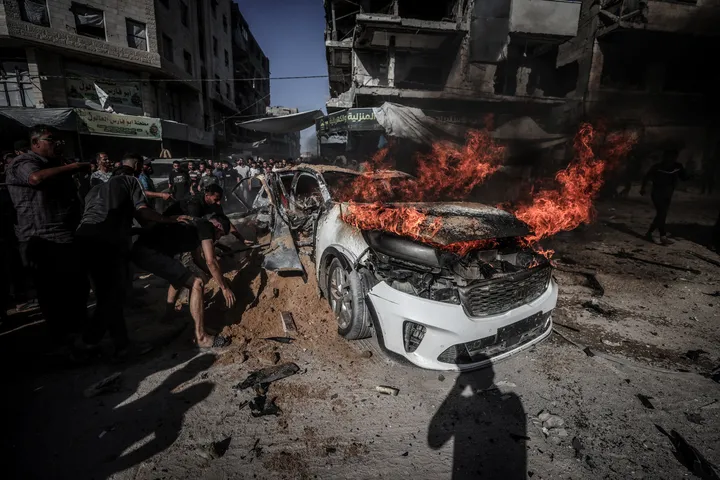
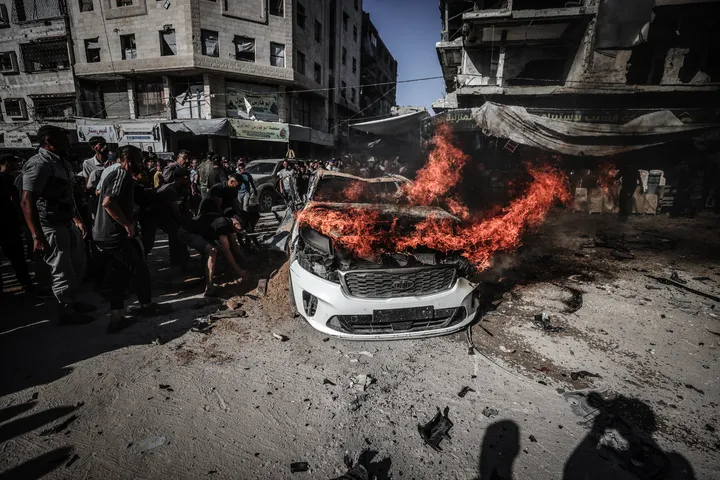
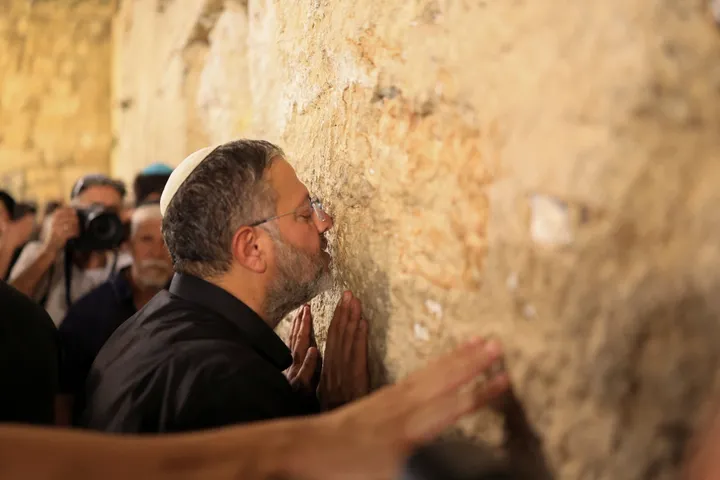
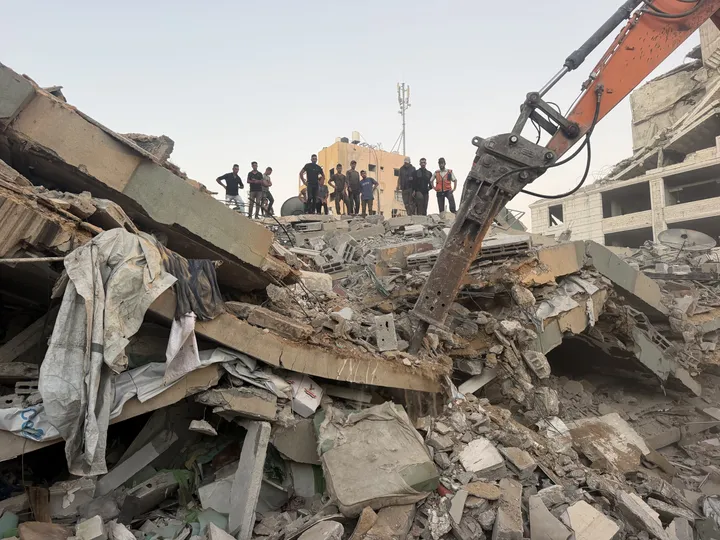


Albanese argued that the Palestinian experience “forces Europe to connect its own past with its past,” saying the Holocaust “was not an isolated anomaly but the moment when tools of domination used against indigenous peoples were brought to Europe.”
“Palestine gives us the chance to understand that link,” she added.

Ongoing threats, sanctions
Albanese also described the personal repercussions she has faced since speaking publicly about the situation in Gaza.
“My life and my family’s life are not what matter,” she said. “What we all must do together is stop genocide, stop the permanent occupation and apartheid. We can and must do it. The law demands it.”
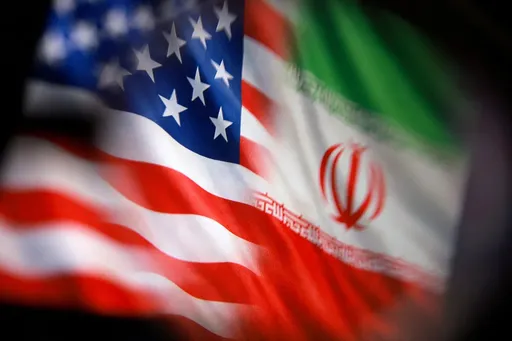
She noted that the sanctions imposed on her by the US in July have left her unable to open a bank account or receive her salary. “These sanctions included a US travel ban and financial restrictions, similar to those imposed on the Iranian leader or on (Russian President Vladimir) Putin,” she told French lawmakers.
Albanese also described how the sanctions have affected her family. Her daughter, born in Washington, DC, and her husband -- who works for an organisation based in the US -- now face the risk of arrest if they travel there.
“My husband could be fined up to $1 million for materially supporting someone under sanctions,” she said. The family has also been denied access to their apartment in Washington. “Even my 12-year-old daughter is affected by all this,” she added.
“It is not only about blocking my property or freezing my account. I cannot open a bank account anywhere, and hundreds of my professional relationships have been compromised,” she said.