 Uli Brückner
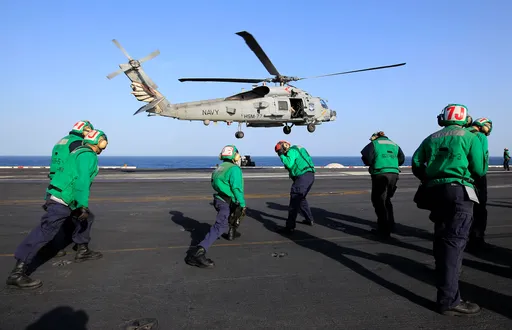
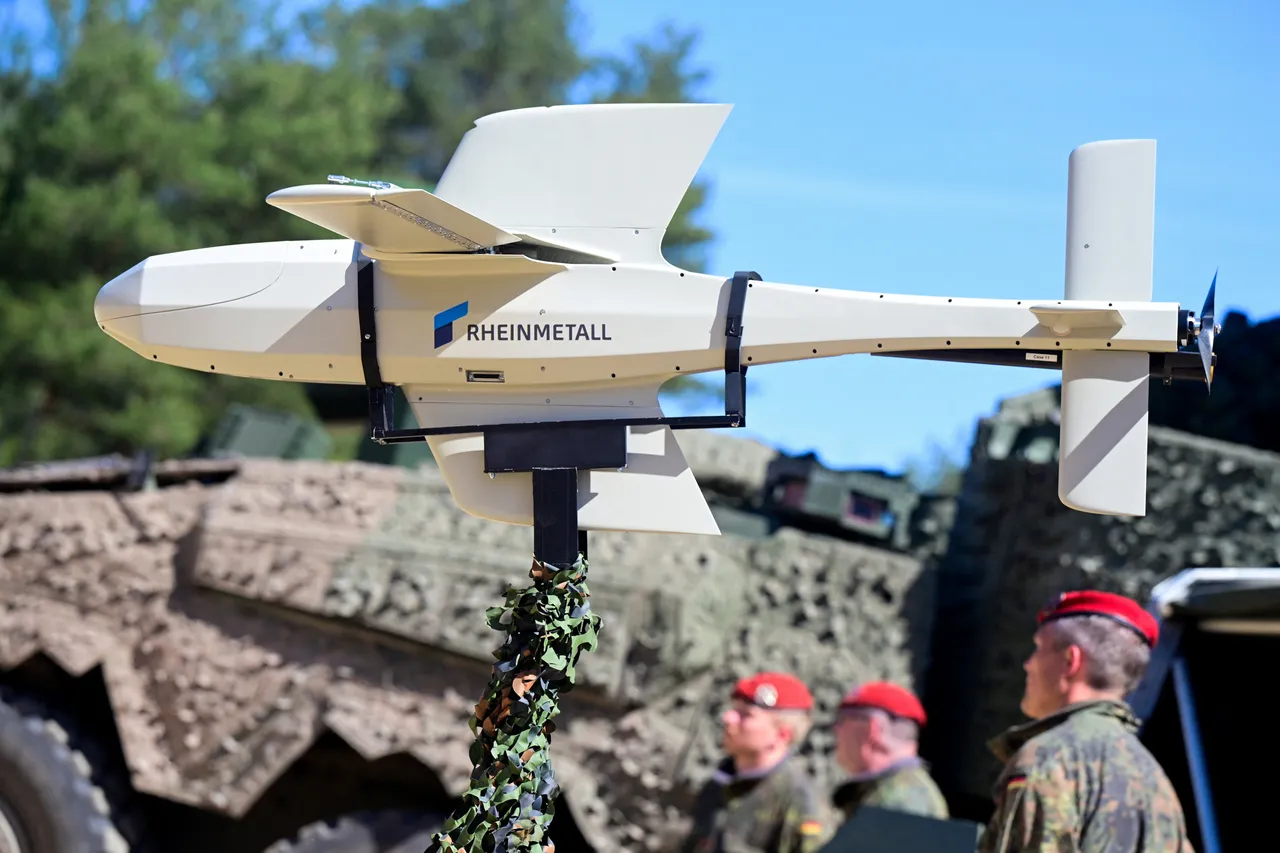
Chancellor Friedrich Merz wants to make Germany the leading military power on the continent by 2039. This represents a historic break and the de facto implementation of a paradigm shift that initially amounted to little more than a word and a number.
However, the society that is supposed to embark on this path is unprepared for it – politically, economically, and in its self-understanding.
Lately, the German government has been releasing ambitious figures almost daily, but this one is particularly noteworthy: The Bundeswehr is to be expanded into the strongest conventional army in Europe by 2039.
What seemed unthinkable before 2022 is now a declared political goal.
The “zeitenwende” proclaimed by then-Chancellor Olaf Scholz after Russia’s war with Ukraine has triggered a remarkable dynamic within the political class.
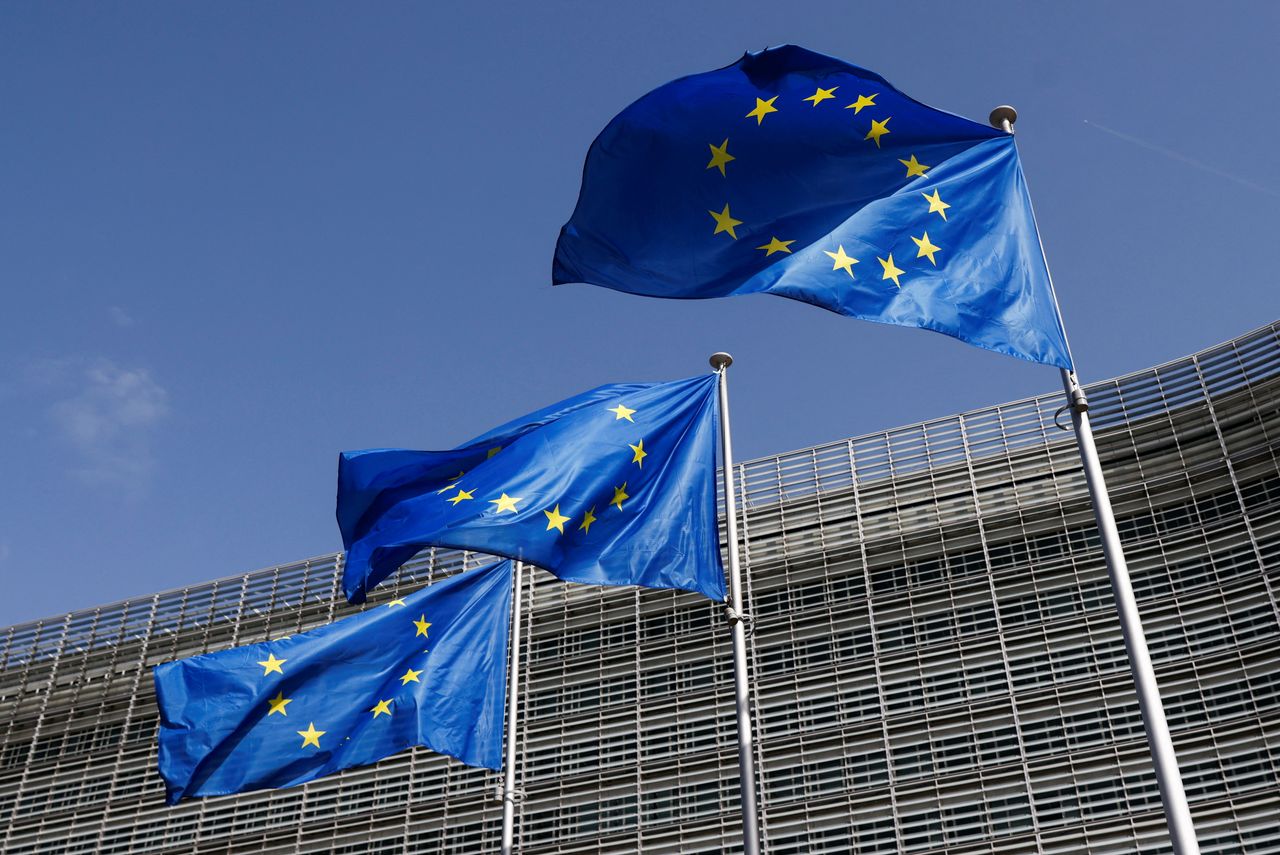
However, a significant gap exists between pronouncements in Berlin and the country's social reality. And this doesn't even take into account the consequences for Germany's partners and the unification of Europe.
A self-image that is not easily abandoned
Since the end of the Second World War, pacifism has not been a political programme in Germany, but rather a self-image and the official narrative of who we want to be after National Socialism.
Never again war. Never again from German soil. These phrases are etched into the collective memory. They helped Germany regain trust, forge alliances, and build a new self-image as a civilian power.
But they were also in a convenient position as long as one could send cheques, while other states participated in military operations with a UN mandate.
What was long considered a strength – the demonstrative restraint, the primacy of dialogue, the scepticism towards military means, the belief in international law and its observance – is now to be fundamentally reversed within a decade and a half. This is not an adaptation.
This is a break, because the world in which Germany could afford a pacifist stance no longer exists.
Furthermore, the unique influence of the German division played a significant role.
In West Germany and East Germany, two fundamentally different cultures of remembrance regarding war, the military, and national strength emerged.
What West Germans processed through NATO integration was overlaid in the East by anti-imperialist anti-fascism.
These differences have a lasting impact – in surveys on military readiness, in regional election results, in the deep scepticism of many East Germans towards a policy that is still considered a Western matter. And often also in their attitude towards Russia and Putin.
There is no shortage of announcements. What is lacking is an honest societal discourse about what this turning point in history actually means.
The full implications of Donald Trump's return to the White House as US president have not yet registered with the German public.
The fact that an American president questions NATO's mutual defence commitment and, in essence, the entire concept of collective security, uses European arms build-up as leverage in trade disputes, lays claim to the territory of partners, and treats the transatlantic alliance as a matter of cost, fundamentally alters the strategic landscape.
Europe can no longer rely on the US security guarantee as it has in the past.
This is not alarmism – it is the new political reality. And it is not a temporary unease that will disappear when another president takes office.
Feeling embarrassed and waiting, as in Trump's first term, is not the solution. The consequences of this reality are hardly discussed in German society.
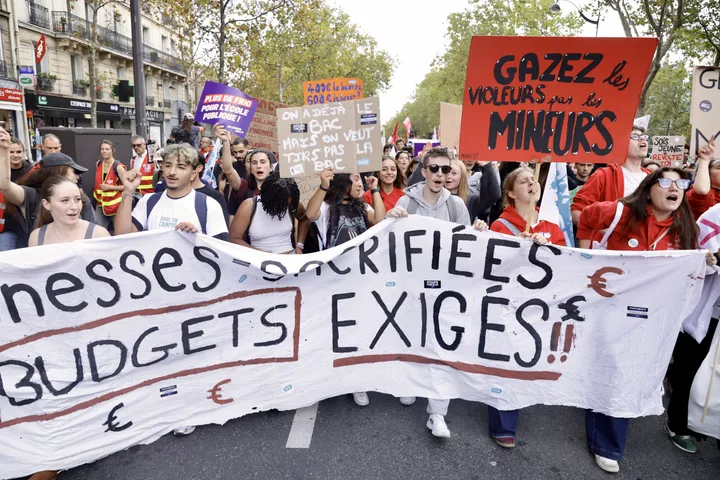
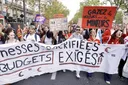
Talk shows address individual aspects, schoolchildren demonstrate against the military service reform, but the bigger picture is missing: What does it mean if NATO no longer functions reliably as a collective insurance system?
What are the implications for conscription, for arms investments, for European defence integration, and thus for the EU?
The political class has formulated initial answers. The public has barely been involved in this debate, perhaps because, as a German Federal Interior Minister once put it, "part of my answer would unsettle you."
Other societies are further ahead in this regard. Finland's "total defence" is the most comprehensive concept, practically integrating even people of other nationalities residing in the country.
There, the answer to the John F Kennedy question is put into practice: what can everyone do for their country, not just what they expect from the state?
Leadership without trust, rearmament without a narrative
If Germany wants to build the strongest conventional army in Europe, the question inevitably arises: Why?
What threat situation is it based on? With whom and against what? The answer cannot be solely military. It must be a societal one, embedded in a vision of European and global security that Germany actively helps to shape.
This is precisely where the real shortcoming lies.
There is a lack of German impetus for European integration and a lack of a discernible concept of how Germany intends to assume leadership and responsibility without reviving old fears of German hegemony.
For France, Poland, the Baltic states, and the smaller EU members, it is unclear what Germany actually intends to do with its growing military capabilities.
The "German question" has not disappeared. Rearmament without a political framework is not a signal of security – it is a signal of insecurity.
And then there's always the question of money – and people.
Hundreds of billions for the German armed forces, and not just a one-off, but over a long period: that's money that can't be spent elsewhere, even after a reform of the debt brake.
On climate crisis, education, healthcare, infrastructure, and social security.
A society that is simultaneously ageing, lamenting a severe shortage of skilled workers, and seeing its welfare state under pressure, cannot simply finance military buildup "on top" without setting priorities.
This balancing act is hardly ever discussed openly. Instead, special funds are presented as a technical solution, as if the societal debate could be circumvented through accounting.
Furthermore, who is supposed to provide this army?
Germany has an ageing population, a military facing recruitment problems, and a generation of young people who have grown up with Bundeswehr recruitment ads but rarely consider serving themselves, let alone in a military conflict.
A professional army of the size required to achieve this goal is simply unattainable without a structural societal discussion about military service, compulsory service, or incentives, especially when 20 percent of the population was not born in Germany and has been socialised differently.
What is needed now
All of this does not mean that the political direction is wrong. The security situation in Europe is serious. Russia's war with Ukraine is not an episode, but aims to change the European security architecture. Hybrid attacks happen every day.
And yes: Europe must strengthen its defences, and Germany must contribute a greater share. But the path to achieving this requires more than resolutions and budget lines. It requires a societal debate worthy of the name – open, honest, and without false reassurances.
There are examples of political leadership taking the people of the country seriously and involving them in decision-making, so that crises were dealt with collectively: in the aftermath of German reunification, during the pandemic, and in the first winter after the Russia’s war with Ukraine, when energy had to be saved.
Germany must decide what it wants to become: a civilian power with defence capabilities or a military leader with a civilian veneer – but also one that takes on greater responsibility in Europe, with all the consequences for the future of European integration.
Both are conceivable. But both require clarity – towards its allies, especially towards past victims of German militarism, towards its own society, and towards its history, from which Germany can never completely break free.
To build the strongest army in Europe without this clarity: that would be the real strategic error.
This article was originally published on TRT DEUTSCH