A striking new United Nations report has, for the first time, described Israel’s policies in the occupied West Bank as an “apartheid system.”
The report, published on Wednesday by the UN High Commissioner for Human Rights (OHCHR), detailed decades of discrimination, segregation, and unequal laws that have systematically restricted Palestinians’ rights to movement and access to water, land and basic services.
“There is a systematic asphyxiation of the rights of Palestinians in the West Bank,” said UN rights chief Volker Turk in a statement. “This is a particularly severe form of racial discrimination and segregation that resembles the kind of apartheid system we have seen before.”
A number of independent experts affiliated with the UN have described the situation in the occupied Palestinian territories as an "apartheid" but this marks the first time a UN rights chief has applied the term.
Independent human rights groups have long called Israel an apartheid state, well before the latest UN rights chief’s report. Israeli rights group B’Tselem, as well as Amnesty International and Human Rights Watch, called Israel a regime operating apartheid segregation in the occupied Palestinian territories.
What prompted the UN to also take this stance?
Illegal settler attacks
The UN report said that Israeli authorities treat illegal settlers and Palestinians in the occupied West Bank under two distinct legal systems, resulting in inequality.
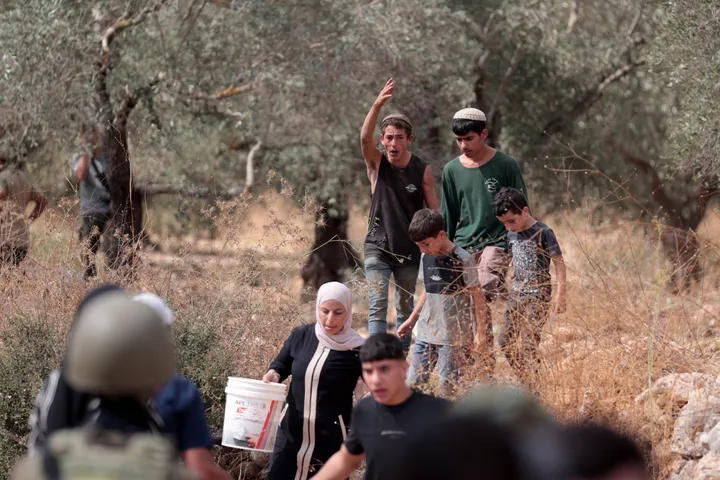
Violence by illegal Israeli settlers against Palestinians has been rising since the start of Israel’s genocidal war on Gaza in 2023, often occurring with the acquiescence, support, or participation of Israeli security forces, worsening the humanitarian and security situation in the region.
According to Palestinian figures, more than 1,066 Palestinians have been killed and 10,300 injured in these attacks in the occupied West Bank since October 2023.
Land confiscation
The UN report also points out how Palestinians continue to face large-scale Israeli confiscation of land and restricted access to essential resources, including water and farmland.
This systematic dispossession undermines their livelihoods and contributes to ongoing economic and social marginalisation, leaving many Palestinians without homes or means to sustain themselves, the report says.
These policies also deepen dependency and limit opportunities for education, healthcare, and community development for the Palestinian people on their own lands.
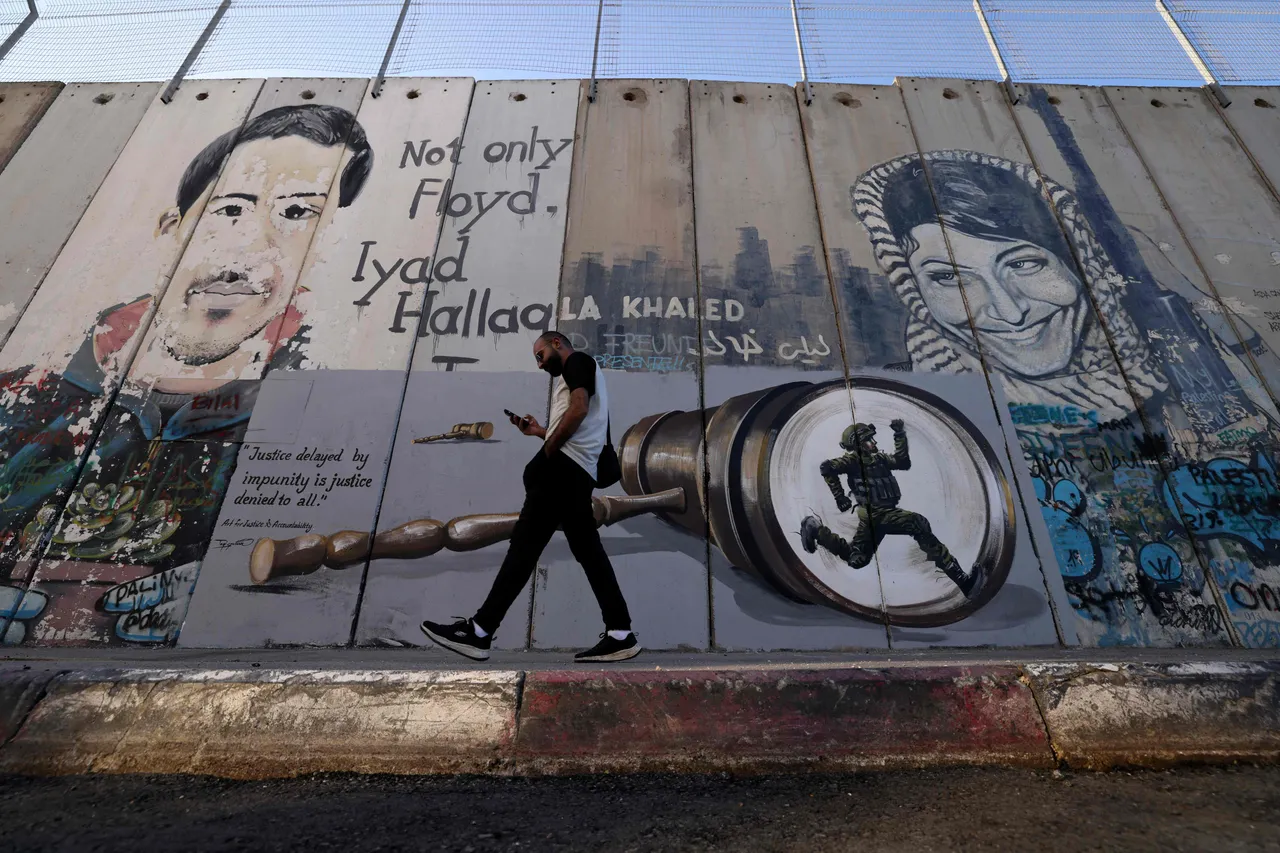
The separation wall in the occupied West Bank has also been described by rights groups as an apartheid measure, carving up Palestinian land, segregating communities, and enforcing unequal access and movement.
Expansion of illegal settlements
More than 500,000 Israelis now live in illegal settlements in the West Bank, territory occupied by Israel since 1967.
Despite being considered illegal under international law, illegal Israeli settlements continue to expand rapidly, often amid killings of Palestinians and almost complete impunity for perpetrators, according to the UN.
Such settlements also cause restrictions of movement within and between Palestinian areas, as the UN report also focuses on checkpoints and permit systems.
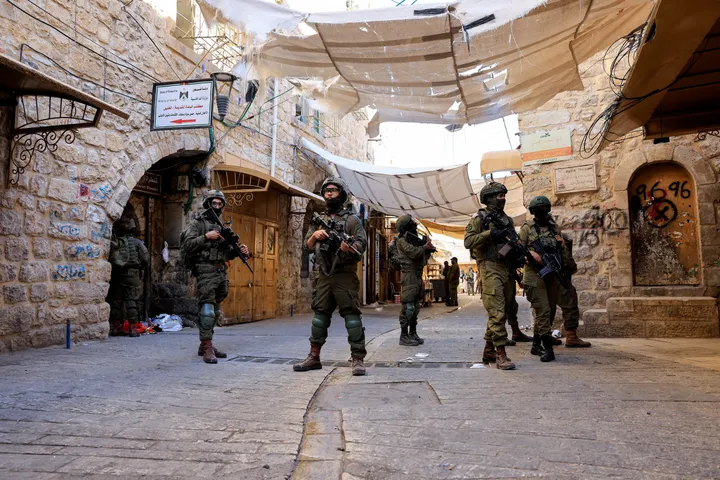
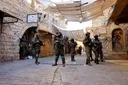
The occupied West Bank is crisscrossed by an extensive network of roads reserved for illegal Israeli settlers, hundreds of military checkpoints, and barriers that divide Palestinian cities and villages, severely restricting freedom of movement.


Arbitrary detentions
Thousands of Palestinians are held in administrative detention without charge or trial, and Israeli authorities have expanded the use of unlawful force, arbitrary detention, and torture, particularly since the start of the Israeli brutal war on Gaza in 2023.
The report emphasises that these practices contribute to a climate of fear and oppression, leaving families uncertain about the safety of loved ones and undermining basic protections guaranteed under international law.
Repression of civil society, media freedoms
The UN report highlights growing repression of civil society groups and tight restrictions on media freedoms, alongside severe limits on movement within and between Palestinian areas.
These measures have worsened human rights conditions in the occupied West Bank, isolating communities, restricting access to education, healthcare, and essential services, and stifling public debate, while reinforcing the broader system of oppression over Palestinians.
The report warns that such restrictions also deepen economic hardship and limit opportunities for Palestinians to participate fully in social, political, and civic life.

Systemic oppression
The report also observed that the combination of segregation, legal inequality, illegal settlement expansion, and violence indicates a deliberate system intended to maintain domination over Palestinians.
This, the UN stresses, constitutes a violation of international anti-racism law, prohibiting racial segregation and apartheid, and underscores the need for Israel to respect Palestinian self-determination.
Indiscriminate bombardment
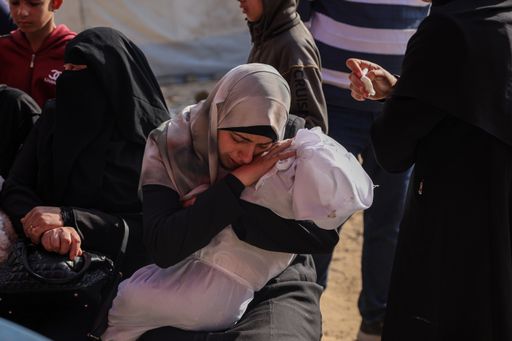
While the UN report focused primarily on the occupied West Bank, it didn’t cover other Israeli practices, especially those affecting besieged Gaza during Israel’s genocidal war on the tiny Palestinian enclave.
Israel has killed over 71,000 Palestinians, mostly women and children, and destroyed homes and infrastructure, reducing the enclave to rubble.
Indiscriminate Israeli bombardment has destroyed almost 90 percent of the buildings in Gaza.
Mass displacement caused by the destruction and ongoing violations of the October ceasefire plunge civilians deeper into a humanitarian catastrophe.
Blockade on Gaza
The decades-long land, sea, and air blockade of Gaza severely restricts the flow of goods, medical supplies, fuel, and people. This blockade has contributed to humanitarian crises and economic strangulation, which was addressed in separate UN and human rights reports.
Electricity and water shortages, destruction of hospitals and schools, and restricted access to humanitarian aid in Gaza are still forms of Israeli apartheid that the recent UN report didn’t include.