As temperatures continue to shatter records across Europe, the Mediterranean and the Middle East, climate change is no longer viewed solely as an environmental challenge. For governments, businesses and investors alike, it has become an economic imperative.
Türkiye hopes hosting COP31 in Antalya will demonstrate that the next phase of climate action is about implementation rather than promises.
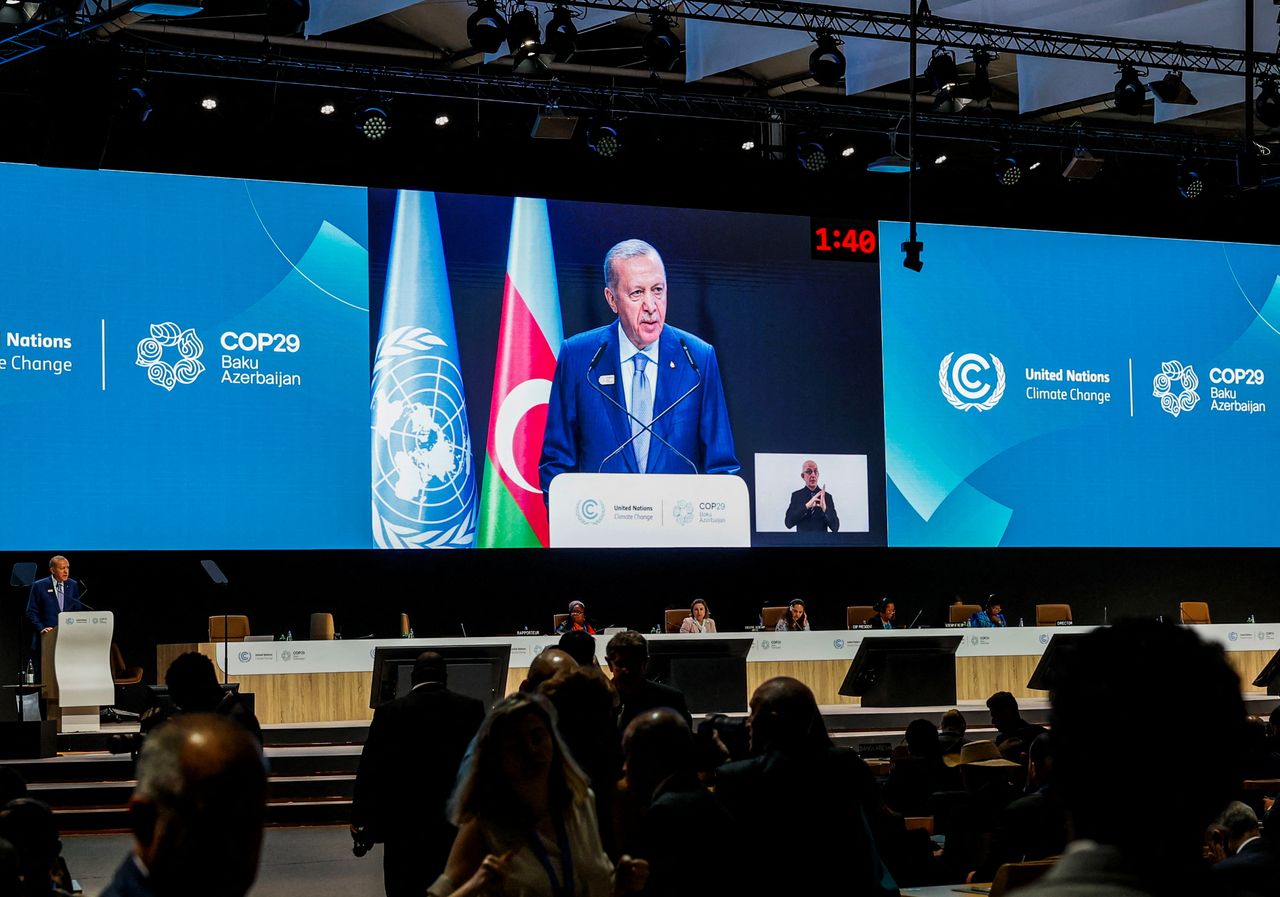
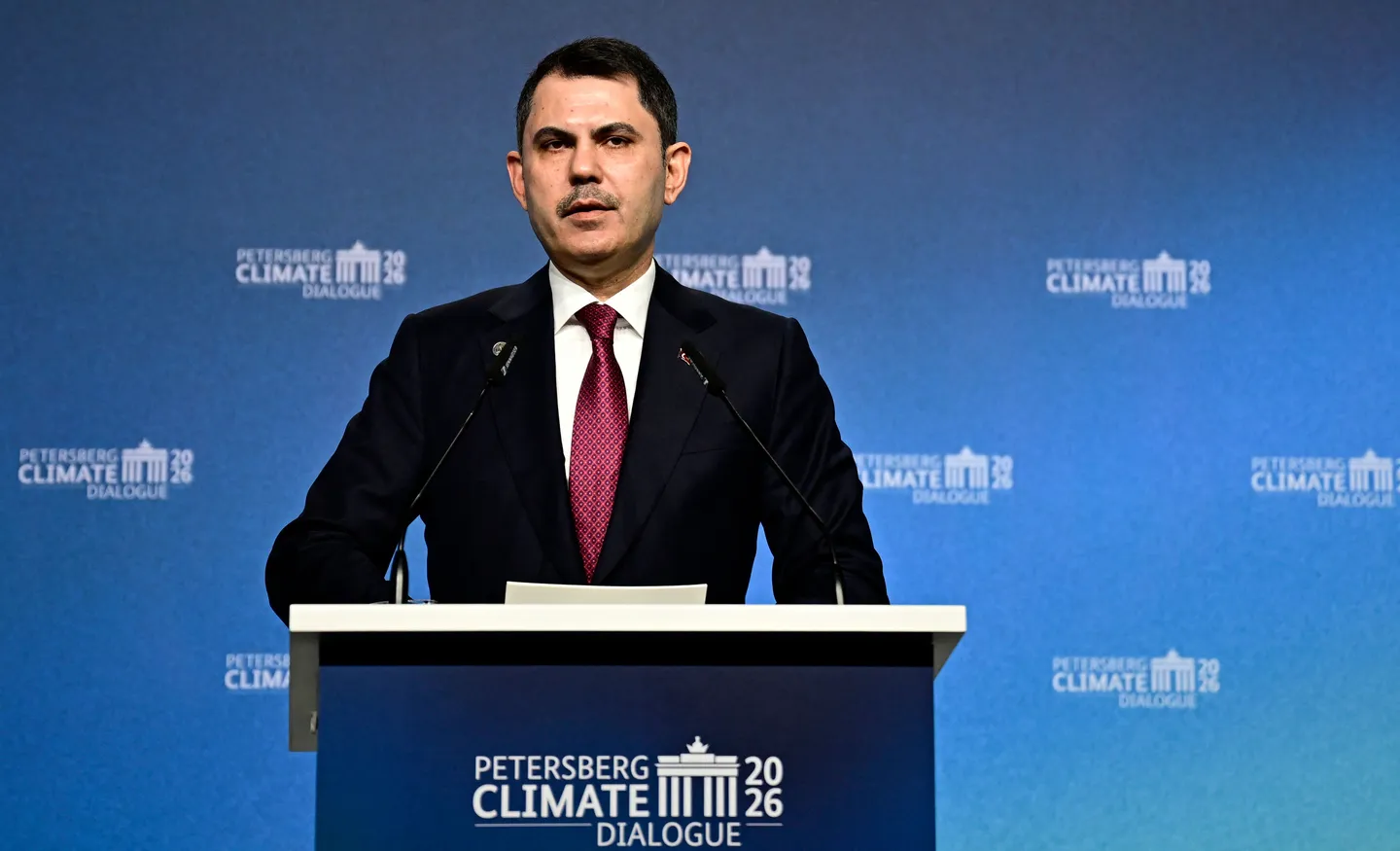
The 31st United Nations Climate Change Conference (COP31) will take place in Antalya this November, with Minister of Environment, Urbanisation and Climate Change, Murat Kurum positioning the summit as an "implementation COP" focused on translating climate commitments into real-world projects, investment and measurable outcomes.
The emphasis comes at a time when Türkiye is increasingly confronted with severe climate pressures.
For policymakers in Ankara, the conference presents more than a diplomatic milestone. It is an opportunity to showcase Türkiye's expanding renewable energy ambitions, climate legislation and circular economy initiatives while convincing international investors that the country is ready to become one of the region's leading destinations for green investment.
Faraz Khan, founder of impact investment firm SEED Ventures, believes the significance of COP31 will ultimately be judged not by declarations issued in Antalya, but by whether the conference helps unlock long-term investment.
"COP31 should be a platform where climate finance starts working for real businesses and communities," Khan told TRT World in a detailed interview over Türkiye’s climate efforts, investment opportunities and the role of business in climate action.
"My role isn't about negotiating climate agreements. It's about connecting public ambition with projects that investors can actually finance."
Khan participated in the COP31 Türkiye High-Level Business Roundtable, held during London Climate Action Week in June and convened by Kurum.
The closed-door meeting brought together Turkish officials with representatives from major financial institutions, multinational companies and development organisation, including BlackRock, Goldman Sachs, the World Bank, BBVA, Shell, Schneider Electric, Koc Holding, Sabanci Holding and Ziraat Bankasi, to discuss how private capital can support Türkiye's transition towards a low-carbon economy.
Although Khan declined to disclose details of individual conversations because of the confidential nature of the meeting, he said one message emerged clearly — COP31 must move from targets to transactions.
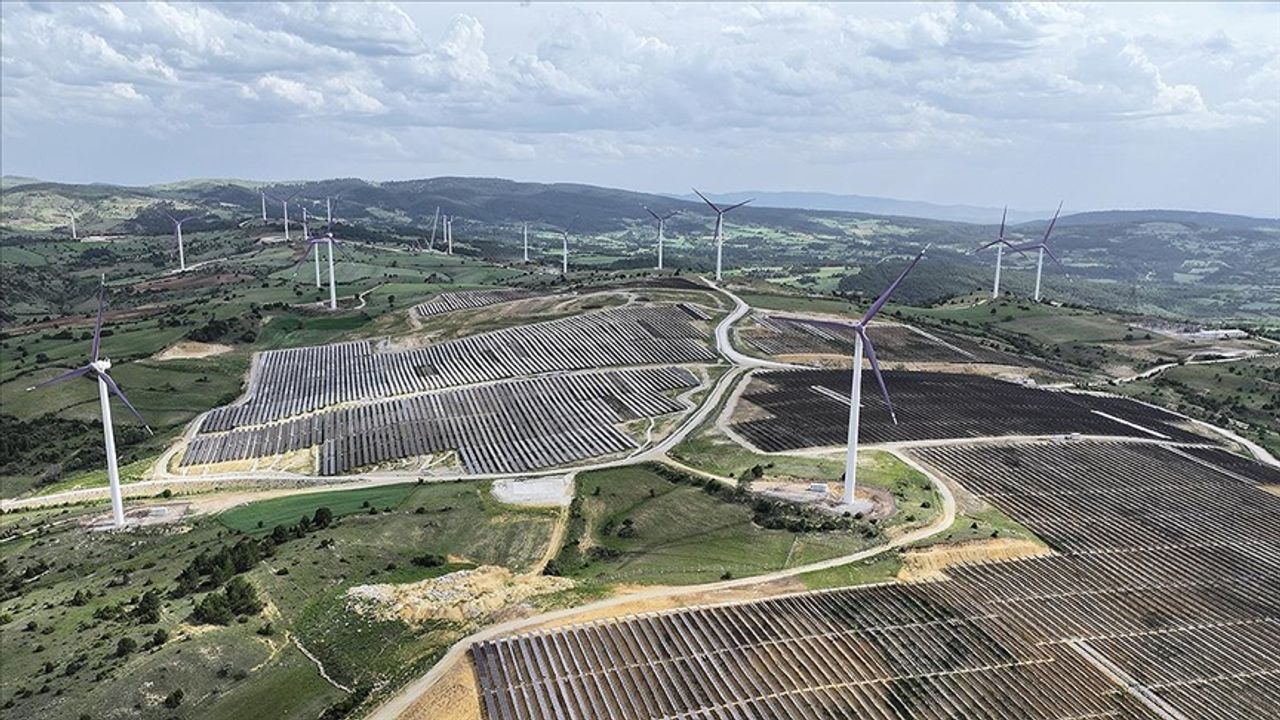
During the London discussions, Türkiye presented its plan to lift combined wind and solar capacity from roughly 42 gigawatts (GW) by May 2026 to 120 gigawatts by 2035, requiring approximately $108 billion in generation investment plus about $28-$30 billion for networks and grid modernisation.
This means adding at least 7.5-8 gigawatts of new capacity each year by holding annual government auctions for large renewable energy projects (YEKA) and cutting project approval times from up to four years to less than two years.
Khan explained that this urgency is justified because coal and gas still produced 33.6 percent and 23 percent of electricity in 2025 even as wind and solar reached 21.4 percent combined, and 2024 gross greenhouse gas emissions rose 5.3 percent to 584.5 million tonnes CO₂ (MtCO₂e).
For Türkiye, which imports a large share of its oil and natural gas needs, increasing domestic renewable energy production and strengthening the resilience of the electricity grid remain key pillars of its energy security strategy.
Khan repeatedly emphasised that investors are already convinced by Türkiye's renewable energy potential. Their questions instead revolve around practical issues such as regulatory certainty, permitting timelines, electricity grid capacity, carbon pricing and the stability needed for investments that typically span two decades or more.
Rather than announcing ever more ambitious emissions targets, governments are increasingly under pressure to demonstrate that they can deliver projects capable of attracting private investment.
Türkiye has embraced that narrative ahead of COP31.
The Turkish government has also introduced new climate legislation designed to establish the legal framework for carbon markets, emissions trading and climate finance.
In early July 2025, the climate law entered into force, giving the country its first comprehensive legal framework for climate action.
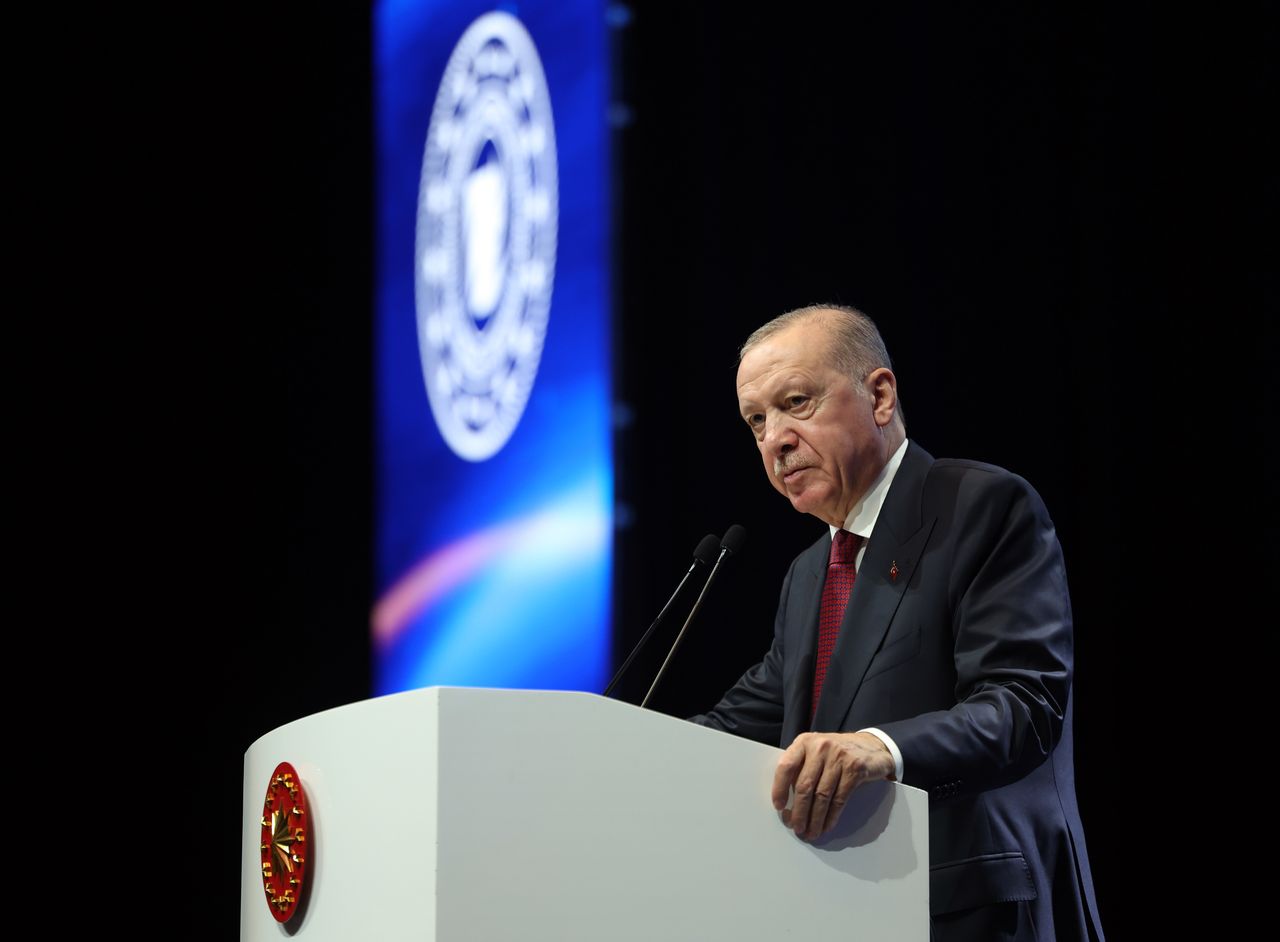
Turkish President Recep Tayyip Erdogan publicly affirmed its importance, signalling that climate policy now sits within the country’s broader political strategy, which includes provisions for an emissions trading system, and it builds on Türkiye’s long-term net-zero target.
The World Bank estimates Türkiye’s resilient net-zero pathway requires $165 billion of additional investment from 2022 to 2040, with roughly the half expected from the private sector, while generating potential net benefits of $146 billion by 2040.
For investors, however, implementation remains the key test.
"Capital is interested and available but it will move only when Türkiye converts policy ambition into de-risked, contracted and monitorable projects," Khan repeated.
Why climate resilience has become an economic necessity
Climate change is beginning to reshape not only environmental policy but also economic decision-making.
For investors, Khan tells TRT World, climate risk has moved beyond environmental, social and governance (ESG) reporting and into the core of financial analysis.
"Climate risk is now part of investment underwriting," he said. "It affects revenues, operating costs, insurance, infrastructure and ultimately the long-term value of assets."
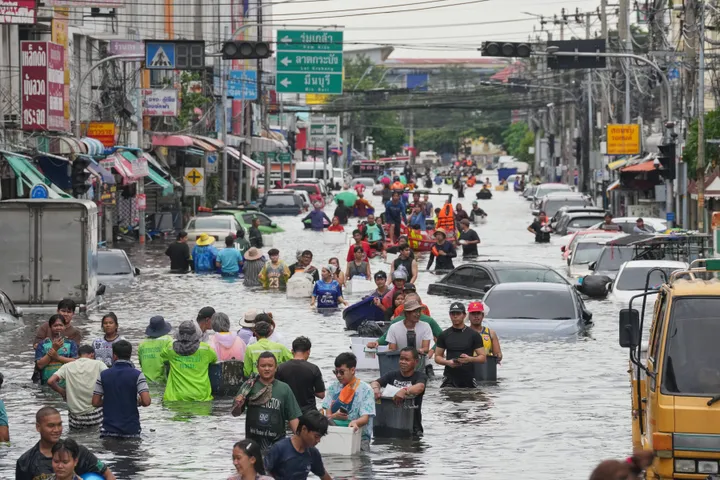
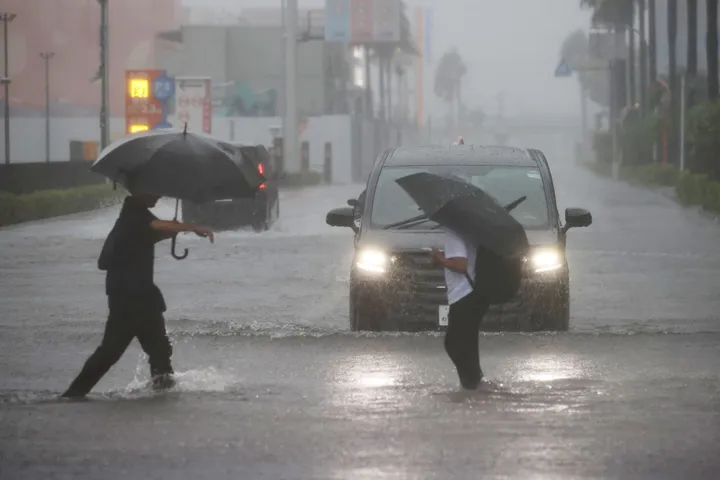
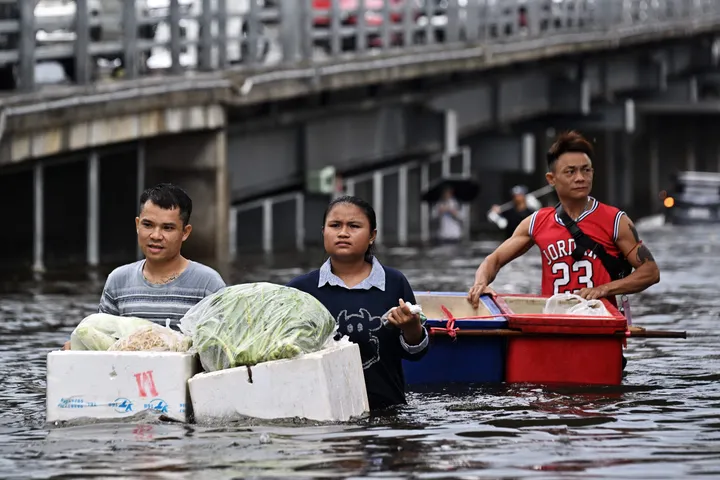
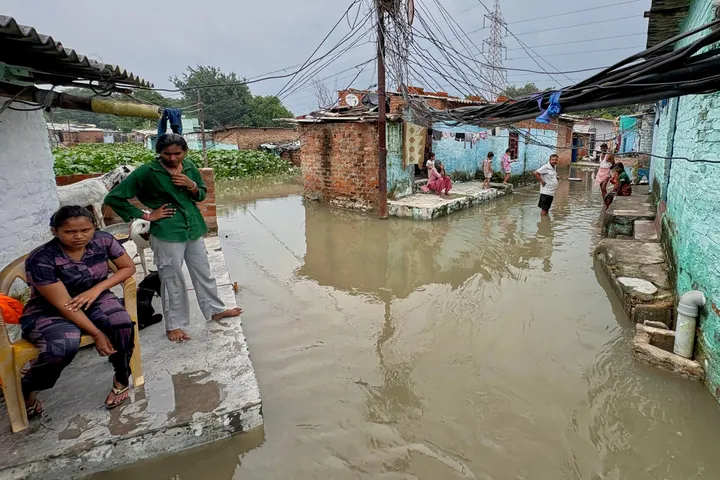
In 2025, rainfall in Türkiye over the first 11 months of the water year fell 27 percent below the 1991-2020 average to 401.1 mm, the lowest in 52 years, while Silopi recorded a national temperature record of 50.5°C; February 2026 was then 3.5°C warmer than its long-term monthly norm.
Agriculture remains among the sectors most exposed. Türkiye is one of the world's leading agricultural producers, but rising temperatures and declining rainfall threaten crop yields while increasing pressure on already strained water resources.
Tourism — another pillar of the Turkish economy — is also becoming increasingly vulnerable.

The country generated $65.2 billion of its 2025 revenue from tourism. The Mediterranean coastline, including Antalya, attracts millions of visitors every year. However, prolonged heatwaves, water shortages and an increasing frequency of wildfires pose growing risks to hotels, transport infrastructure and seasonal tourism.
Investors increasingly treat resilience as an economic necessity, Khan tells TRT World.



From climate commitments to climate delivery
Since ratifying the Paris Agreement in 2021, Ankara has gradually expanded its climate policy framework.
For Khan, however, ambitious targets alone are insufficient. “International investors currently see Türkiye as a high-potential but execution-sensitive climate market: its industrial depth, EU Customs Union access, large domestic demand and renewable resource base are compelling, while inflation, currency risk, permitting and policy predictability still influence the cost of capital.”
Implementation means turning national climate goals into projects that banks can finance. That requires clear auction schedules, transparent permitting processes, reliable grid connections, robust monitoring systems and regulatory certainty that extends well beyond electoral cycles.
He believes one of the most effective ways of building that confidence would be through regular public reporting that tracks progress on renewable energy deployment, emissions reductions, private investment mobilisation and climate resilience projects.
He added that all this should ultimately be measured through tangible outcomes: cleaner industries, modernised electricity grids, stronger water security, new employment opportunities and greater resilience against increasingly frequent climate shocks.
Balancing ambition with competitiveness
Hosting COP31 also comes at a critical moment for Türkiye's export-oriented industries.
The European Union remains Türkiye's largest trading partner, and new carbon-related regulations — particularly the Carbon Border Adjustment Mechanism (CBAM) — are expected to reshape the competitive landscape for exporters in sectors such as steel, cement, aluminium and chemicals.
Companies with lower carbon footprints are likely to gain an advantage, while those unable to reduce emissions may face additional costs when exporting to European markets.
Khan believes this creates an economic incentive for decarbonisation that extends well beyond environmental considerations.
He shared that EU CBAM made industrial decarbonisation especially urgent because 12.7 percent of Türkiye’s goods exports to the EU were already in first-phase CBAM sectors in 2022, with another 28.9 percent in sectors anticipated for a later phase.
“The longer-term prize is industrial: EU CBAM entered its definitive phase in 2026, and the EU absorbs roughly 41 percent of Türkiye’s goods exports, so cleaner steel, cement, aluminium, chemicals and supply-chain data protect market access as well as the climate,” he explained.
The Zero Waste movement
Türkiye is also seeking to highlight progress in the circular economy.
One of the country's most visible environmental initiatives has been the Zero Waste movement, championed by First Lady Emine Erdogan, which has evolved from a public awareness campaign into a broader national strategy aimed at increasing recycling rates, reducing landfill waste and promoting more efficient use of resources.
The initiative has also gained international recognition, with the United Nations declaring 30 March as International Day of Zero Waste following a resolution spearheaded by Türkiye.
Building on that momentum, the government has begun rolling out a nationwide Deposit Management System (DOA) — commonly referred to as the waste return scheme — which enables consumers to return beverage containers through reverse vending machines in exchange for a refundable deposit.
For Khan, initiatives such as Zero Waste represent an important step in strengthening Türkiye's environmental credentials, but their long-term success will depend on whether they create commercially viable opportunities for private investment.
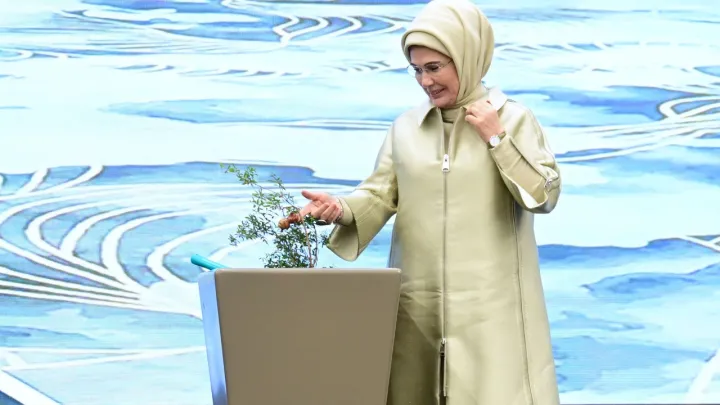
"Emine Erdogan’s Zero Waste initiative is already a significant reputational asset because it links a visible public movement to measurable national outcomes," he said.
By June 2026, Türkiye reported 90 million tonnes of waste recycled and 365 billion Turkish lira contributed to the economy. The recovery rate rose from 13 percent in 2017 to 37.53 percent in 2025, with official targets of 60 percent by 2035 and 70 percent by 2053, showing that awareness has begun to shift system performance.
"The next stage is turning that momentum into investable circular economy infrastructure."
That means expanding separate waste collection systems, improving digital tracking of recyclable materials, encouraging greater producer responsibility and supporting recycling industries through predictable regulatory frameworks.
If investors can see stable revenue models, transparent regulations and measurable environmental outcomes, circular economy projects become much easier to finance, Khan explained.
The national strategy estimates that source-separating around 1.3 million tonnes of beverage packaging each year could support €120 million in annual revenue, €250 million in material savings, €50 million in import savings and €525 million in avoided landfill costs, which Khan says is precisely the cash-flow visibility private investors need.
A regional clean-energy hub?
Beyond hosting the conference itself, Türkiye is seeking to position itself as a regional centre for clean-energy manufacturing and investment.
Yet competition is intensifying.
China continues to dominate global clean technology manufacturing, while Gulf countries are deploying vast amounts of capital into renewable energy and hydrogen projects. North African economies such as Morocco and Egypt are also attracting investment through their proximity to European markets and growing renewable energy sectors and Central European states remain deeply integrated into battery and automotive value chains.
Khan believes Türkiye has the ingredients to not only compete, but win.
"The next five years will be decisive," he said. Türkiye has the industrial capability, the domestic market and the renewable energy potential in his opinion. The question is whether it can match that with predictable regulation, faster permitting and the investment environment global capital is looking for.
For him, the country's greatest opportunity lies in building domestic supply chains for technologies such as batteries, grid equipment, power electronics and renewable energy components rather than relying primarily on imported technologies.
Success measured after the delegates leave
As preparations continue for Antalya, expectations surrounding COP31 extend well beyond the negotiations that will take place over two weeks in November.
A successful COP31 won't simply be remembered for the agreements reached in Antalya, according to Khan.
It will be judged by how many renewable energy projects reach financial close, how much private capital is mobilised, how quickly infrastructure is built and whether communities become more resilient to climate change.
Khan’s impression after the closed-door session in June was that the Turkish government understands COP31 as both a diplomatic responsibility and an economic deadline.
His conclusion? If Türkiye can combine credible rules, investable infrastructure and measurable resilience, COP31 will become the starting point of a more competitive economy rather than a one-off diplomatic milestone.