 Abhishek G Bhaya
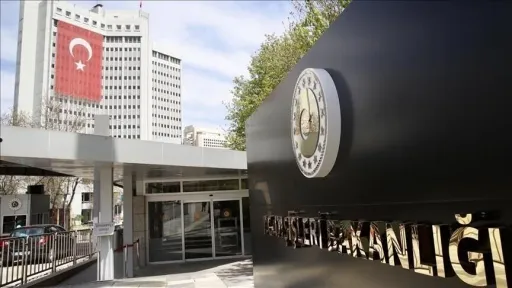
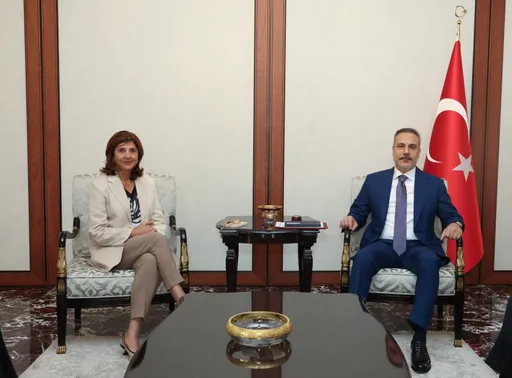
Turkish Foreign Minister Hakan Fidan has called for an improved relationship between Türkiye and India, arguing that differences over Ankara's close ties with Pakistan should not prevent cooperation between the two regional powers.
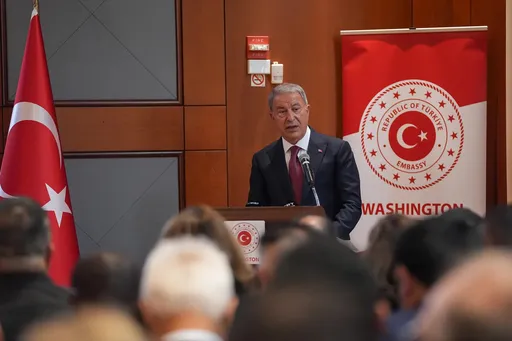
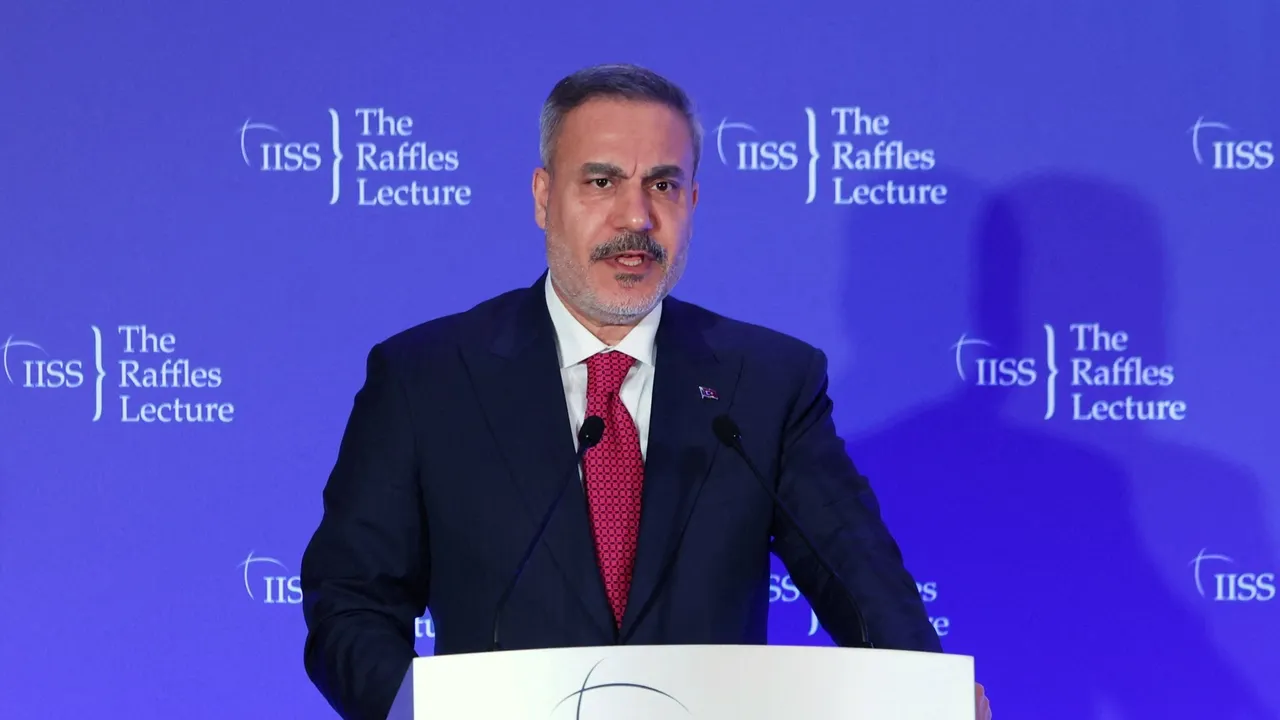
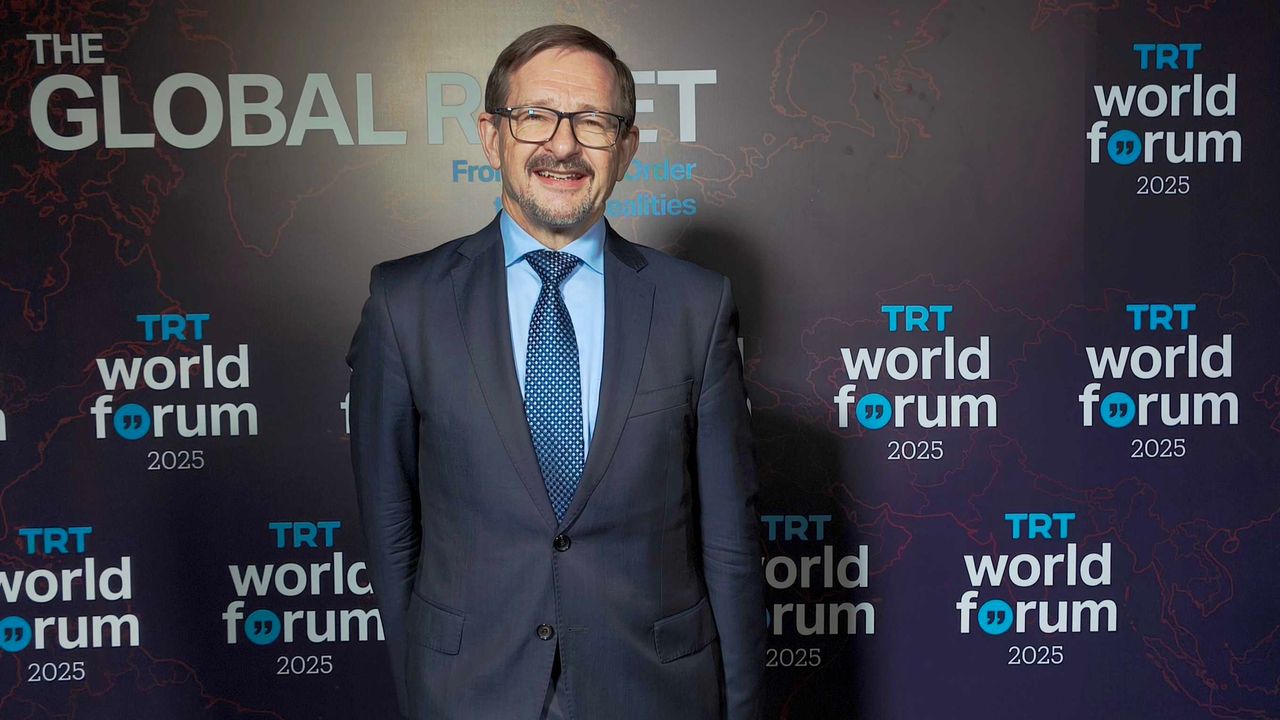
Speaking at the 6th IISS Raffles Lecture in Singapore last week, Fidan said Türkiye and India had no major bilateral disputes and shared strong reasons to maintain a positive relationship.
"We really would like to have excellent relations with India. We don’t have any border with India and we don't have any outstanding bilateral issue with India," Fidan said in a post-lecture question-and-answer session. He noted that Türkiye and India did not share a history of conflict and instead had "every good reason to have a good relationship."
The Turkish foreign minister defended Ankara's longstanding ties with Pakistan, describing them as rooted in historical solidarity, while emphasising that such relations should not be viewed as an obstacle to cooperation with New Delhi.
"Türkiye is not the only country having good relations with Pakistan and historical solidarity with Pakistan on some given issues," Fidan said.
Drawing comparisons with Türkiye's relations with other major powers, Fidan said countries should be able to compartmentalise disagreements and continue pursuing areas of mutual benefit.
"We are having, for instance, our differences with Russia on certain issues, with the United States on certain issues, with some European countries on certain issues, but we are able to divorce one negative issue from the other," he said.
"So we can put some problems in parentheses, in brackets, and we can go on with the positive agenda."
Fidan said a similar approach should guide relations between Ankara and New Delhi. "I think this is what needs to be done between Türkiye and India because we have a lot to cooperate on, to benefit from, and we are mature enough to go in this direction," he said.
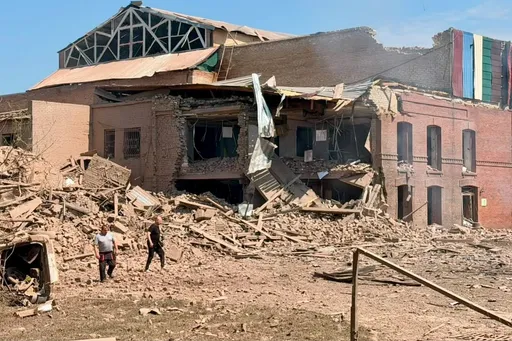
Relations between India and Türkiye entered a difficult phase following the four-day India-Pakistan war in May 2025. New Delhi took issue with Ankara's condemnation of Indian attacks and its expressions of support for Pakistan during the crisis.
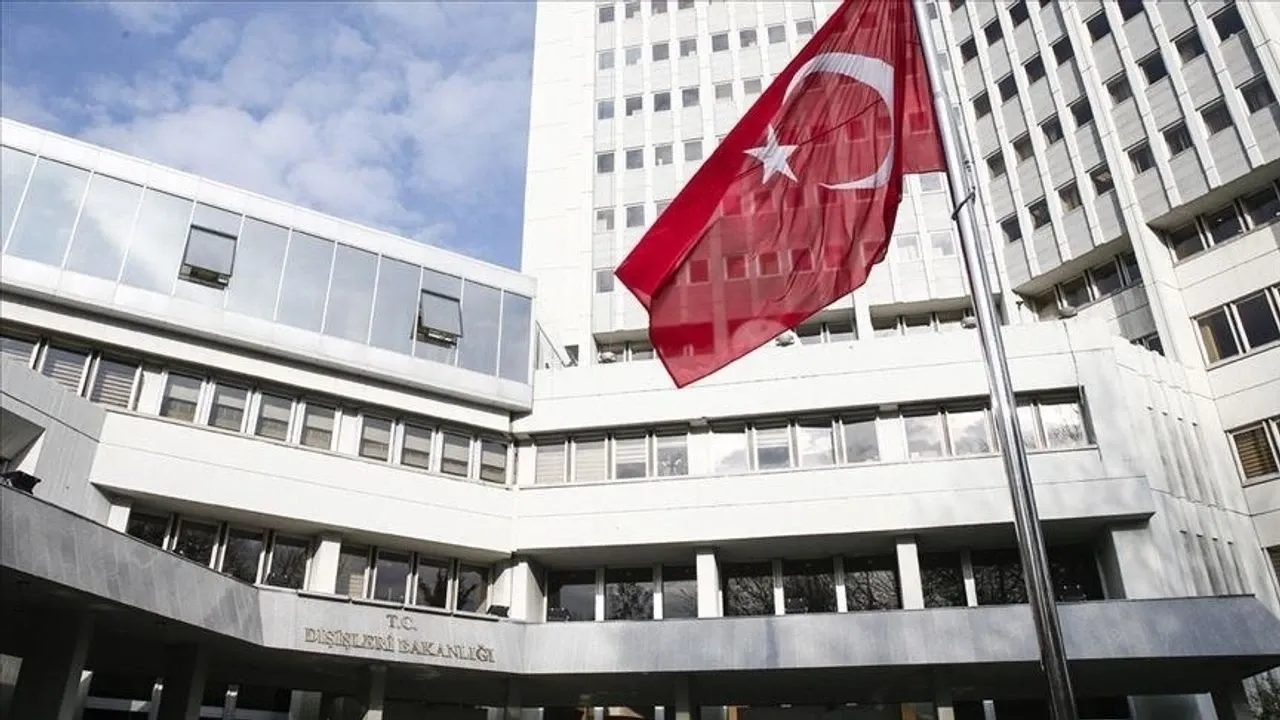
It is worth noting that Türkiye was among the first countries to condemn the terrorist attack on civilians in Pahalgam in India-administered Kashmir on April 22, 2025, which later triggered the war. The Turkish Foreign Ministry issued a statement the same day, calling it a “heinous attack.”
However, following India’s strikes on May 6, 2025, which reportedly targeted civilian infrastructure in Pakistan, Türkiye condemned New Delhi’s actions and supported Islamabad’s call for an investigation into the April 22 terrorist attack.
Renewed diplomatic engagement
Fidan’s latest remarks come amid tentative signs of renewed diplomatic engagement between the two countries after a period of strain since the incidents of last summer.
In April, India invited Turkish Deputy Foreign Minister Berris Ekinci for the 12th round of India-Türkiye Foreign Office Consultations in New Delhi, the first such talks in four years
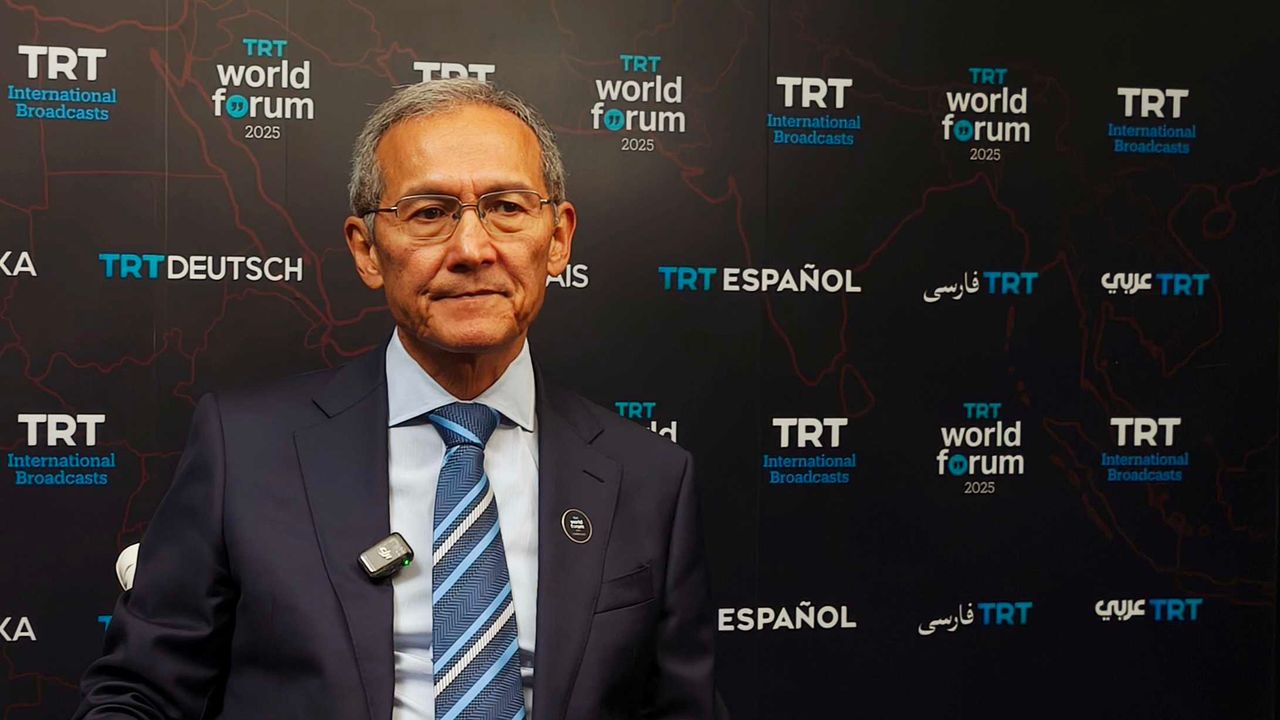
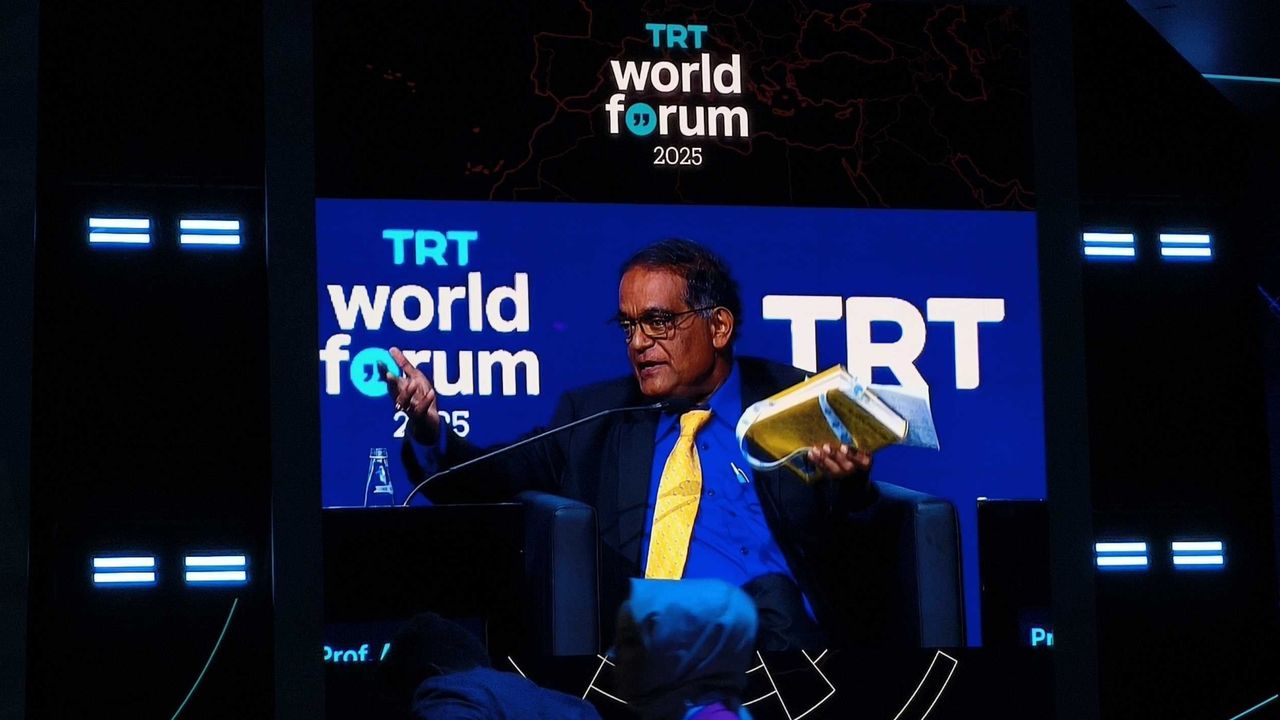
Veteran Indian diplomat Talmiz Ahmad, a former ambassador to Saudi Arabia, Oman and the UAE, said Fidan’s comments and recent developments are good signs for Ankara-New Delhi relations.
"There seems to be a willingness on both sides to attempt to put the past where it belongs and see how the relationship can be repaired," he said.
Shared interests




Despite political disagreements on some issues, Ahmad argued that Türkiye and India have significant common interests and their bilateral relationship contains significant untapped potential.
"I personally feel that on the positive side, there is a lot that we can do with each other," he said, pointing to Türkiye's strengths in infrastructure development, manufacturing, energy transit and logistics.
"Türkiye is a major player in the infrastructure industry. They are world leaders. They have unique experience with regard to energy transit and trade transit. I think energy issues are going to be very important."
Ahmad also highlighted the strategic importance of dialogue between Ankara and New Delhi as instability continues across West Asia.
"As two major countries directly affected by what is taking place in West Asia, India and Türkiye should be in conversation with each other," he said. "We may not always agree with each other, but we must be in dialogue with each other."
Beyond strategic and economic considerations, Türkiye and India have long shared strong cultural ties. In recent years, Türkiye has emerged as an increasingly popular destination for Indian tourists and a sought-after venue for luxury Indian destination weddings, particularly in Istanbul and along the country’s scenic Mediterranean coast.
These connections have been further strengthened through the entertainment industry. Several Bollywood productions have been filmed in Türkiye over the past decades, introducing Indian audiences to the country's landscapes, culture and historical heritage. Turkish television dramas have similarly gained a following in parts of India, contributing to greater cultural familiarity between the two societies.
One of the most notable examples of this engagement was the visits of Bollywood star Aamir Khan to Türkiye in 2017 and 2020, which drew significant public attention in both countries and underscored the enduring appeal of cultural exchanges between them.
Role of multilateral forums
Beyond bilateral ties, Ahmad said multilateral platforms could provide additional opportunities for cooperation between the two countries.
Referring to forums such as BRICS and the Shanghai Cooperation Organisation (SCO), he argued that countries are often able to set aside bilateral disagreements when broader strategic interests align.
"Yes, there are differences between certain partners in a multilateral forum, but if the positives that can be provided by that platform overwhelm those differences, then I think we can move forward," he said.
He added that closer cooperation between India and Türkiye would benefit both organisations, describing the two countries as major regional actors whose collaboration could strengthen multilateral initiatives and Global South engagement.
For his part, Fidan has already stated that Türkiye has no bilateral problems with India and has urged New Delhi not to view the relationship solely through the prism of Ankara's ties with Islamabad.
"As I said, we have no problem on a bilateral level with India, and we urge India not to read the issue from a different perspective," Fidan had said in Singapore.
Ahmad suggested that in the backdrop of current diplomatic developments, New Delhi is expected to take positive steps. "If that indeed occurs, you will find that India will reciprocate very positively."
For now, both Ankara and New Delhi appear to be signalling that while a few differences remain, dialogue and practical cooperation need not be held hostage by them.
As Fidan put it, the challenge is to place disagreements "in parentheses" and focus on the broader opportunities that exist between two of the world’s major powers.