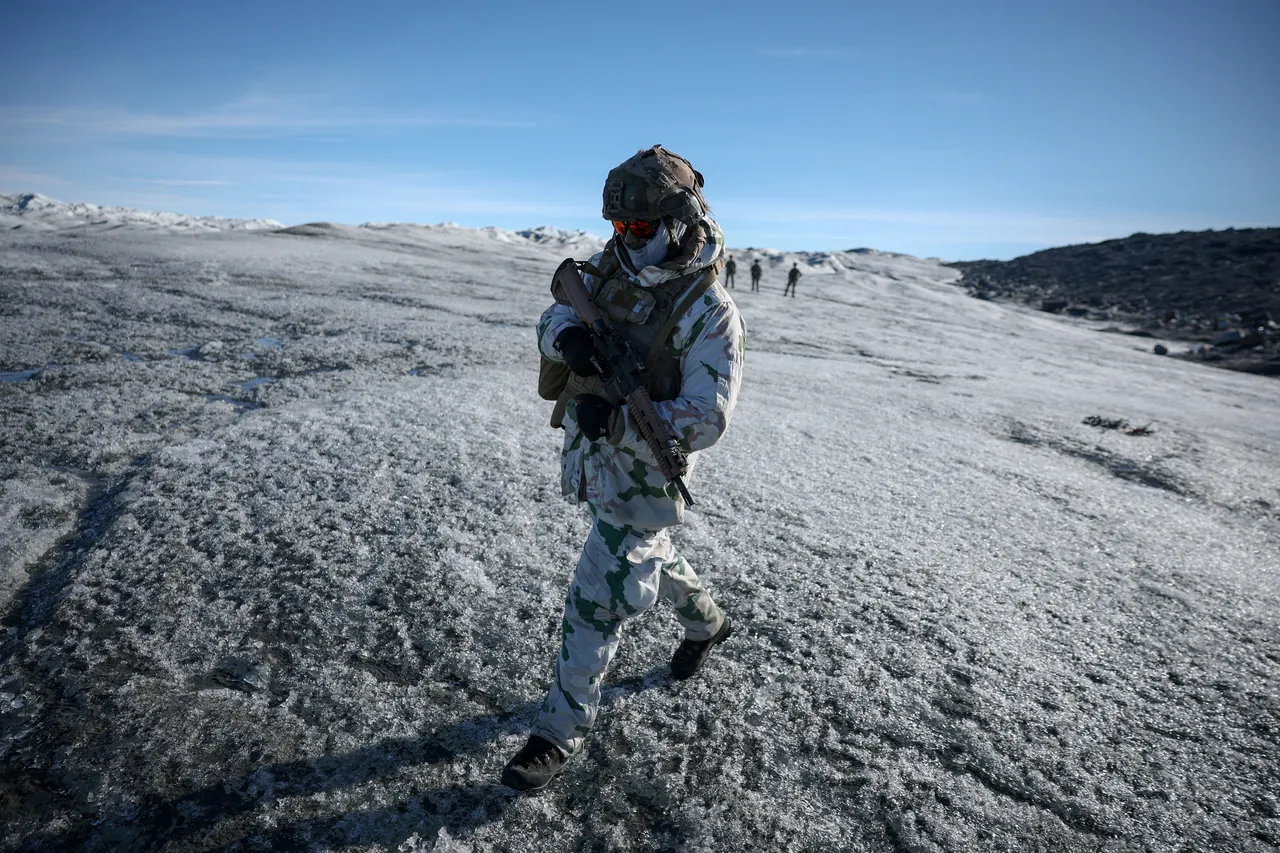
US President Donald Trump has renewed threats to take control of Greenland, saying Washington will act "the easy way or the hard way" to acquire the Arctic island.
Speaking at a White House meeting with oil and gas executives on Friday, Trump dismissed Denmark’s sovereignty over Greenland and framed US intervention as a national security necessity.
"We are going to do something on Greenland, whether they like it or not," Trump said.
"Because if we don’t do it, Russia or China will take over Greenland — and we’re not going to have Russia or China as a neighbour."
"We're not going to allow Russia or China to occupy Greenland. And that's what's going to happen if we don't."
Trump said he would prefer to strike an agreement with Denmark and Greenland’s authorities but made clear that force remained an option.
"I would like to make a deal, you know, the easy way," he said.
"But if we don’t do it the easy way, we’re going to do it the hard way."The remarks marked one of Trump’s strongest public assertions yet that the United States is prepared to override Denmark’s authority over the autonomous territory, which remains part of the Danish kingdom but governs most of its internal affairs.
Trump has repeatedly argued that Greenland’s strategic location and mineral wealth make it vital to US security interests, particularly as competition intensifies in the Arctic.
"We’re not going to have Russia or China occupy Greenland," he said.
"That’s what they’re going to do if we don’t. So we’re going to be doing something with Greenland, either the nice way or the more difficult way."
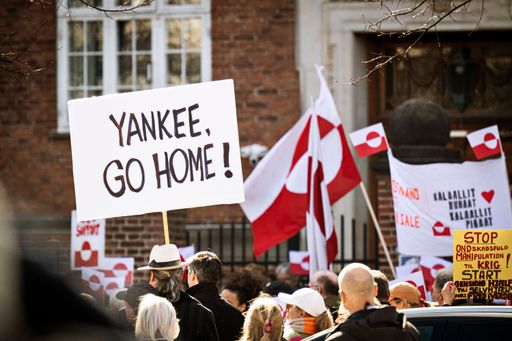
Deep European concern
Denmark and other European allies have reacted with alarm to Trump’s language, warning that any attempt to seize Greenland would undermine NATO and the post-World War II security order.
Danish Prime Minister Mette Frederiksen has previously said that a US invasion of Greenland would end "everything," referring to the transatlantic alliance and decades of shared security arrangements.
Trump, however, brushed aside Danish concerns, while insisting he harboured no ill will toward Copenhagen.
"I’m a fan of Denmark, too, I have to tell you, they’ve been very nice to me." he said.






But he went on to question Denmark’s historical claim to the island.
"The fact that they had a boat land there 500 years ago doesn’t mean that they own the land," Trump said.
Rubio to meet with Denmark, Greenland officials
Greenland already hosts a US military base, and Washington has long maintained a strategic presence on the island.
Trump’s comments suggest a shift from that posture toward a more direct assertion of control.
The timing of the remarks has also drawn attention.
Trump made them just days after a US military operation in Venezuela that resulted in the capture of President Nicolas Maduro, an action that has already sparked international criticism and raised concerns about Washington’s willingness to use force abroad.
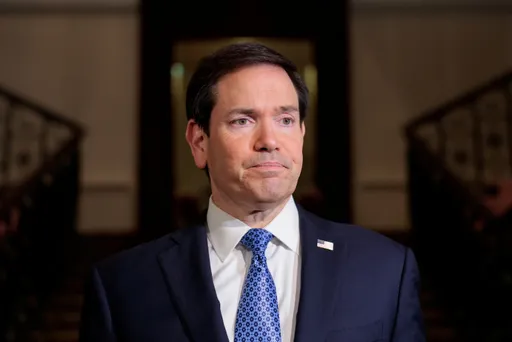
US Secretary of State Marco Rubio is expected to meet next week with Denmark’s foreign minister and representatives from Greenland, a move that could test whether Trump’s "easy way" remains viable — or whether tensions will continue to escalate.
For now, Trump’s blunt warning has injected fresh uncertainty into relations between the United States, Denmark and the wider European alliance, as questions mount over how far Washington is prepared to go to secure its interests in the Arctic.
Maduro abduction
Trump’s rhetoric on Greenland has mirrored language he has used elsewhere to justify direct US intervention.
Days earlier, he framed Venezuela as a security and strategic necessity, overseeing a US attack that resulted in the abduction of President Nicolas Maduro and signalling Washington’s intent to control the country’s oil sector.
In both cases, Trump has argued that decisive action was needed to prevent rival powers from gaining influence, while insisting that the United States prefers deals over force.
Yet he has repeatedly warned that if negotiations fail, Washington will act regardless of objections.
The parallel framing of Greenland and Venezuela has fuelled concern among allies that US policy is increasingly defined by coercion, with strategic territory and energy resources treated as matters of enforcement rather than diplomacy.