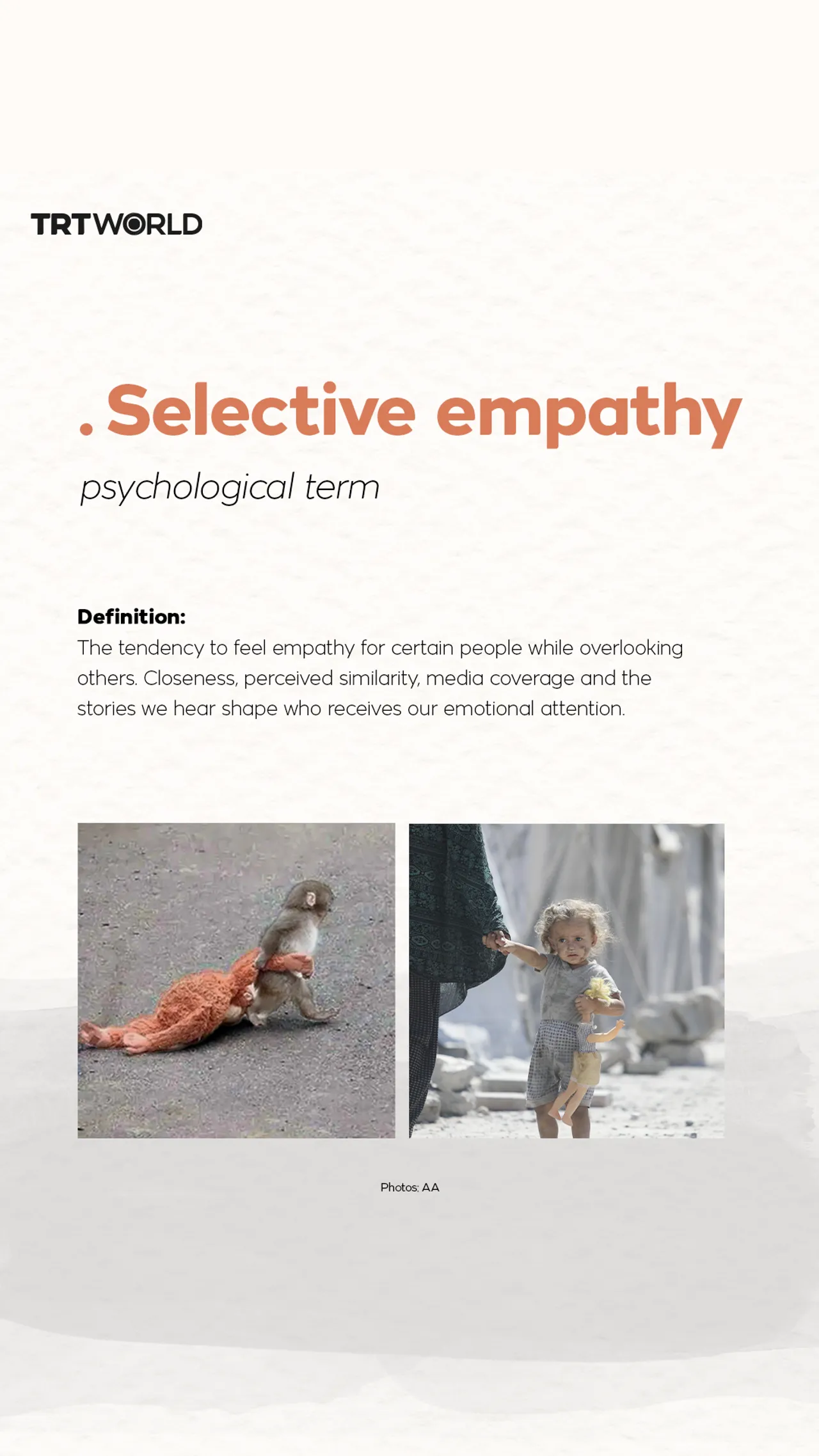
At Ichikawa City Zoo in Japan, a young macaque named Punch, who was rejected by his mother shortly after birth, clung to a plush orangutan toy for comfort, triggering a massive global wave of empathy.
Millions invested intense emotional energy in this innocent story of abandonment; shares went viral, records were broken, and the zoo saw a surge of visitors.
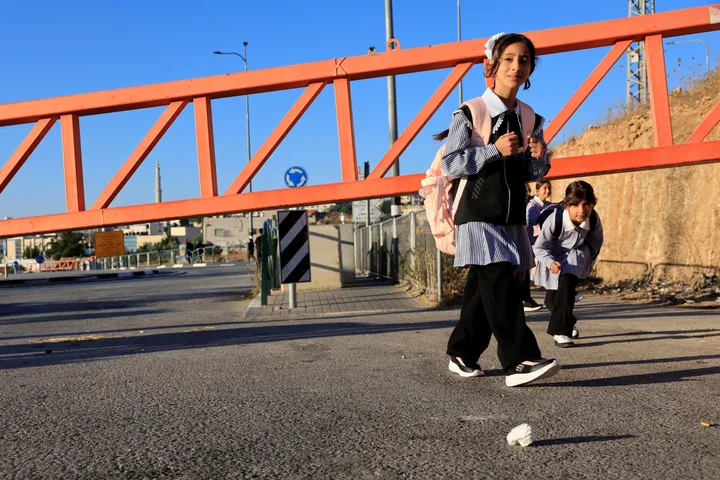







Meanwhile, tens of thousands of children in Palestine’s Gaza have been orphaned by Israel’s genocidal war, enduring severe trauma and deprived of basic safety and security. They haven’t received the same collective emotional response.
This stark contrast reveals that selective empathy is not merely an emotion, but a profound cognitive bias: Empathy functions less as a universal human principle and more as something filtered through social distance, identity alignment and curated narratives.