 Baba Umar
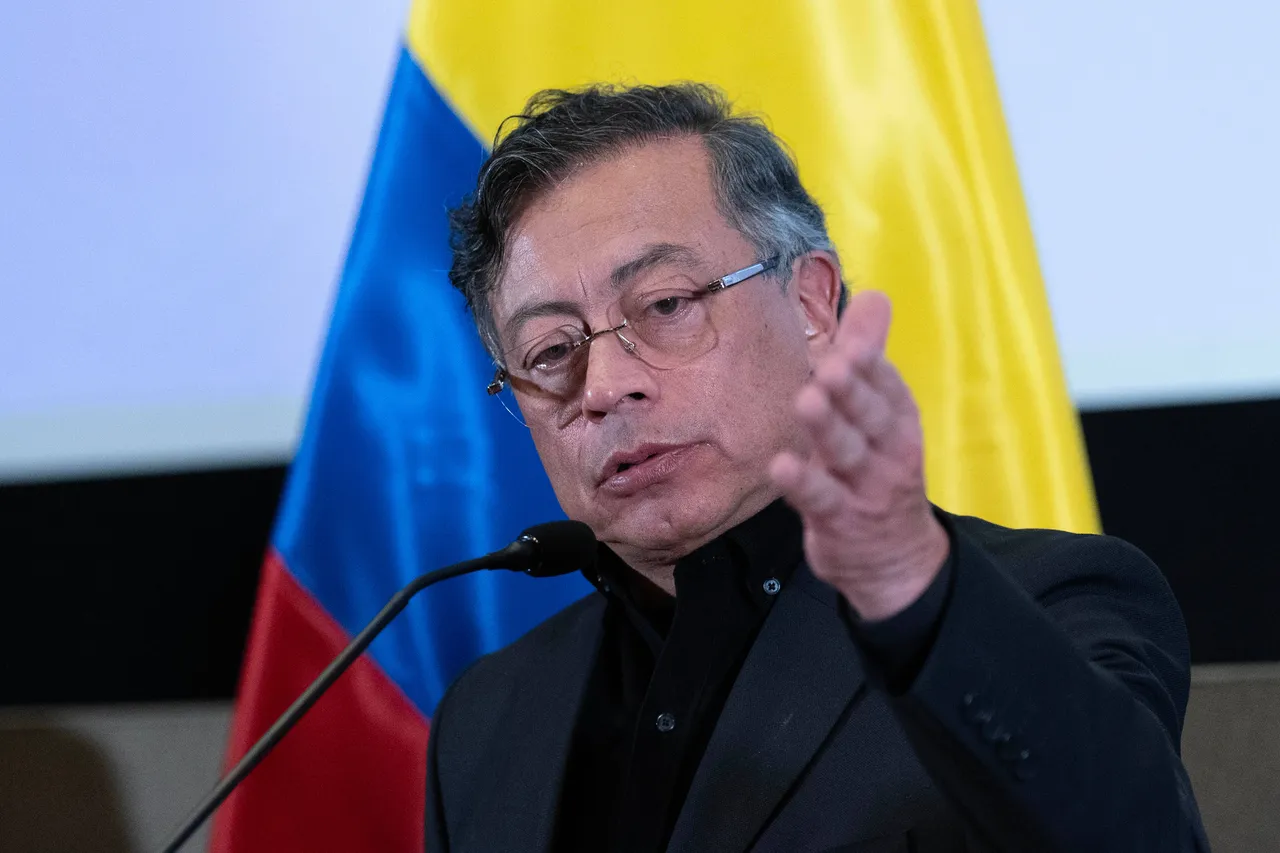
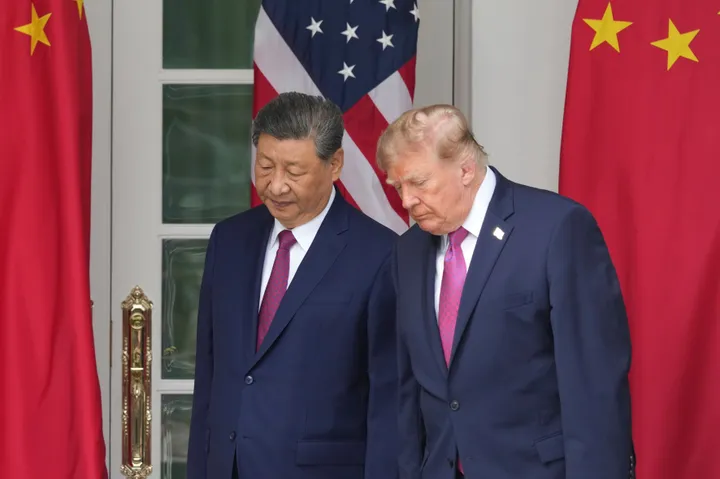
Washington DC — Colombian President Gustavo Petro has described his nearly two-hour White House meeting with US President Donald Trump as having an "optimistic and constructive tone," but stressed that the sanctions imposed by Washington on him and his family are due to his pro-Palestine speech at the UN.
In October last year, the US Treasury’s Office of Foreign Assets Control (OFAC) placed sanctions on Petro, his wife, his son, and his interior minister, citing "their involvement in the global illicit drug trade" and "flooding the United States" with drugs.
Speaking to media at the Colombian embassy in Washington DC, Petro said he did not raise the issue of sanctions during his conversation with Trump, but added, "If there were legal evidence, I would not be speaking here. I am on the Ofac list because of what I said in New York."
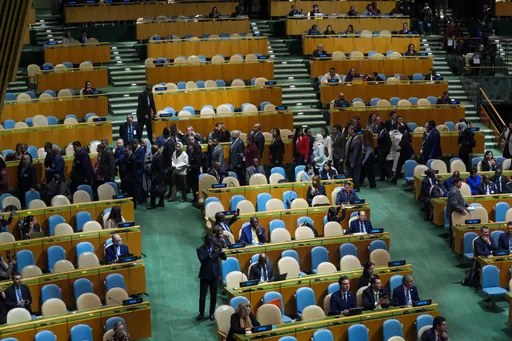
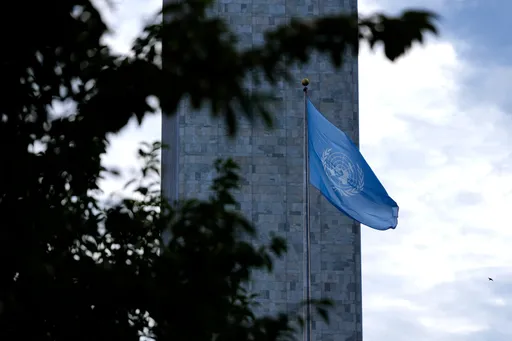
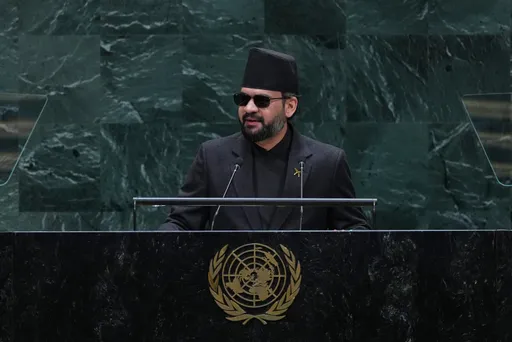
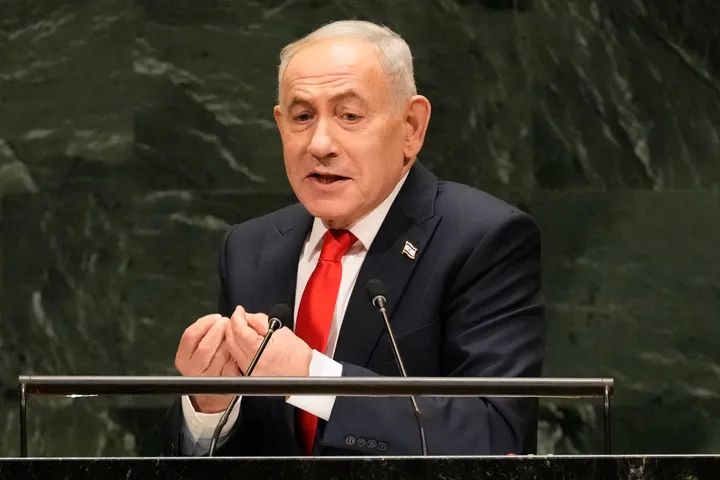
Petro was referring to his impassioned speech at the UN General Assembly (UNGA) in September 2025 that centred on Israel's war on Gaza.
In that speech, the Colombian leader urged nations that oppose "genocide" in Gaza to form a powerful international military coalition to free Palestine from Israeli occupation.
He had suggested that this force could be authorised via a UN General Assembly vote, bypassing a veto-paralysed UN Security Council.
In his UN speech, he explicitly labelled Israeli Prime Minister Benjamin Netanyahu, as well as leaders in the US and Europe, as "genocidal" while accusing Trump of being "accomplice in genocide."
Following his UNGA speech, his call for US soldiers to disobey unlawful orders at a pro-Palestine rally in New York led to the revocation of his US visa.
"The US viewed it as an aggressive stance… the words I said were echoed by many leaders worldwide. Trump himself told Netanyahu there would be no war," Petro told journalists, stating that not drugs, but his stance on Gaza, invited US sanctions on him and his family.
He has been granted a special visa by US specifically for this trip.
"We didn’t discuss this in the meeting. But that’s how things change. I was just a protagonist of a peace process," he added.
Drug kingpins live in 'Dubai, Madrid, and Miami'
Petro also described his meeting with Trump as "between equals" who hold differing views but can identify shared objectives. He emphasised that "one cannot act under blackmail," in response to questions regarding US sanctions or pressures.

Noting that Trump had been "confused" about realities in the Caribbean and Colombia, Petro said their discussion clarified matters.
Petro stated that his government had "seized more thousands of tonnes of cocaine than at any point in the history of humanity," urging the US to pursue the "kingpins of kingpins" who he said lived in "Dubai, Madrid, and Miami."
"I [told] him you need to go after the kingpins. The top tier of drug traffickers isn't what you [Trump] might imagine. US agencies know who they are. I gave their names to President Trump," Petro added.
"Their capital is outside Colombia, and they must be pursued jointly through coordinated intelligence work across many sectors of the world," he said.
Besides requesting US help in capturing major international drug traffickers, President Petro told journalists that he highlighted his country’s fight against drug trafficking during the meeting with Trump, including coca crop eradication without aerial fumigation, and Colombia's counternarcotics efforts.
He stated that he discussed the possibility of exporting Venezuelan gas via Colombia, his country's trade and drug-related disputes with Ecuador, and broader regional issues, including Venezuela.
Trump says 'wasn't insulted'
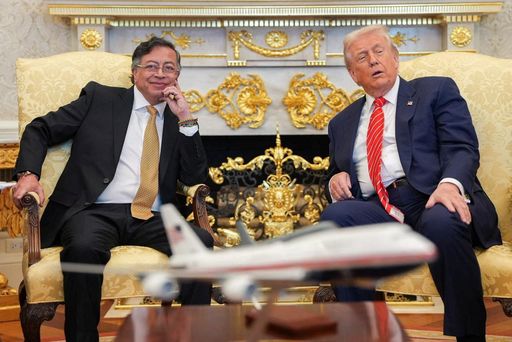
Petro's meeting with Trump marked their first in-person discussion, signalling a thaw in relations after previous tensions.
The Colombian leader said both sides spoke about "concrete problems and possible paths forward," but neither of them changed their "way of thinking on many issues."
"But how do you make a pact? A pact is not between identical twins. A pact is between opponents who are able to find paths toward a shared human brotherhood," he added.
Trump, speaking to reporters separately, called the meeting "very good" and said they "got along great," despite prior animosity, noting he "wasn't insulted" since they hadn't met before.
He mentioned progress on counternarcotics cooperation and working on sanctions, referring to easing or addressing US sanctions imposed amid the feud.
No joint public appearance or statement occurred at the White House, but comments from both leaders portrayed the encounter as productive for future cooperation.