Ahmed Harzallah spends his days confined to a bed in a small home in Gaza City’s Shati refugee camp, gripping his son’s clothes as his body tries to recover from an Israeli air strike that killed the boy and left him blind.
Harzallah, 41, lost his only son, Odai, 13, and his eyesight in an Israeli drone strike near a shelter west of Gaza City during the Israeli war on the enclave.
The strike hit near a school run by the UN agency for Palestinian refugees (UNRWA), which had been converted into a shelter for displaced civilians.
Harzallah said he had gone out around 9 pm local time (1900 GMT) to look for Odai, who often played with friends near the site. They spoke briefly and laughed together, unaware that it would be their last moments.
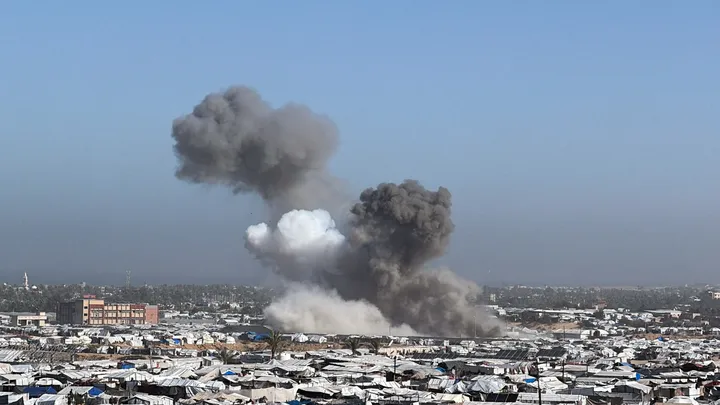
Minutes later, an Israeli drone flying at low altitude struck the area, triggering a powerful explosion that scattered flames, smoke and civilians’ bodies around the shelter.
The blast threw Harzallah to the ground and left him unable to move. He repeatedly called out for his son but received no answer.
Shrapnel tore through Odai’s body, hurling him several feet away, Harzallah said.
“My son was about two metres away from me,” the Palestinian father said. “I tried to help him, but I couldn’t because of the shrapnel wounds in my body.”
‘Odai was my life’
Ambulances later rushed the wounded son to al-Shifa Medical Complex in western Gaza City.
Doctors attempted to save the boy, but Odai died about four hours after entering surgery, according to Harzallah.
Harzallah was transferred to Al-Quds Hospital in the Tal al-Hawa neighbourhood because of limited medical capacity at al-Shifa.
While he underwent multiple surgeries, he remained unaware that his son had died and been buried the following morning.
Harzallah said Odai had been a central figure in the family, helping care for his four sisters, the eldest 15 and the youngest just 1 year old.

Inside the room where he now spends most of his time, Harzallah clutches his son’s clothes, kissing and smelling them as if hoping to see him again.
“Odai was my life and the man of the house,” he said. “He was excellent in school and dreamed of becoming a doctor to treat people. He left without a goodbye.”
Harzallah’s injuries extend beyond blindness. Doctors amputated three toes on his left foot and a finger on his right hand.
‘I hope to regain my sight’
He also suffered severe knee injuries and deep wounds to his intestines, liver and pancreas, injuries he continues to endure.
The explosion badly harmed his left eye, which doctors removed. His right eye also lost vision, though physicians told him complex surgery could potentially restore sight.
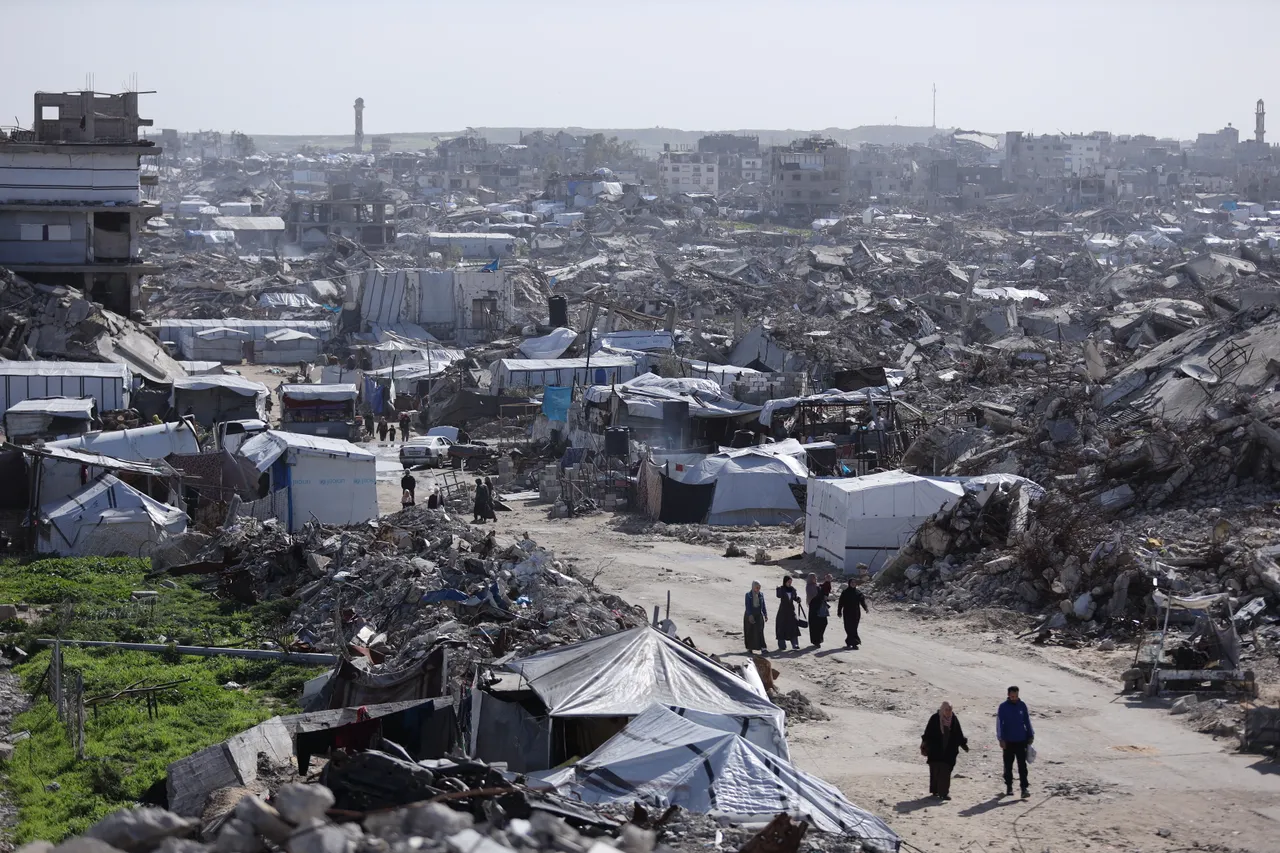
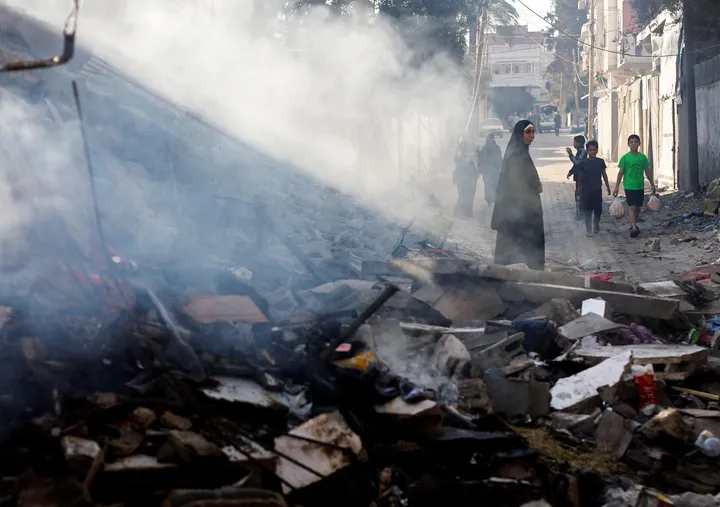
Such procedures are unavailable in Gaza, where much of the health system has been damaged or shut down during the war.
“I want to travel to complete my treatment,” Harzallah said. “I hope to regain my sight, even in one eye. I want to see life in colour again and see the family and friends who remain.”
Harzallah recently received a medical referral to seek treatment abroad, but hopes have faded as Israel continues to keep the Rafah crossing between Gaza and Egypt closed, blocking most medical evacuations.
Gaza’s Health Ministry says about 4,000 eye patients face the risk of partial or total blindness, including people injured in the war and others unable to access medication.
Officials warn that vision loss in many cases will be permanent, citing Israel’s targeting of Gaza’s health system, including the specialised eye hospital in western Gaza City.
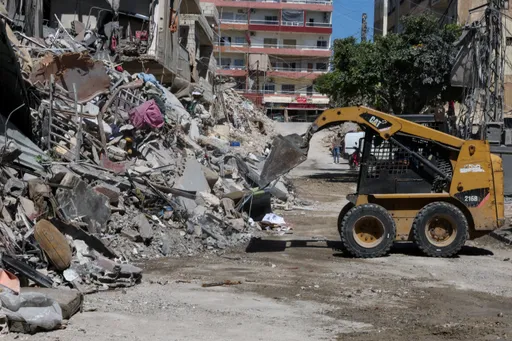
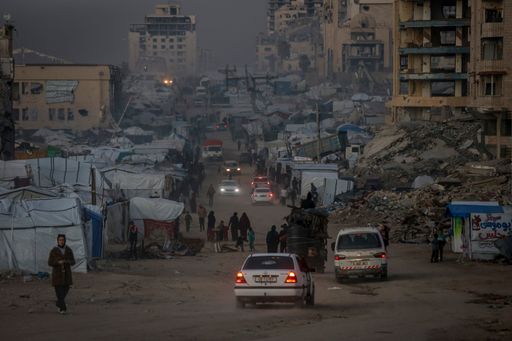
Israel’s genocidal war has killed more than 71,000 people, mostly women and children, wounded over 171,000 and destroyed roughly 90 percent of civilian infrastructure, with UN estimates putting reconstruction costs at about $70 billion.