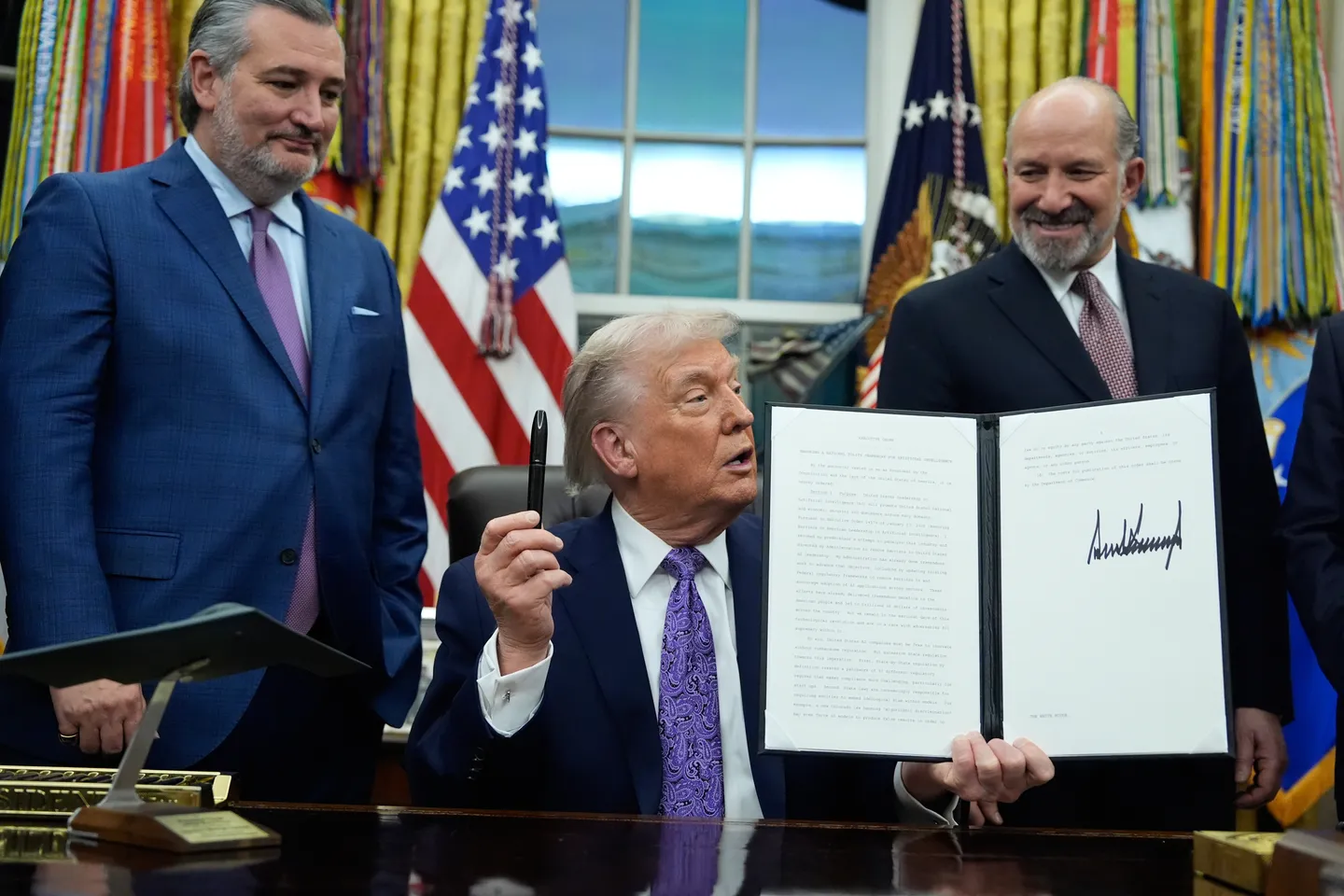
US President Donald Trump has signed an executive order that orders officials to fight state-level artificial intelligence (AI) laws until Congress establishes a federal regulatory framework.
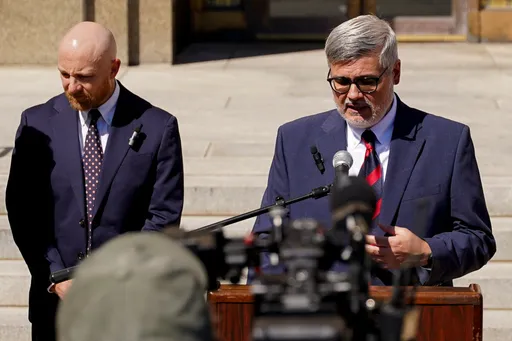
Trump said on Thursday that AI companies "want to be in the United States, and they want to do it here, and we have the big investment coming, but if they had to get 50 different approvals from 50 different states, you could forget it, because it's not possible to do."
"All you need is one hostile actor, and you wouldn't be able to do it. So, it doesn't make sense," he said at a signing ceremony at the White House.
Trump has repeatedly called on Congress to pass a national AI framework, saying it is necessary to stay ahead of China in the artificial intelligence race. But he has faced stalwart opposition from not just Democrats on Capitol Hill but prominent Republicans as well.
A push led by Senator Ted Cruz to include the national standard in the annual defence spending bill was rejected earlier this month. At the time, Senator Josh Hawley, another vocal Trump stalwart, lauded the defeat.
"Good. This is a terrible provision and should remain OUT," he said on X.





'AI litigation task force'
While Trump lacks the authority to unilaterally create a federal regulatory standard, his order directs Attorney General Pam Bondi to form an "AI litigation task force," which will "challenge State AI laws inconsistent with" what the order describes as "a minimally burdensome national policy framework for AI."
The order alleges that state-level AI regulations "unconstitutionally regulate interstate commerce, are preempted by existing Federal regulations, or are otherwise unlawful in the Attorney General’s judgment."
David Sachs, a billionaire venture capitalist who has served as Trump's artificial intelligence and crypto czar and has been leading the administration's push for a national standard, said the president's order "gives your administration tools to push back on the most onerous and excessive state regulations."
"We're not going to push back on all of them. For example, kid safety we're going to protect, we're not pushing back on that, but we're going to push back on the most onerous examples of state regulations," he said.