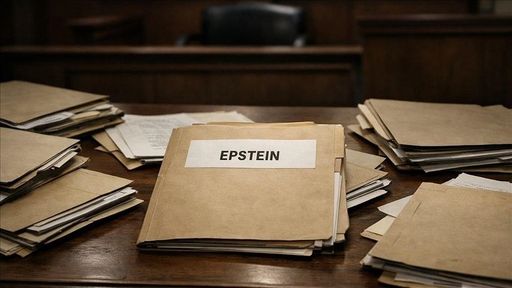
Convicted paedophile Jeffrey Epstein grew toxic plants said to produce a drug with potent psychoactive effects, claims circulating online allege, following the recent release of the Epstein files.
In an email dated March 3, 2014, sent by Jeffrey Epstein to an individual identified as Ann Rodriguez, he wrote: “ask chris about my trumpet plants at nursery [SIC]?”, a line indicating he might have had Angel’s Trumpet plants in his nursery.
Also known as the ‘Devil’s Breath’, the flowering shrub is notorious for producing scopolamine, a powerful drug capable of stripping victims of their memory and free will.
In another email dated January 27, 2015, which appears to have been forwarded by photographer Antoine Verglas, a message sent to Jeffrey Epstein carried the subject line: "Scopolamine: Powerful drug growing in the forests of Colombia that ELIMINATES free will".
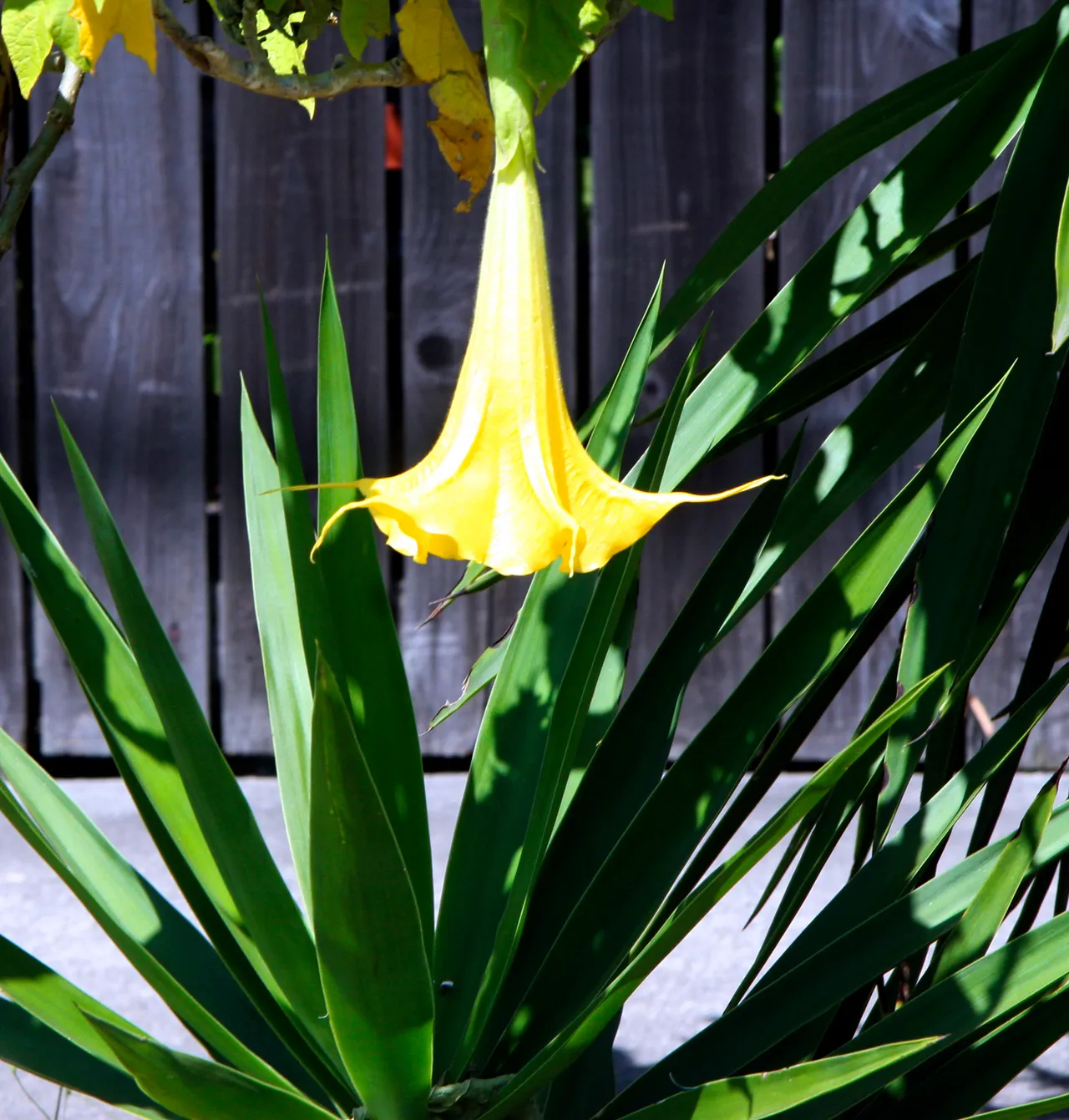
The term “trumpet plant” typically refers to species of Brugmansia or Datura, flowering plants recognised for their large, hanging, trumpet-shaped blooms.
Also known as ‘zombie drug’, it contains chemical compounds tropane alkaloids, including scopolamine, atropine and hyoscyamine.
The plant itself is startlingly beautiful: large, bell-shaped flowers in white, yellow, or pink that hang downward like ornaments. But every part of it is toxic, with the seeds and leaves being the most potent.
Chemically, scopolamine works by blocking acetylcholine receptors in the central nervous system, disrupting the brain's ability to form memories and, in higher doses, inducing a state of profound, zombie-like compliance.
The article forwarded to Epstein reportedly highlighted one horrifying quote about the drug's effects on victims: "You can guide them wherever you want. It's like they're a child”.







The relevant passages were highlighted in the forwarded email, indicating that someone wanted Epstein to notice them.
In lower doses, scopolamine has legitimate medical uses. It appears on the World Health Organisation's List of Essential Medicines and is commonly used in patches to treat motion sickness and post-operative nausea.
At higher doses, however, it produces hallucinations, total memory blackout, and a dissociative state in which victims may follow instructions without resistance and retain no memory of what occurred.
An overdose can cause paralysis and death.
Perhaps the most alarming aspect for potential victims and investigators alike is that scopolamine reportedly does not reliably show up on standard toxicology screens, making it extremely hard to detect afterwards.
A study published in the journal Pathology described the plant's effects as "terrifying rather than pleasurable”.
Epstein reportedly died in August 2019 in his Manhattan jail cell while awaiting trial on federal sex trafficking charges. His death was officially ruled a suicide, although it has continued to provoke ongoing public suspicion.
His longtime associate Ghislaine Maxwell, convicted of sex trafficking and conspiracy in 2021, is currently serving a 20-year prison sentence. She recently invoked the Fifth Amendment before the House Oversight Committee, declining to answer questions about Epstein's associates.
The files have been released in batches following a Congressional vote requiring the Department of Justice to publish them. The DOJ has stated that no further releases are scheduled.