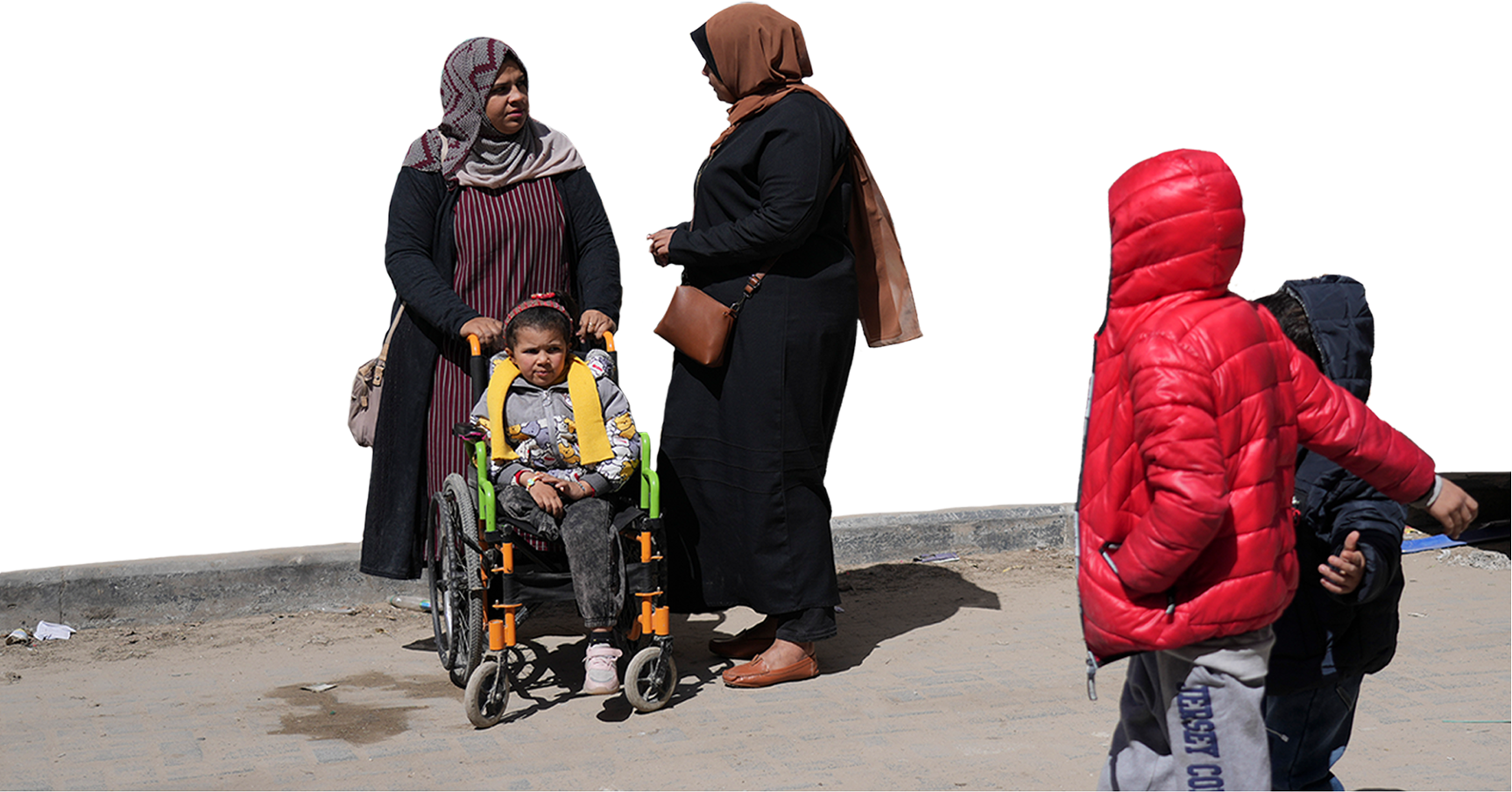
“NOT like any other children”
By Nurdan Erdogan Gokhan and
Musab Abdullah Gungor
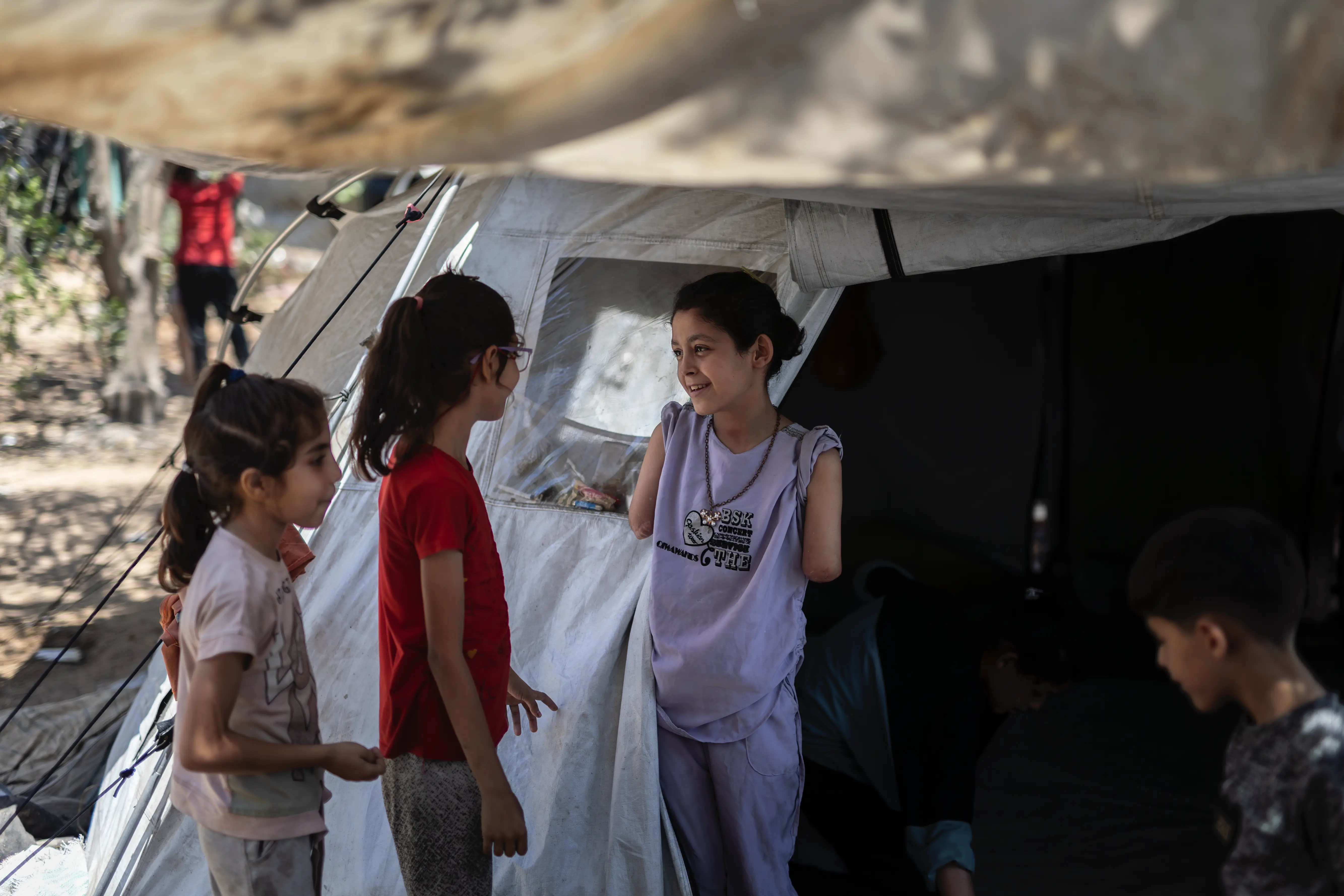
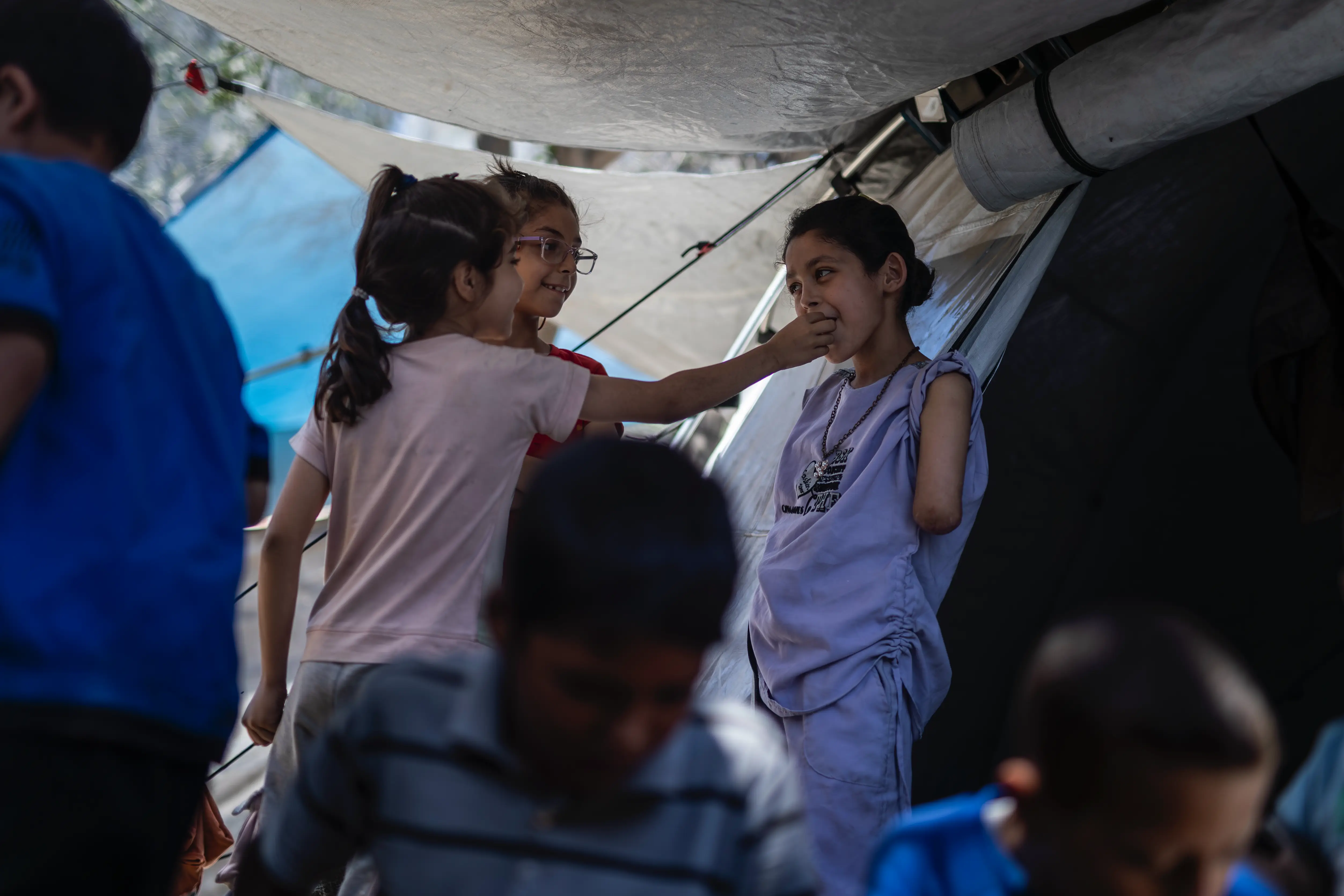
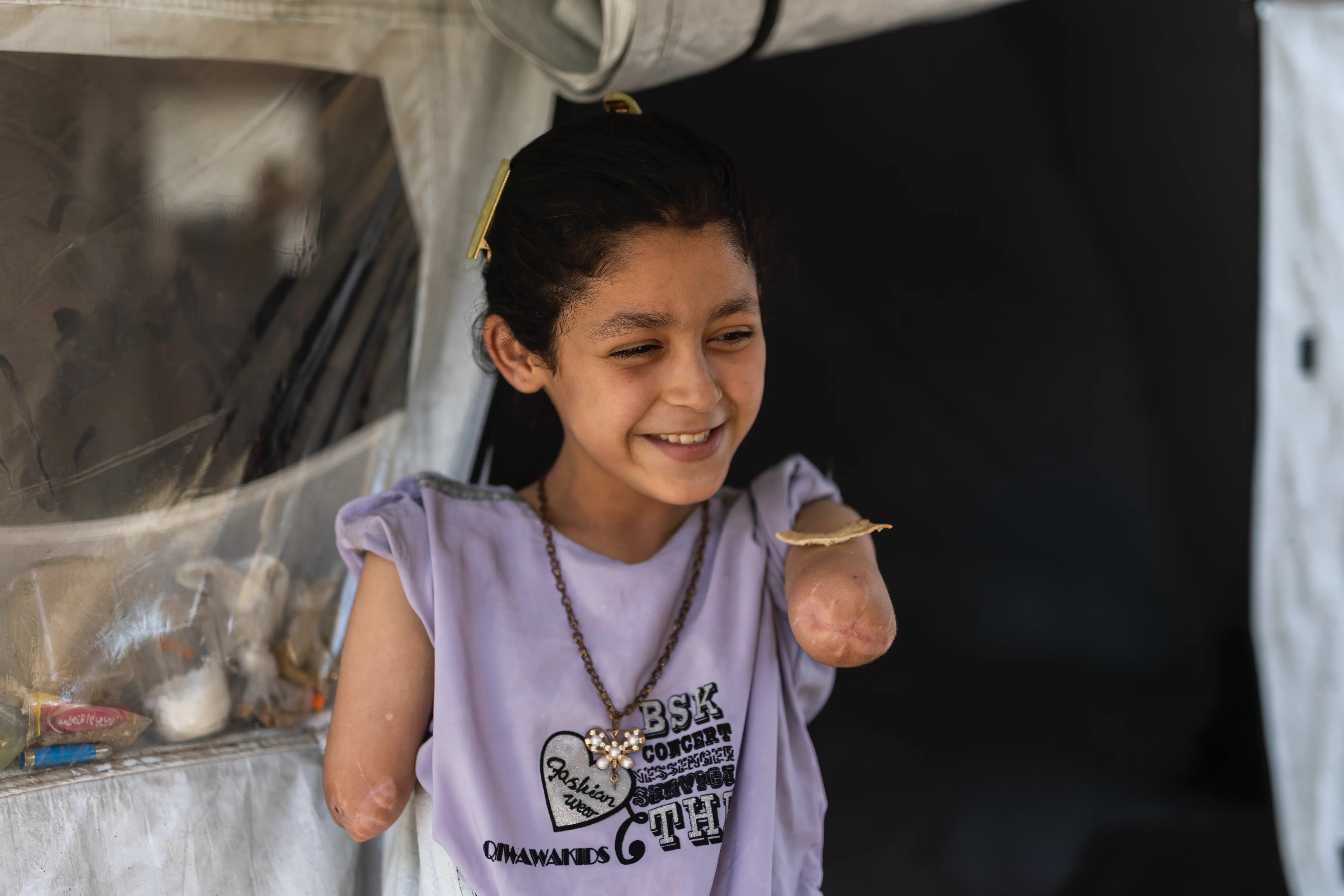
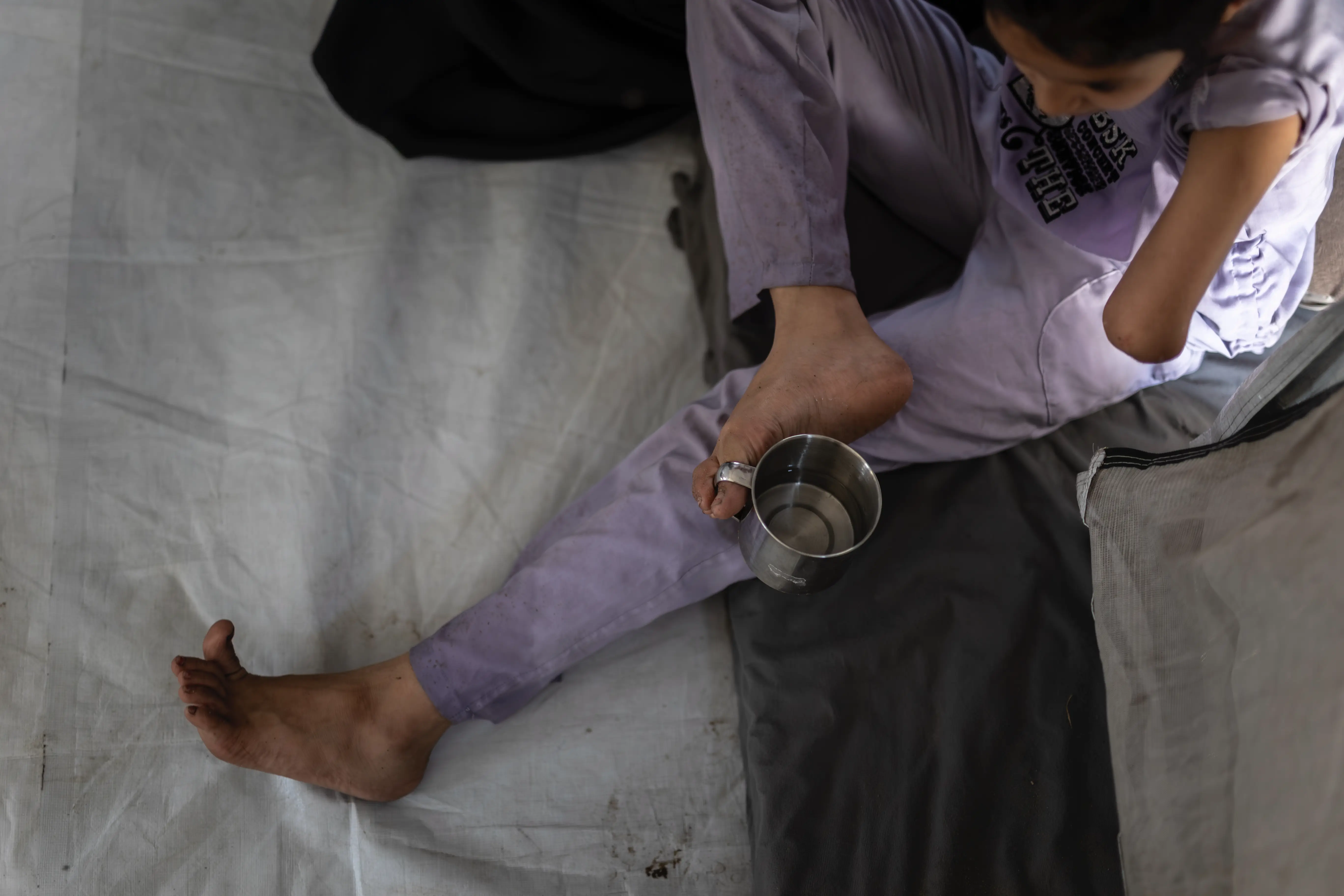
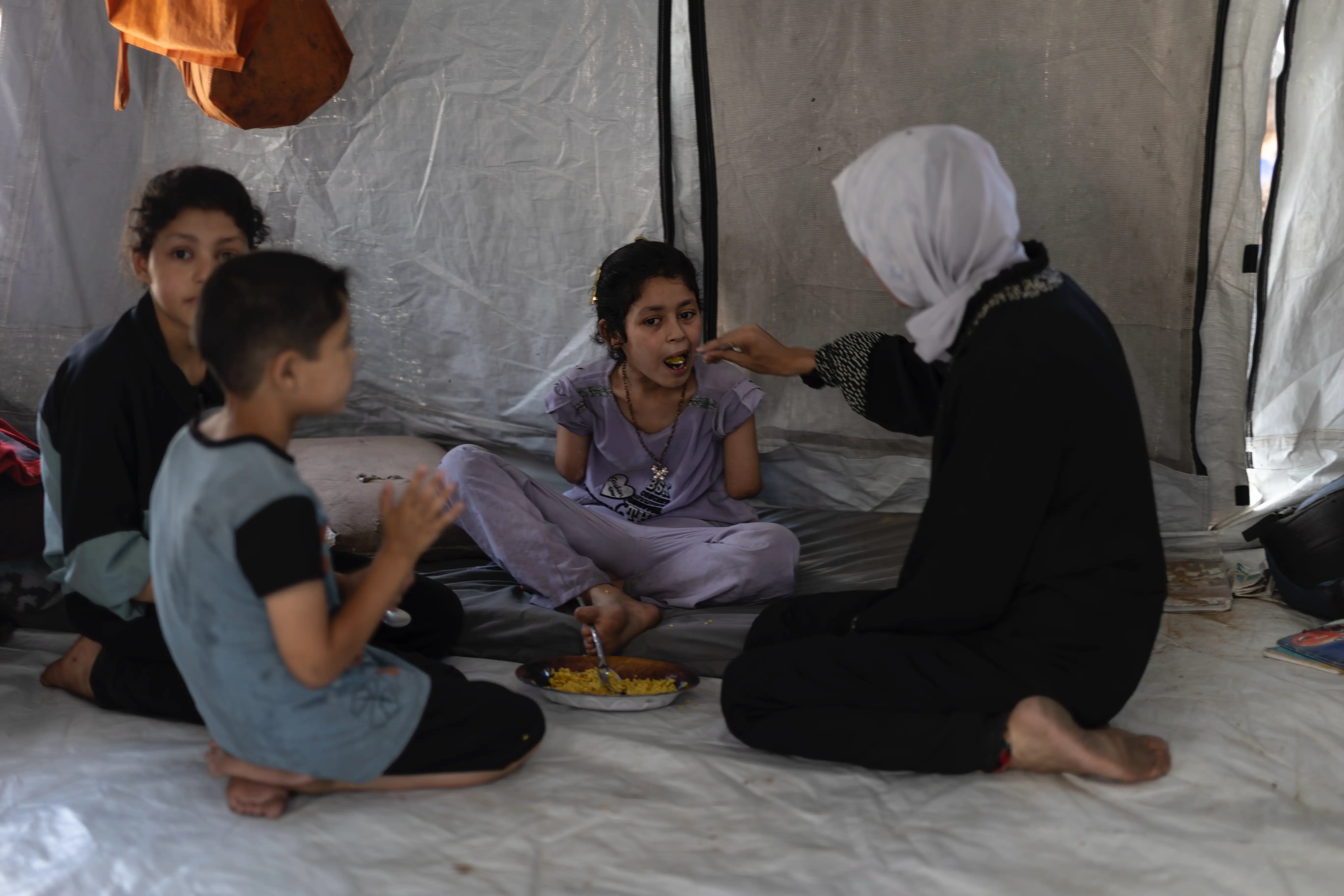
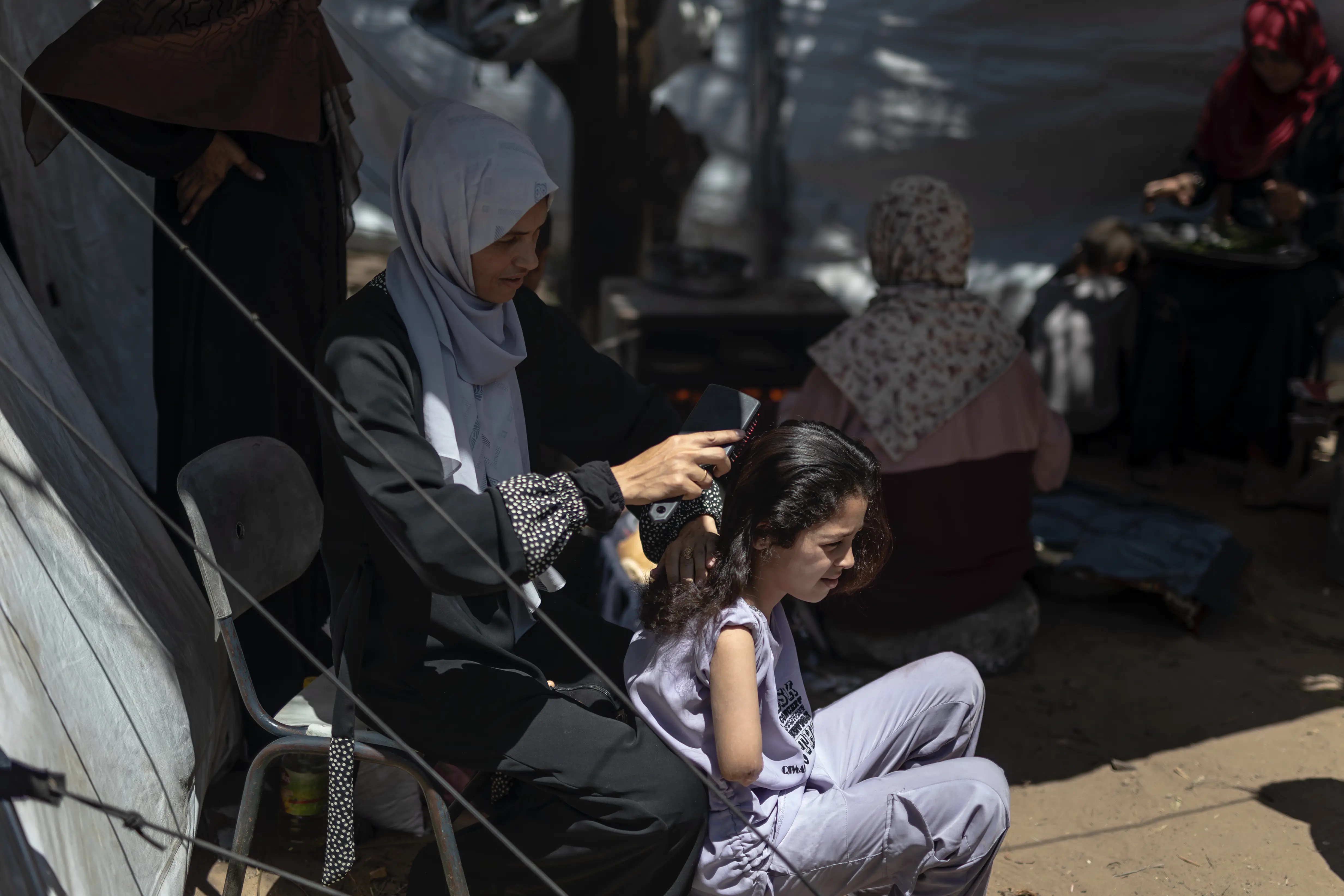
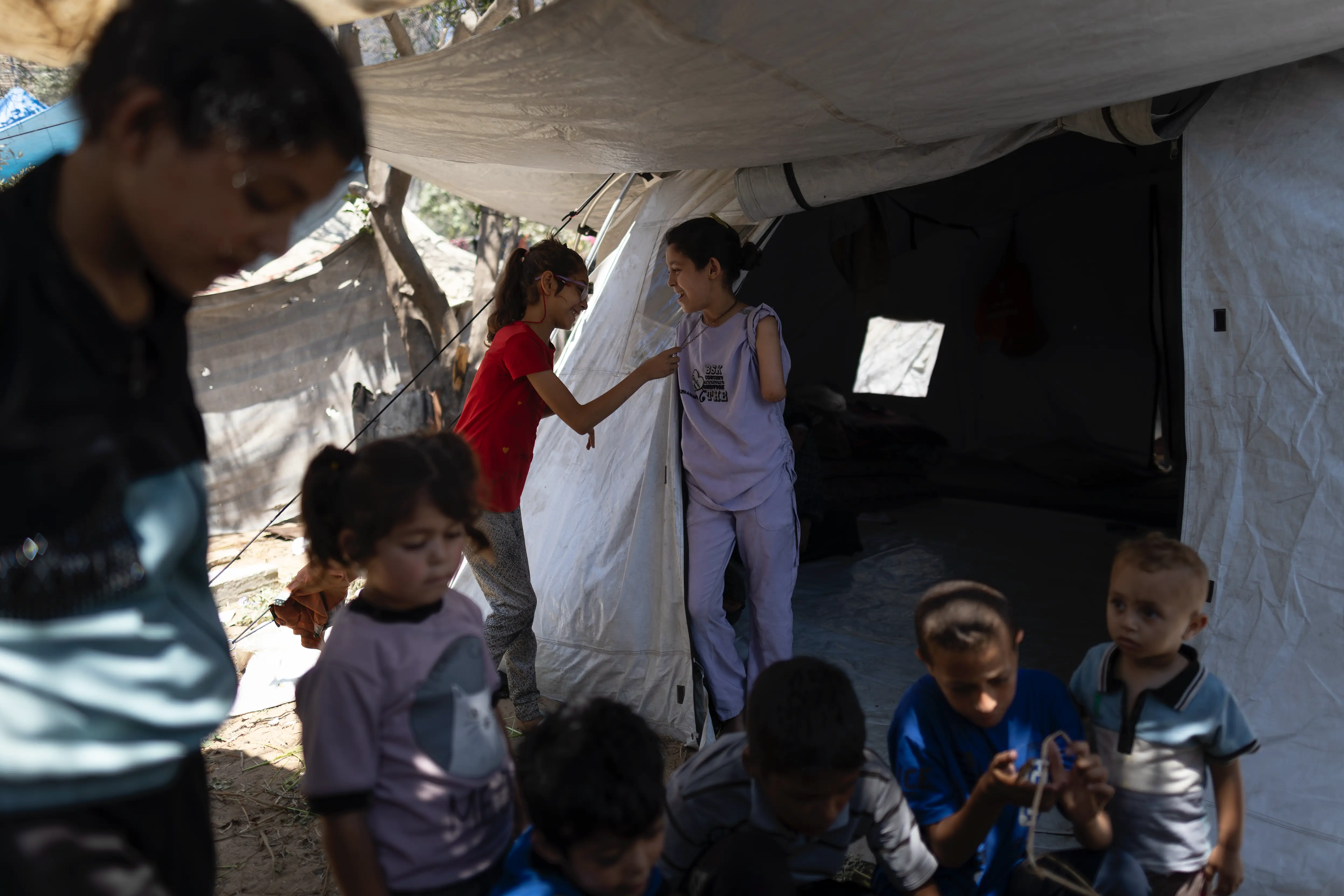
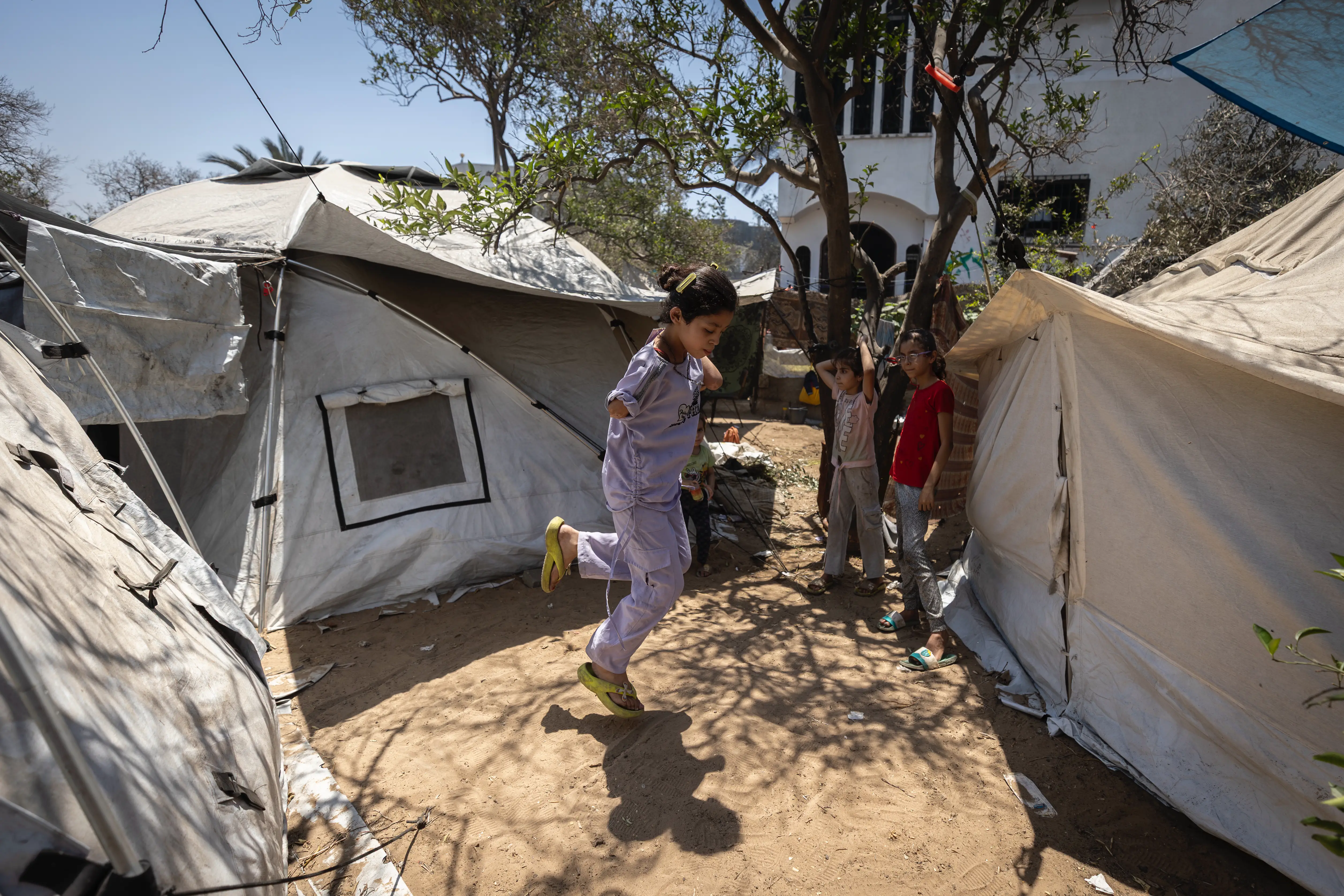
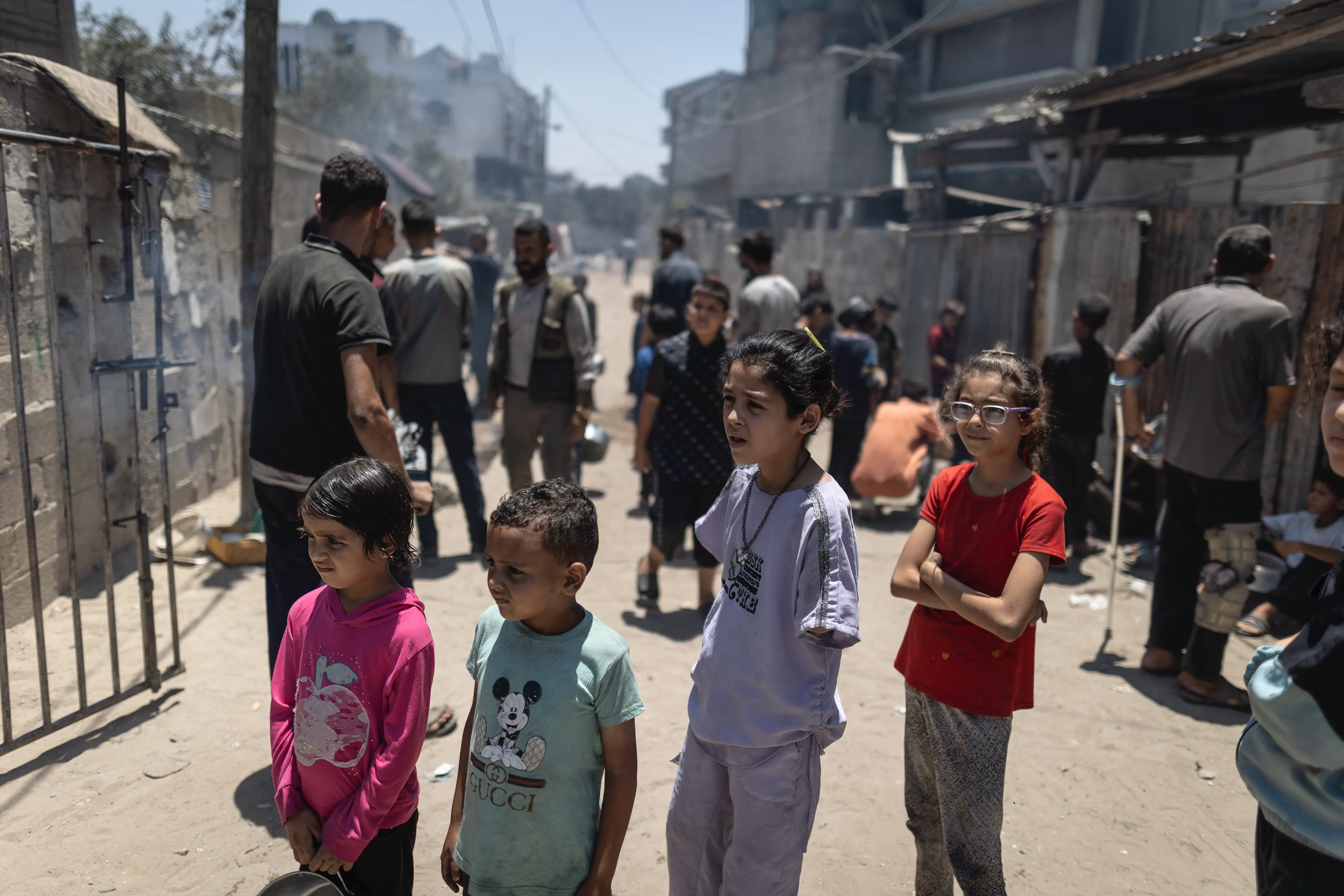
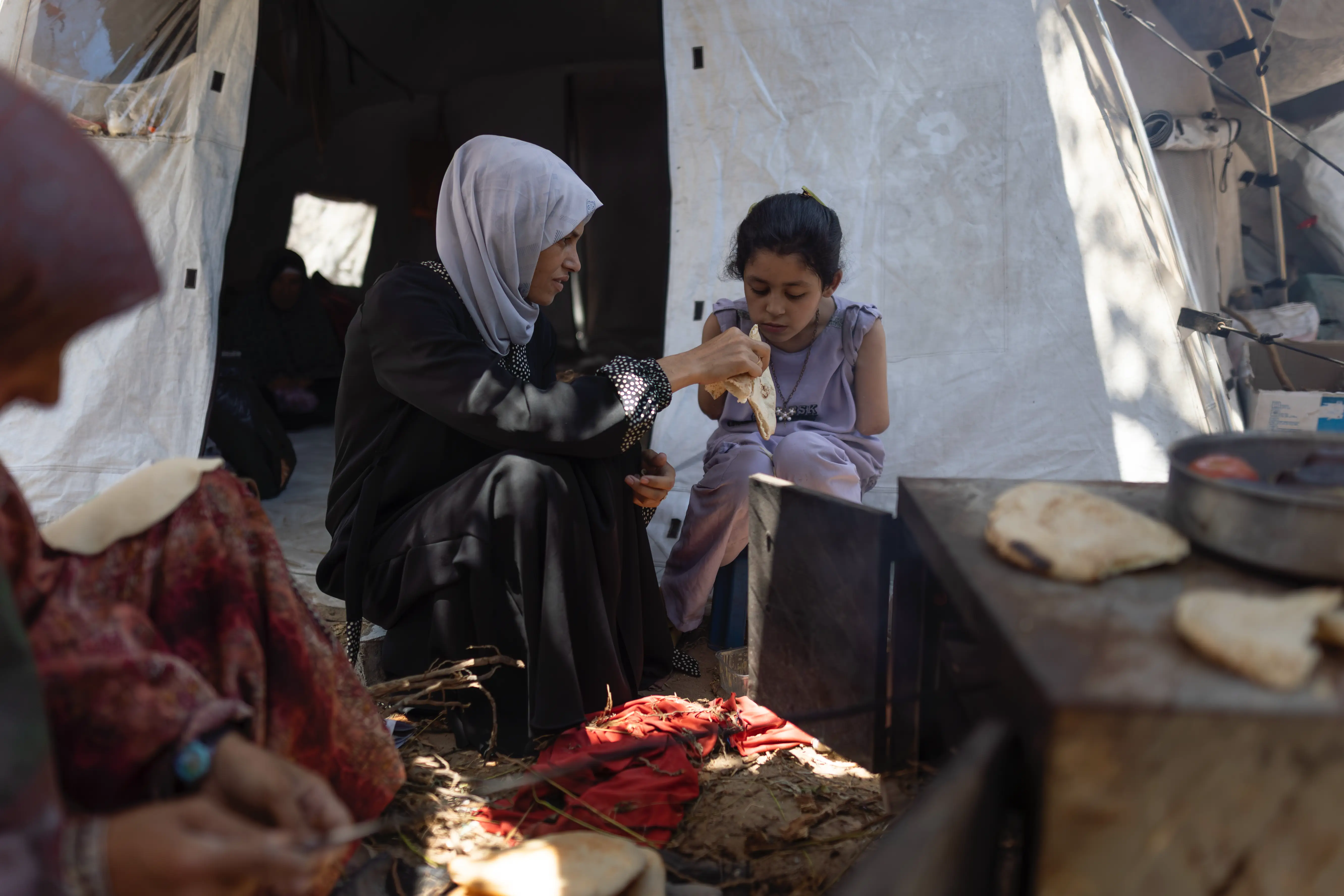
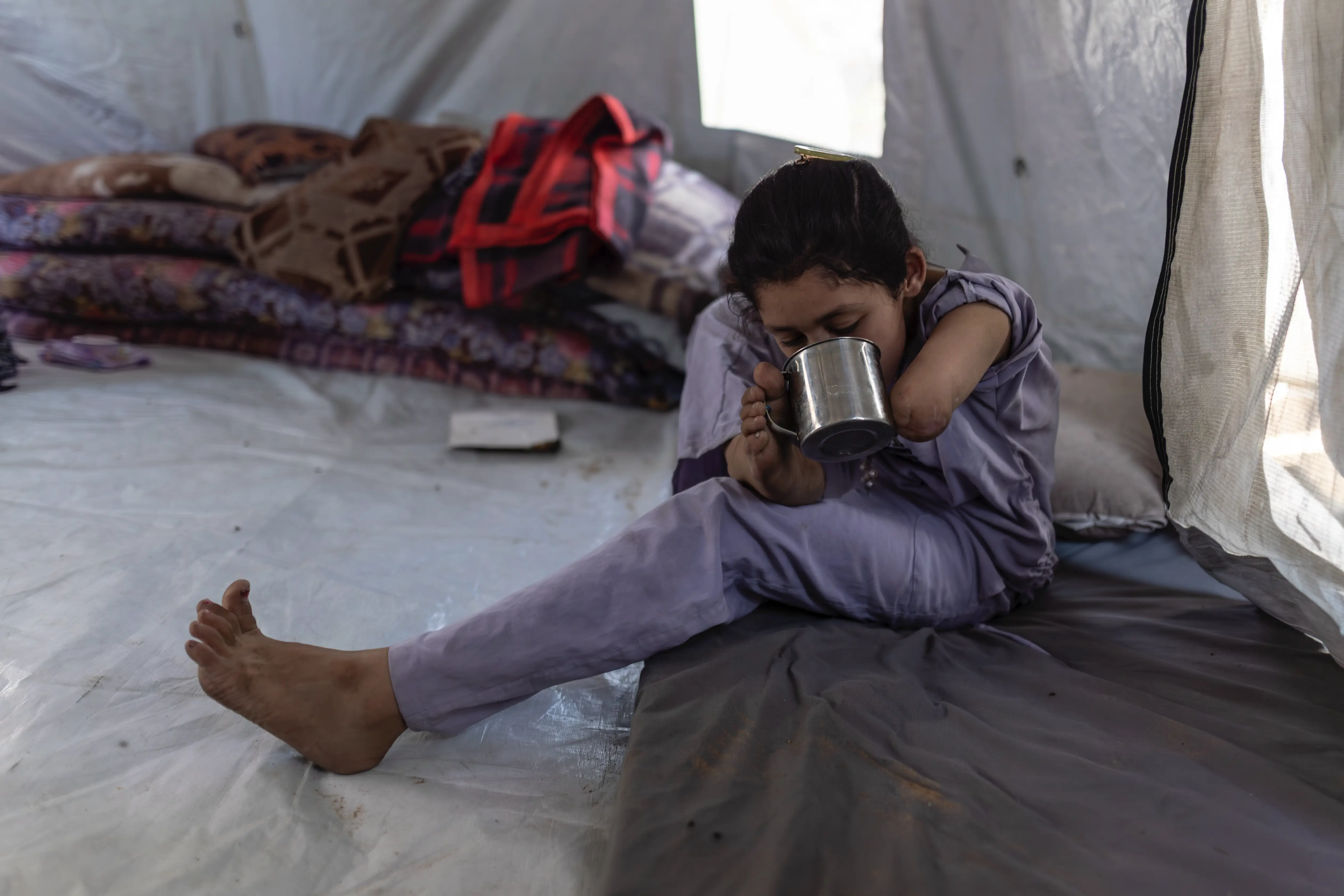
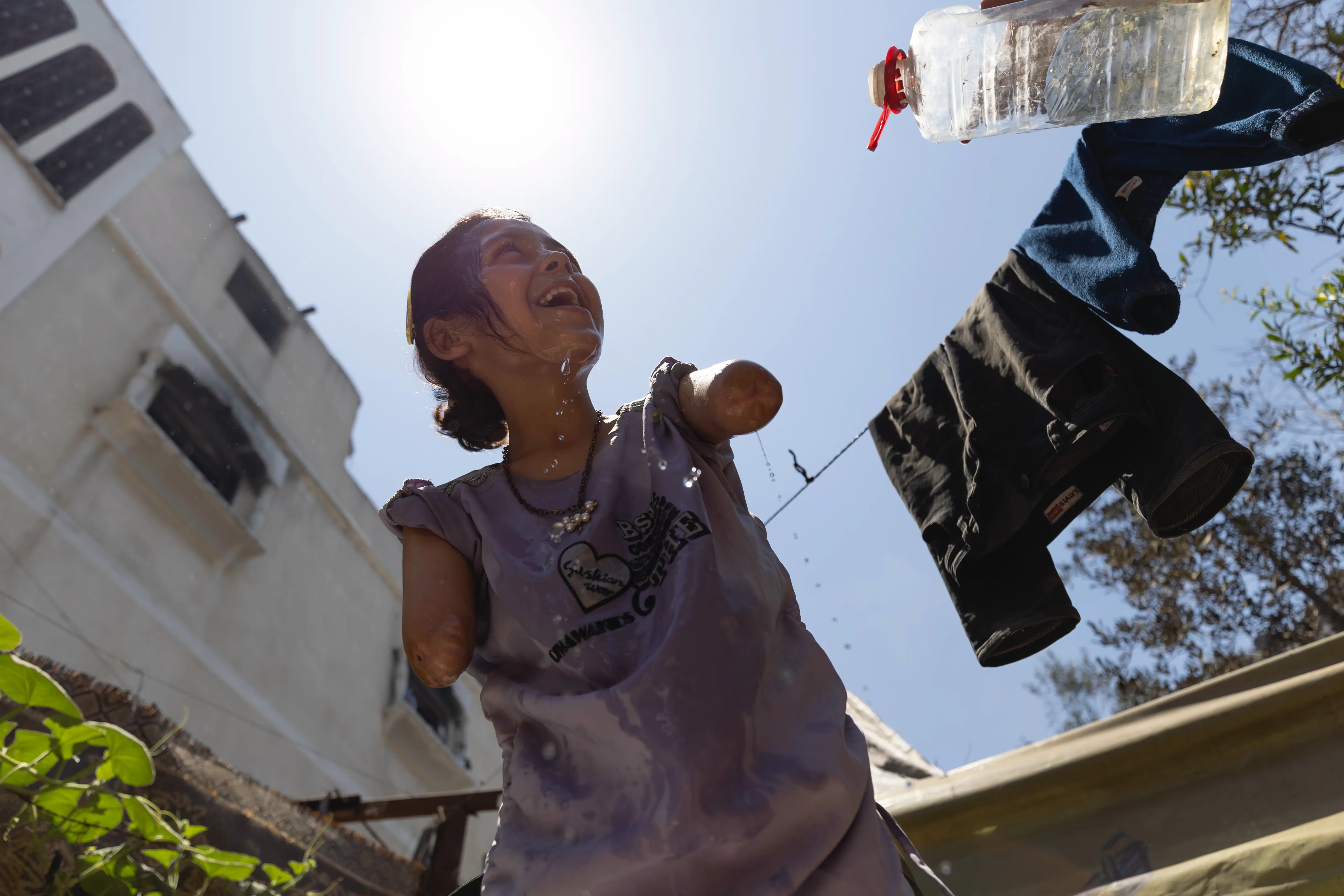
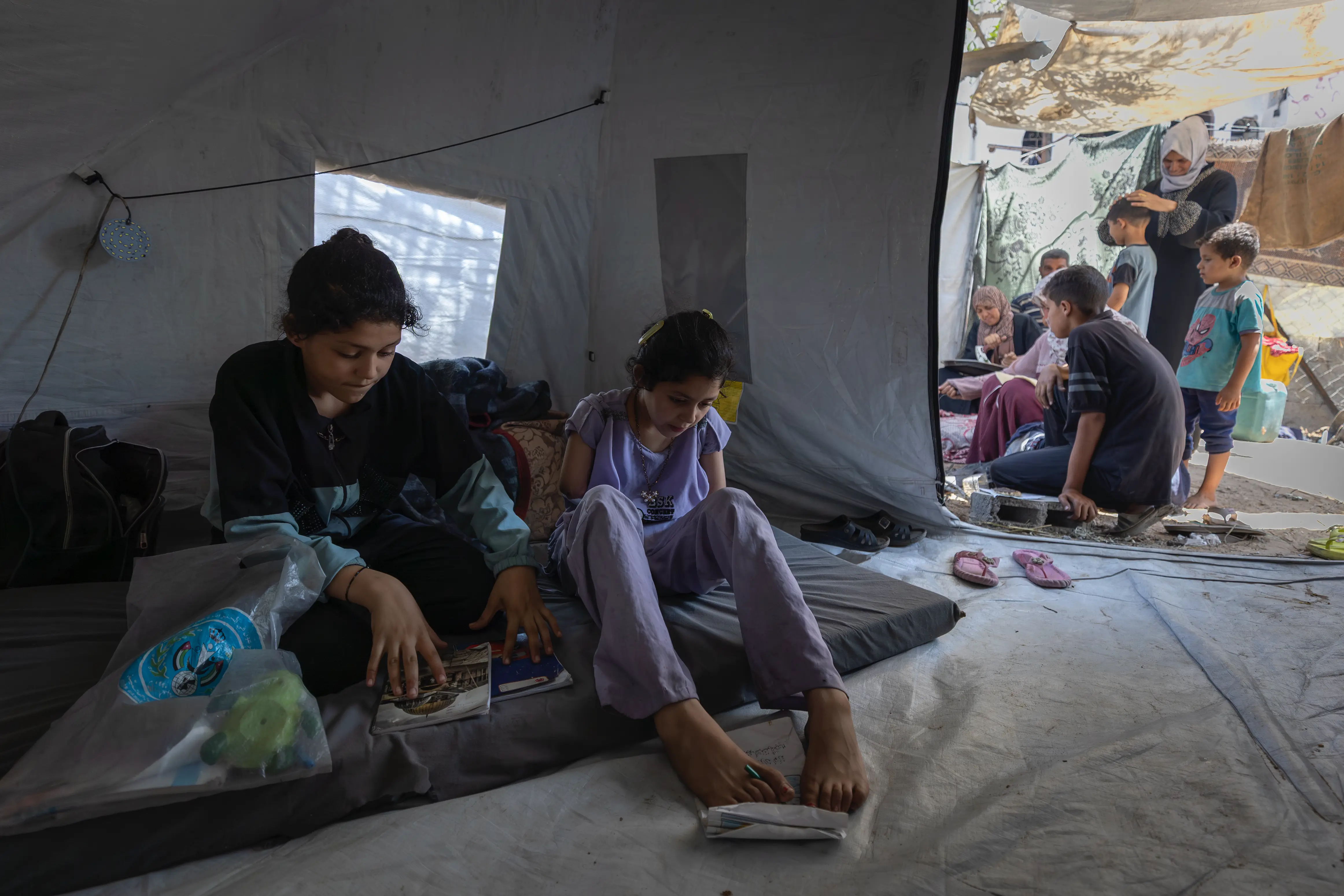
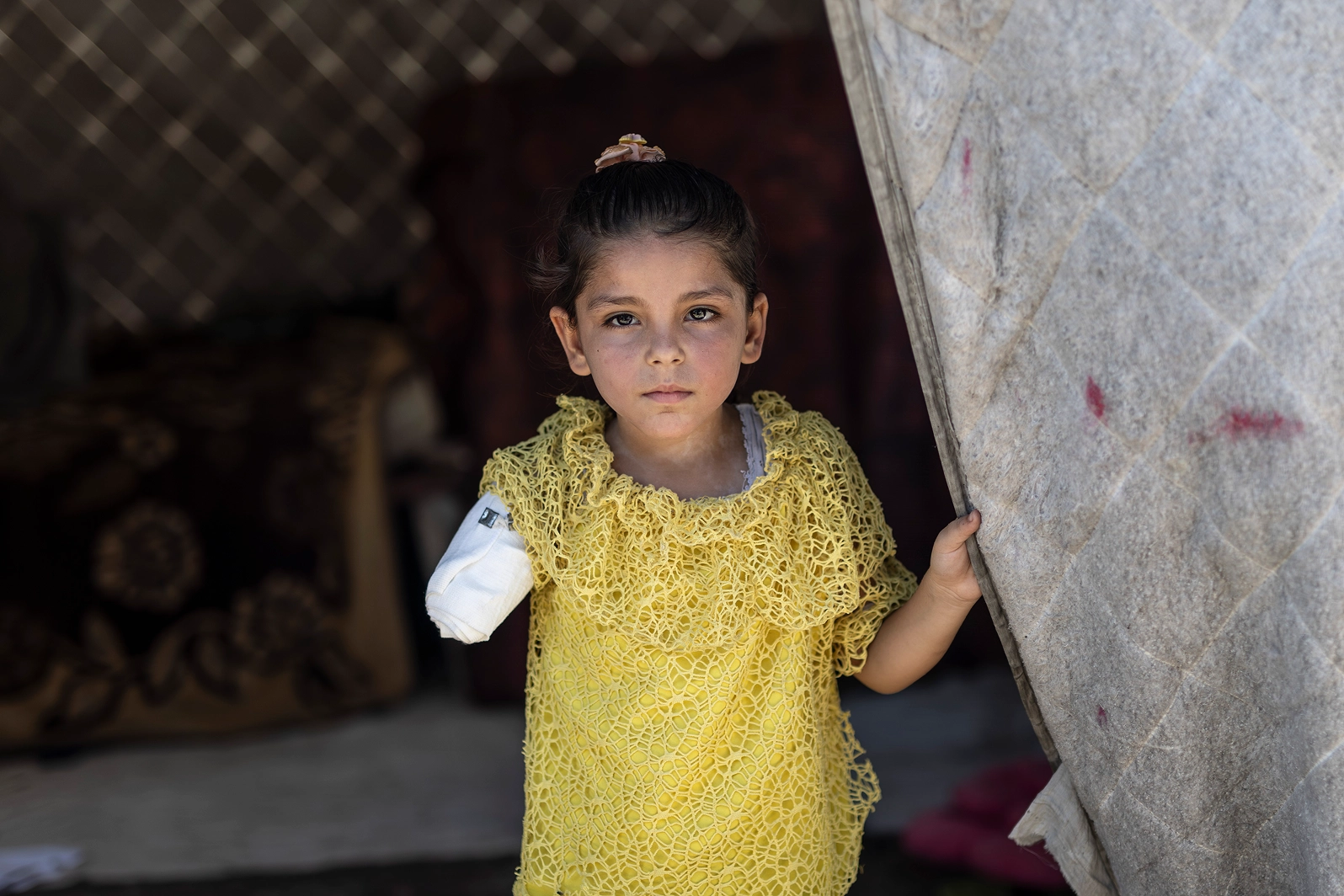
Sara, 10 year-old displaced child from Sheikh Radwan
She was cycling with her father on a street in Jabaliya camp
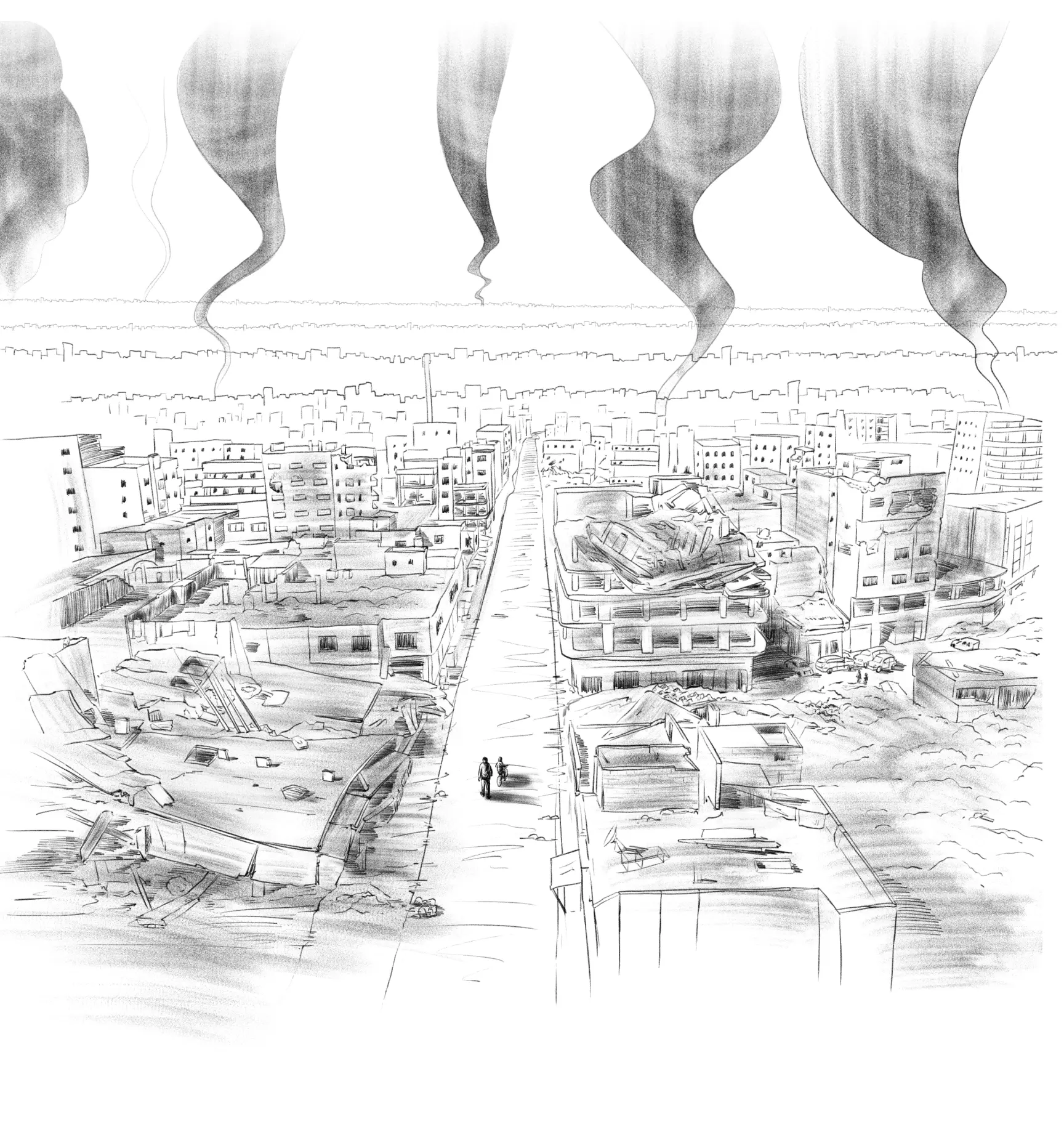
…when the building next to them was flattened by an Israeli air strike
As Sara was laying on the ground, she couldn’t find her father…
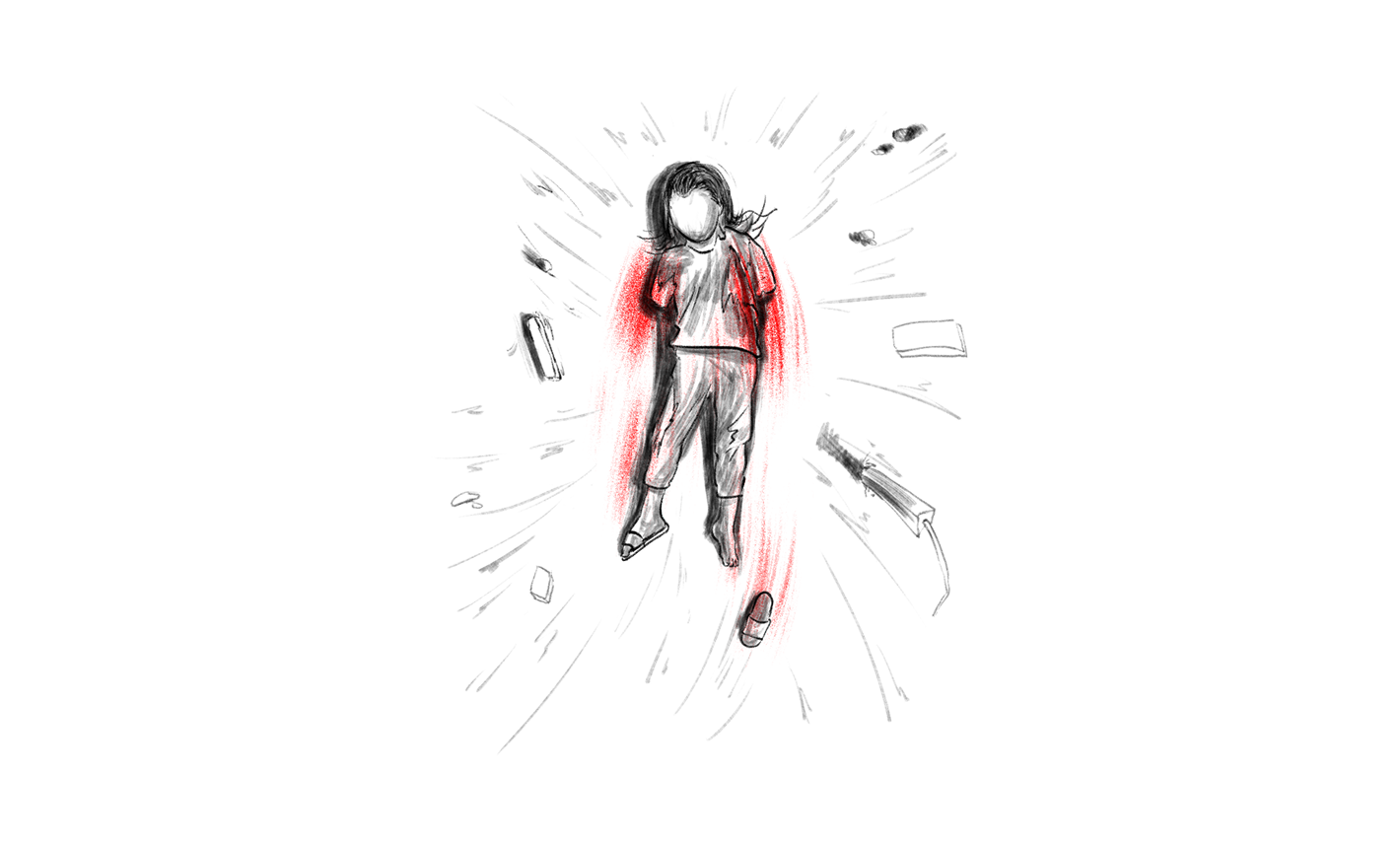
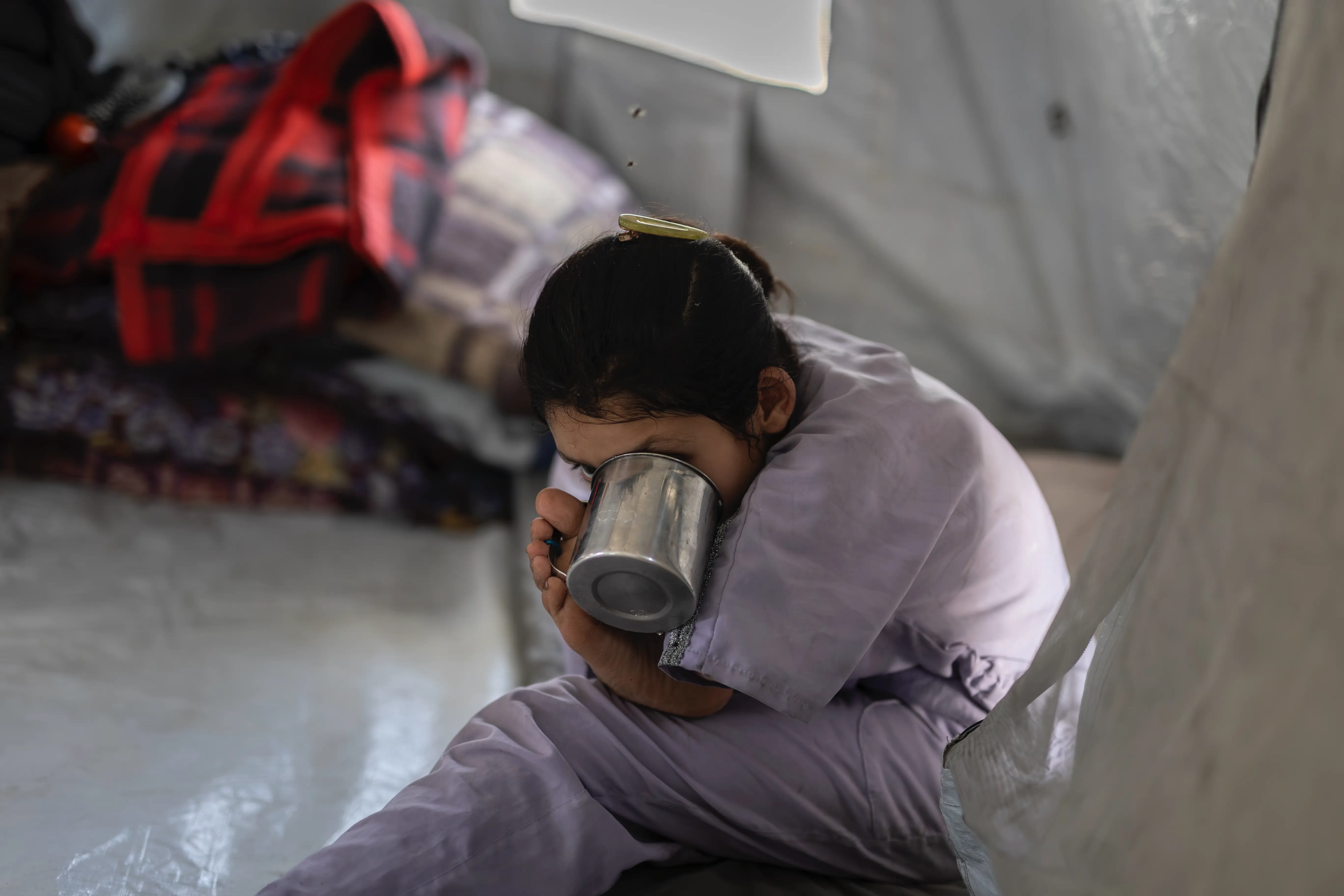
…nor either of her arms
A generation of shattered futures
“Mom, will my arms grow back later?”
Sara asked this moments after waking up in a dimly lit ward of a barely functioning hospital in northern Gaza. Her voice was soft and confused. Her mother was silent, paralysed by grief.
“How do you answer a question like that?”
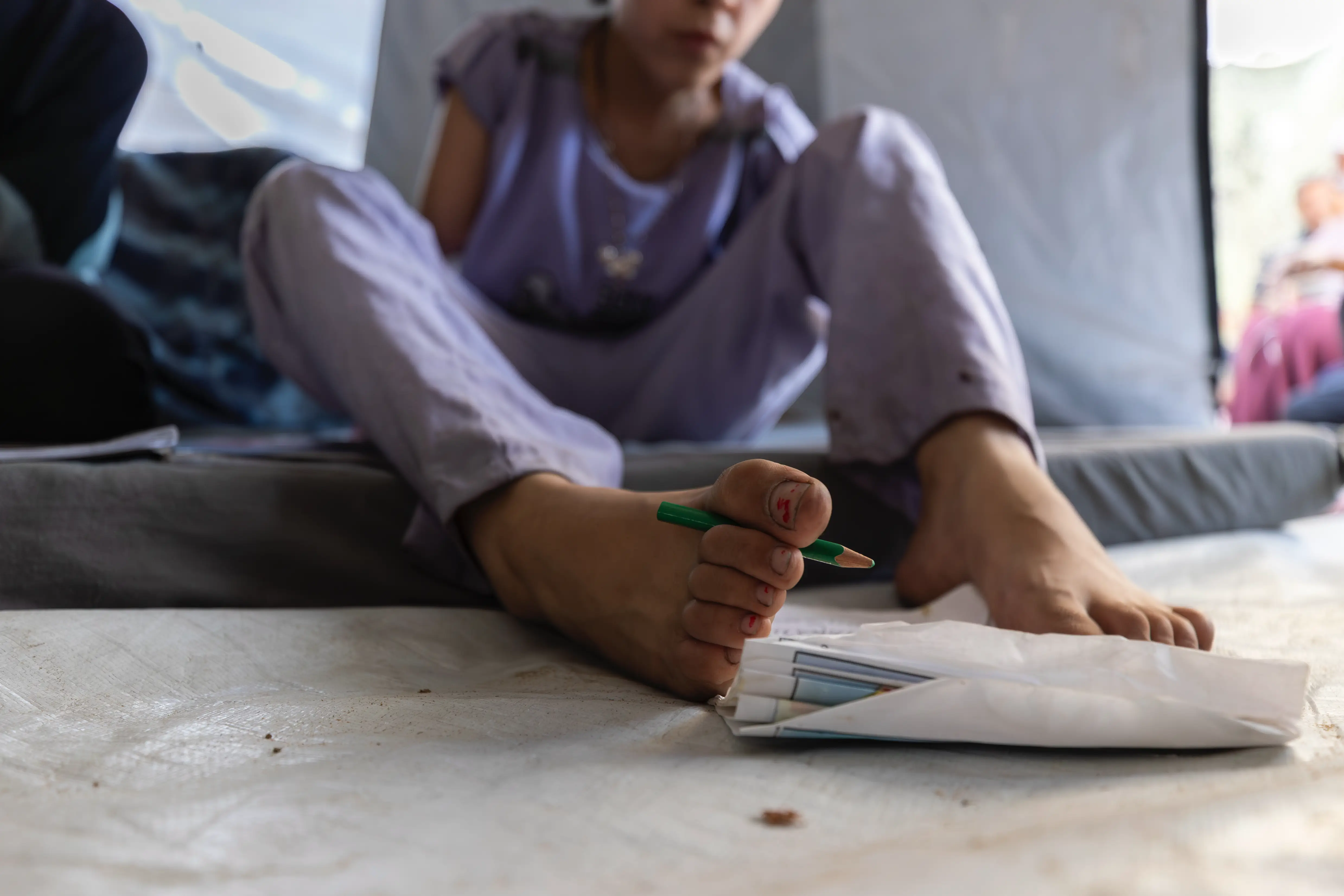
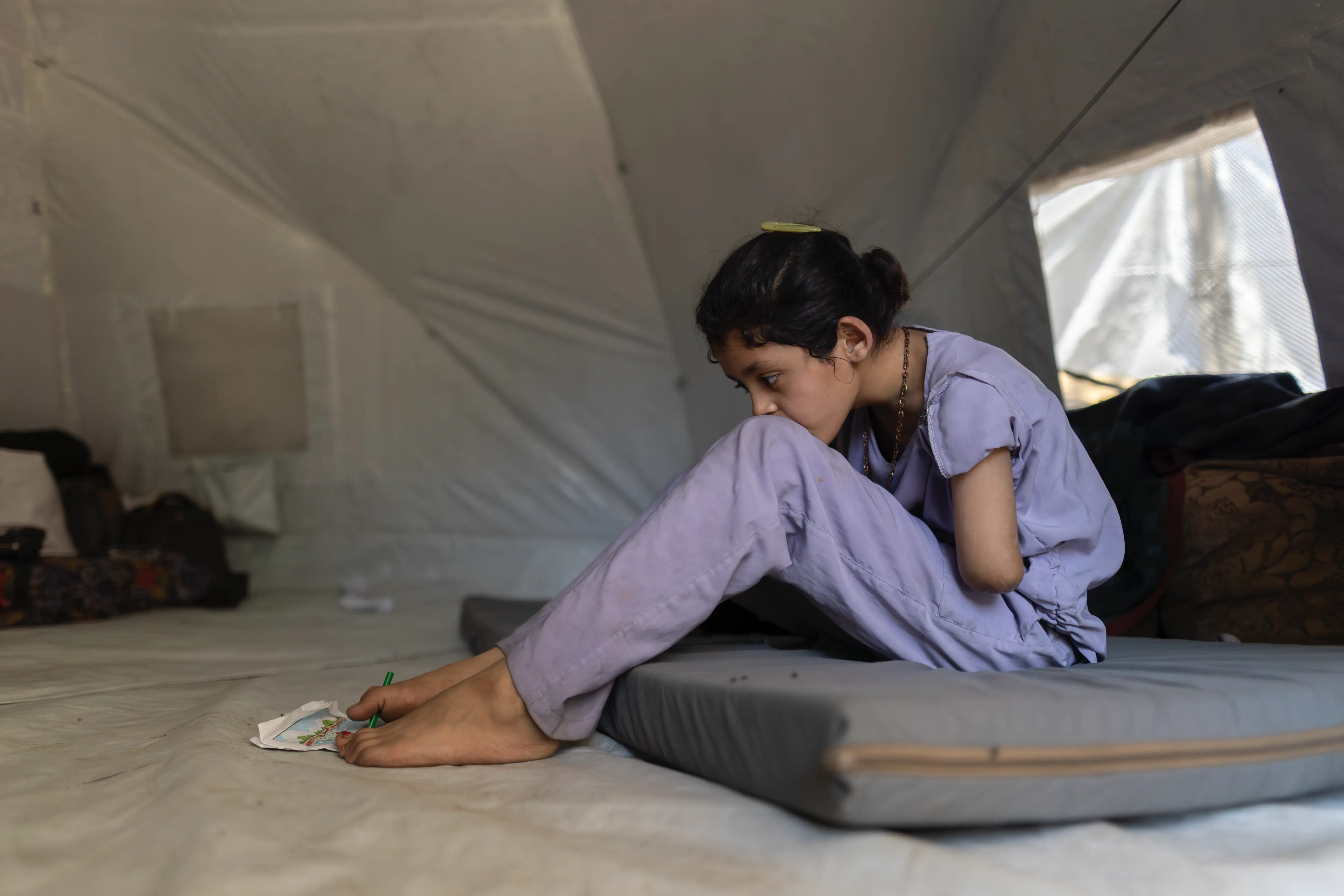
Just days earlier, Sara had drawn butterflies in the sand. She had arms and a father.
Then an Israeli missile struck their neighbourhood in Jabalia, turning it into rubble, tearing off Sara’s arms and killing her father.
A young man rushed Sara to a hospital. When she finally opened her eyes after surgery, she woke up to a body she no longer recognised. Her stomach was operated on and her arms were amputated.


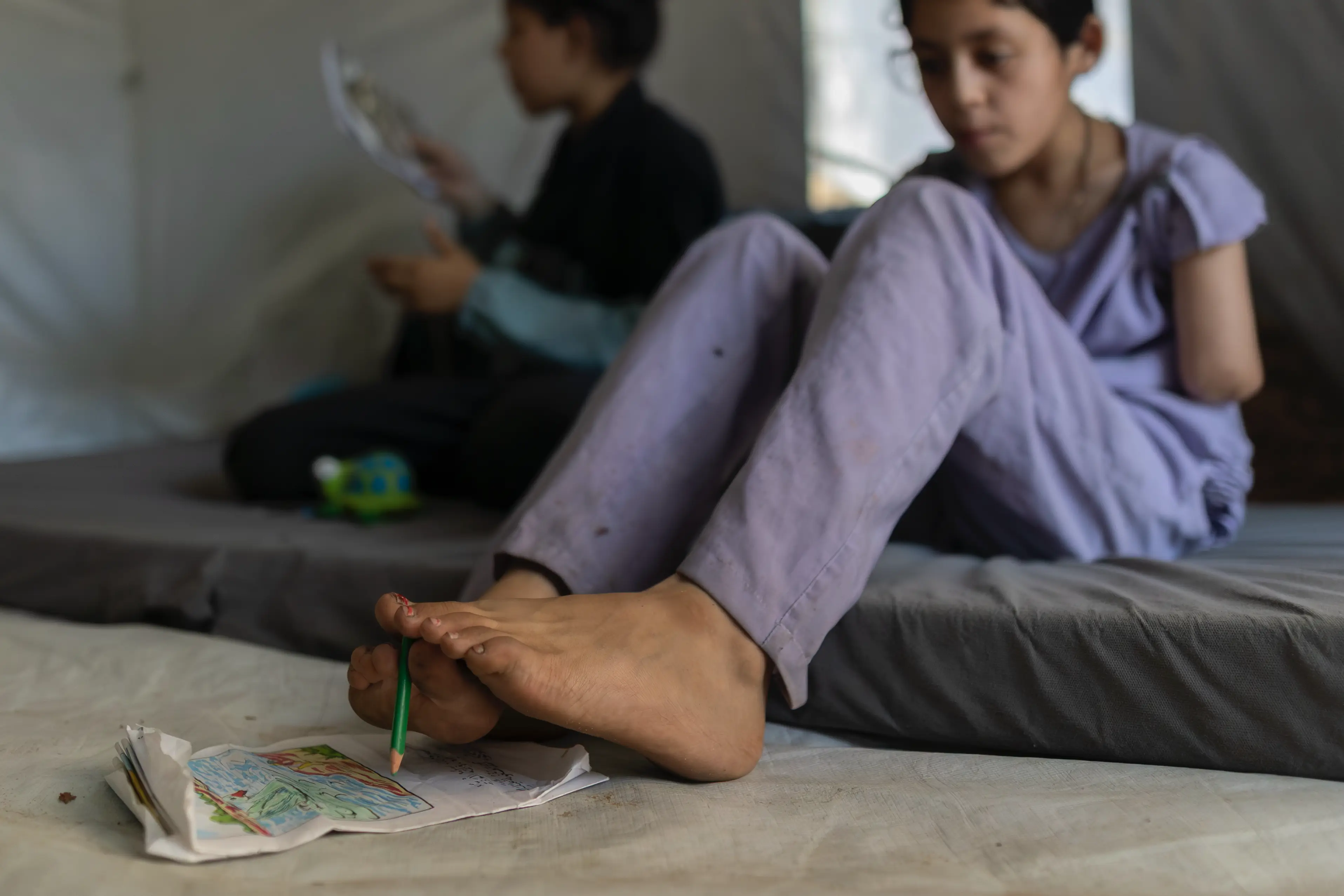
Gaza: ‘More child amputees than anywhere else on Earth’
While counting remains a challenge in Gaza, the health ministry announced in the beginning of 2025 that at least 1,050 child amputations of the upper and lower limbs had been recorded since the start of the genocide. Aid groups say the real number is likely far higher since many cases go undocumented, and some children have died of treatable infections, or their families remain displaced or buried.
Before Israel launched its genocidal war on Gaza, the enclave was already struggling with a large number of amputees — victims of past Israeli assaults on the Palestinian territory and of non-violent demonstrations like 2018’s Great March of Return.
Israel’s ongoing onslaught — that is killing hundreds of Palestinians every day — has made Gaza the child amputee capital of the world, with each child amputee requiring ongoing medical treatment and facing lifelong physical and emotional challenges.
To gauge the extent of care a child amputee requires, it’s important to understand that amputation is often performed as an emergency procedure and involves a long recovery process, including many additional surgeries.
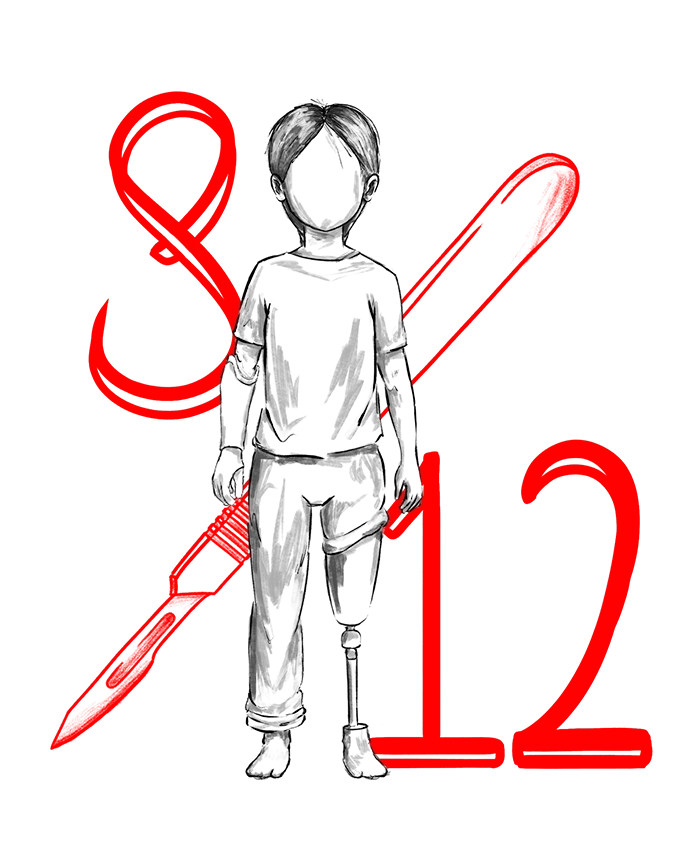
Each limb often requires 8-12 more surgeries as the child grows.
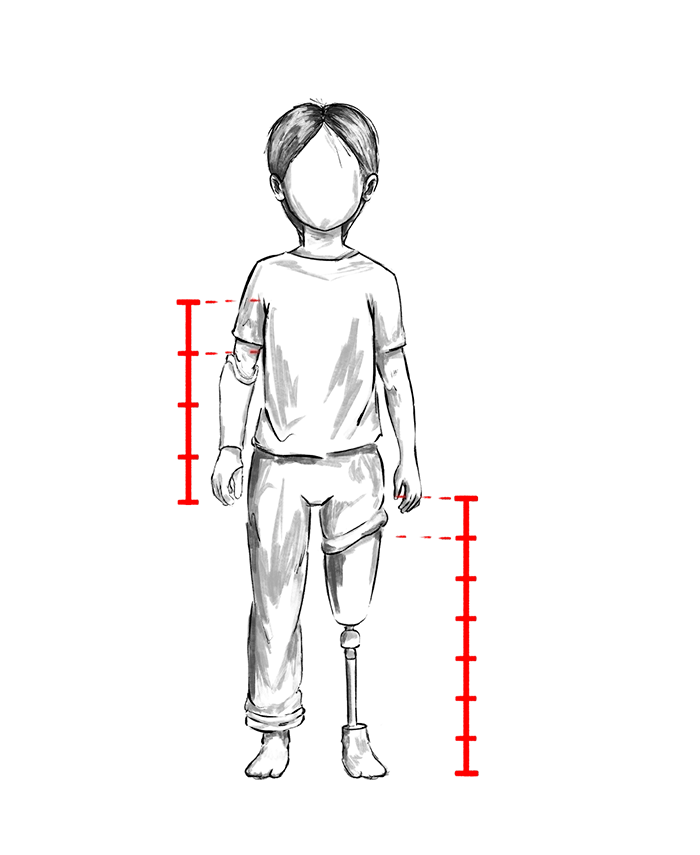
Medical check-ups are required every six months to adjust prosthetics and track bone and soft tissue growth.
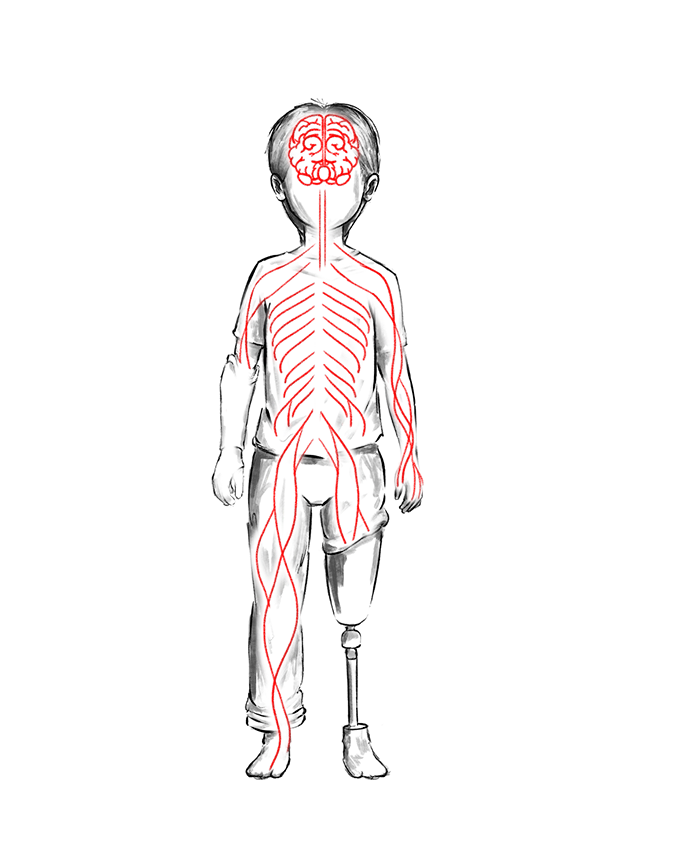
Ongoing care requires treatment for nerve pain, phantom limb pain and posture problems.
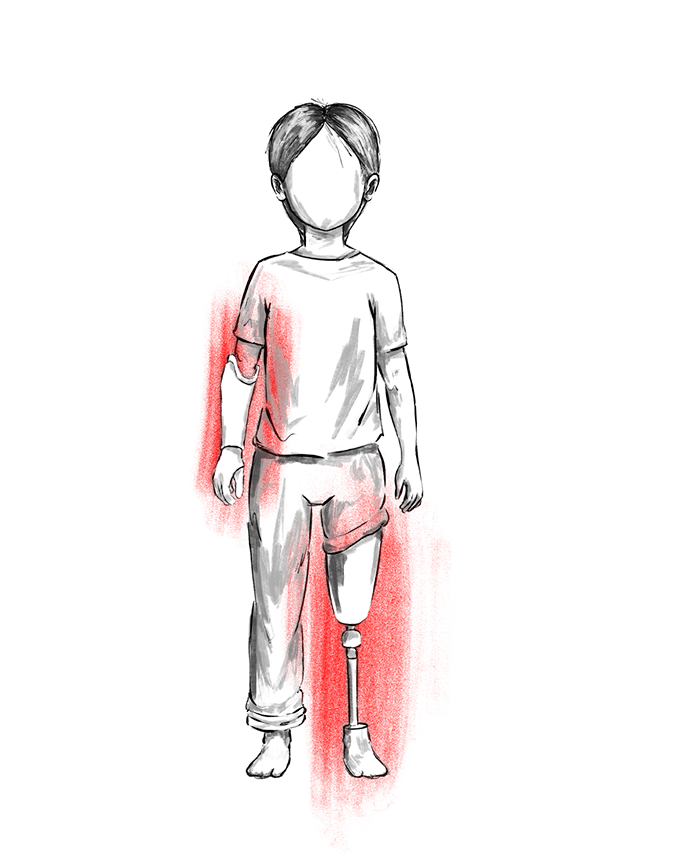
Prosthetic devices are replaced yearly to avoid a leg-length discrepancy.
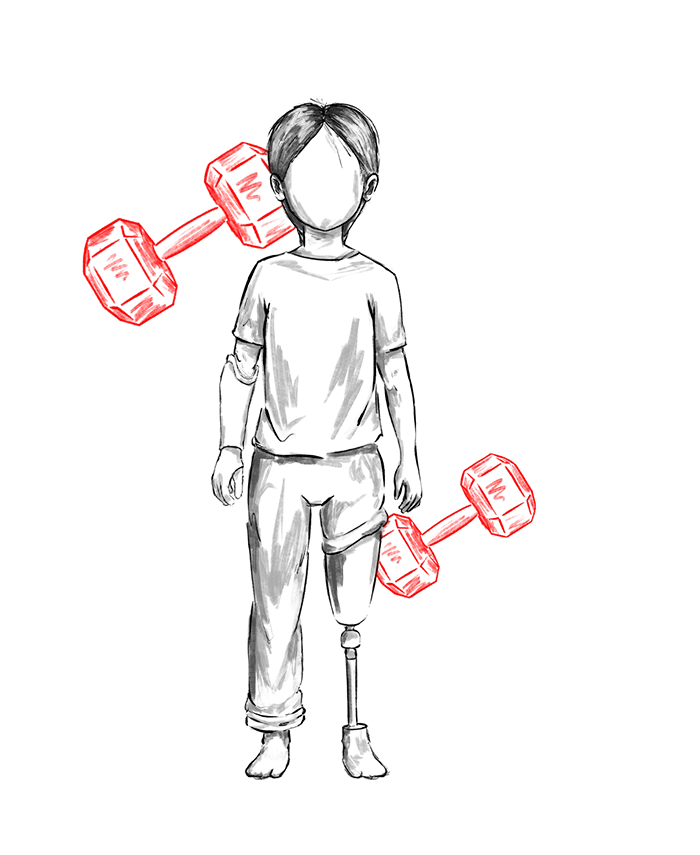
Physical therapy and training help children regain independence completing daily activities.
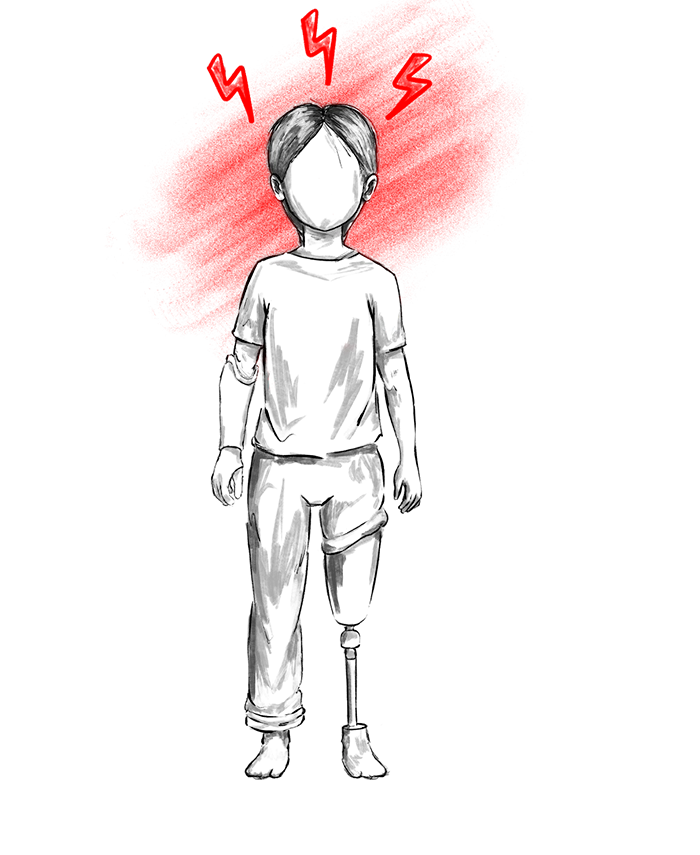
Psychological support is needed at every step. Adolescents often struggle more to adapt compared to younger children.
Inside Gaza’s healthcare crisis
Around 40,500 children have suffered "new war-related injuries" in the nearly two years since the war erupted, with more than half of them left disabled, said the UN Committee on the Rights of Persons with Disabilities.
There were some facilities and organisations helping amputees before the war. But all of these are now gone, targeted by Israel.
Israeli forces even destroyed Gaza’s only prosthetics manufacturing facility, the Hamad Hospital.
Supplies and services for children and adults with amputations have fallen far short of demand. Israel’s blockade has, since March 2, barred entry of all medical supplies, including prosthetic limbs, crutches and wheelchairs along with food, fuel and other humanitarian aid.
Doctor Mohammed Mustafa, Australian emergency doctor of Palestinian origin, volunteered at Nasser and European hospitals in Khan Younis in June 2024, and returned to Gaza in March 2025
Even minor wounds often now become deadly in Gaza due to preventable infection.
Medecins Sans Frontieres and surgeons at Al Aqsa Hospital say many amputations could have been prevented with timely care, but Gaza no longer has the capacity to treat the wounded due to Israel’s bombardment and blockade.
Conditions in camps pose yet another challenge for displaced amputee children since moving with crutches around makeshift tents is difficult.
And Israeli evacuation orders during the army's offensive in Gaza force amputee children to flee in unsafe and undignified conditions, such as crawling through sand or mud without mobility assistance.,

‘Salaahaddin. Foot’
Gaza’s health system has collapsed due to repeated Israeli strikes on hospitals, the volume of patients and Israel’s deadly blockade. The few hospitals still open are overwhelmed, overcrowded and severely undersupplied. Doctors operate by flashlight. Nurses reuse gauze and IV bags.
“We amputate without sterilisation. On the floor. In the ER. With reused gloves,” Dr. Tanya Haj-Hassan said.
Israel blocks materials to manufacture prosthetics from entering Gaza on the grounds that “they could have dual or military uses.”
“I’ve never had to choose which child gets pain relief before. But here, ketamine is a luxury.”
Beyond the limbs: Mental and social trauma
Mahmoud Medhat Al Derbali (9)
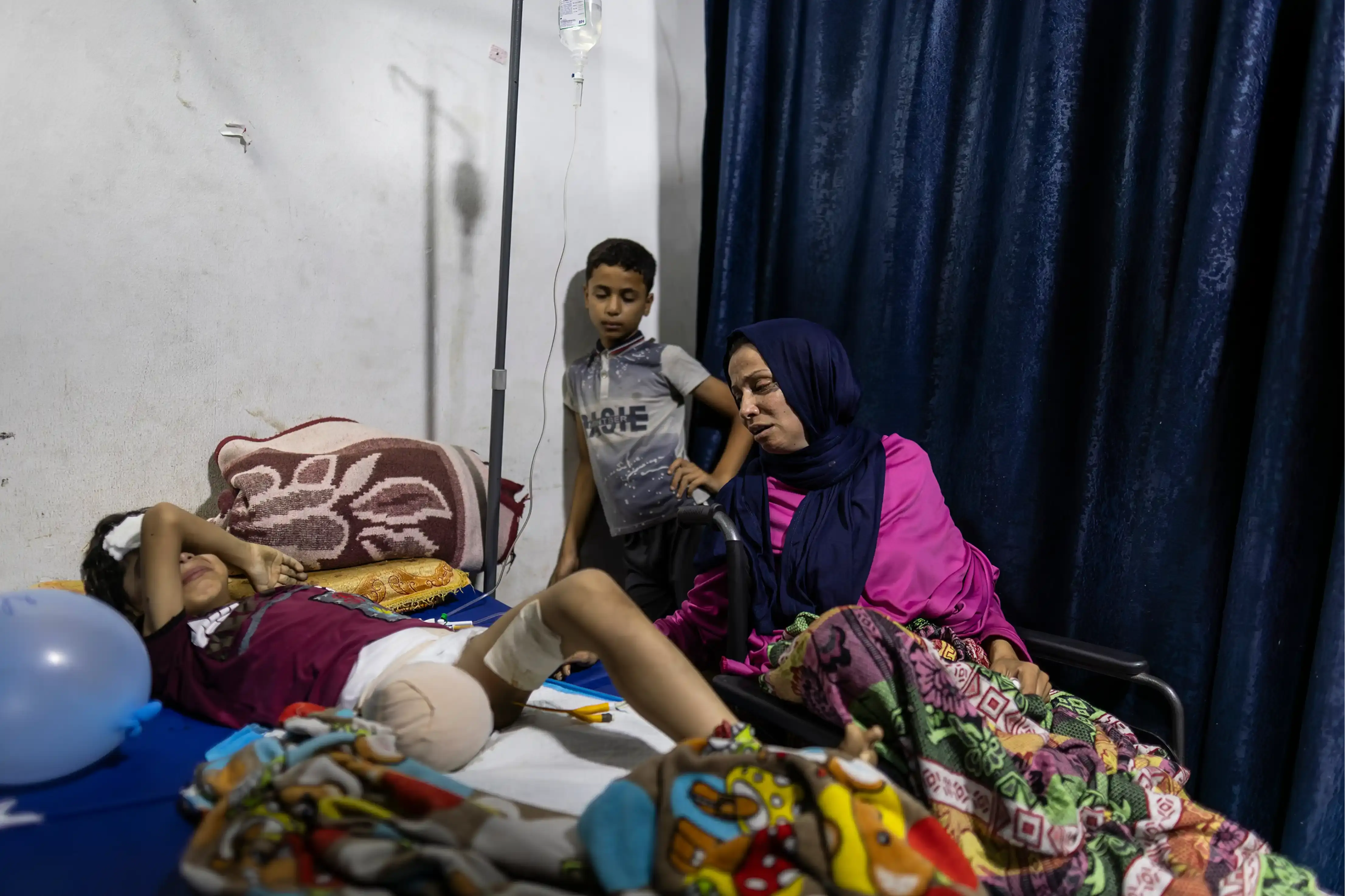
Youssef Al Samri (16)
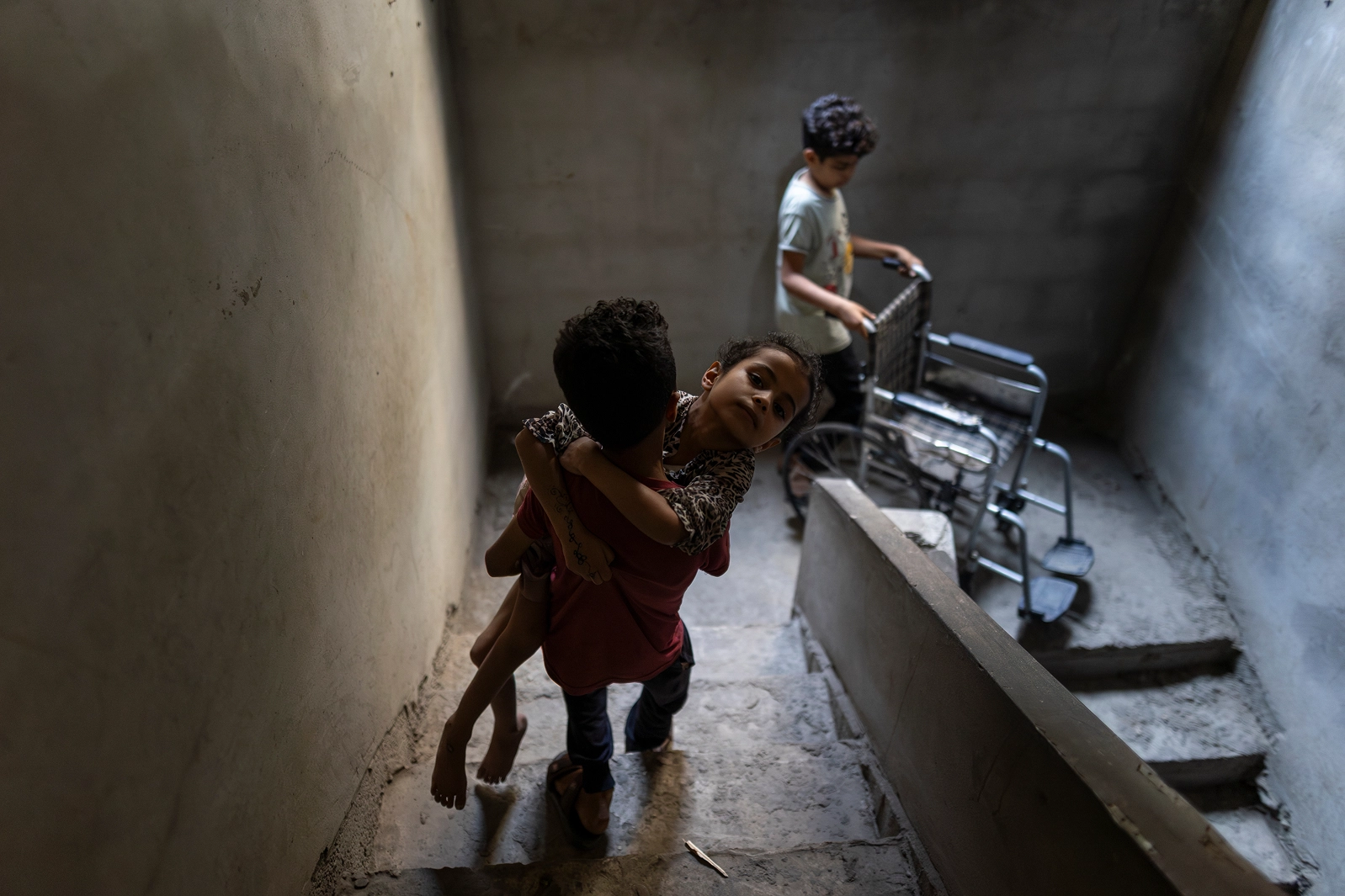
Sila Abu ’Aqlain (5)
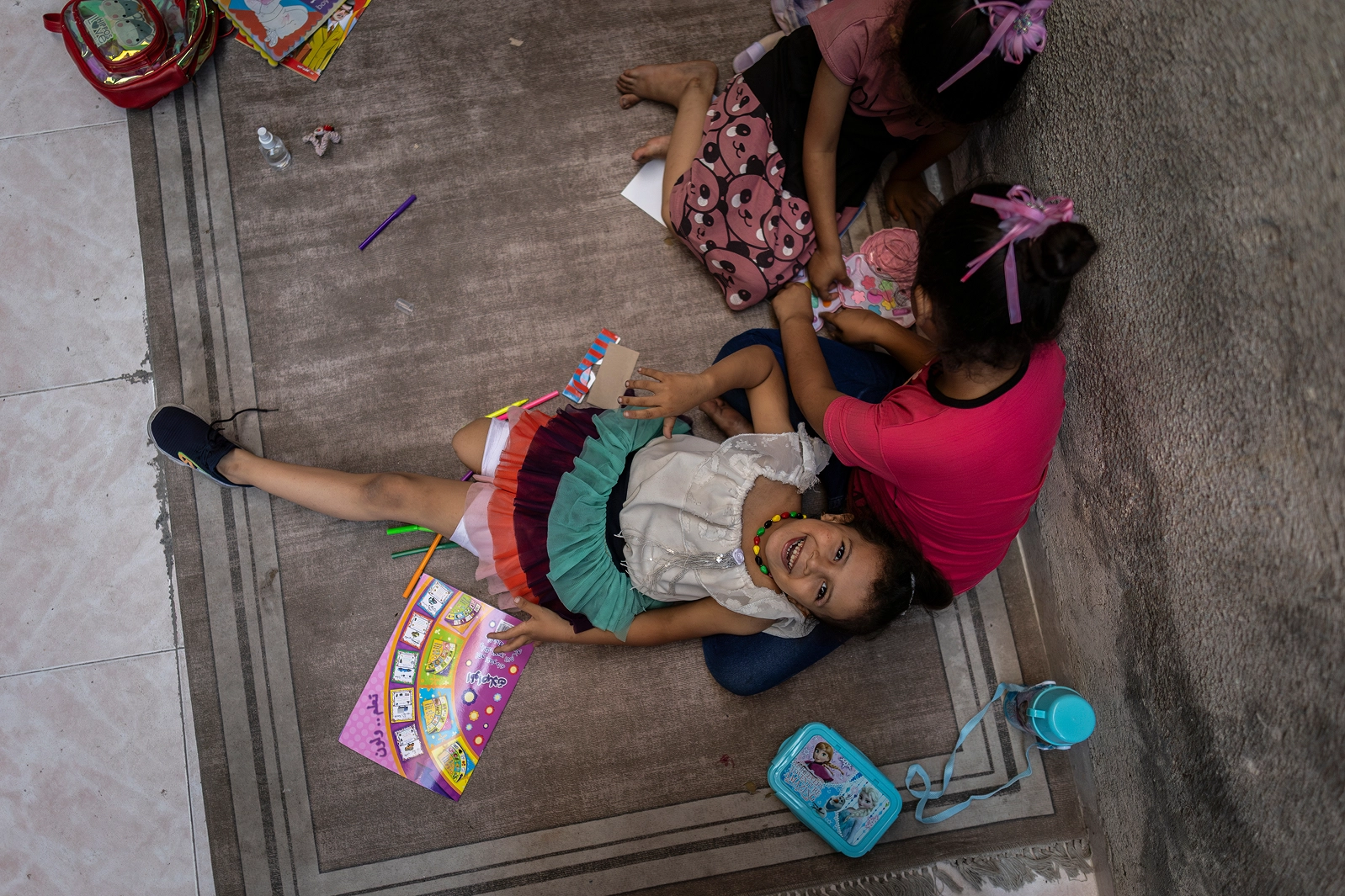
Souheir Sharaf (6)
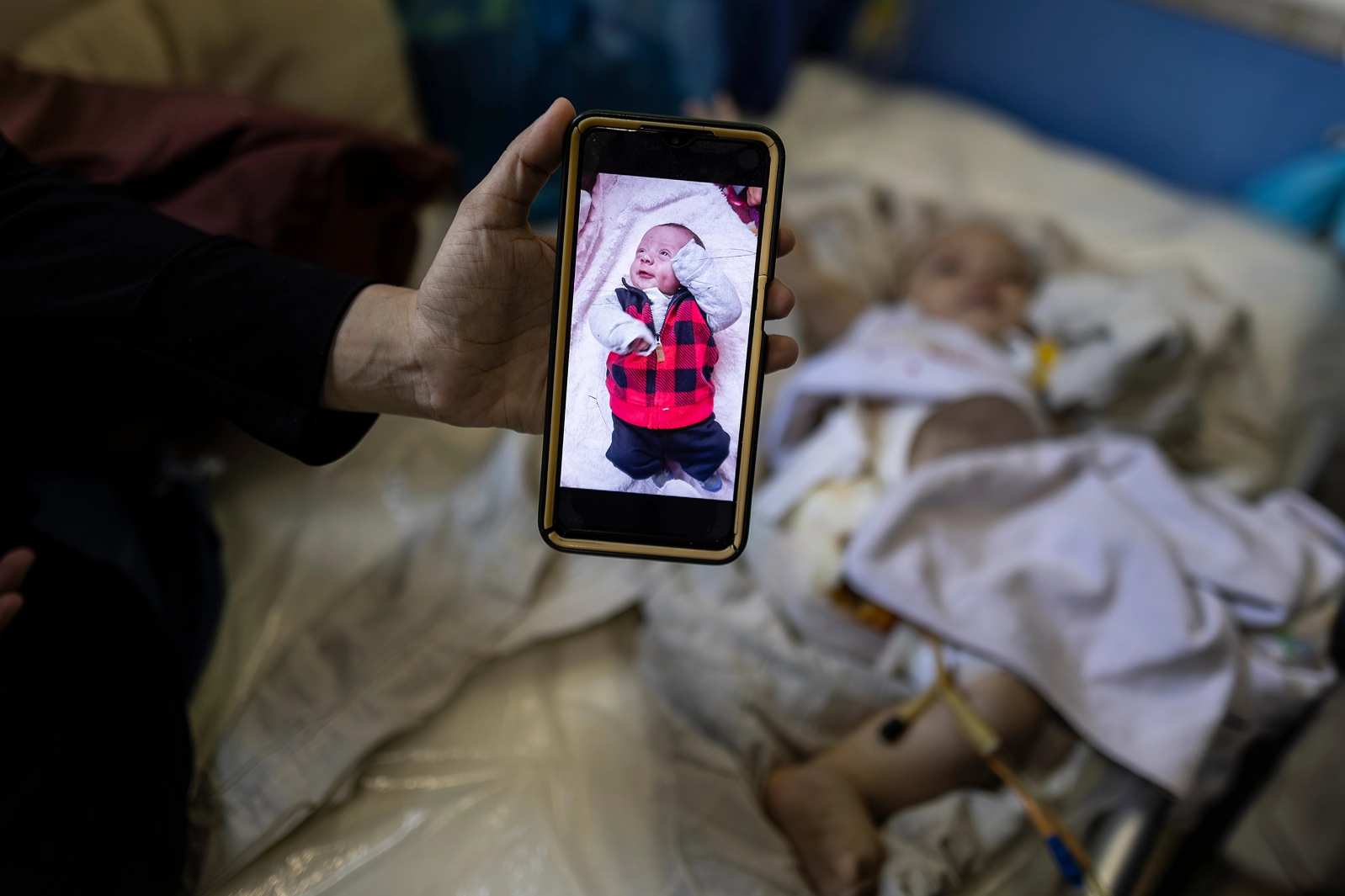
Hani Ziyara (7 months)
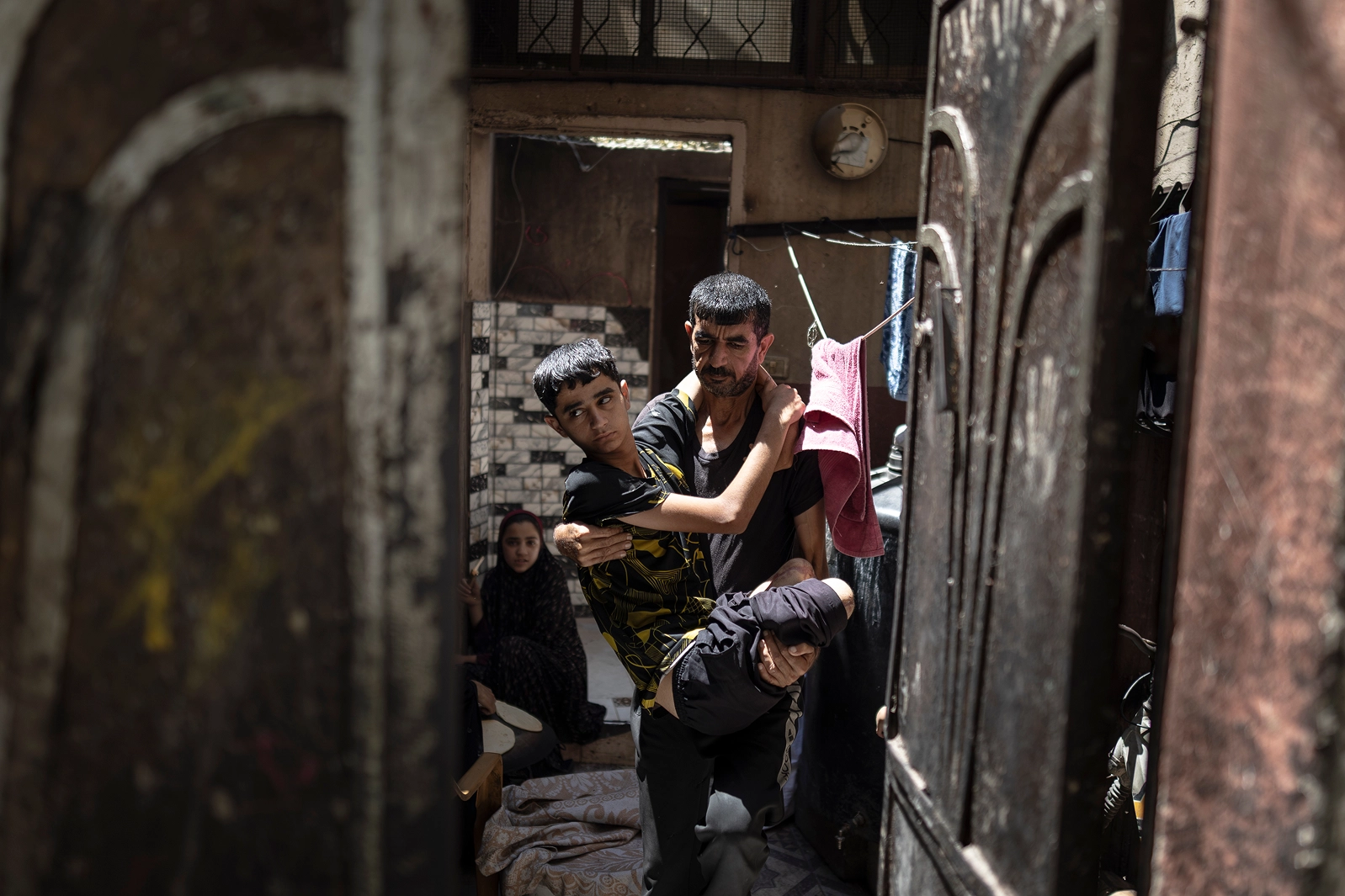
Ahmad Faleh Warsh Agha (14)

Ghada Ahmed Dabbash (7)
Gaza’s children are "trapped in a cycle of pain." Over one million children need mental health and psychosocial support for depression, anxiety and suicidal thoughts, according to a UN press release in early 2025.
It does not mean the end of their pain when the bombs stop. The pain of surviving with one or more limbs missing is a lifelong challenge, and many children have been left orphaned with no parents. Others are surviving the genocide with caregivers too wounded or overwhelmed to help.

Hani, youngest amputee of Gaza
Newborn Hani Ziyarah first opened his eyes in February 2025, during a brief ceasefire in Gaza. His mother, Laylah, called him a “sign of hope.”
On June 21, an Israeli air strike hit their shelter. Laylah was breastfeeding Hani when the walls collapsed. In the darkness and smoke, she reached for his tiny leg — and found it gone. Long before he could take his first steps or even crawl, the genocide had already taken his limb. Baby Hani now cries in pain every day, stitched and bandaged, facing an entire life as an amputee.
Video: TRT World
9-year-old Ratib lost his mother and leg
in an Israeli strike on Deir al Balah, but
refuses to give up.
Five-year-old Sila Abu Aqlan lost her mother, father and sisters in an Israeli air strike on their home in December 2023. She suffered severe burns to her right leg. A month of treatment had little effect, and Sila would scream in excruciating pain, her aunt Yasmine al-Ghofary recounted. Doctors ended up amputating Sila’s leg above the knee.
Their physical wounds may seal up over time. But the emotional wounds remain open.
It’s gut-wrenching for Sila to watch other girls playing and while she tries to keep up with them using her walker, she often falls down. “She asks, ‘Why am I like this?’" her aunt laments.
“Why am I not like them?”