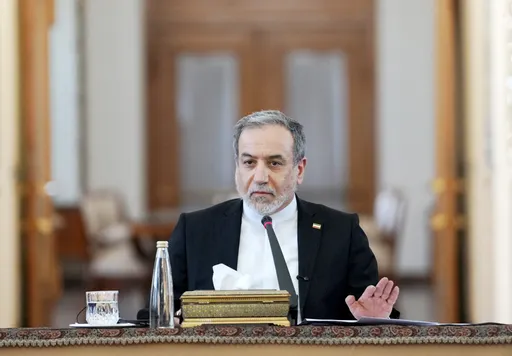
Iran's top diplomat has accused the United States of being responsible for the "insecurity" in the Strait of Hormuz, which has been at the heart of the conflict between the foes.
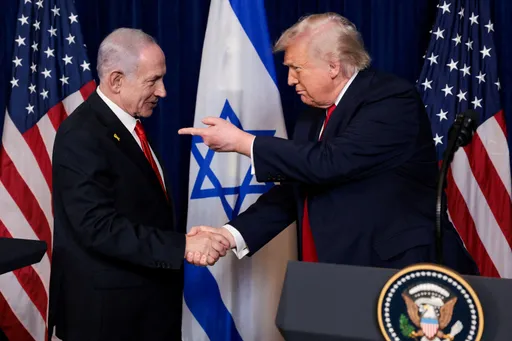
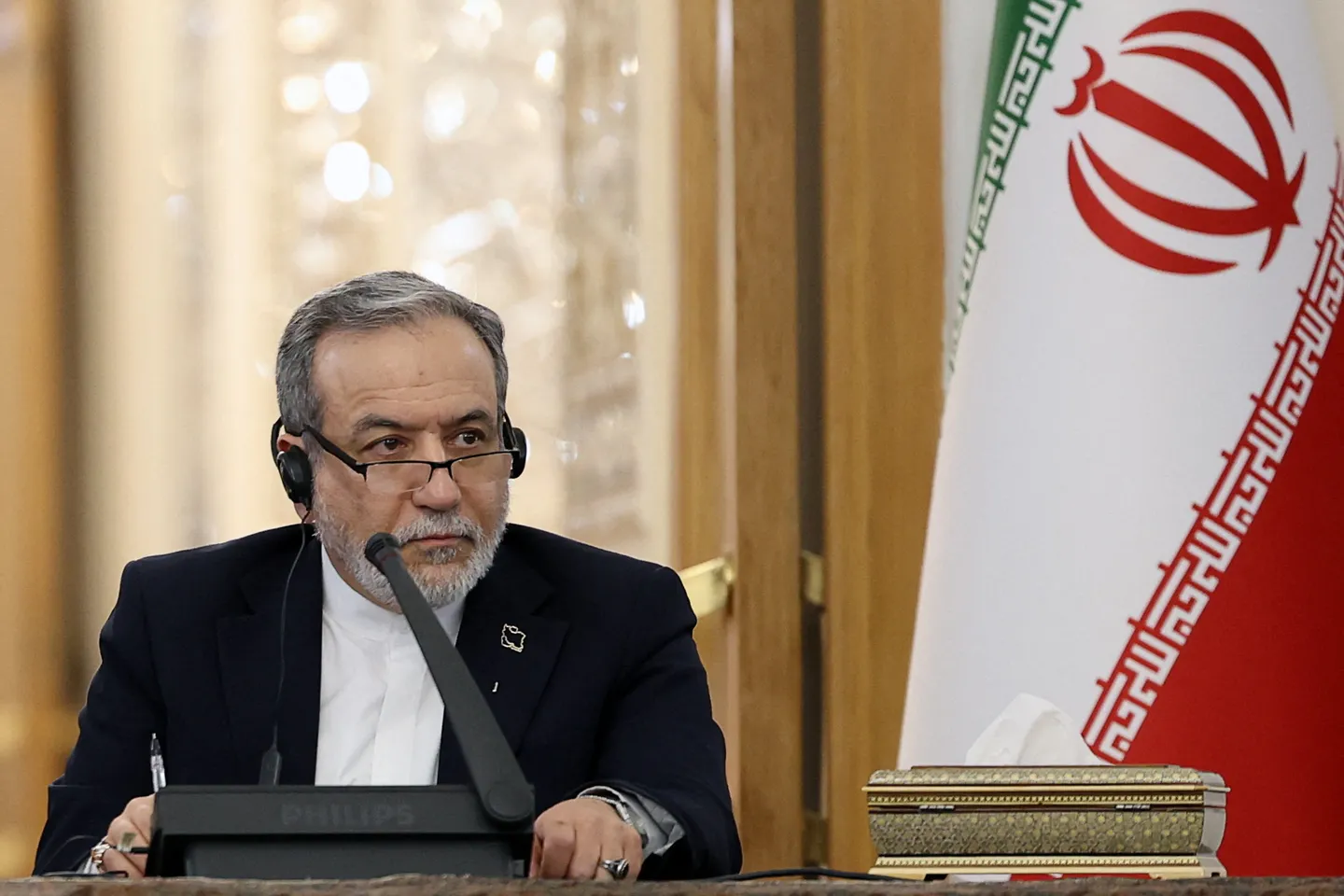
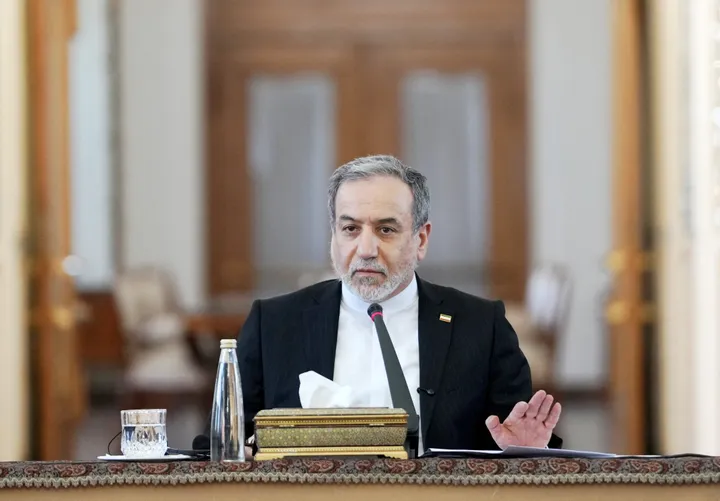
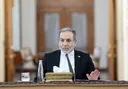
"The war imposed by the United States and the Zionist regime (Israel), combined with the economic blockade, constitutes the principal source of insecurity in our region," Iranian Foreign Minister Abbas Araghchi said, having previously referred to "the Gulf and the Strait of Hormuz".
He was speaking during a joint press conference on Monday with his Russian counterpart Sergey Lavrov, who arrived in Tehran on his first visit since the outbreak of the Middle East war as Moscow seeks to play a mediating role.
Iranian foreign ministry spokesperson Esmaeil Baqaei said on Sunday that the trip would focus on "regional and international developments".
Lavrov was scheduled to meet Iranian President Masoud Pezeshkian and hold talks with his counterpart Araghchi, according to the Russian foreign ministry.
The veteran diplomat has said Moscow's efforts are "aimed at preventing the return of a large-scale war", with talks stalled between Tehran and Washington.
His visit comes after Russian President Vladimir Putin told Pezeshkian in early October that Moscow was prepared to contribute to mediation efforts.

Russia and Iran, two of the most heavily sanctioned nations in the world, maintain close ties. Their military and economic cooperation has only increased since the Russian invasion of Ukraine in 2022.
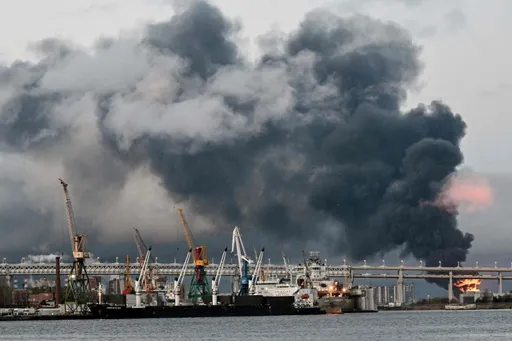
The Middle East war began in February with US-Israeli strikes on Iran. Despite a ceasefire in April, followed by a US-Iran memorandum of understanding in June, hostilities in and around the Strait of Hormuz have not stopped.
Iran claims control over the strategic waterway, through which one-fifth of the world's hydrocarbons pass in normal times, and regularly targets vessels that cross without its authorisation.
In response, Washington has been maintaining a naval counter-blockade on Iranian ports.
The Russian foreign ministry said discussions during Lavrov's visit were expected to focus on "ways to resolve the acute international crisis triggered by the unlawful aggression of the US and Israel against Iran".
The ministry said the war had been a blow to stability and security "not only in the near and Middle East, but also on a global scale".