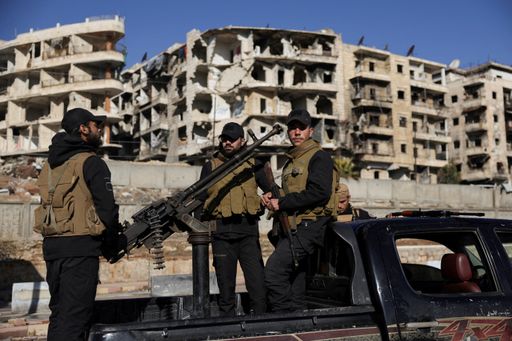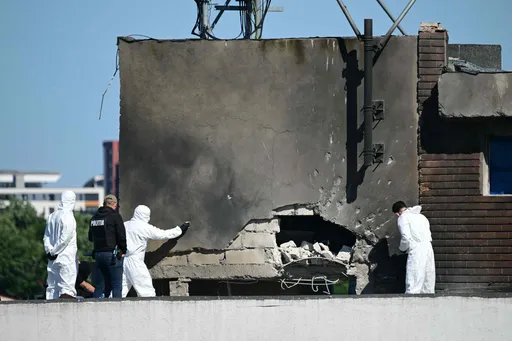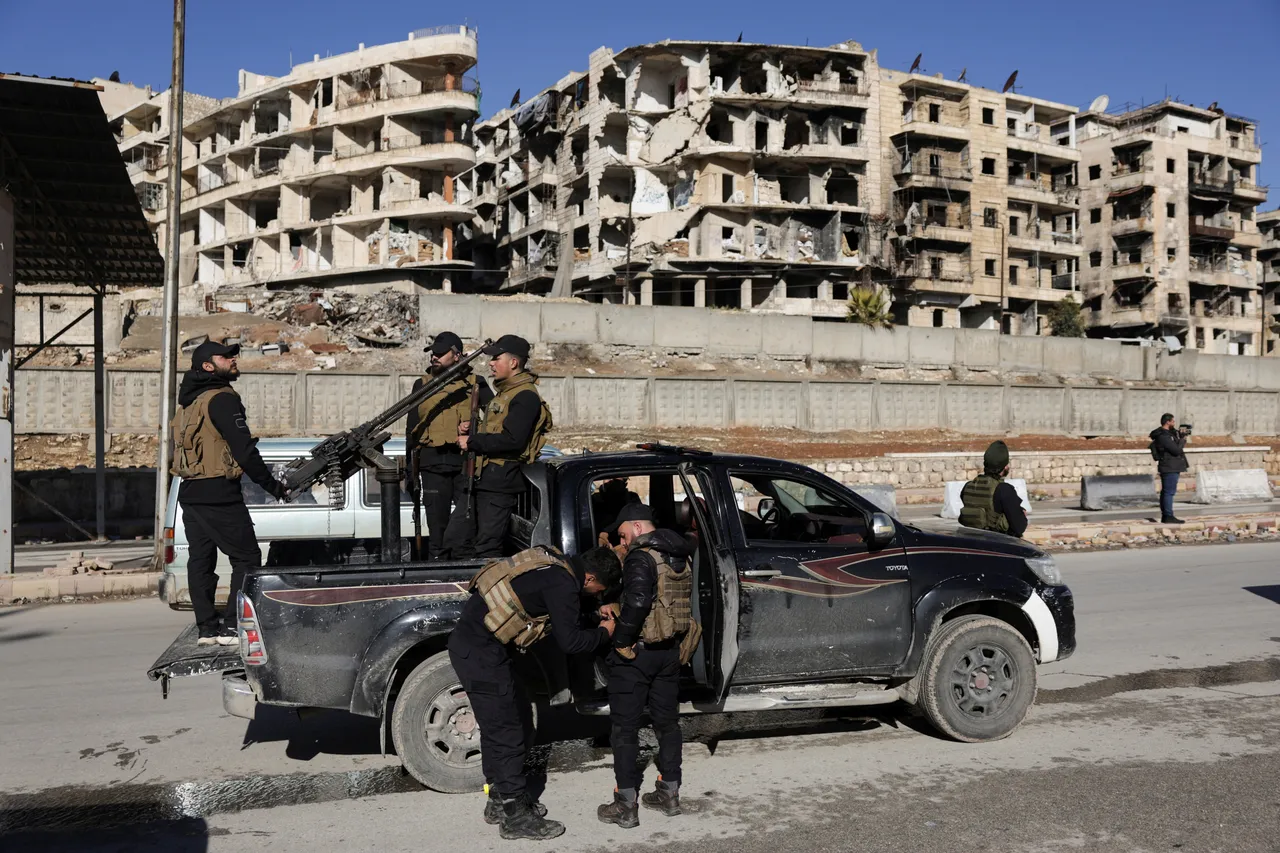
Syria’s Interior Ministry has said that its teams had dismantled explosive devices planted by the terrorist organisation YPG inside homes and along streets in the Sheikh Maqsoud neighbourhood of Aleppo, describing them as “prepared for terrorist use”.
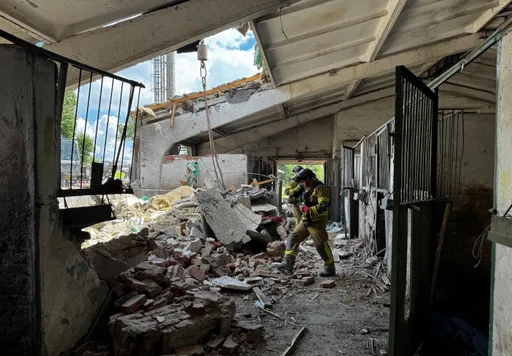
A ministry statement said on Sunday that specialised teams conducting security sweeps in the area neutralised several explosive materials, including a vehicle rigged with mortar shells and a large number of suicide drones found inside civilian homes.
The teams also dismantled improvised explosive devices planted inside houses and on the edges of streets by YPG terrorists, it added.
The ministry stated that teams detected a booby-trapped rocket during field operations and handled it in accordance with approved technical procedures to ensure safe disposal.
The explosives and suicide drones were transferred to secure locations, while the booby-trapped rocket was detonated under direct supervision without causing casualties or material damage, it added.
YPG is the Syrian branch of the terror group PKK.
In its terror campaign against Türkiye, the PKK, listed as a terrorist organisation by Türkiye, the US and the EU, has been responsible for the deaths of over 40,000 people, including women, children, infants, and the elderly.
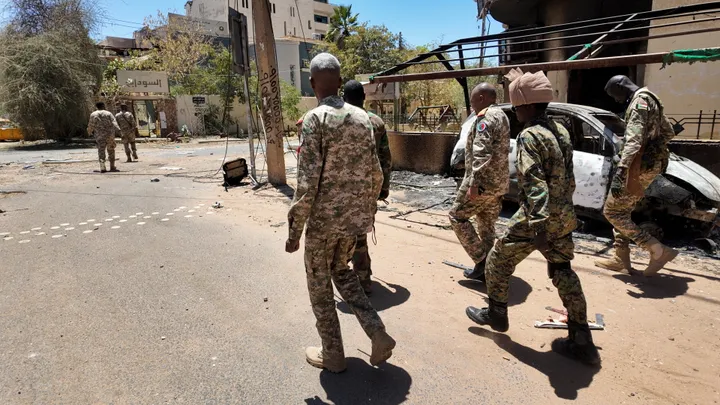
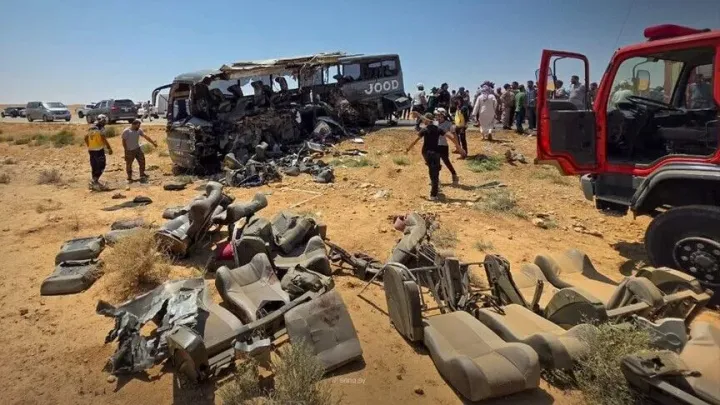

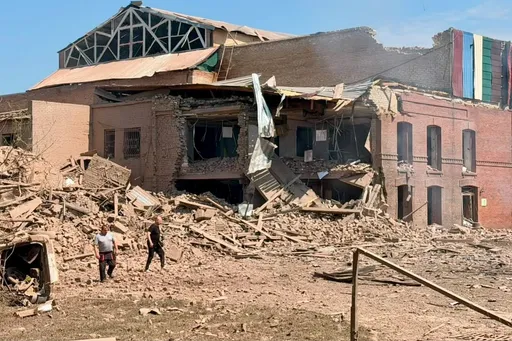
Since Tuesday, the YPG has shelled residential neighbourhoods, civilian facilities, and Syrian Army positions in Aleppo, killing 24 people, wounding nearly 130, and displacing about 165,000 residents from the Ashrafieh and Sheikh Maqsoud districts, according to official figures.
In March 2025, the Syrian presidency announced the signing of an agreement for the YPG’s integration into state institutions, reaffirming the country's territorial unity and rejecting any attempts at division.
In April 2025, Syrian authorities signed an agreement with the YPG concerning the Sheikh Maqsoud and Ashrafieh neighbourhoods, stipulating that both districts would be considered administrative parts of the city of Aleppo while respecting their local particularities.
The agreement also included provisions to ban armed manifestations, restrict weapons to internal security forces, and require the withdrawal of the YPG to areas east of the Euphrates River in northeastern Syria.
But authorities said that in the months since, the YPG has not shown any efforts to meet the terms of the agreements.
The Syrian government has intensified efforts to maintain security across the country since the ouster of the Assad regime in December 2024, after 24 years in power.