 Noureldein Ghanem
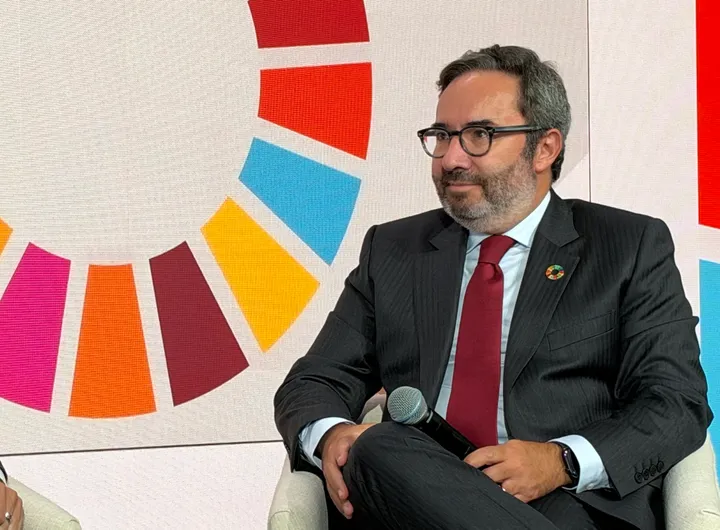
Palestine has slammed Ursula von der Leyen for her anti-Palestinian trope to mark the 75th anniversary of the creation of Israel and demanded apology from the European Commission chief.
Palestine particularly criticised on Wednesday her "make the desert bloom" comment, a cliche frequently used by far-right Israelis to suggest Palestine was an empty desert before the creation of the Jewish state.
"Such propagandist discourse dehumanises and erases the Palestinian people and falsifies their rich history and civilisation," Palestine's Ministry of Foreign Affairs said in a statement.
"Likewise, such a narrative perpetuates the continued and racist denial of the Nakba [catastrophe] and whitewashes Israel's illegal occupation and apartheid regime."
The ministry said the rhetoric casts doubt on the EU's declared commitment to international law and human rights, demanding an apology to the Palestinian people.
"President Ursula von der Leyen owes them and the Palestinian people an apology."
The EU Commission chief celebrated the 75th anniversary of Israel's creation, saying after the "greatest tragedy" in human history, referring to the Holocaust, the Jews finally found a home.
"You have literally made the desert bloom," Ursula said, in the comment that provoked outrage on social media as well as Palestine's strong response.
"Europe and Israel are bound to be allies," she added. "Your freedom is our freedom."

Nakba Day
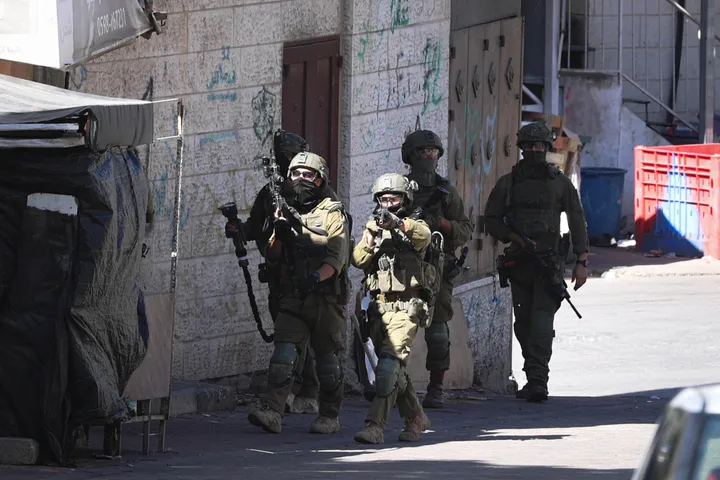
Israel's creation resulted in Palestine's Nakba, when nearly 800,000 Palestinians were forcefully and illegally driven out of their homes by Zionist Israeli paramilitaries in 1948 and onward.
Following the 1948 Arab-Israeli war, hundreds of thousands of Palestinians were forced out of their homes, paving the way for the establishment of Israel.
Every year on May 15, Muslims in general and Palestinians in particular mark Nakba Day as a reminder of their collective suffering, their ancestral home, the continued occupation of the West Bank and the blockaded Gaza.
Palestinians legally hold the "right of return" to their own lands, which are now controlled by Israel, according to the 1948 UN General Assembly Resolution 194.
Millions of Nakba survivors continue to live with their descendants in refugee camps in blockaded Gaza, occupied West Bank and other neighbouring countries.
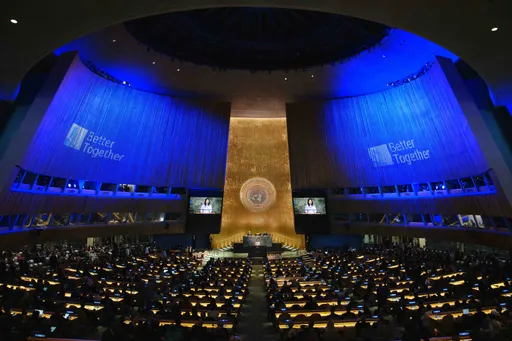
This year UN will commemorate Nakba Day for the first time in its history.