Israel's Parliament has dissolved after Prime Minister Benjamin Netanyahu's fractured ruling coalition failed to pass a budget, triggering a fourth election in two years and renewing the country's unprecedented political crisis.
The coalition led by Netanyahu and his rival, Defence Minister Benny Gantz, missed a midnight deadline to approve a 2020 budget, which by law forced Parliament's automatic dissolution.
The election plunges PM Netanyahu into a battle for survival as public anger has mounted over his handling of the coronavirus crisis and criminal corruption charges that he faces at court.
The Israeli Knesset spokesman's office confirmed early on Wednesday that the country is heading to the next election on March 23, 2021.
Opinion polls indicate that if elections were held today, Netanyahu would face a tough threat from a trio of disgruntled former allies who share his hard-line ideology but object to his personal style of governing.
READ MORE:Israelis renew demand for Netanyahu resignation in fresh protest
Accusations against Netanyahu
Gantz, has accused the premier of dishonesty and placing his personal needs above Israel as it grapples with the Covid-19 pandemic and its impact on the economy.
Though polls show Netanyahu's right-wing Likud party emerging as the largest faction in parliament, surveys also predict a strong showing for parties across the political spectrum seeking to unseat him.
Netanyahu and Gantz, head of the centrist Blue and White faction, established a unity government in May after three inconclusive elections held since April 2019.
But unlike those campaigns, Netanyahu now faces political challengers from Israel's right-wing in a ballot that will be held in the shadow of the pandemic which has hit Israel's economy hard.
Fragile power-sharing arrangement
Likud and Blue and White's coalition deal involved Gantz taking over from Netanyahu as prime minister in November 2021, and passing a bi-annual budget for 2020 and 2021, a de-facto insurance for the power-sharing deal.





But even as that accord was being inked, many analysts argued that Netanyahu would not relinquish his powerful post, and Likud has since demanded to pass the budgets separately while Blue and White insisted Netanyahu stick to their deal.
Analysts said Netanyahu had been pushing for an election in May or June next year, after the coronavirus crisis was expected to ease and the economy to begin to recover, hoping to win a parliamentary majority that would grant him immunity and put off his trial.
Netanyahu denies any wrongdoing.
But a March vote appears far riskier for Israel's longest-serving leader.
"It's a whole new ball-game," said Reuven Hazan, professor at the Hebrew University's political science department. "Netanyahu is far more vulnerable now," said Hazan. "The chances of him not being prime minister are higher than they were."
Netanyahu has denied pushing for an early election and has blamed the political turmoil on Gantz's Blue and White.
The deadlock has plunged Israel into more economic uncertainty at the end of a year when a pandemic-induced slump is expected to shrink gross domestic product by 4.5 percent with the jobless rate standing at 12.1 percent.
READ MORE:Israel prepares Covid-19 jabs rollout, leaving Palestinians out in the cold
Diplomatic deals
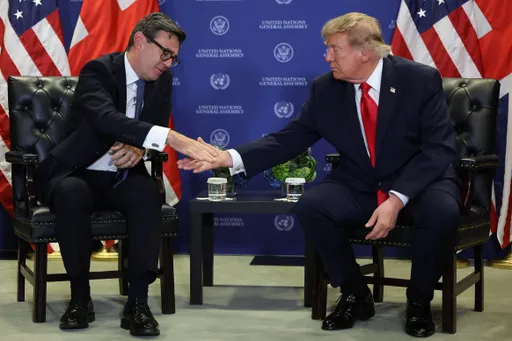
In an upcoming election, Netanyahu would likely play up the country's vaccination drive which began this week, as well as his diplomatic credentials following a string of diplomatic deals with Gulf states, Sudan and Morocco, that were brokered by the United States, Hazan said.
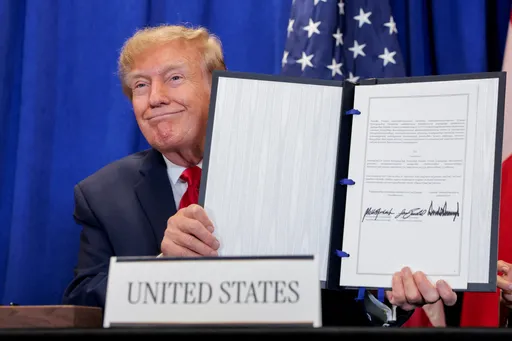
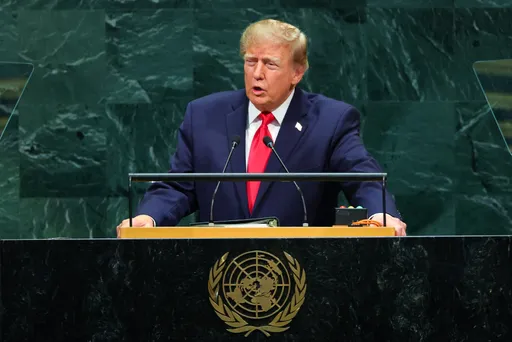
Netanyahu enjoyed a close relationship with President Donald Trump, who made a number of pro-Israel moves during the previous elections. But with US President-elect Joe Biden set to take office in January, Netanyahu will lose a major campaign asset, Hazan said.
READ MORE:Pakistan to UAE: 'We will not recognise Israel'
READ MORE: Does normalising ties with Israel determine one’s terrorist status?